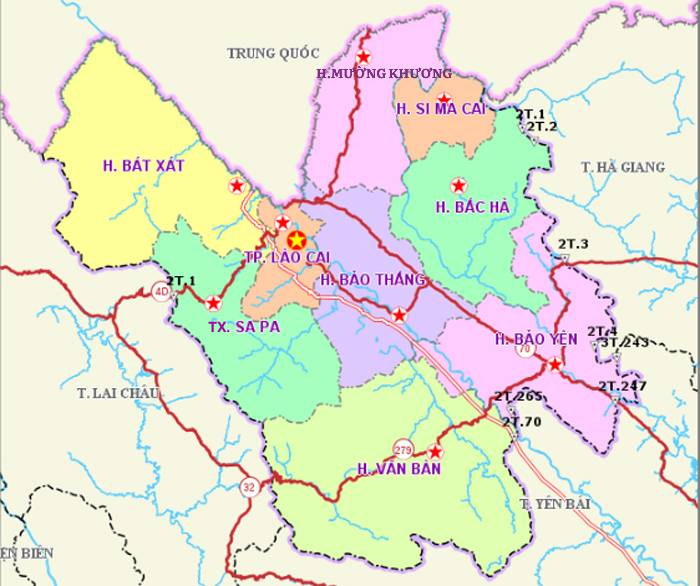
Breathtaking view of Lao Cai throughout the four seasons
Lao Cai has become an attractive destination thanks to the colorful beauty of nature and landscapes that may change throughout the four seasons: spring, summer, autumn, and winter. Lao Cai is considered a chameleon with a miraculous transformation capability that can vary from brilliant to moody grey colors. This borderland becomes unique, magnificent, and relatively charming each season.Lao Cai covered in brilliantly-colored flowers during bud-time
As soon as spring comes and brings a breath of life stretching across the mountains and hills of the Northwest, it dresses Lao Cai in puffy clouds of pink and white. Spring makes all the trees sprout leaves and suddenly wakes everything up from long deep winter sleep. Hundreds of flowers of all kinds are eager to bloom in the spring sunshine.
Peach blossoms in full bloom in Sa Pa
Spring brings the first warm sunlight of the year, gradually banishing some strangling coldness and stunned silence of winter and encouraging the whole world to shine brightly. It is the world moving from iron-grey to fairyland–green. The fragile naked branches of winter trees shivering in the bitter wind become adorned with colorful flowers watered in the breath of spring. When the pink color of peach blossoms invades each high mountain range, the picturesque scene seems to be spirit-renewing and lets the menu of fresh flower scents wash over every village and hamlet.

Sa Pa with a sky of peach blossoms creeping into each small village (Credit: H. Giang, Q. Lien)
While Japan is the country of cherry blossoms, Sa Pa is a paradise of peach blossoms with many peach gardens bringing some attractive colors like the pink cheeks of indigenous girls in the mountainous regions. The shy idyllic smile of these girls can depict their peaceful, harmonious, and calm life.
Pure white plum flowers pass through Bac Ha.
After the Lunar New Year, plum flowers have come into bloom in white across Bac Ha. When going to this district, many visitors can experience ecstatic sights with beautiful landscape and pure white plum blossoms peeking into the hill gardens right in front of the traditional wooden houses and stilts of the Mong ethnic people in Bac Ha.
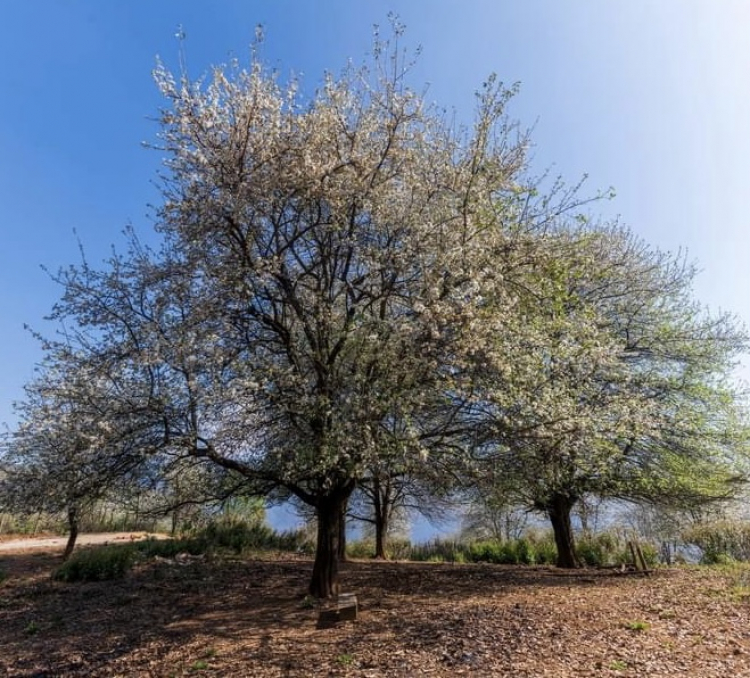
The pure white plum flowers stretch across Bac Ha (Credit: H. Giang)
Summer weaves a green blanket against the clouds in Lao Cai
Lao Cai is full of green everywhere in the hot season. Even occasional downpours during the rainy season cannot dive the plants. Instead, they are purified and become fresher. When the sun rises and shines across the mountains, hills, and fields, the heat of summer is also milder, even on some dry days.
The vast green terraced fields give a gigantic carpet to this province, giving off a faint scent of young rice. People have a chance to see rice fields everywhere and enjoy the fresh breath of the countryside. Rice terraces create a “hypnotic patterning” when running across the hill and valleys around the house and curving along the streams. Thus, green becomes the dominant color when the green tea area stretches out to boast breathtaking natural scenery.
Talking about the beauty of terraced fields, we have to bring up Sa Pa terraced fields believed to date primarily from hundreds of years. To form them, ethnic minority people with skillful hands and great creativity had to curve terrains. These "reluctant sculptors" have created one of the most beautiful landscapes in Southeast Asia area ranked by Mother Nature.

Satisfied with terraced fields in the rainy season in Lao Cai (Credit: H. Giang, Q. Lien)
Lao Cai - Colorful area in the fall
The crop season treats Y Ty with the marvelous beauty of giant yellow paddy fields, drawing visitors' attention with exciting experiences when they look them down from the high mountains. The yellow color account for a bountiful harvest and a promising and prosperous future for the indigenous people. The picturesque step-by-step golden terraced fields build up an image of higher and higher stairs reaching the hope of a better life for the farmers’ family.
On this occasion, visitors are also eager to come here to admire the dreamlike buckwheat flower carpets blooming in the brilliant sunlight. The name of this flower also comes from a folk legend. This plant belongs to a group of foods consumed as cereal grains like rice or corn with triangle-shaped leaves, so the tribe's villagers name it after buckwheat. In the past, people first planted buckwheat as an auxiliary food crop. But since being visited by tourists from all the corners of the world, buckwheat has transformed itself from a mere hunger-saving plant into a major tourist attraction for Lao Cai, thanks to its beautiful white and purple rose flowers.
From about the end of October to the beginning of November, the pink and reddish petals bloom at their most beautiful, painting the whole plateau with an irresistible shade of blush. The buckwheat flowers gently fluttering in the wind across the hillsides of Si Ma Cai sounds to invite visitors to admire.
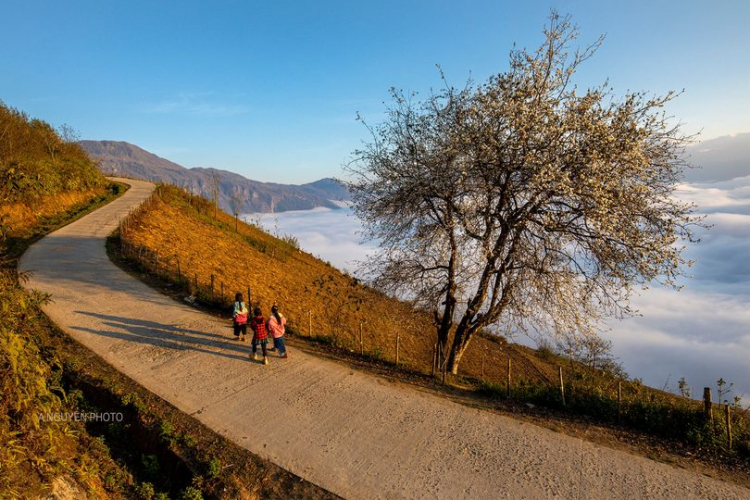
The road to the fairyland (Credit: Thao Nguyen Xanh)
Lao Cai romantically immersed in white clouds and snow in winter
Winter has a sad beauty, but that does not make this place lose its magical charm. The quiet space makes us even more dreamy-like, sleeping with the beautiful scenery and looking at Lao Cai through a different misty fog lens.
Winter covered with ubiquitous and dull clouds may surround us so close on those days that we can easily catch them only by stretching our hands. Besides, they cache each tree branch with such a high density that it is difficult for people to see each other even from a short distance. Hidden behind full of clouds, the earthen houses of the ethnic people create an original mysterious scene in the high mountains.

Y Ty in the snowy season (Credit: Nhu Quynh)
Unlike the current stilt houses of the highland ethnic minorities, the Ha Nhi people have to build typical brick houses right on the ground, with soil walls of 40-45cm thickness and 4-5m height so as to minimize the coldness of winter. Moreover, the short slope roof made of grass helps prevent rain and snow accumulation. These houses from the high looked like some giant mushrooms hidden in the clouds are standing by the mountainside.

The line of trees in the village of Ha Nhi people submerged in snow and ice (Credit: H. Giang)
The colorful diversity attracts the eyes of visitors and photographers who have come there many times, excited to discover this beautiful province by using some kinds of special lenses. Their products have significantly contributed to bringing the brilliant image of residents, striking landscapes, and traditional ethnic customs to many domestic and foreign tourists and international friends./.