Lao Cai Tourism - Orientation for sustainable development
Tourism has been identified as a key economic sector with many opportunities for strong growth in the future of Lao Cai province. In fact, in recent years, this "smokeless industry" has been taking steps in the right direction, sustainably. It serves tourists from everywhere the impression of a Lao Cai that is not only beautiful because of its majestic scenery and nature, but also its rich national cultural traditions, images of a heroic historical land and majestic nature with diverse cultural colors, etc.Lao Cai is a province located at the northern border gateway of Vietnam, with the advantage of being an important hub for economic trade and cultural exchange between Vietnam and China through the Lao Cai - Ha Khau international border gate. The province is a "Bridge" on the economic corridor of Kunming - Lao Cai - Hanoi - Hai Phong - Quang Ninh and ASEAN countries with the large southwestern market of China; it has a mild climate, majestic natural scenery (with Fansipan peak 3,143 m high, known as the roof of Indochina); a convergence of 25 ethnic groups; over 40 folk festivals are held every year; 50 relics and cultural heritages are ranked at national and international levels, creating diverse, rich, unique and attractive cultural colors. Lao Cai is becoming an ideal destination, attracting millions of domestic and international tourists to explore and experience with places that have become familiar, such as: Sa Pa National Tourist Area with a history of formation and development of 120 years; Bac Ha White Plateau; Y Ty Great Forest - Mysterious land, cloud hunting paradise, the world's most attractive terraced field heritage, etc.

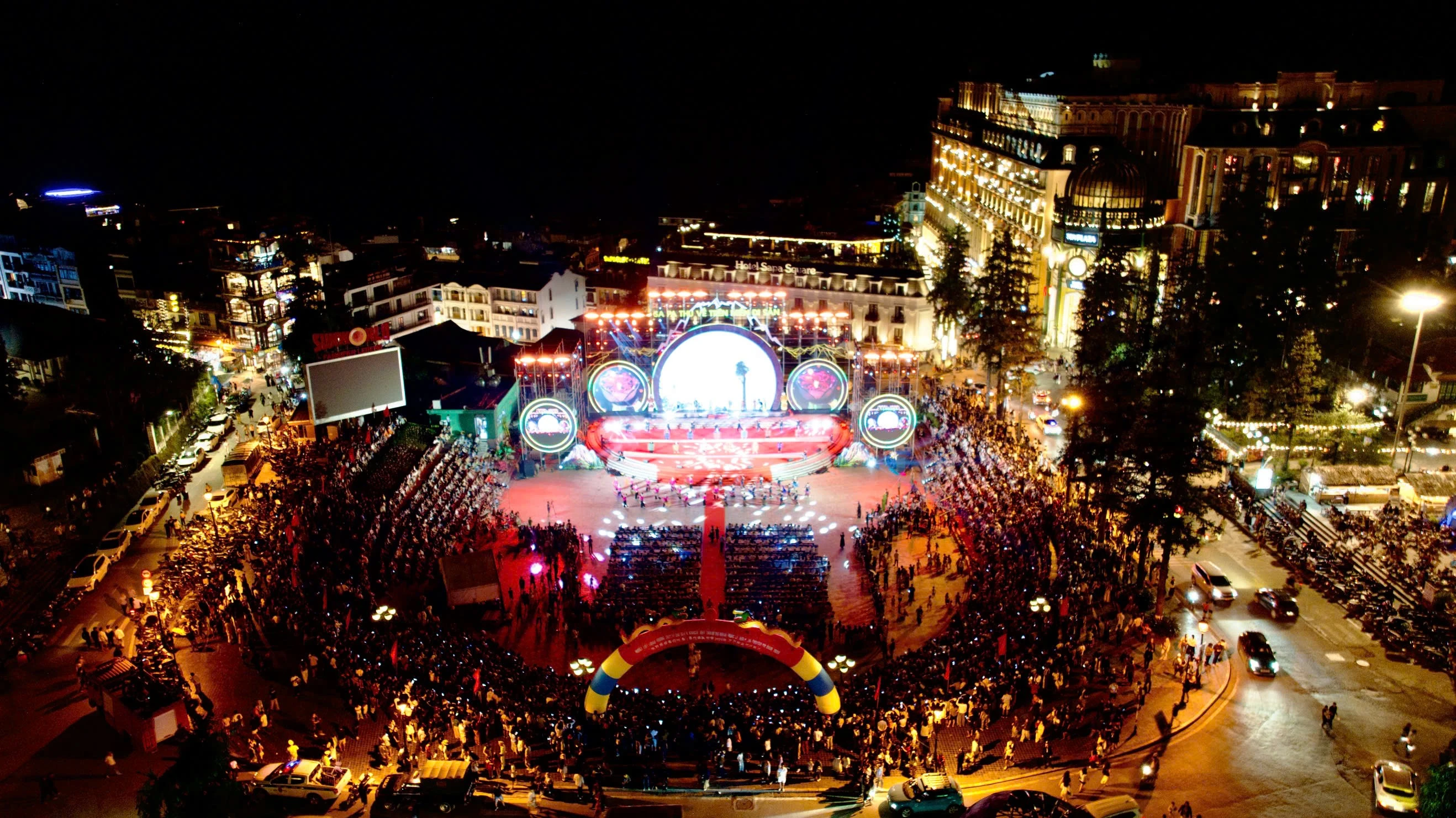
Sa Pa National Tourist Area is expected to attract a large number of tourists during the April 30 and May 1, 2025 holidays.
In the locality, Lao Cai province has 36 tourist areas and spots, including 01 Sa Pa National Tourist Area, 02 provincial tourist areas (Lao Cai City Tourist Area and Bac Ha Tourist Area) and 33 tourist spots (including: Sa Pa Town has 13 spots, Bat Xat has 06 spots, Bac Ha has 04 spots, Bao Yen has 02 spots, Lao Cai city has 04 spots, Muong Khuong has 03 spots, Van Ban has 01 spot).
With its diverse landscapes, unique culture and unique climate, Lao Cai is a destination of interest to domestic and foreign tourists. Many tourist destinations in Lao Cai have been voted with impressive titles such as: Sa Pa - one of the 10 most wonderful trails in the world; Bac Ha Market - one of the 10 most attractive markets in Southeast Asia; Terraced fields in Sa Pa - one of the 7 most beautiful and majestic terraced fields in Asia and the world; Sa Pa - one of the 10 most attractive tourist destinations in Southeast Asia; Sa Pa - one of the 5 most attractive destinations in Vietnam. In terms of promoting the advantages of natural conditions and unique cultural identity, Lao Cai tourism has been making great strides in both quality and quantity. In 2024, the total number of visitors to Lao Cai reached 8 million, including more than 800,000 international visitors, and tourism revenue reached nearly 27 trillion VND.
To encourage Lao Cai developing tourism on the basis of rationally exploiting the values of local tourism resources, promoting competitive advantages and meeting the diverse needs of tourists, the Strategic Framework for Tourism Development in Lao Cai Province to 2030, with a vision to 2050, has set out the orientation, vision and mission of Lao Cai tourism. The framework defines: "By 2050, Lao Cai will become the leading "green" and "smart" natural and adventure sports tourism destination in Vietnam and the region, associated with the traditional cultural identity of ethnic minorities in the mountainous region. Tourists will have different and authentic experiences that exceed expectations with special emotions on each journey".

International tourists are impressed with the traditional handicrafts of ethnic minorities.
To specify the development goals of Lao Cai tourism, the Strategic Framework has proposed 08 component strategies, including the Strategy for developing tourism products and markets and the Strategy for developing Lao Cai tourism according to key tourism development areas. The goal is to orient and organize tourism development in three key tourism development areas in accordance with the characteristics of tourism resources associated with territorial orientations on socio-economic development of the province and the economic corridor of Yunnan - Lao Cai - Hanoi - Hai Phong - Quang Ninh. The framework also directs the territory on preserving and promoting cultural values, geographical and climatic zoning. It is crucial to identify key tourism areas to form clusters of strong tourism development. Moreover, they tend to develop a number of specialized tourism types associated with priority areas:
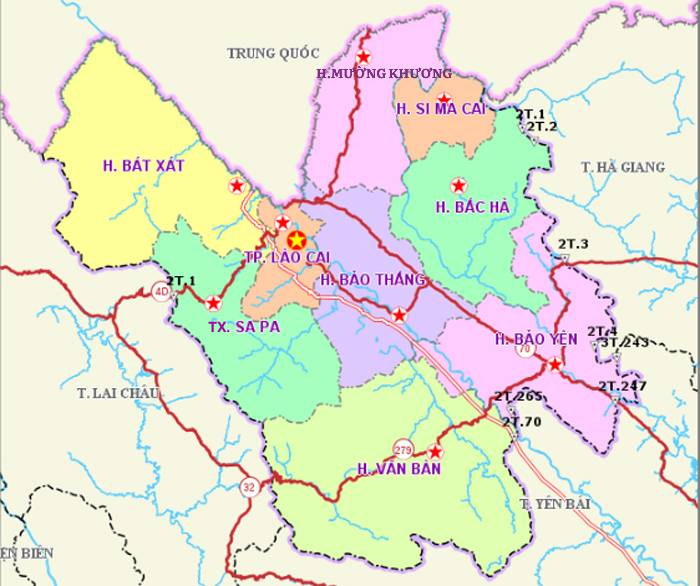
Northwest region: including Lao Cai city and Sa Pa town, Bat Xat district – which associates with the economic corridors of Yunnan - Lao Cai - Hanoi - Hai Phong - Quang Ninh, and the Lao Cai international border gate with China (Regional center: Lao Cai city. This is also the tourist center of Lao Cai province; Key areas include Lao Cai city, Sa Pa town and its vicinity, and Bat Xat town (future Y Ty) and its vicinity; Typical tourism products of the region are resort tourism, nature experience, adventure sports tourism and community tourism with a focus on learning about the cultural identity of ethnic minorities.
Northeast region: including Bac Ha, Muong Khuong and Si Ma Cai districts (The tourism center of the region is Bac Ha town; Key tourist areas are Bac Ha and its vicinity; Typical tourism products of the region are adventure sports tourism, cultural tourism with a focus on highland markets; Main tourism products include community tourism, landscape experience tourism, agricultural tourism).
Southern Delta: includes Bao Yen, Bao Thang and Van Ban districts; The tourism center of the region is Bao Ha town (Bao Yen district); Key tourist areas are Bao Ha and its vicinity; Typical tourism products of the region include spiritual tourism, agricultural tourism; Main tourism products are sports tourism, landscape experience tourism, medical tourism, health care.
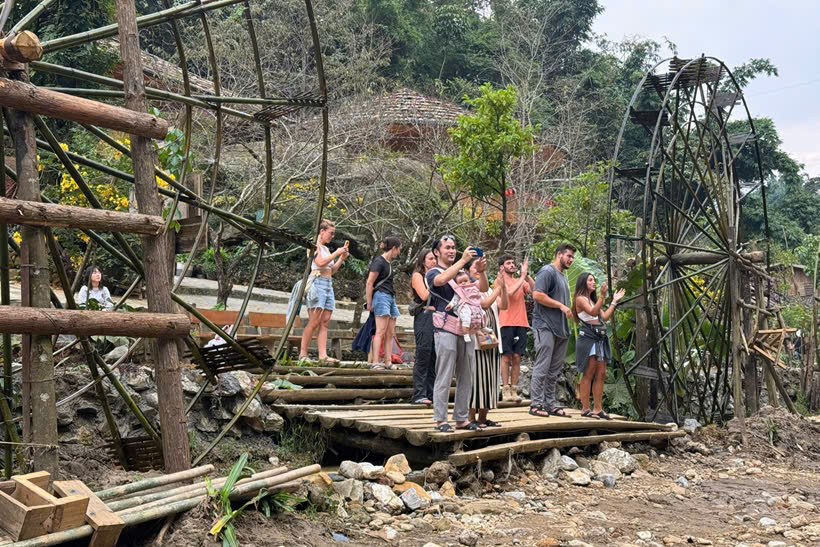
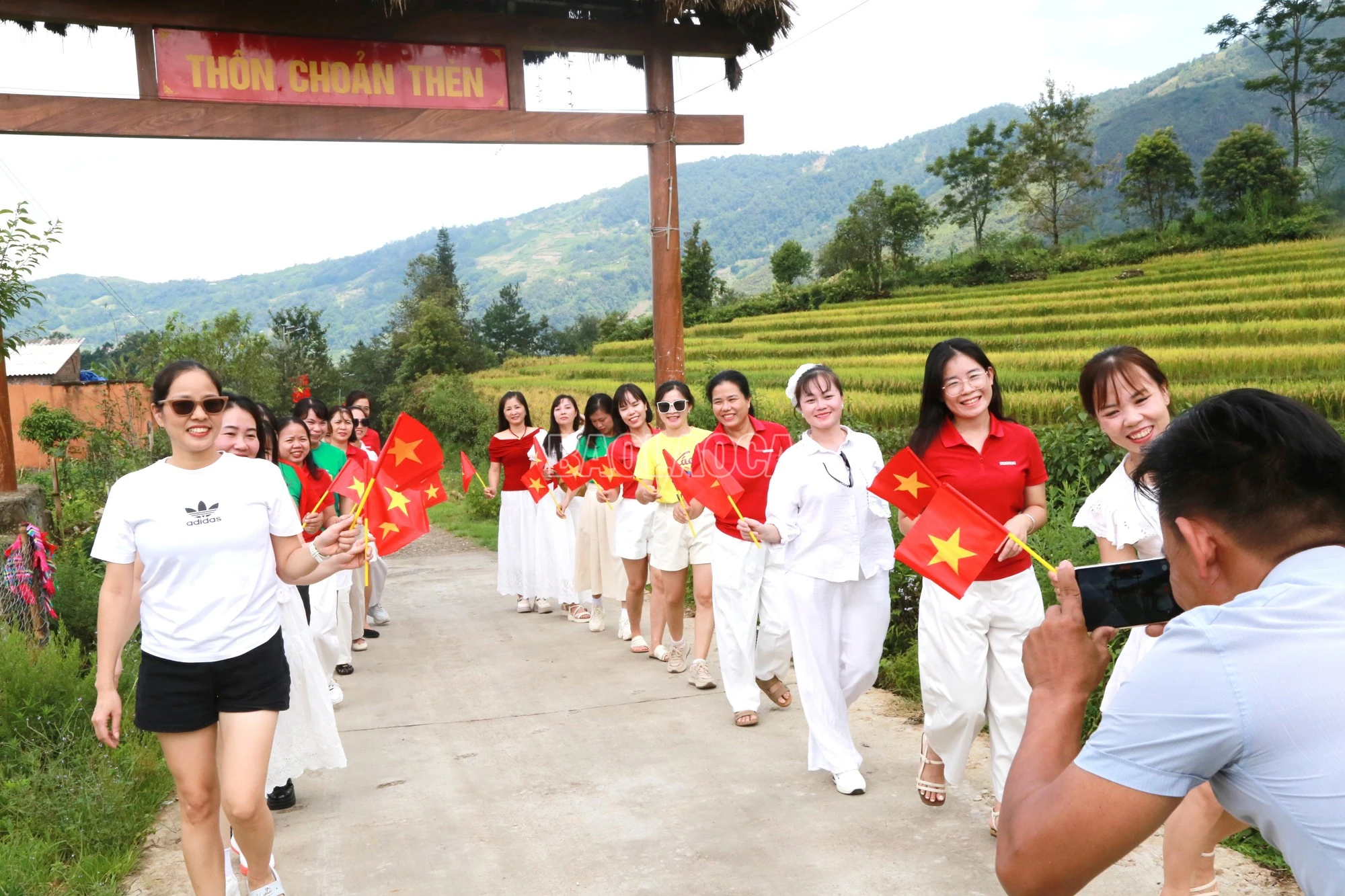
Lao Cai is aware of developing community tourism with a focus on learning about the cultural identity of ethnic minorities.
Lao Cai tourism development strategy according to key tourism development areas also provides orientations for new tourism products; intra-regional, inter-regional and inter-district tourism programs for the three prioritized areas. It can be seen that Lao Cai province has determined to develop comprehensive tourism based on the potential strengths of each locality.
In order to orient tourism development activities on the right track and in accordance with the overall plan, Lao Cai provincial tourism sector has coordinated with localities to continue to complete and form tourism development projects such as the Y Ty tourism development project until 2030, with a vision to 2050; the project "Developing Bac Ha district to become a unique destination of Lao Cai province and the Northwest region in the period of 2023-2030, with a vision to 2050 to become a national tourist area"; etc.
It is highly believed that with the province's efforts, the attention of central ministries and branches, and the support of international organizations, in the coming period, Lao Cai tourism will have impressive and sustainable development, worthy of being a key tourist destination in the northern mountainous region of Vietnam./.