A space filled with reflection on humanity.
In May, people from all over flock to the Ho Chi Minh Memorial Area in Nghia Lo ward to offer incense and pay respects to President Ho Chi Minh. This memorial site is also a "red address" for educating about revolutionary traditions and preserving the sacred feelings of people of all ethnic groups for their beloved President Ho Chi Minh.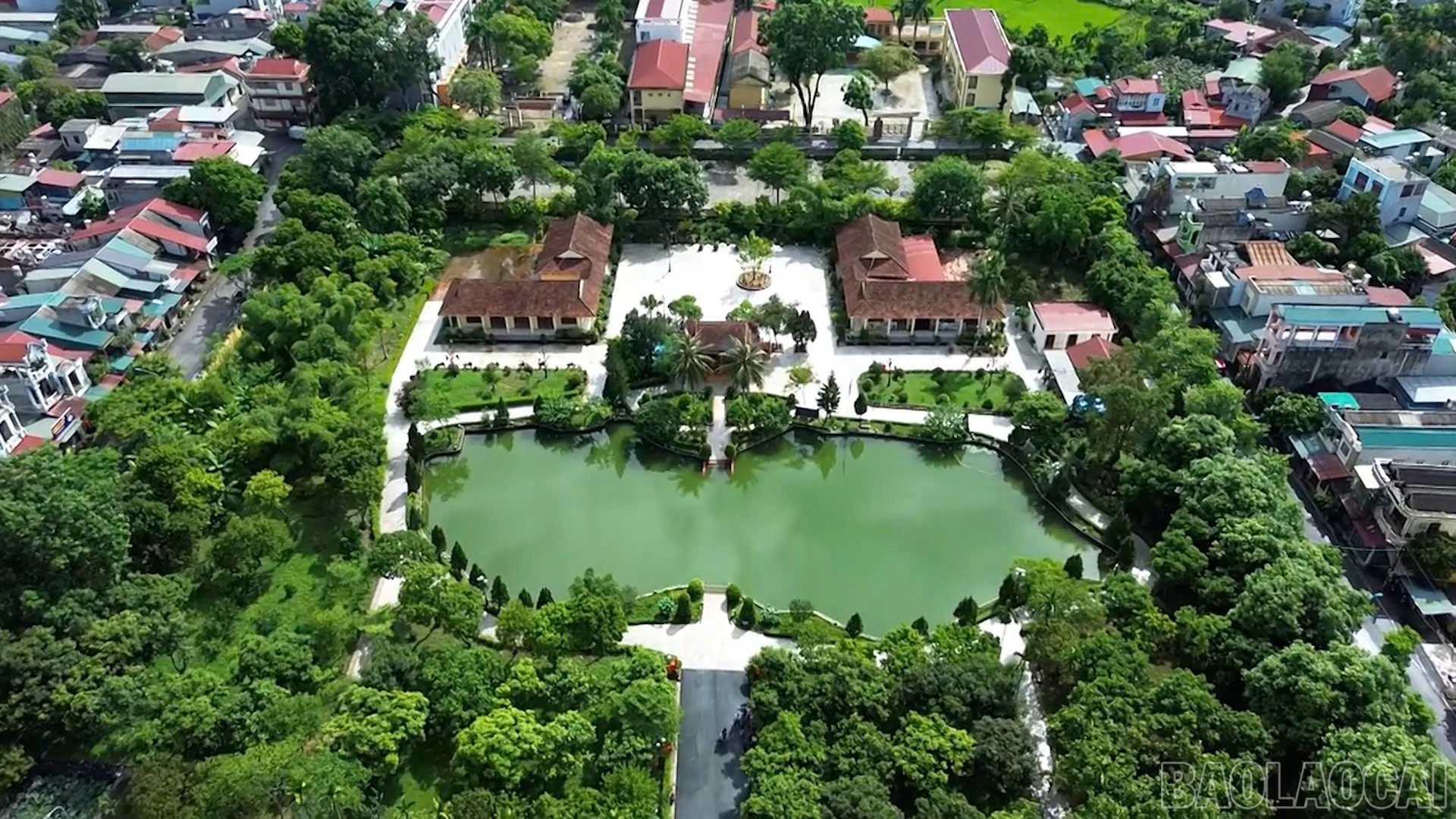
The Ho Chi Minh Memorial Area in Nghia Lo Ward.
The memorial site is the 13th branch in the system of Ho Chi Minh Museums and memorial sites dedicated to President Ho Chi Minh nationwide. The structure is modeled after the stilt house where President Ho Chi Minh lived and worked in Hanoi, and comprises three main elements: the stilt house, President Ho Chi Minh's fish pond, and an orchard. The memorial site is open daily to serve the public and tourists who come to offer incense, visit, and learn about President Ho Chi Minh.
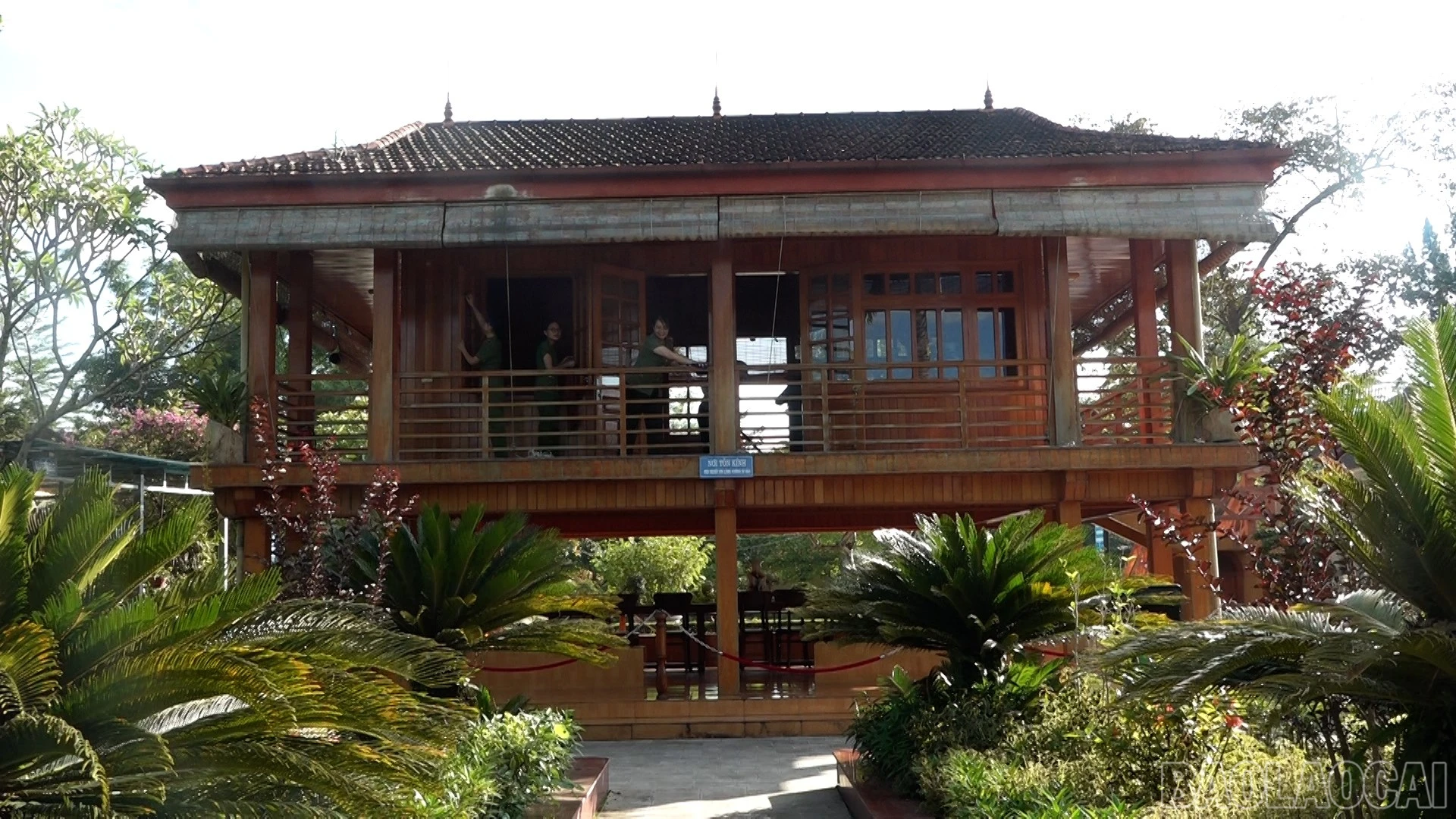
The house is a replica of President Ho Chi Minh's stilt house in Hanoi.
The first highlight of the memorial complex is President Ho Chi Minh's fish pond located in front of the stilt house. The pond was built in the shape of a map of Nghia Lo town before its merger. The clear blue water and the fish swimming freely create a peaceful atmosphere, reminiscent of the familiar fish pond in the Presidential Palace area in Hanoi.
According to officials in charge of the historical site, the fish pond was inaugurated two years after the stilt house was completed. Coinciding with the 95th anniversary of President Ho Chi Minh's birth, the pond was put into use and stocked with fish. Notably, on the occasion of the 124th anniversary of President Ho Chi Minh's birth, Ms. Tong Thi Phong (former Standing Vice Chairwoman of the 14th National Assembly) donated 124 goldfish to the memorial site during a working visit to Nghia Lo, to be released into the pond.
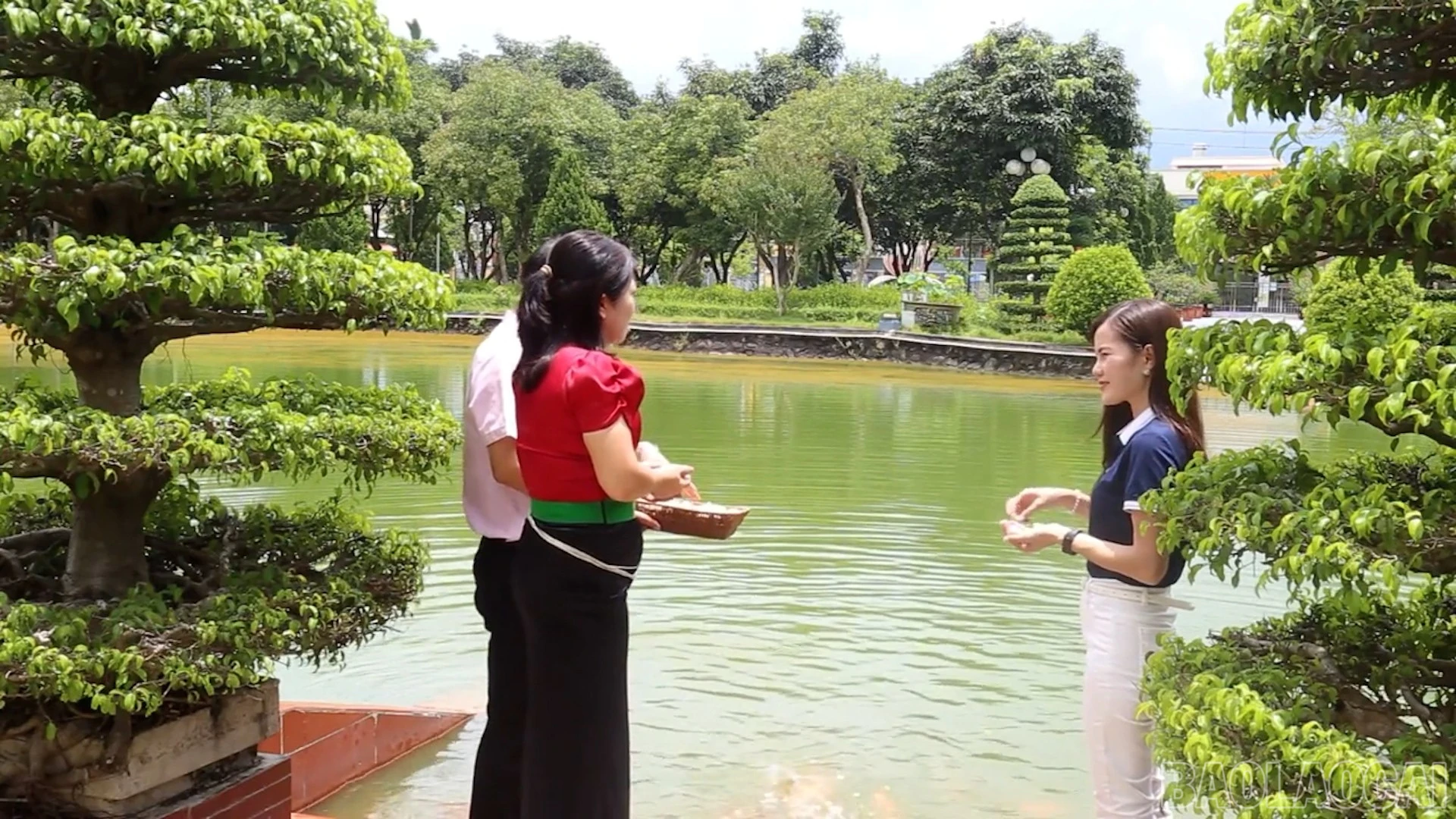
Uncle Ho's fish pond.
In that tranquil setting, schools of fish splashing in the water as they are fed make the place more vibrant and inviting to visitors. Many visitors spend a long time standing by the fish pond, feeling the peace and simplicity, things always associated with the image of President Ho Chi Minh.
Above the fish pond stands the stilt house – the central structure of the entire memorial complex. The stilt house is built of wood, with a rustic architecture that harmonizes with nature. The main hall houses an altar and a statue of President Ho Chi Minh, where people come to offer incense, report achievements, and express their reverence.
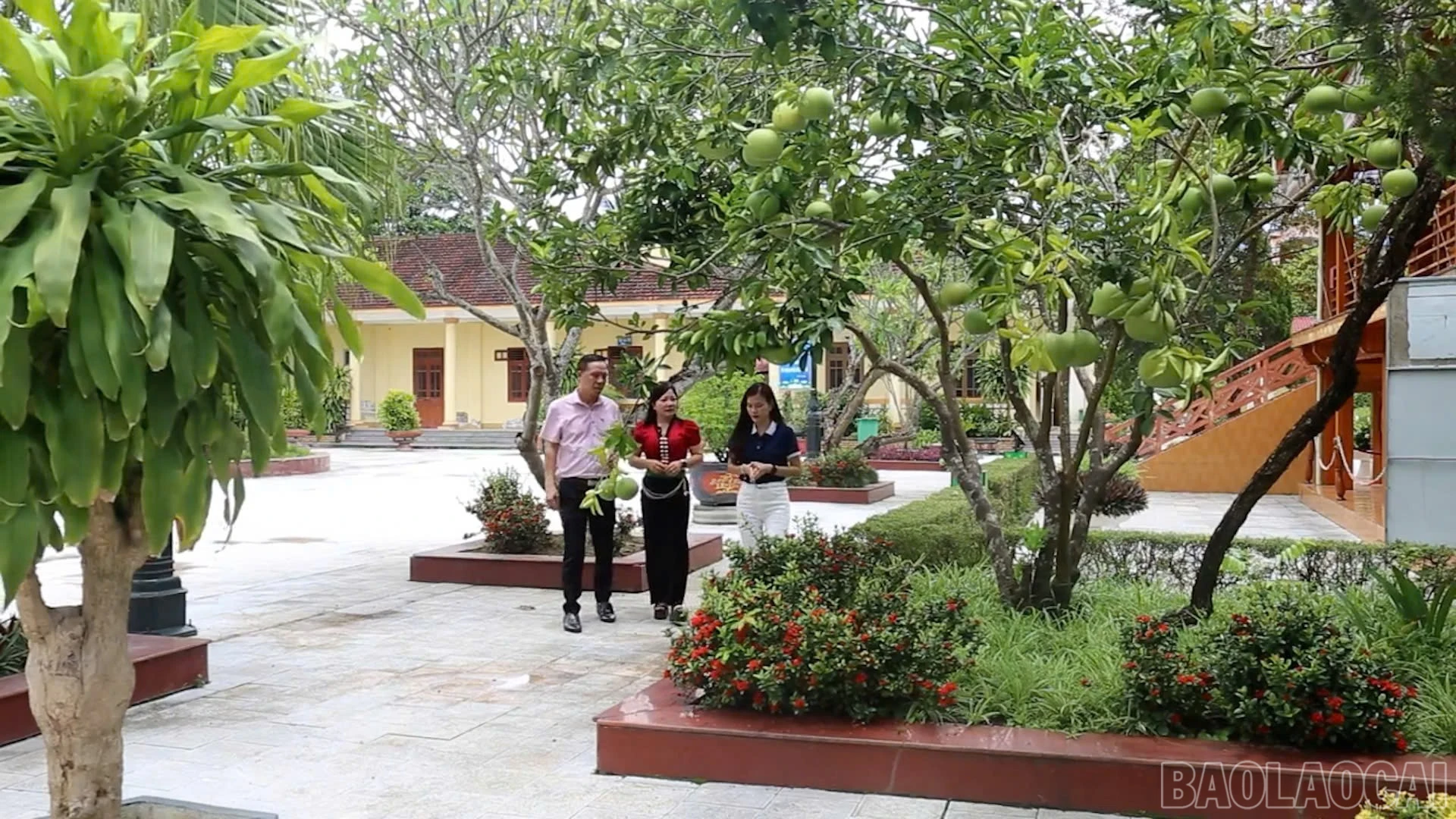
Uncle Ho's garden.
During May-the month of President Ho Chi Minh's birthday—or August and September, groups of students, officials, Party members, and tourists ascend the wooden steps, solemnly offering incense before his sacred spirit. For many, this is not just a sightseeing trip, but also an opportunity to remember the immense values that President Ho Chi Minh dedicated to the nation.
After offering incense at the stilt house, visitors can continue their tour by visiting the archives and artifacts related to President Ho Chi Minh. The exhibition space houses many valuable images, books, and artifacts related to his life and revolutionary career. Currently, the memorial site is preserving artifacts of President Ho Chi Minh, such as clothing and documents, donated by the Central Ho Chi Minh Museum to be displayed and introduced to the people and tourists.
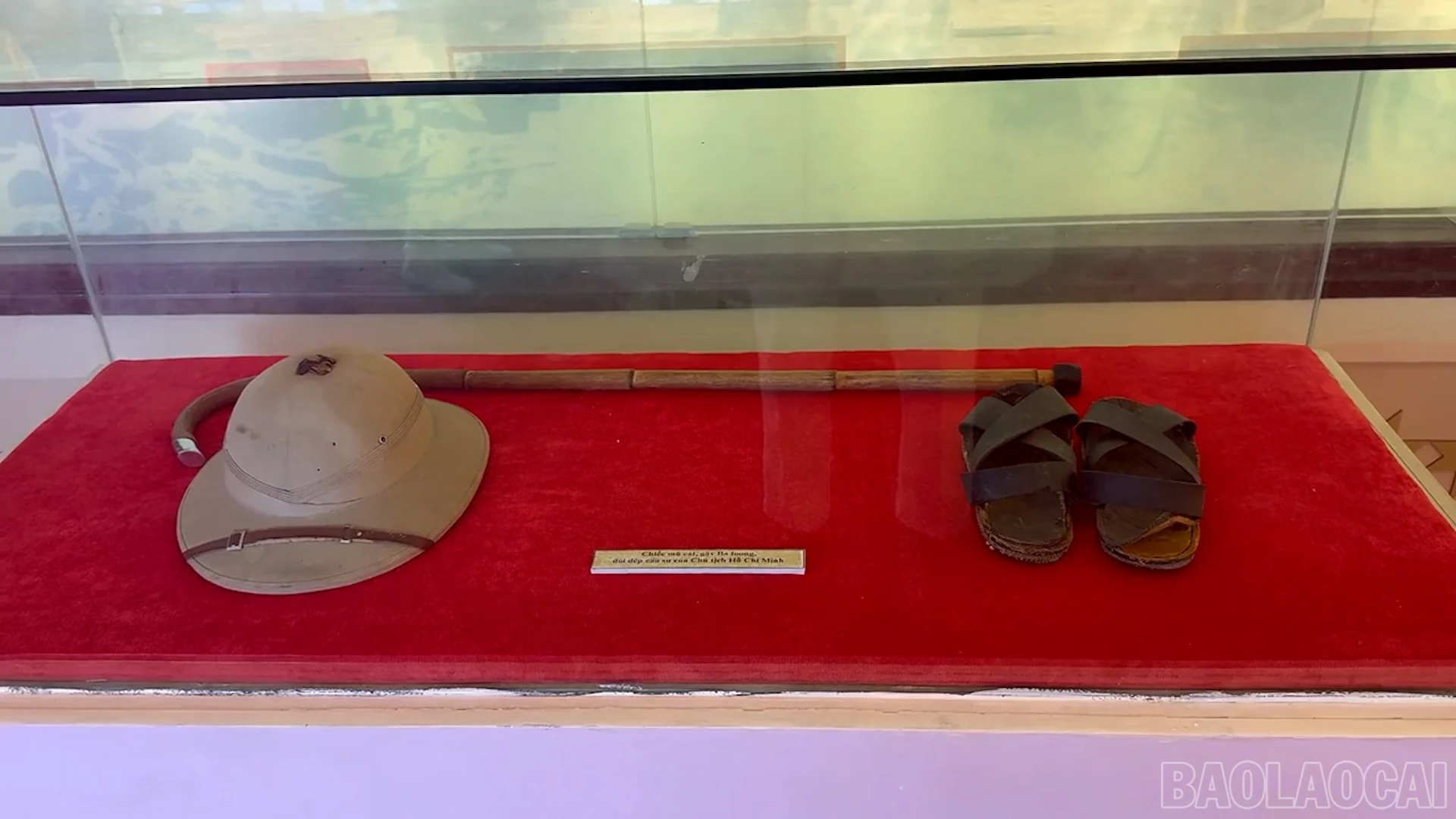
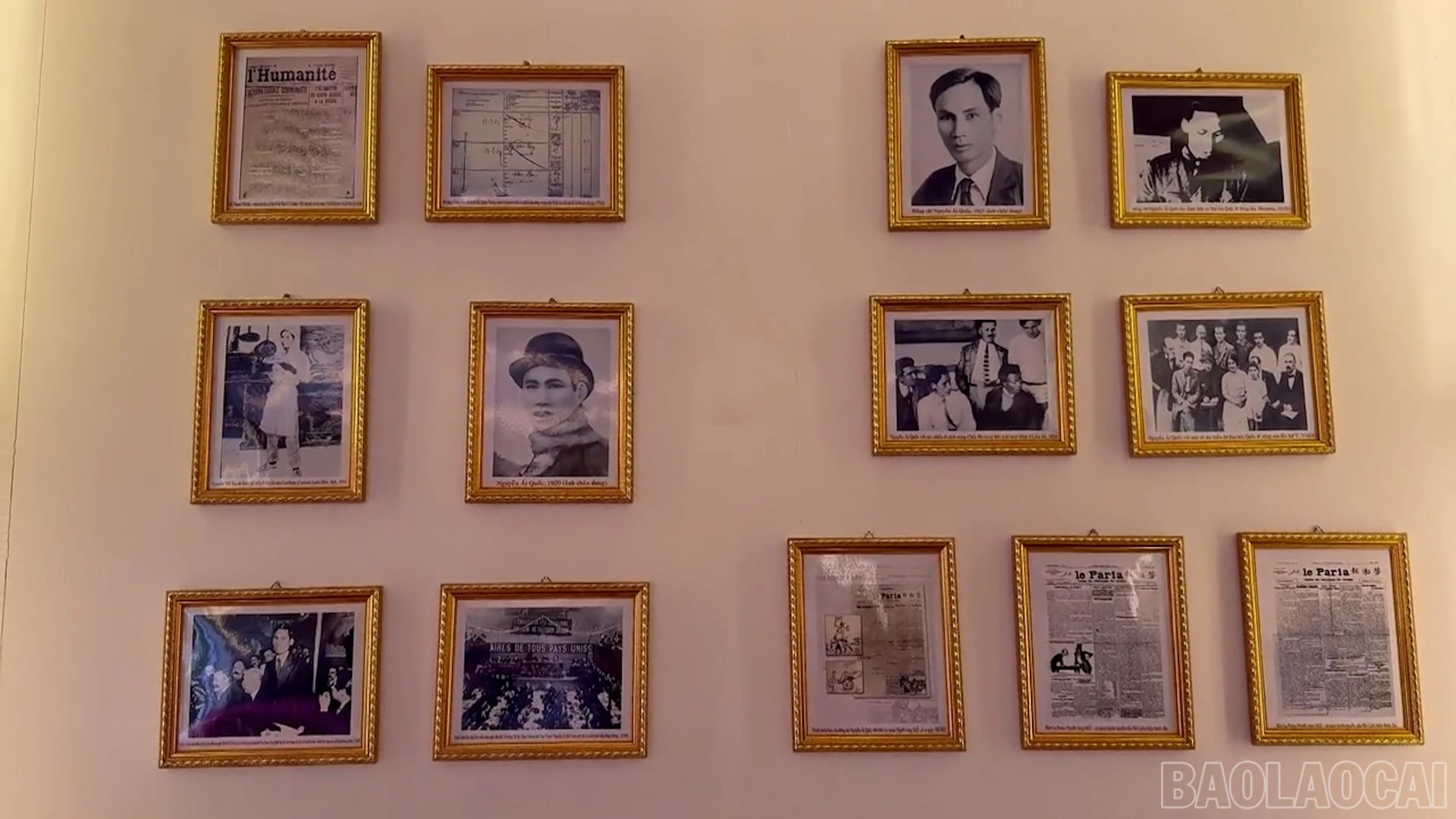
Valuable images and documents about him are on display.
The books, photographs, and simple artifacts, arranged respectfully in the exhibition space, have helped many generations understand more about the pure and simple life of the beloved leader. Many students were moved when they came here, seeing for the first time the mementos associated with Uncle Ho.
Ha Lan Chi, a student in class 6B at Tram Tau Primary and Secondary School, shared: "I feel this is a very sacred place and a place for us to remember Uncle Ho. I learned from Uncle Ho a deep love for the country and will take him as an example to follow."
Besides the stilt house and the exhibition area, the memorial site is also surrounded by lush fruit orchards that remain green all year round. Rows of pomelo, mango, longan, starfruit, and bauhinia trees are carefully tended, many of them planted as commemorative gifts by leaders and delegations visiting the site.
Amidst this setting, the sound of birdsong, the scent of fruits and trees, and the green of the Northwest mountains and forests make the memorial a peaceful stop for everyone who visits. Even after many visits, many tourists still feel a sense of familiarity and closeness, as if returning to the simplest values.
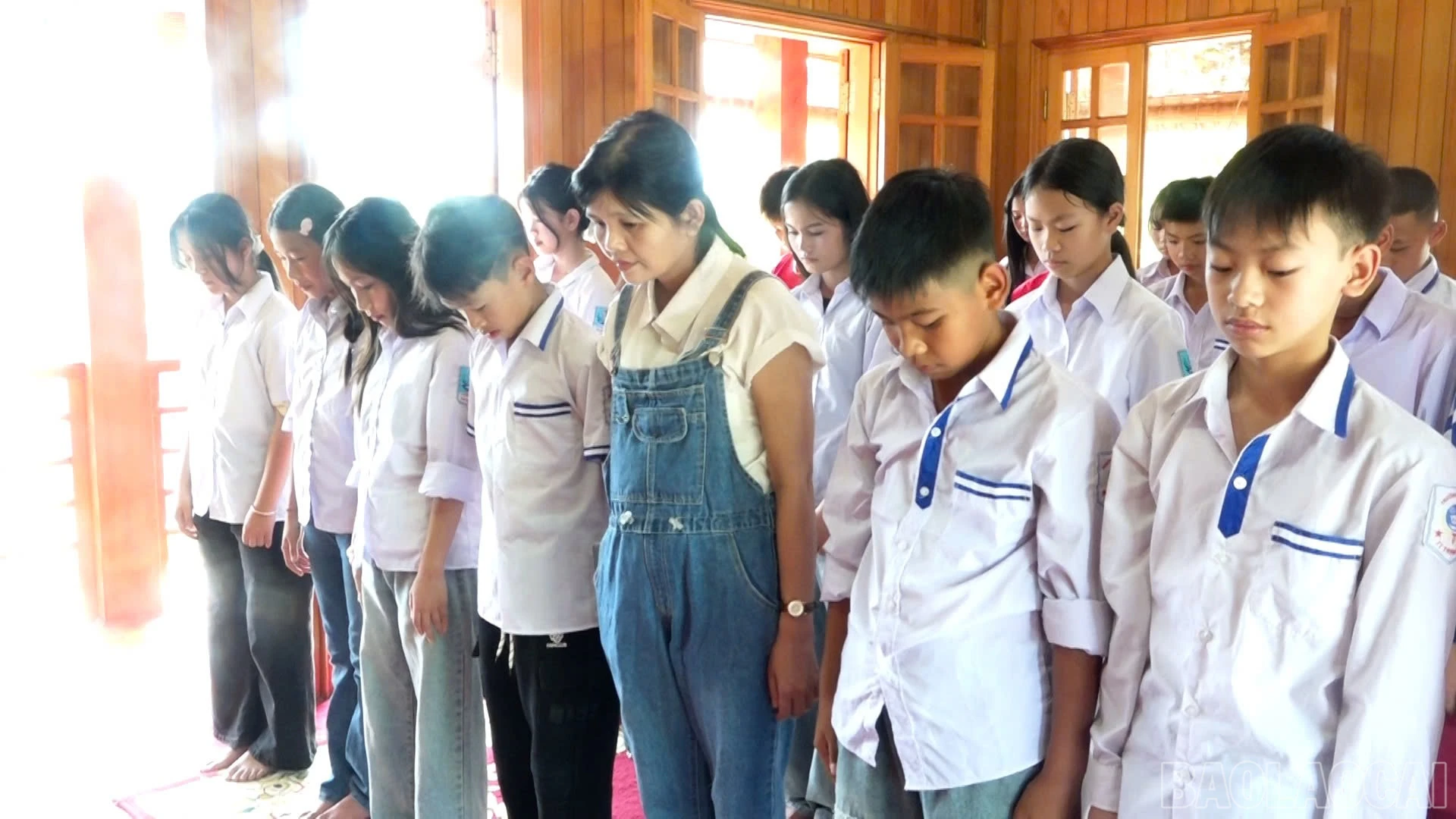
The students paid their respects to Uncle Ho.
Ms. Nguyen Thi Lan Anh from Yen Bai ward shared: "When visiting the Ho Chi Minh Memorial Area in Nghia Lo, I felt a very peaceful and sacred atmosphere. Offering incense to commemorate Uncle Ho, visiting the stilt house, the fish pond, and listening to the introduction about the artifacts associated with his life made me even more moved and proud. I understand more about the simple example, the self-sacrifice, and the patriotism of Uncle Ho."
To preserve this space, the staff at the memorial site, along with many agencies and units, quietly care for and maintain each item every day. From cleaning the landscape and tending to the trees to welcoming visiting delegations, everything is done meticulously and wholeheartedly.
Mr. Nguyen Viet Chung, Director of the General Service Center of Nghia Lo Ward, said: "Since its inauguration and operation, the Ho Chi Minh Memorial Area has done a good job of disseminating information and educating the younger generation about the life, career, and achievements of President Ho Chi Minh. Through specific activities and everyday stories, it contributes to spreading patriotism, unity, and preserving national cultural values."
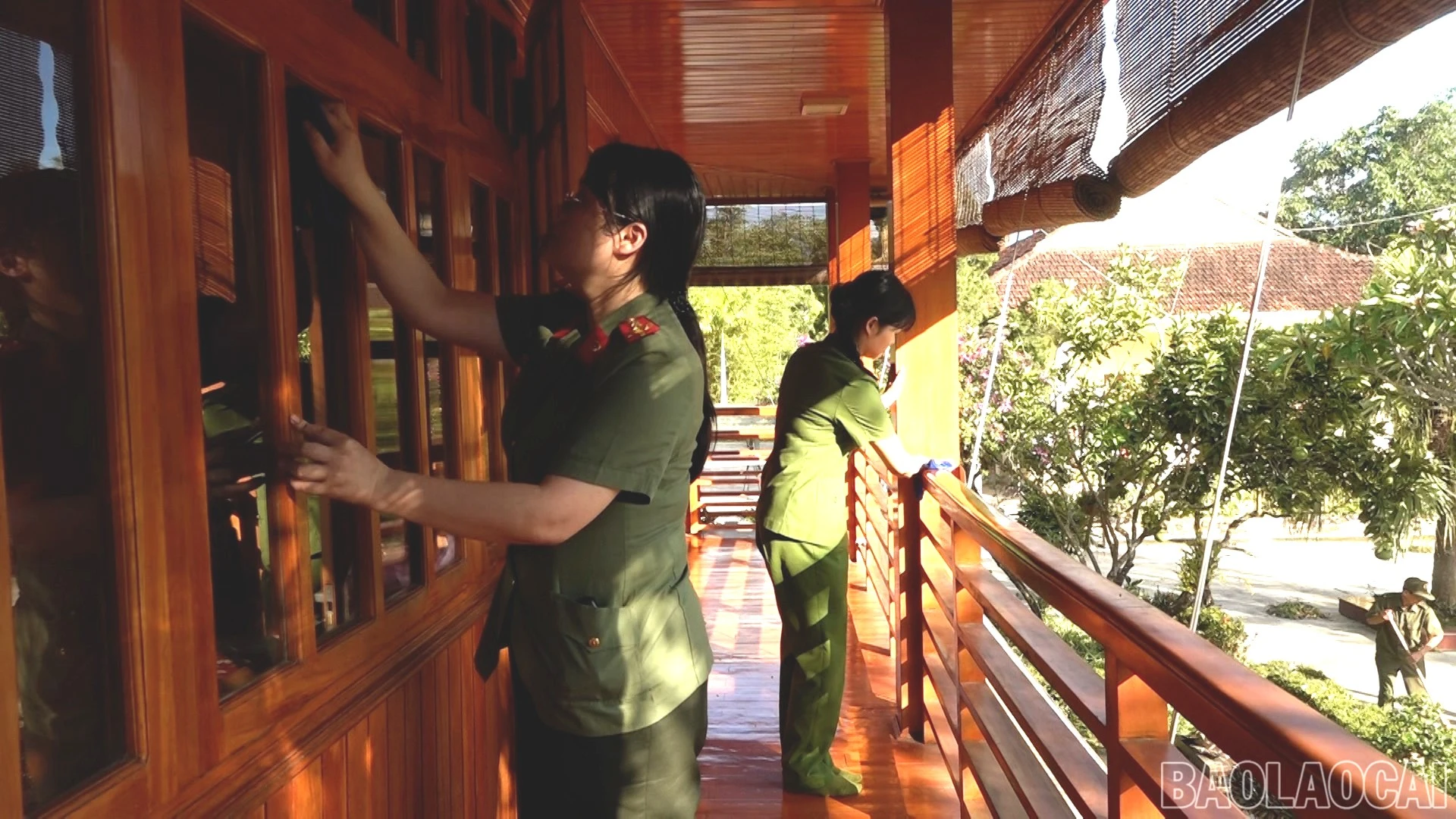
The space is swept clean.
Every year, the memorial site welcomes thousands of locals and tourists who come to visit and offer incense. It also regularly hosts activities such as reporting achievements to President Ho Chi Minh, educating about traditions, and expressing gratitude, becoming a significant political and cultural hub for the locality.
The Ho Chi Minh Memorial Area in Nghia Lo quietly preserves the sacred images, memories, and sentiments of President Ho Chi Minh. Each incense stick offered to him expresses profound gratitude and serves as a reminder to every cadre, Party member, and citizen to continue studying and following Ho Chi Minh's ideology, ethics, and style, contributing to building a more prosperous, beautiful, and civilized homeland.
https://baolaocai.vn/lang-dong-khong-gian-ve-nguoi-post899810.html