Ta Van, Lao Chai - A well-known tourist destination in Sa Pa.
Sa Pa has been focusing on developing community tourism due to its beautiful natural landscape and rich cultural identities of ethnic groups. Lao Chai and Ta Van, for example, are two community tourism destinations that attract tourists with their peaceful and rustic beauty, but also with the ethnic people who live there.
Peaceful Ta Van
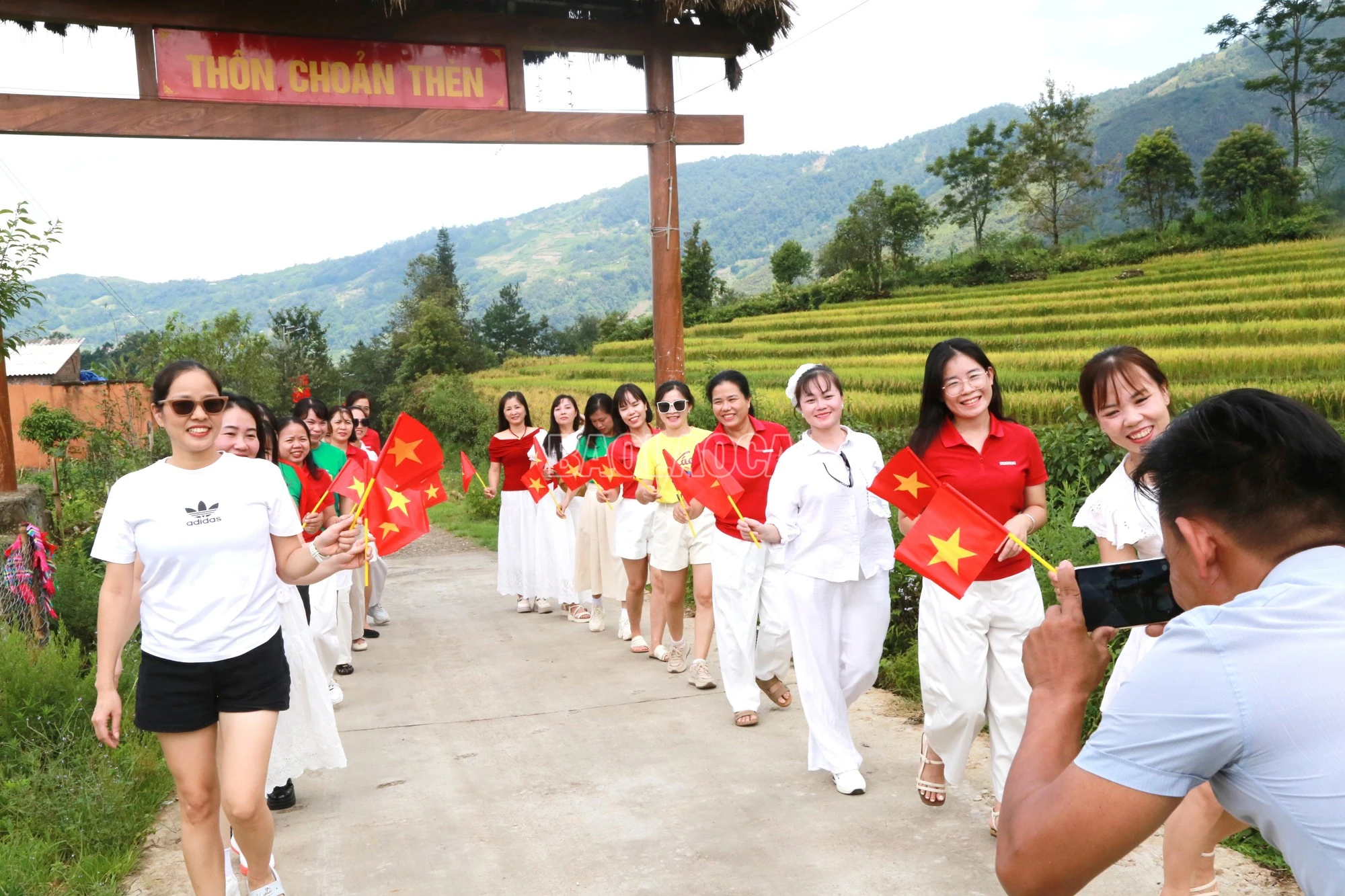
Lao Chai and Ta Van are about 10 kilometers from Sapa town center, at the foot of the Hoang Lien Son mountain range and in the beautiful Muong Hoa valley. Lao Chai and Ta Van entice visitors from the first natural scenes encountered on the way to the village. Terraced fields cover vast swaths of the hillsides, high mountains, small village roads, and peaceful and poetic trees and flowers. Visitors can also learn about the cultural aspects of the Mong, Dao, Tay, Giay, and other ethnic groups.
Lao Chai and Ta Van are stunning in any season. When spring arrives, this place is filled with yellow canola flowers, pure white plum blossoms, pink cherry blossoms, and green young buds. Terraced fields in Lao Chai and Ta Van are most beautiful during the wet season and rice ripening season. The ethnic people sow rice seeds during the water season, which lasts from April to June. The brown of earth, the gleaming color of water and sunlight, the green of young seedlings... all combine to create an unforgettable beauty. From September to October, the sky and earth are sunk in the golden color of autumn, and the valley and village are flooded with the golden color of ripe rice, creating a picturesque scene.

Indigenous people do homestay tourism
When Sa Pa tourism developed in recent years, the people of Lao Chai and Ta Van began to work in tourism to escape poverty, notably as a model of community tourism (homestay) to promote the strengths of the locality and meet the needs of tourists who are increasingly interested in learning about indigenous people's culture and lifestyle.
For an extended period of time, tourists can stay in a homestay to experience the "3 together" lifestyle: eat together, stay together, work together with neighborhood, and experience local life and culture. Visitors can live on stilts or in small wooden houses, poetic cottages nestled behind bamboo bushes or by small streams, immersing themselves in a green, fresh, peaceful, and rustic environment. Visitors can also sample traditional local dishes such as hill chicken, spring fish, mountainous pig, leaf cakes, colored sticky rice, products from the mountains, or self-farming, and learn about the ethnic minorities who live here.

Model of homestay in Ta Van with green space, blending with nature
Mr. Anh Duc, the Giay ethnic group - one of the good business households in Sa Pa town - The owner of Anh Duc Homestay in Ta Van said: To attract and retain tourists, his family always strive to improve service quality by performing specific tasks such as housekeeping; ensure food safety; emphasize ethnic dishes made with locally available ingredients cultivated by people; and introduce visitors to the unique cultural features of the people here as well as the friendly and hospitable service attitude. The homestay model has provided locals with employment and income.
The peaceful and rustic natural beauty, unique traditional culture, rich cuisine, and friendly people are the typical highlights that draw visitors back to Lao Chai, Ta Van. Especially for visitors interested in experiencing a unique form of community-based tourism.