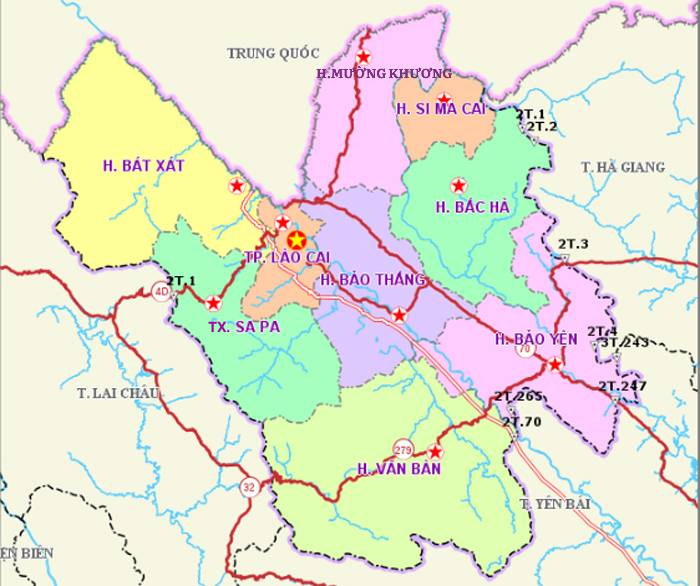
Muong culture in the heart of Muong Lo
With the largest concentration in Bản Lụ, Cầu Thia ward (the picturesque Muong Lò region) with nearly 1,000 people, the traditional cultural life of the Muong people is not only preserved but also becomes a special highlight in the multi-ethnic landscape of this region.
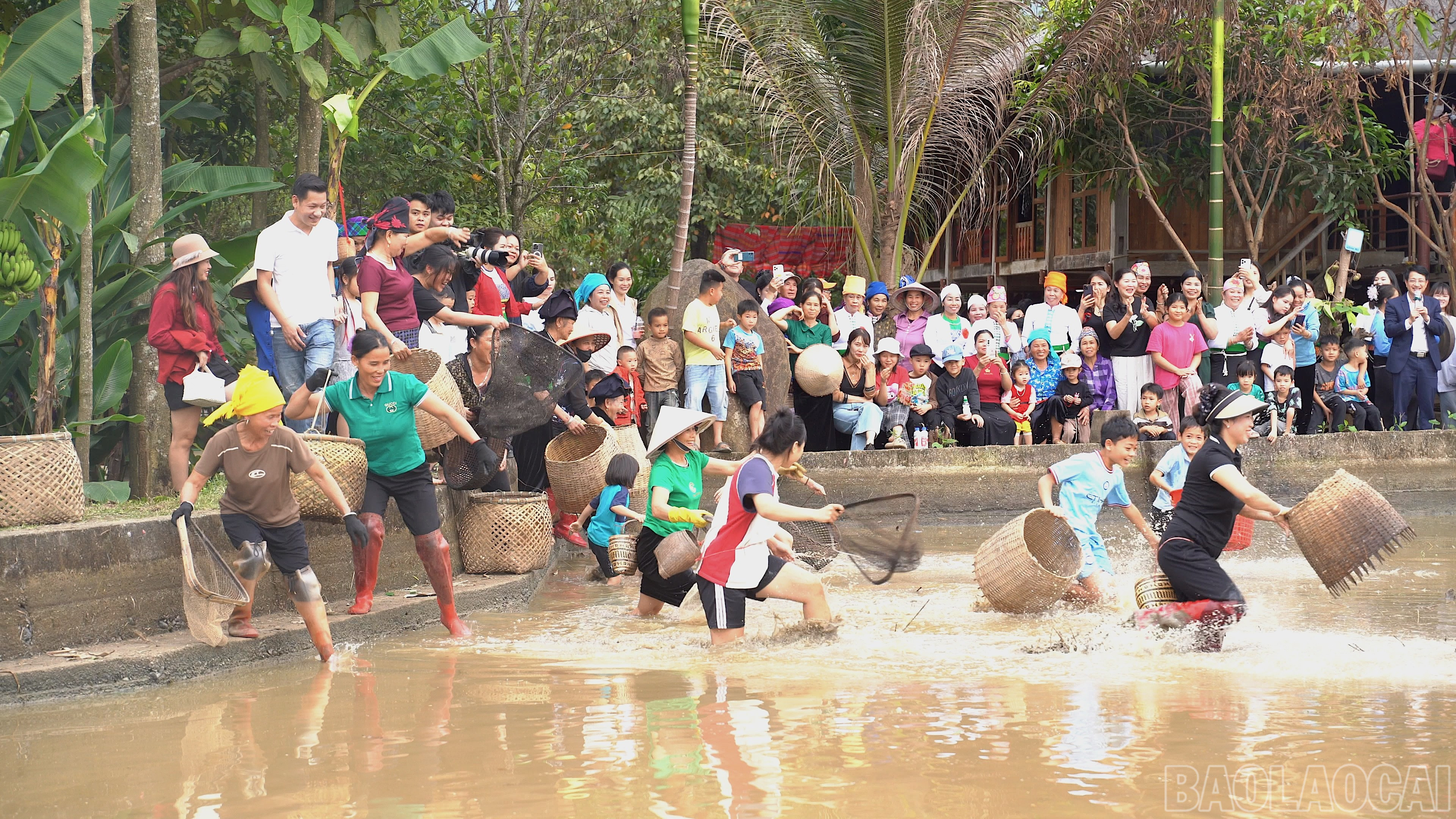
After the rice fields have been harvested and the water drained, revealing fish in the soft mud, the joyful laughter of the fishermen echoes across the fields. (In the photo: Muong people reenacting the custom of catching fish in the rice fields - an important food source after each rice harvest. This is not only a livelihood but also a community activity that strengthens family and village bonds).
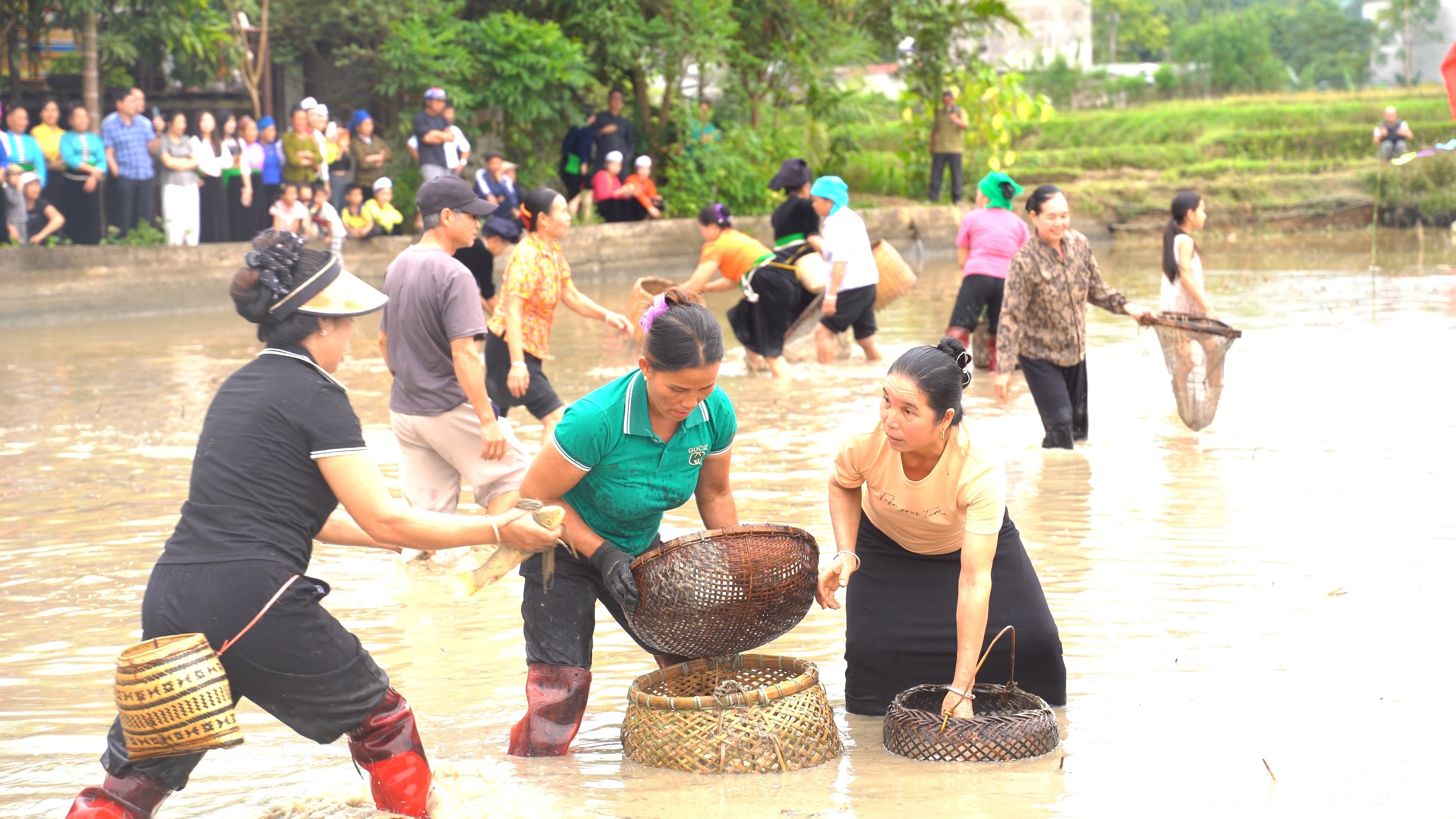
Small but firm-fleshed rice field fish are the main ingredient in many traditional Muong dishes. The radiant smiles of the people reflect a simple joy: harvesting from the very rice fields they cultivate.
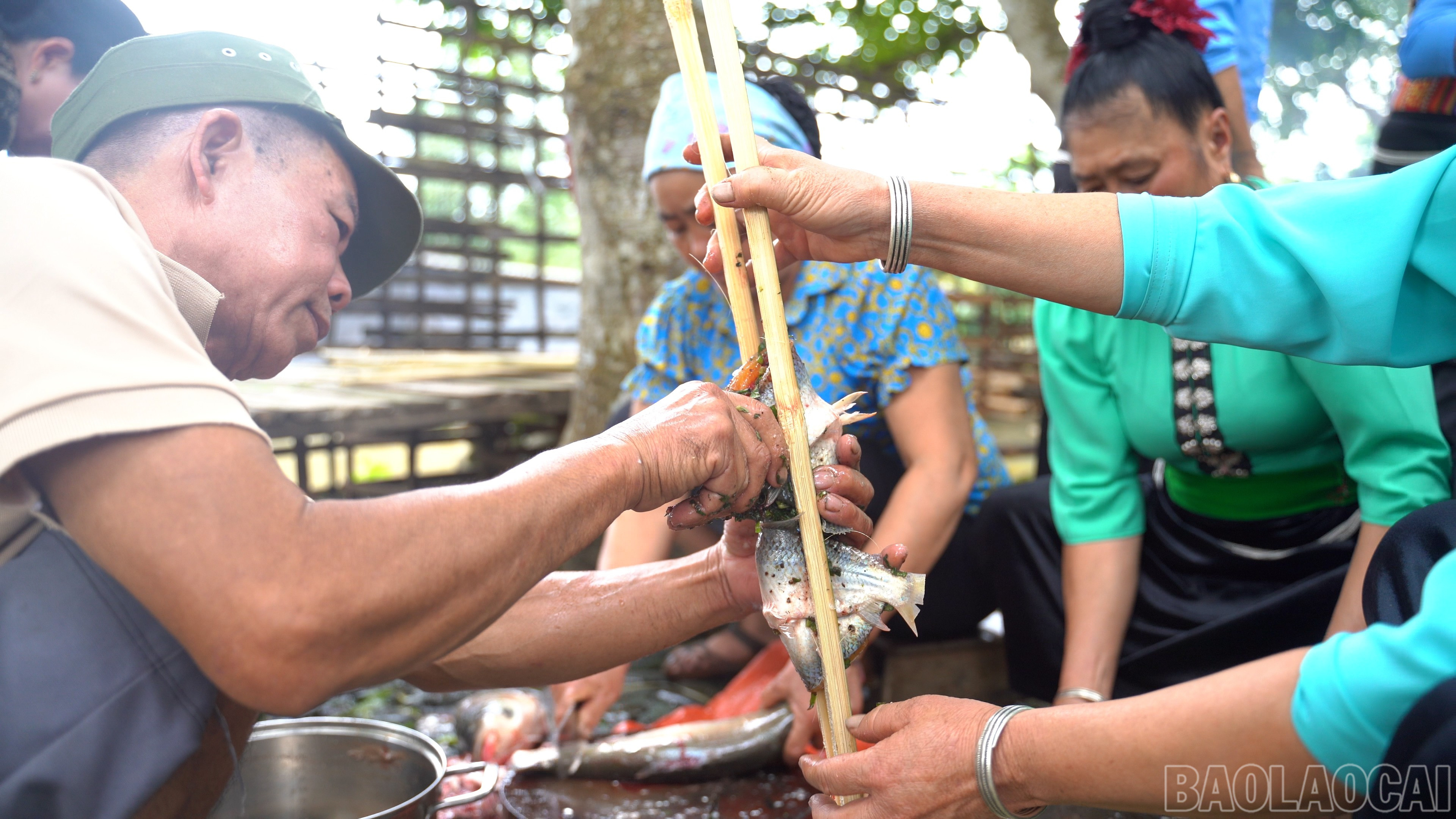
On the veranda of the stilt house, Muong men and women skillfully clean each fish.
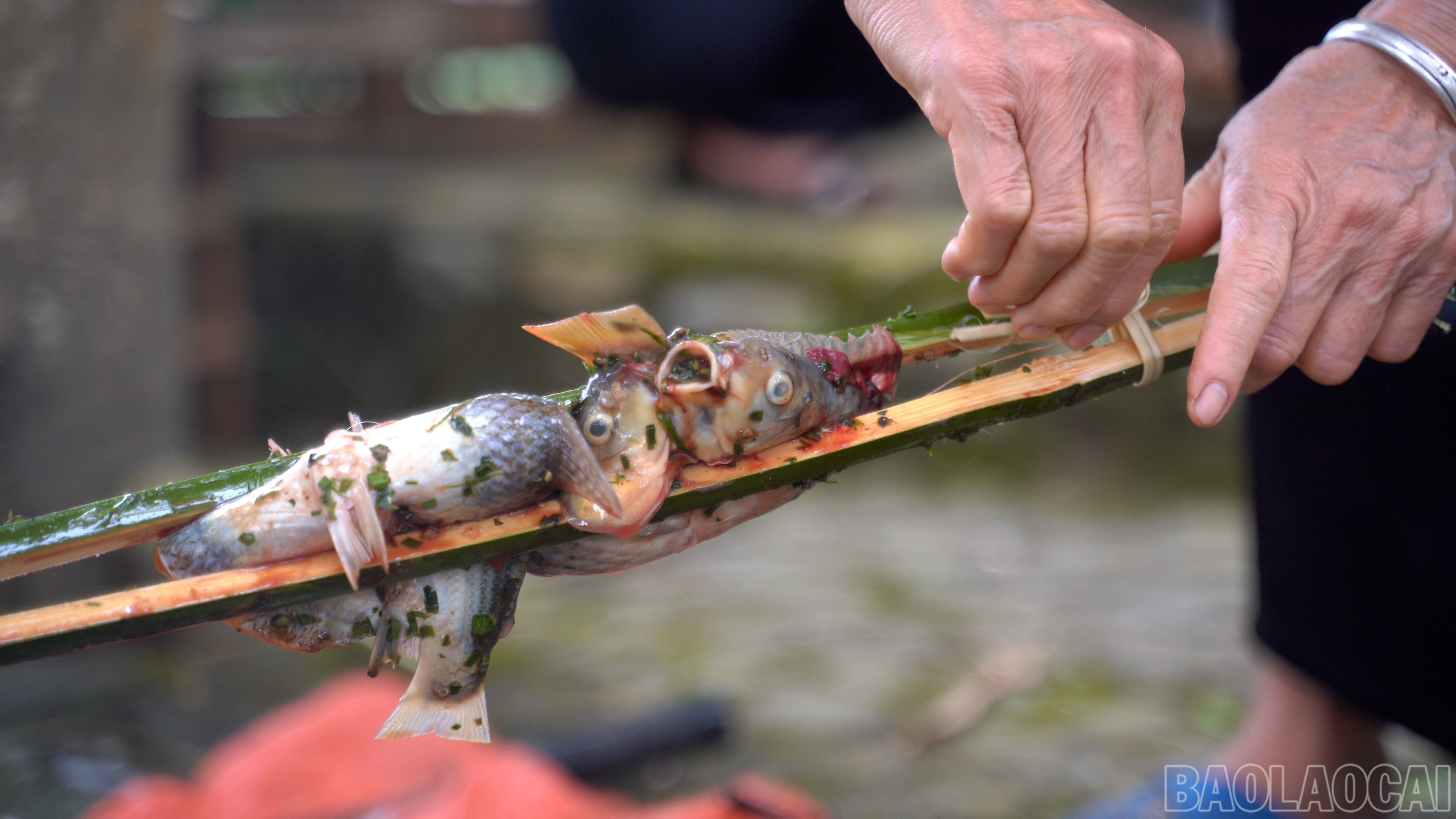
Thinly sharpened bamboo sticks are used to clamp the fish's body, maintaining its shape during grilling. The skill is evident in each practiced movement, a technique passed down through generations of Muong women.
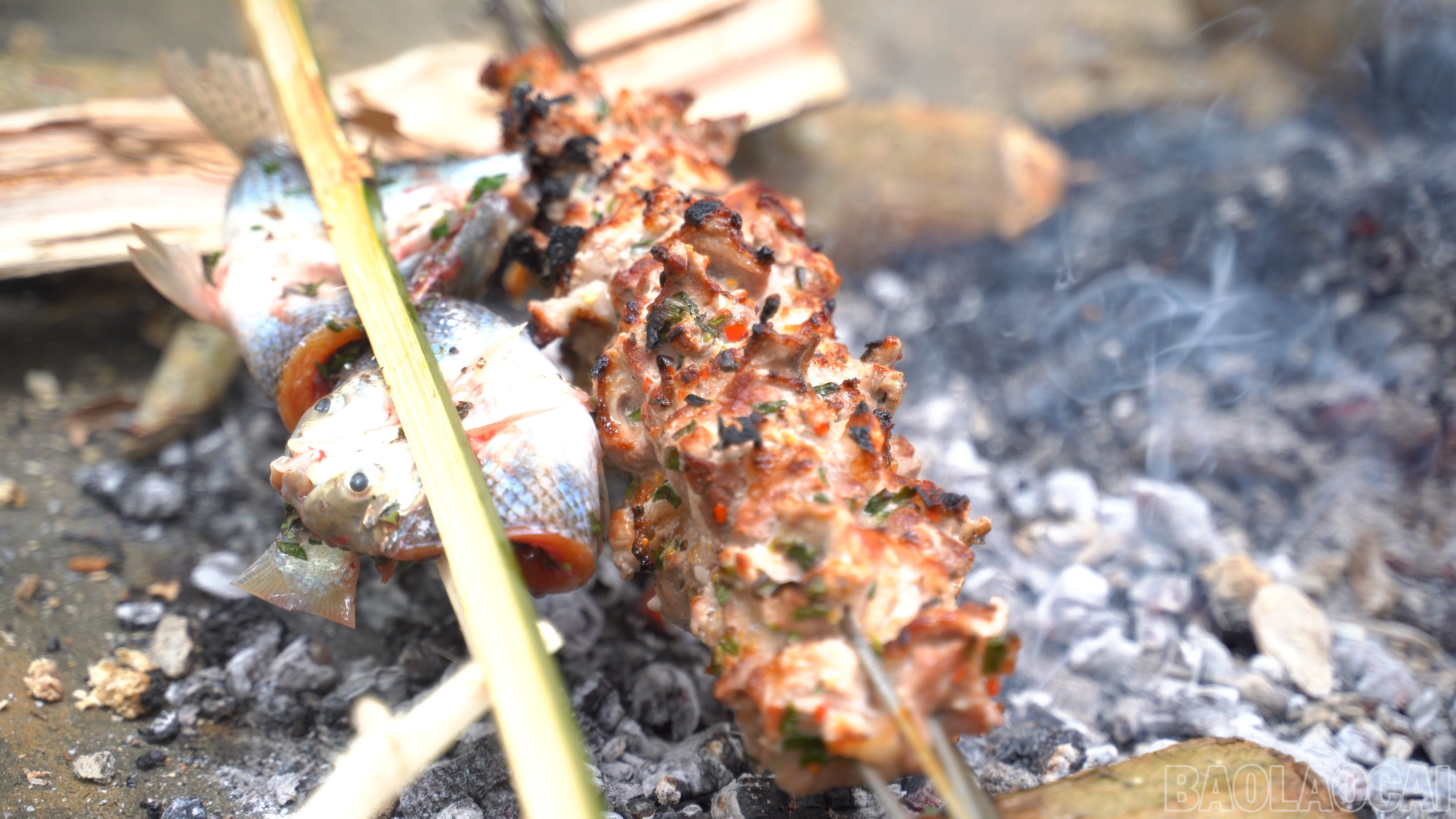
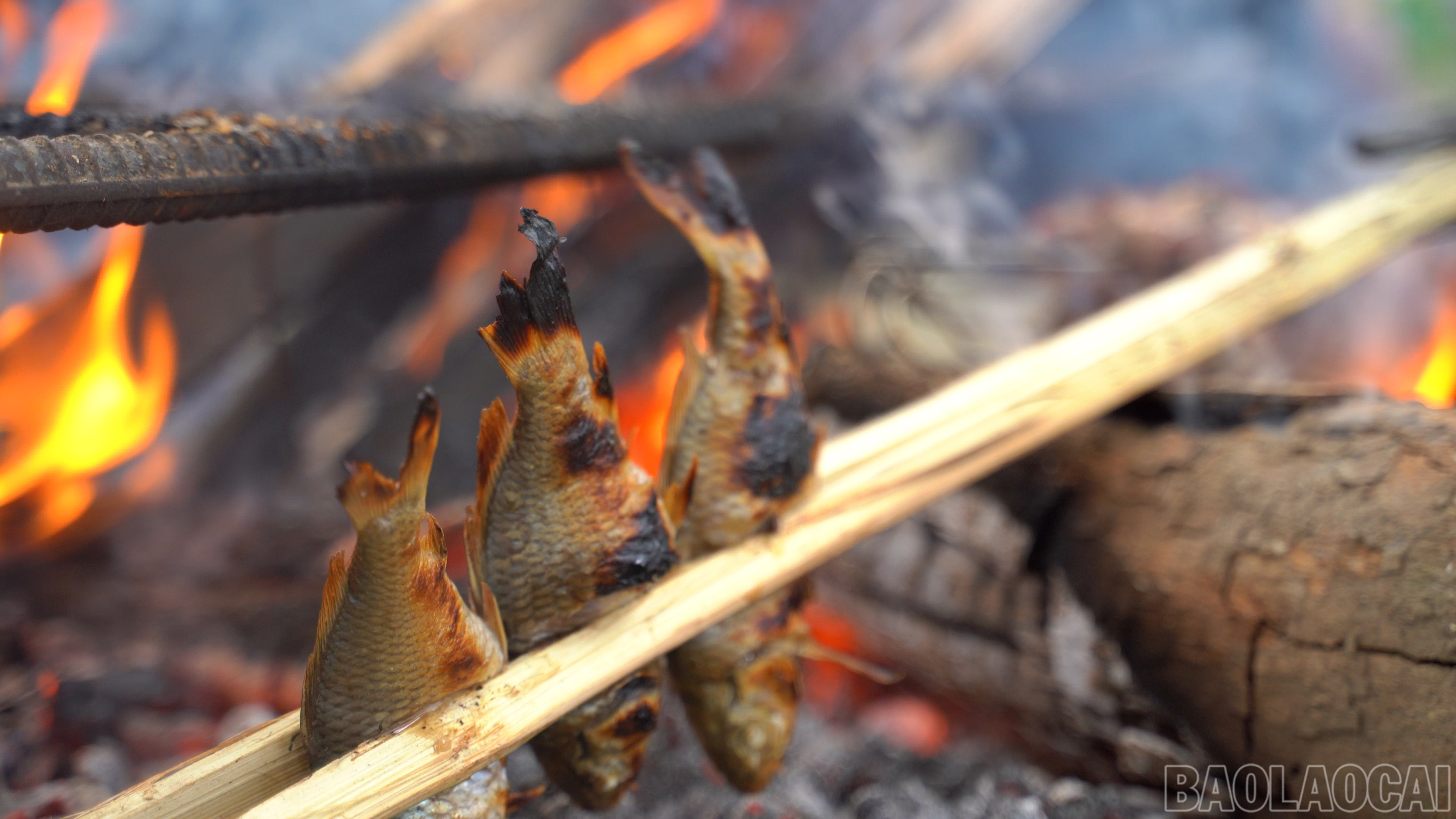
The fish is cut open along its backbone, flipped over, and marinated with mac khen (a type of spice), hạt dổi (a type of spice), wild herbs, and salt. “Pa phinh top” – meaning folded grilled fish – requires meticulous attention to detail in every step of the preparation. The mountain spices permeate the flesh, creating a unique and unmistakable flavor.
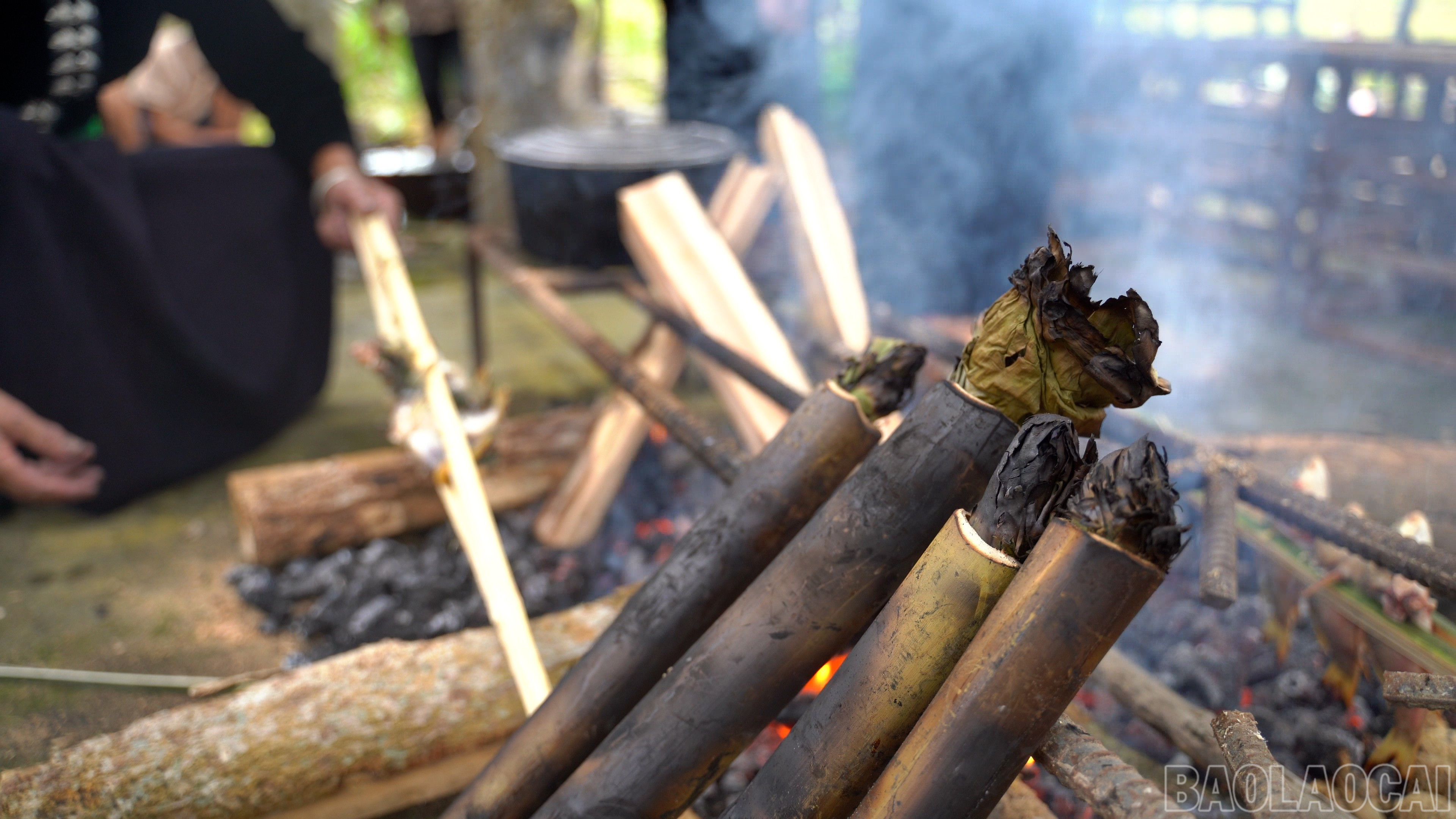
Grilled fish is incomplete without sticky rice cooked in bamboo tubes (com lam). The bamboo tubes, tilted over the fire, release their aroma as the outer layer chars, the scent of bamboo infusing the rice grains and filling the air. Com lam is not only a convenient meal for those working in the fields, but also a symbol of the close bond between people and the forest.
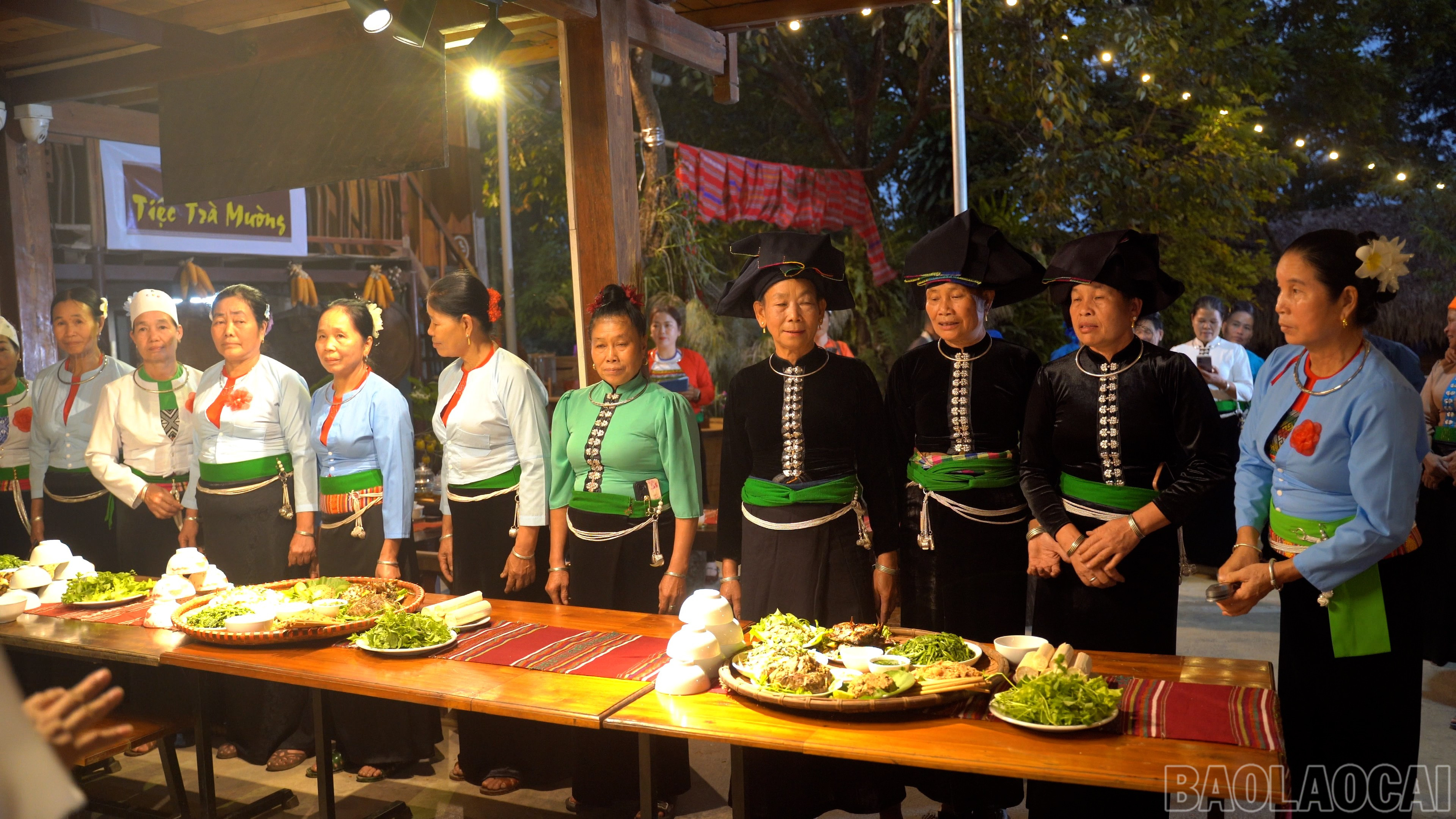
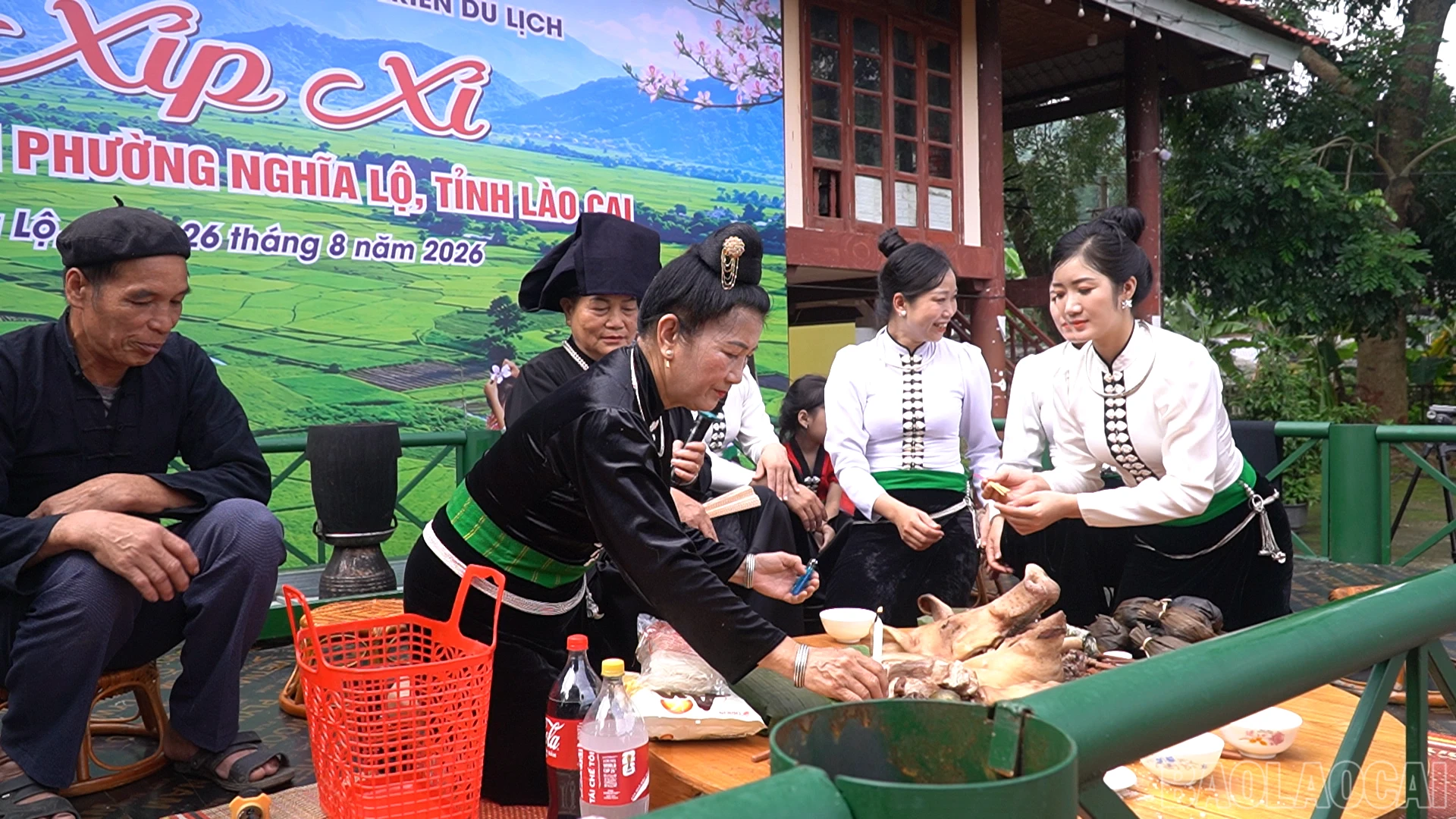
A meal with dishes like pa phỉnh tộp (a type of fish salad), fish salad, bamboo-cooked rice, and wild vegetables brings guests and hosts together. This setting reflects the core of Muong culture. From the rice paddies of Muong Lo to the kitchens of stilt houses, from grilled fish to the dances of the night festival, the life of the Muong people in Nghia Lo continues to operate at its own rhythm – slow but enduring.
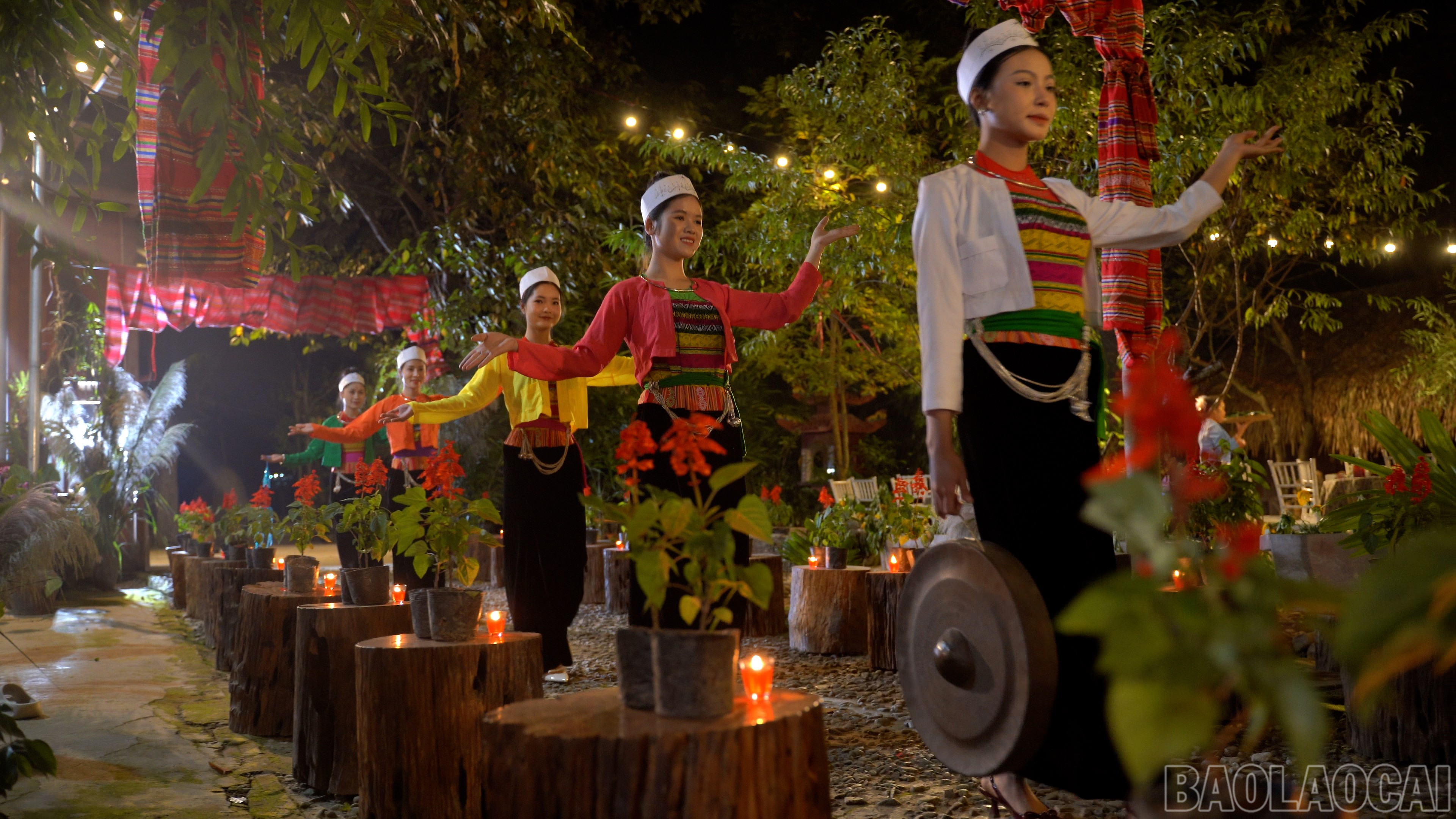
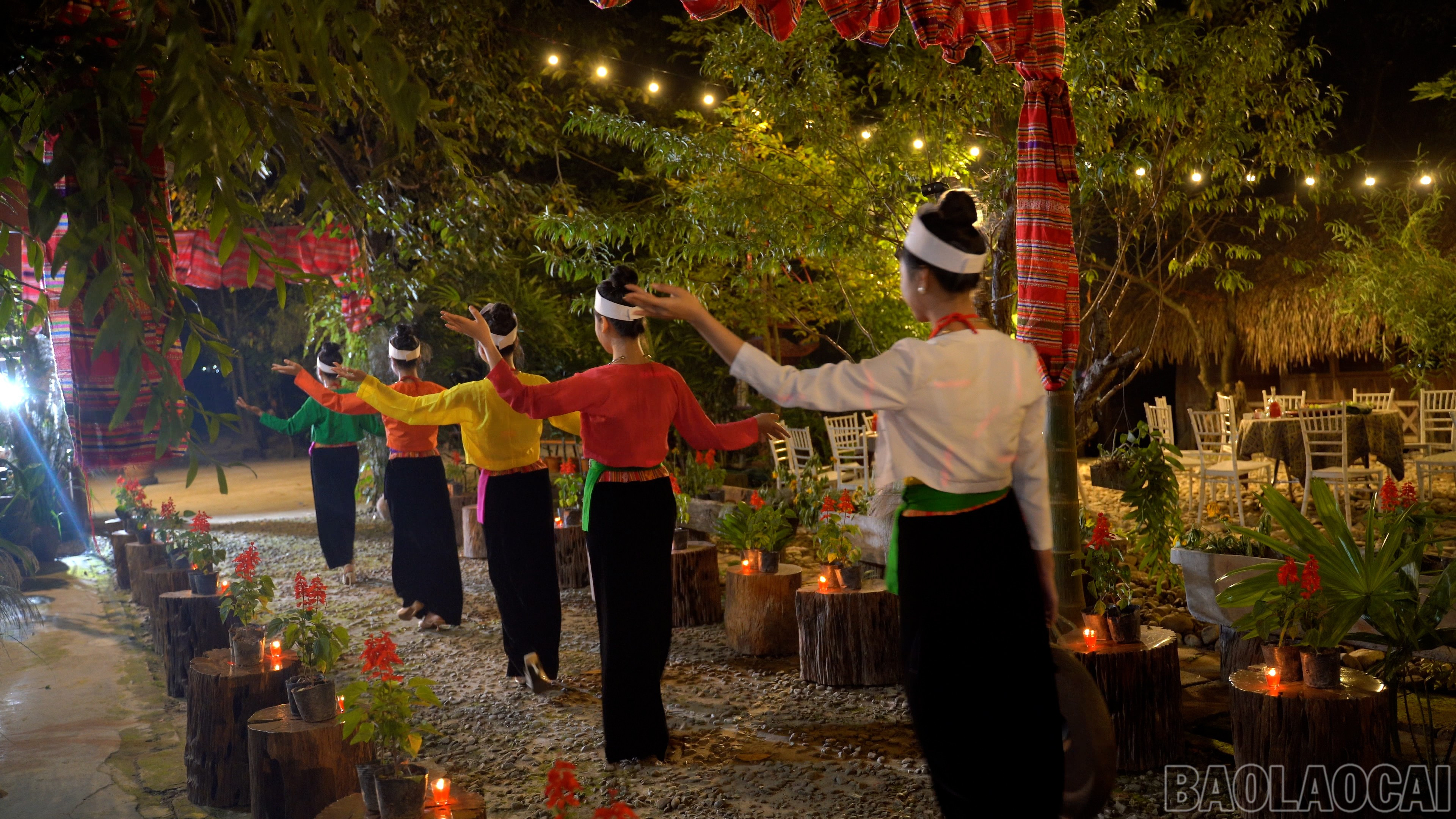
The traditional blouse, long black skirt, blue belt, and headscarf create a unique and charming look for Muong women. The patterns on the skirt reflect their aesthetic and religious beliefs; clothing is not just for wearing but also a way for the Muong people to remember their origins.
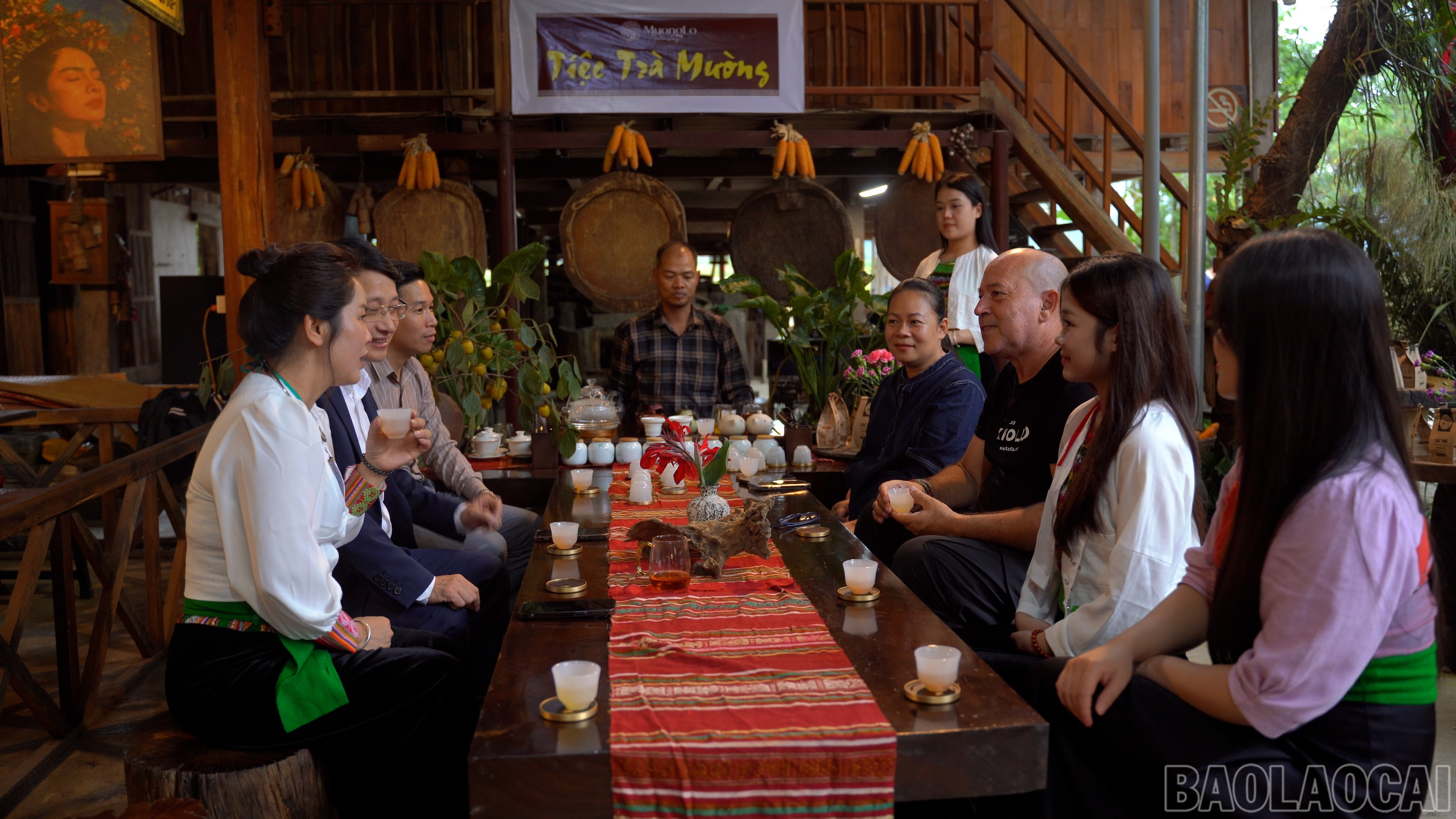
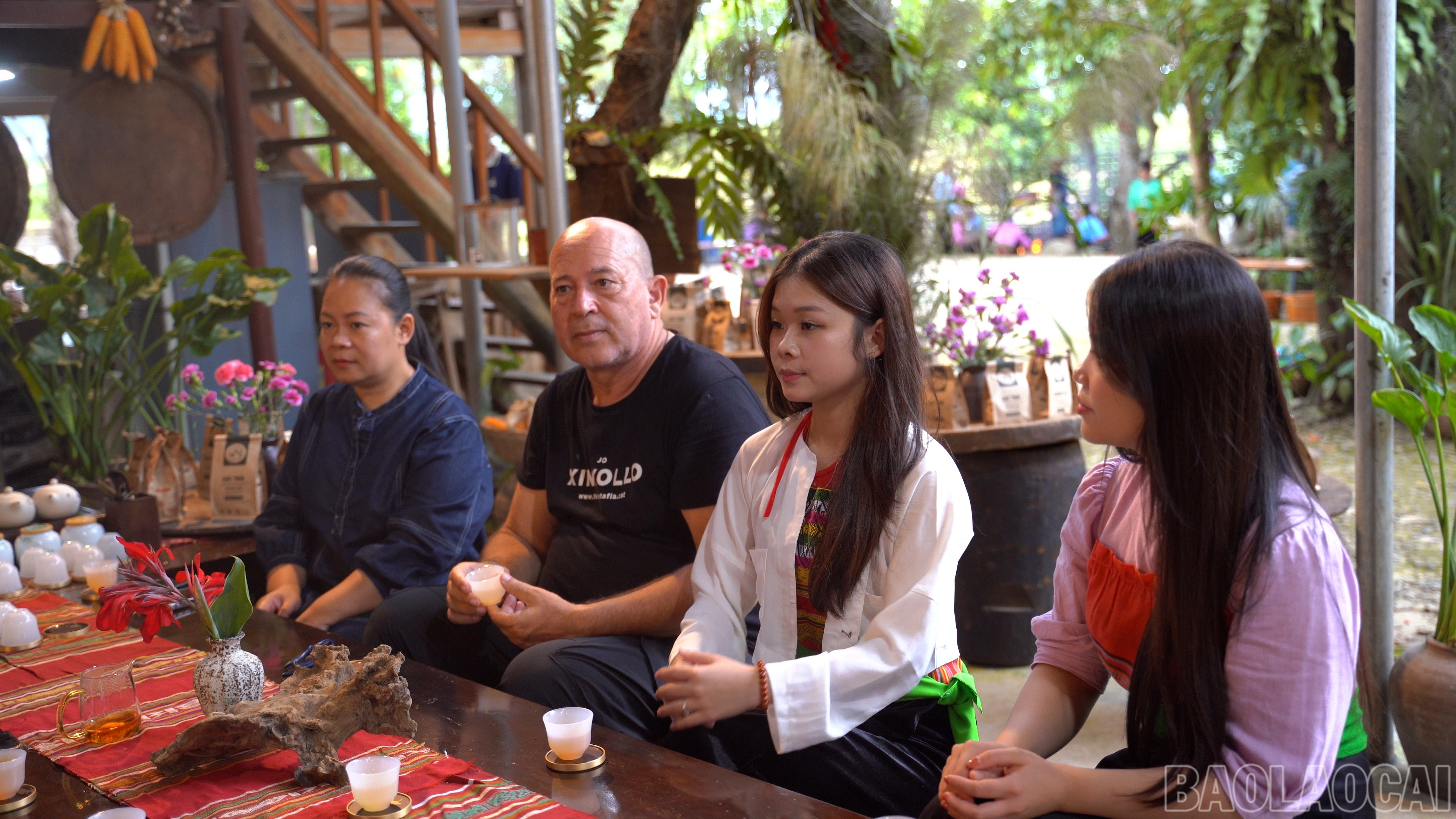
Visitors from afar come not only to eat, but also to understand the story behind each dish—the story of labor, of rice paddies, and of villages. Amidst the changes in this developing tourist area, the hearths still burn brightly, the bamboo-cooked rice still smells fragrant, and traditional clothing is still worn with pride. This is how the Muong people tell the story of their people through their daily lives.
https://baolaocai.vn/van-hoa-muong-giua-long-muong-lo-post893803.html