Greening production, enhlancing Lao Cai brand
Not only stopping at creating products, manufacturing and trading enterprises in Lao Cai province are making efforts to "green" the production process, turning environmental requirements into competitive advantages, thereby enhancing sustainable brands in domestic and international markets.
As consumers become increasingly concerned about the origin, quality and sustainability of products, “greening” the production process is no longer an option but has become a guiding principle for development.
At Nasaki Vietnam Co., Ltd. (Southern Industrial Park, Van Phu Ward), more than 10 billion VND has been invested to build a factory to produce terrazzo tiles and bricks using Japanese green technology.
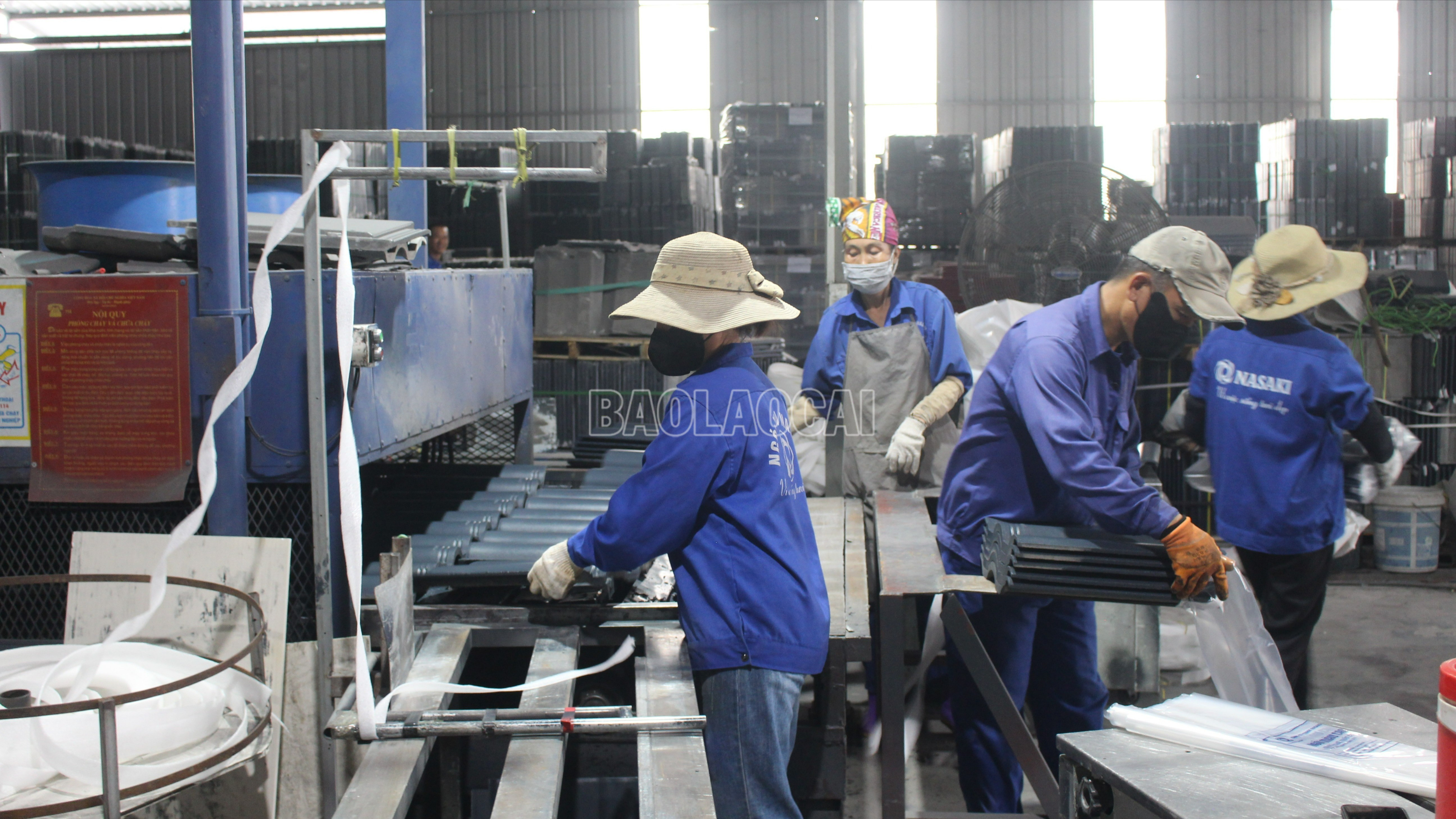
Wet-pressed tile production line at Nasaki Vietnam Co., Ltd.
With 5 synchronous wet-pressed tile production lines and a closed painting line, the factory has a production capacity of 5.5 million tiles/year with 8 lines of unburnt tiles, more than 1,000 colors in Asian, European and classical styles.
Ms. Nguyen Thi Khuyen - Director of Nasaki Vietnam Co., Ltd. said: The Japanese wet pressing technology (without firing) applied by the Company is a breakthrough in the production of roof tiles and terrazzo bricks, replacing the traditional firing method. This process combines raw materials such as cement, clean sand and stone powder products (waste from the mining industry), mixed, pressed and self-reacting to achieve strength at room temperature without firing. Thanks to that, the production process minimizes carbon emissions, uses less fuel and saves maximum land and water resources.
This technology not only produces environmentally friendly products, meeting the requirements of green and sustainable production, but also has high durability, good water resistance and load bearing capacity. Nasaki color tiles have physical and mechanical indicators that ensure environmental friendliness, suitable for all architectural works, and are resistant to water, mold and heat.
Ms. Nguyen Thi Khuyen - Director of Nasaki Vietnam Co., Ltd.
The Company's products have achieved ISO 9001:2015 and QCVN 16:2023 product quality certification of the Ministry of Construction.
In April 2025, Nasaki Vietnam Co., Ltd. was also honored to receive the Golden Board of Recognition and Cup for the category "Top 20 Green Brands of Vietnam in 2025".
This result was announced based on a nationwide consumer opinion survey, aiming to select businesses with good quality products and services, high reputation with consumers, and environmental friendliness.
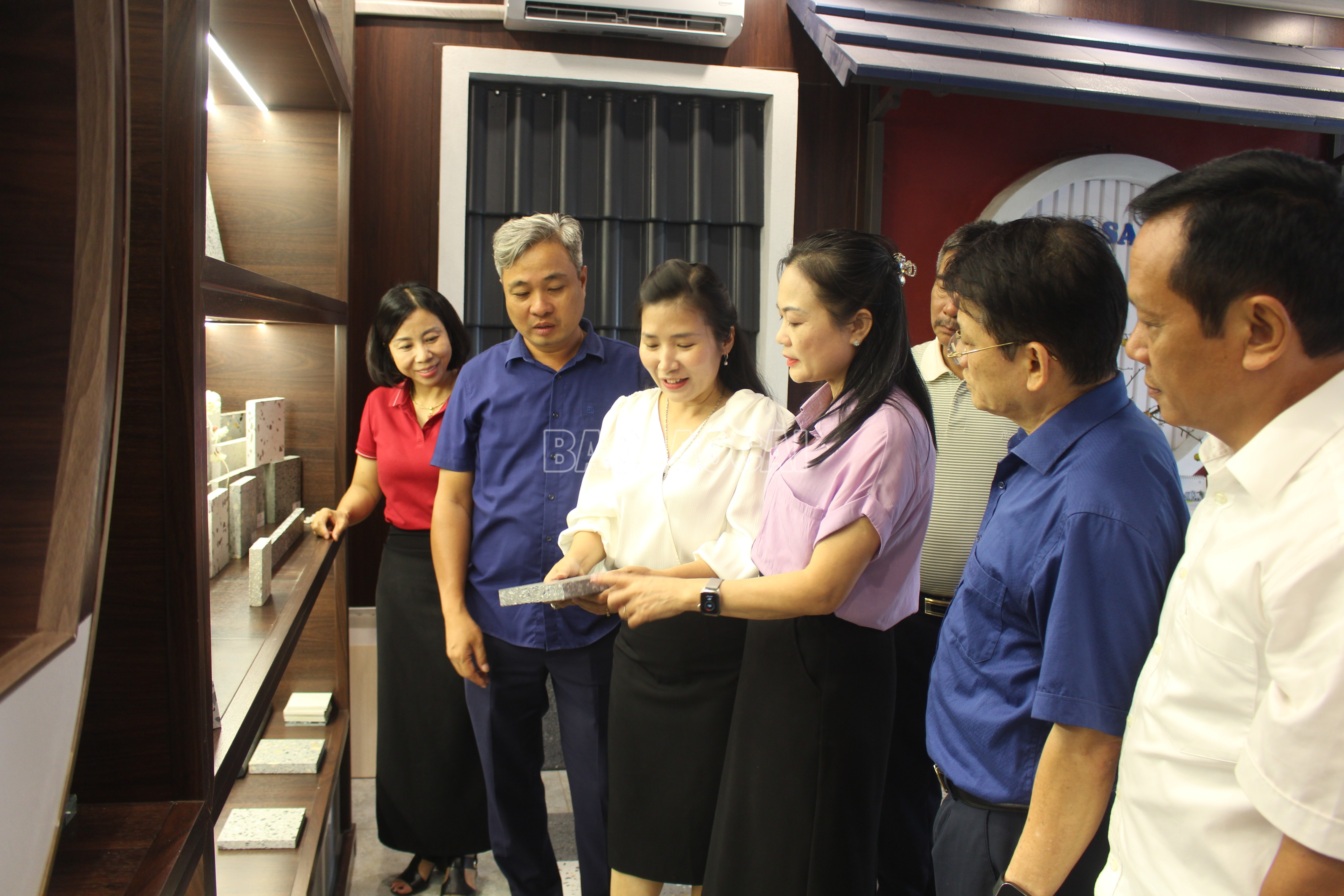
Ms. Nguyen Thi Khuyen - Director of Nasaki Vietnam Co., Ltd. (white shirt) introduces the company's terrazzo tile products.
Currently, Nasaki color roof tiles are not only present in major cities in the country, but Nasaki Vietnam has signed an exclusive distributor contract in Cambodia, has exported to Malaysia and is researching to expand to other markets such as Japan, Oceania and EU.
Together with Nasaki Vietnam Co., Ltd., businesses operating in the industrial sector - once a major environmental challenge - are now also starting to invest in modern technology to reduce emissions, save energy and optimize resource use.
Installing standard waste treatment systems, switching to cleaner technology, and recirculating resources in production are gradually becoming trends.
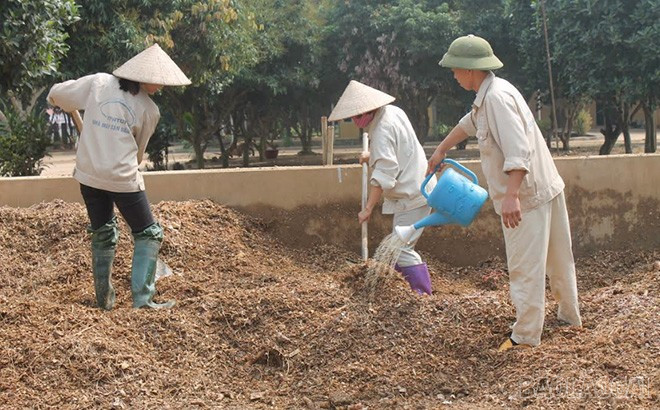
Workers at Van Yen Cassava Factory (Yen Bai Forestry and Agricultural Products and Food Joint Stock Company) compost organic fertilizer from post-production waste.
Mr. Nguyen Huy Thong - Director of Yen Bai Forestry and Agricultural Products and Food Joint Stock Company said: The company has invested nearly 50 billion VND to improve the machinery system for producing cassava starch and paper. The entire wastewater treatment system is also built in a closed system. The wastewater source is used to create biogas instead of firewood fuel.
Waste from cassava starch production is used as an organic fertilizer to support people in sustainable cassava cultivation. Other by-products are processed into animal feed and sold to animal feed processing companies.
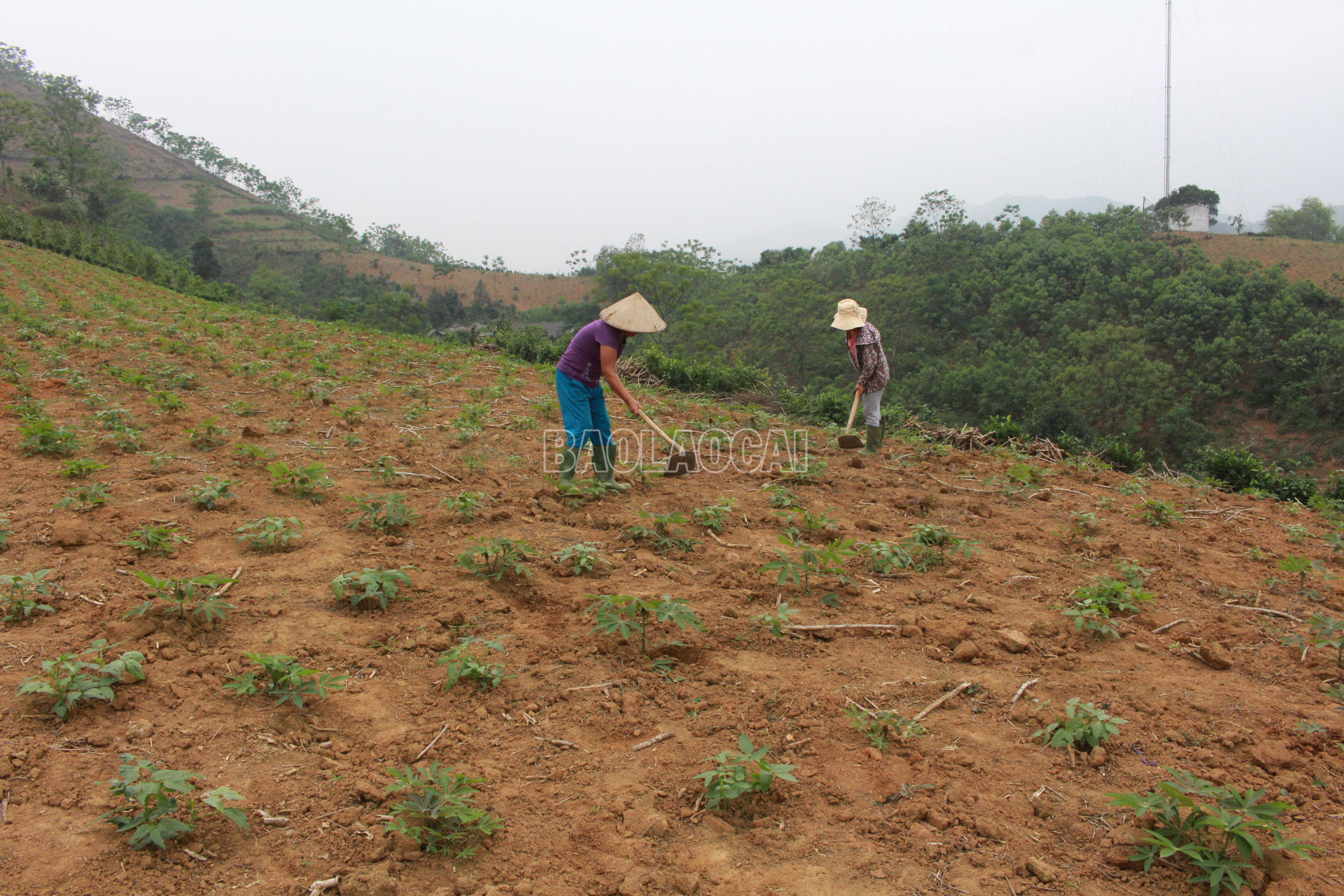
People of Mau A commune cultivate cassava sustainably on sloping land with fertilizer support from Yen Bai Forestry and Agricultural Products and Food Joint Stock Company.
Not only Yen Bai Forestry and Agricultural Products and Food Joint Stock Company, many enterprises have also boldly applied advanced and environmentally friendly production standards to production. Many agricultural growing areas have converted their farming methods from free to complying with VietGAP and organic standards.
Thanks to that, the whole province has been granted 130 growing area codes for key agricultural products with an area of nearly 2,000 hectares, focusing on potential crops such as: bananas (1,100 hectares), tea (476 hectares), citrus fruit trees (106 hectares), vegetables (89 hectares), rice (87 hectares)...; 605 products have achieved OCOP certification of 3 stars or more.
Mr. Hoang Van Noi - Deputy Director of Mu Cang Chai Edible Mushroom and Medicinal Mushroom Production Company Limited (a company with Shiitake Mushroom products achieving 3-star OCOP) shared:
“At our farm, from seed selection, care to harvesting and preservation, we must ensure the process so that each product meets quality and food safety standards. We absolutely do not use chemicals that interfere with the mushroom growth process.”
Currently, the Company is maintaining the cultivation of about 50,000 bags of mushroom spawn per year, supplying the market with over 250 tons of commercial shiitake mushrooms each year, earning over 20 billion VND, and is highly appreciated by consumers for its quality.
In addition to growing mushrooms, the Company also grows 3 hectares of vegetables, including sweet peppers, off-season vegetables, rock sprouts, etc., which helps to generate additional income for short-term and long-term use, serving reinvestment in mushroom farms, and also utilizes organic materials from mushroom spawn after discharge to make fertilizer, creating a completely closed loop, no waste and protecting the environment.
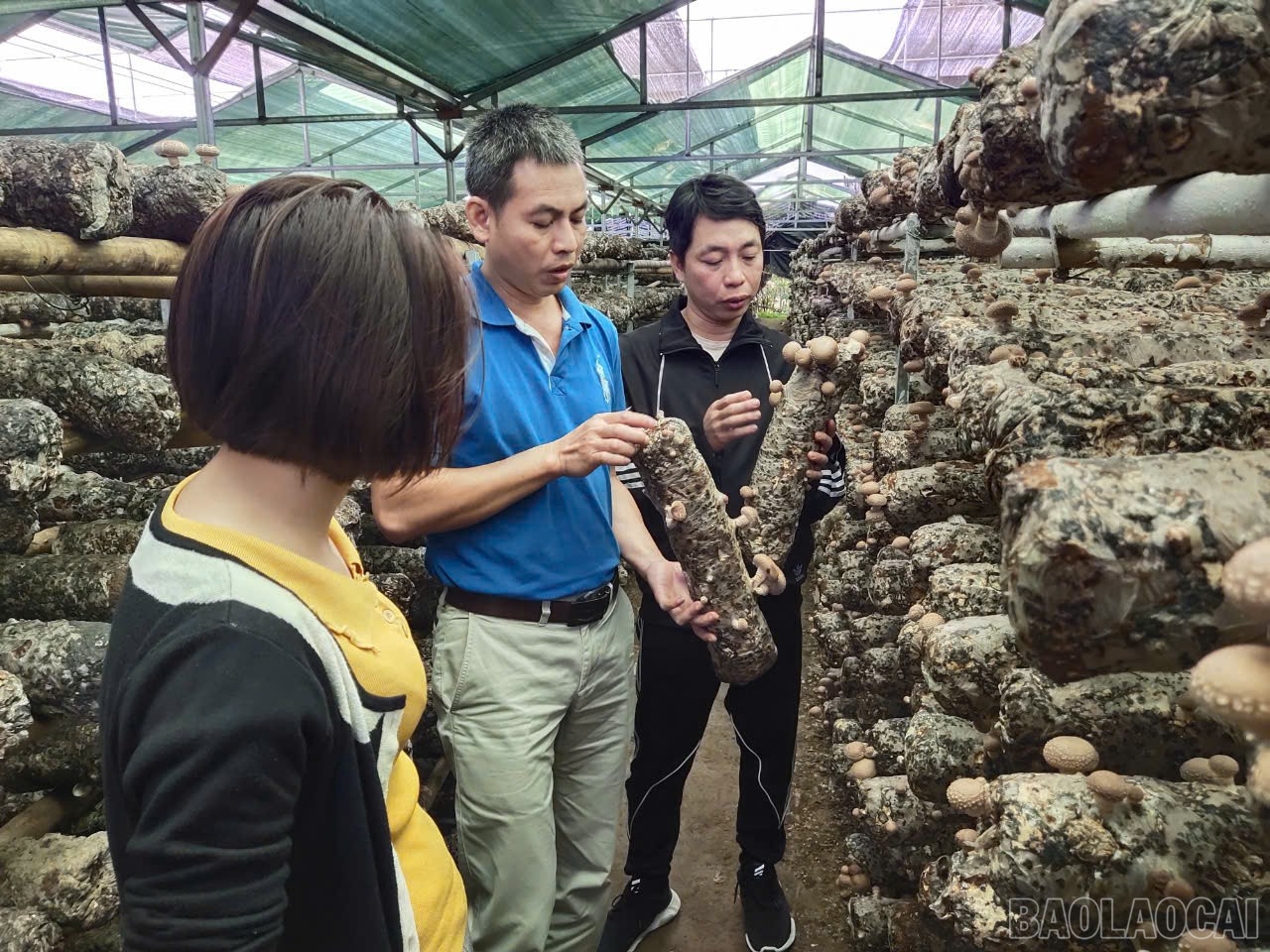
Mu Cang Chai Edible Mushroom and Medicinal Mushroom Production Company Limited has invested more than 10 billion VND to build a mushroom production factory infrastructure system.
Meeting strict standards on food hygiene and safety, certification standards, not only opens the door for businesses to expand exports, but also creates a clear difference compared to similar products. When the product has high quality, clear origin, it will help stabilize output and higher selling price.
Mr. Dang Nguyen Minh in Dai Son village, Tan Hop commune confided: Organic cinnamon products always have a higher selling price from 8% to 30% compared to regular cinnamon. The price of organic cinnamon is currently 83,000 VND/kg, while regular cinnamon is only 73,000 VND/kg.
Greening the production process is not only the strategy of each enterprise but also one of the key goals in the development orientation of "green, harmony, identity, happiness" of the province.
To achieve this goal, the solutions for the 2025 - 2030 term have clearly stated: Prioritizing the attraction of developing high-tech, environmentally friendly industries, supporting industries, agricultural and forestry processing industries, and industries capable of creating jobs for many workers. There are mechanisms to encourage and promote foreign enterprises to directly invest and transfer technology.
At the same time, shift the agricultural economic structure towards green, ecological, circular, high-value chain; issue preferential policies to attract deep processing enterprises to invest in the agricultural sector, such as policies on land, infrastructure, capital, science and technology, e-commerce, etc.
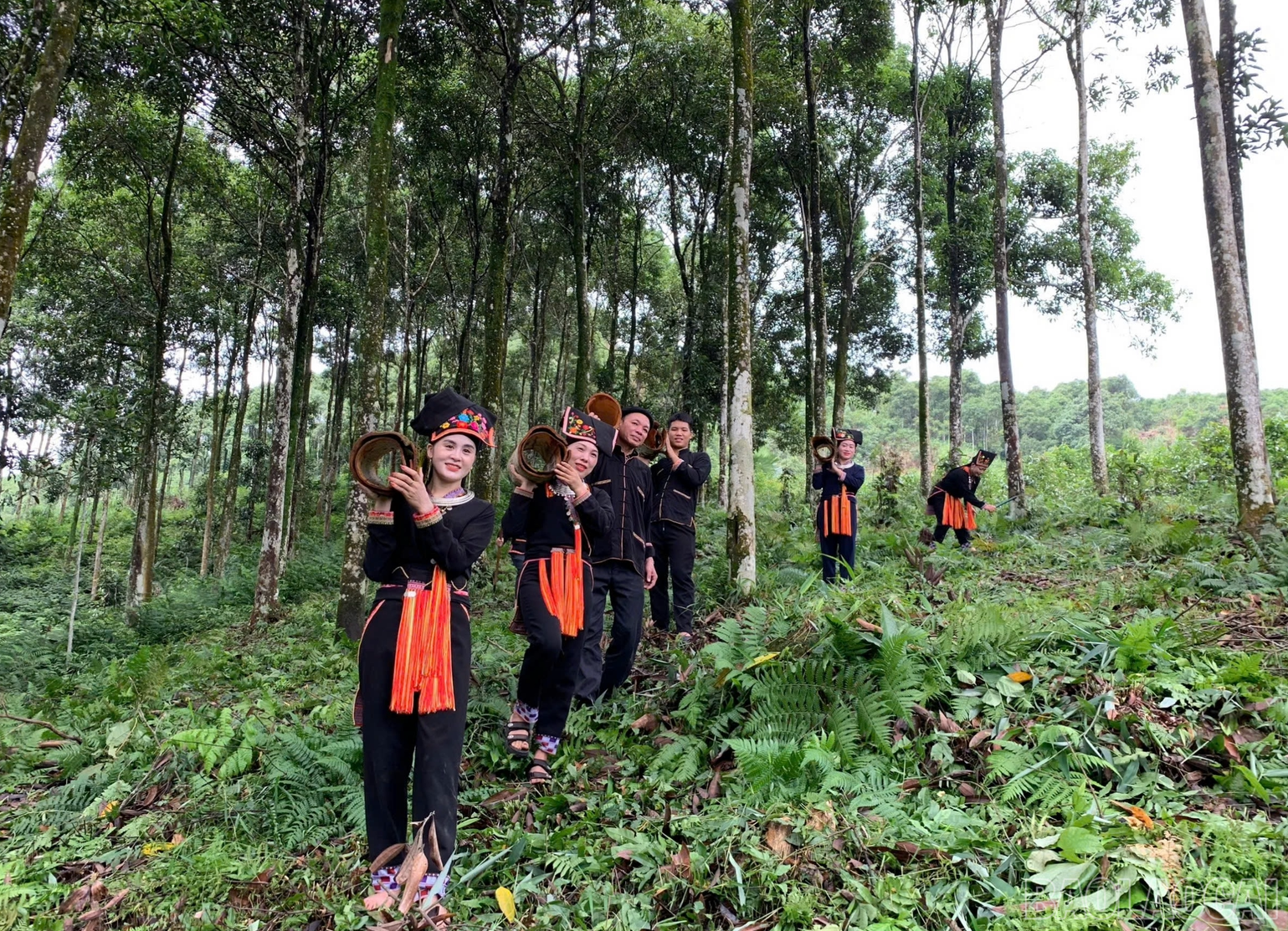
Organic cinnamon will have a selling price 8 - 30% higher than regular cinnamon.
The agricultural sector will also continue to build models for organizing and managing the production, preservation and consumption of tea, cinnamon, fruit trees and safe vegetables according to VietGAP and organic standards in a concentrated and synchronous manner; applying science and technology, digital transformation, and supporting trade promotion for businesses participating in linking production and consumption of organic products in the area.
Building a green economy will help Lao Cai maximize its natural resources, preserve its cultural identity and create a better living environment for its people. This is a long journey but it will be the only and best way for Lao Cai to not only develop its economy but also protect its core values, enhance its reputation and position on the international trade map.
https://baolaocai.vn/xanh-hoa-san-xuat-nang-tam-thuong-hieu-lao-cai-post884466.html