At the beginning of the Year of the Horse (Binh Ngo), I went to Bac Ha to watch the horse racing at the spring festival.
In the vibrant atmosphere of the 4th day of the Lunar New Year (February 20th), at the central stadium of Bac Ha commune, the People's Committee of Bac Ha commune enthusiastically organized the weekly horse racing competition, kicking off a series of cultural and tourism activities for the spring of 2026.
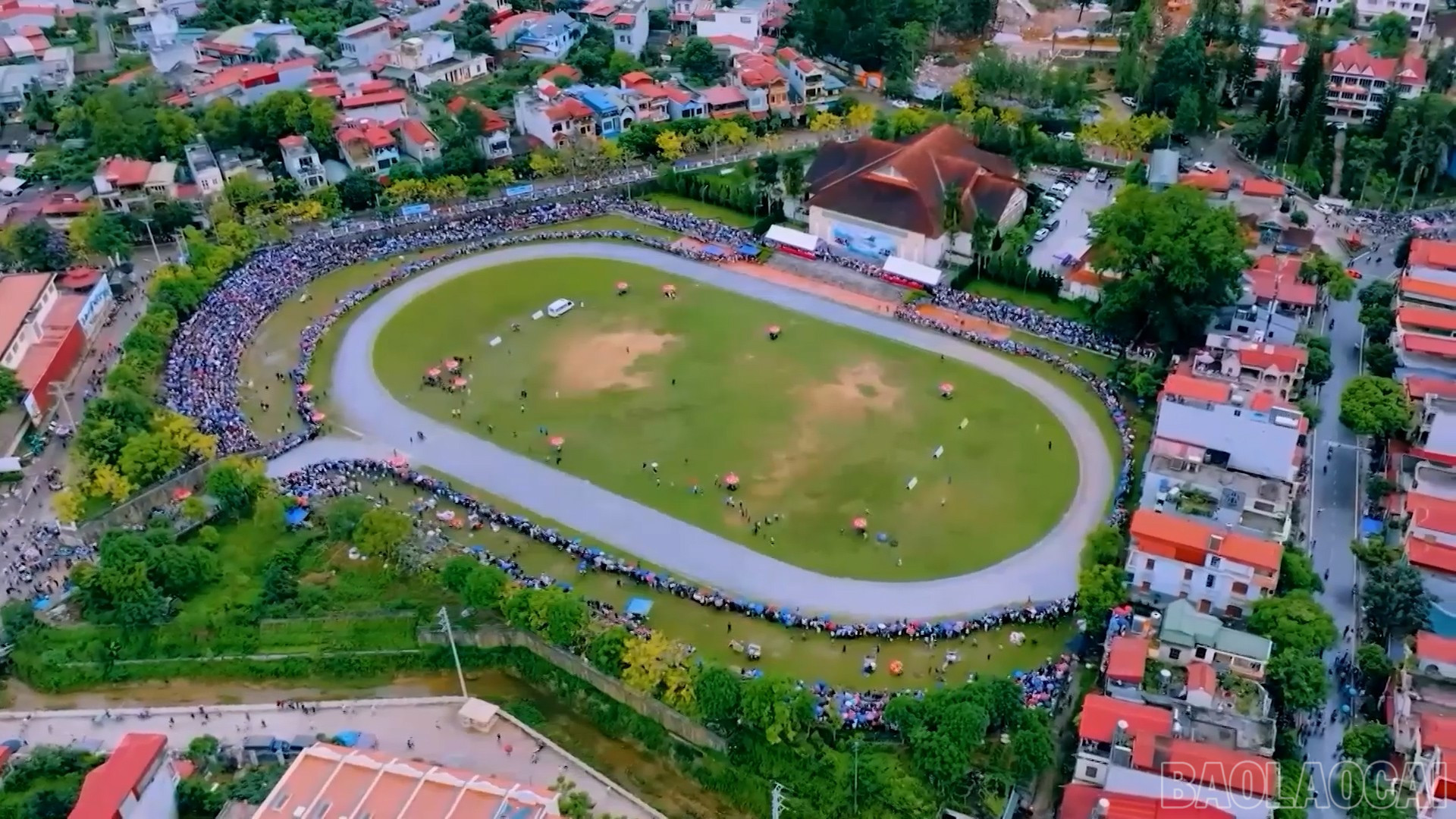
The central stadium of the commune is the venue for the horse race, attracting a large number of locals and tourists.
At exactly 3 PM, the starting signal sounded, marking the beginning of eight consecutive races. Each race featured four jockeys competing directly over a distance of 1,900 meters (equivalent to four laps around the stadium).
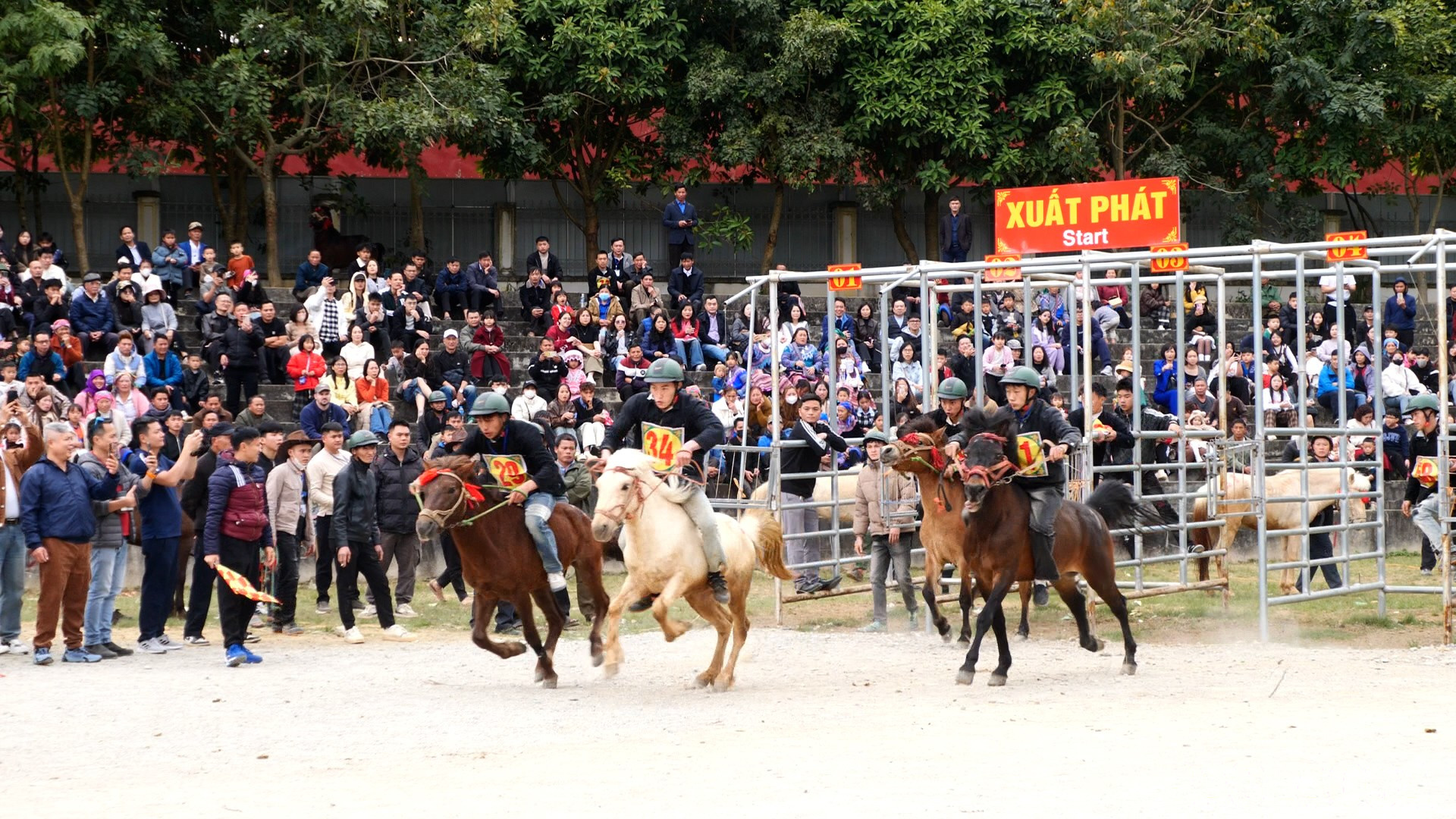
The jockeys start the race on the afternoon of the 4th day of the Lunar New Year (Year of the Horse) at the central stadium of Bac Ha.
The knockout format creates intense competition right from the start. Riders not only need to sprint well in the early stages but also conserve their horses' energy in the middle laps to accelerate at the right moment. This tactical element makes each race exciting and unpredictable, resulting in dramatic finishes amidst the continuous cheers of the spectators.
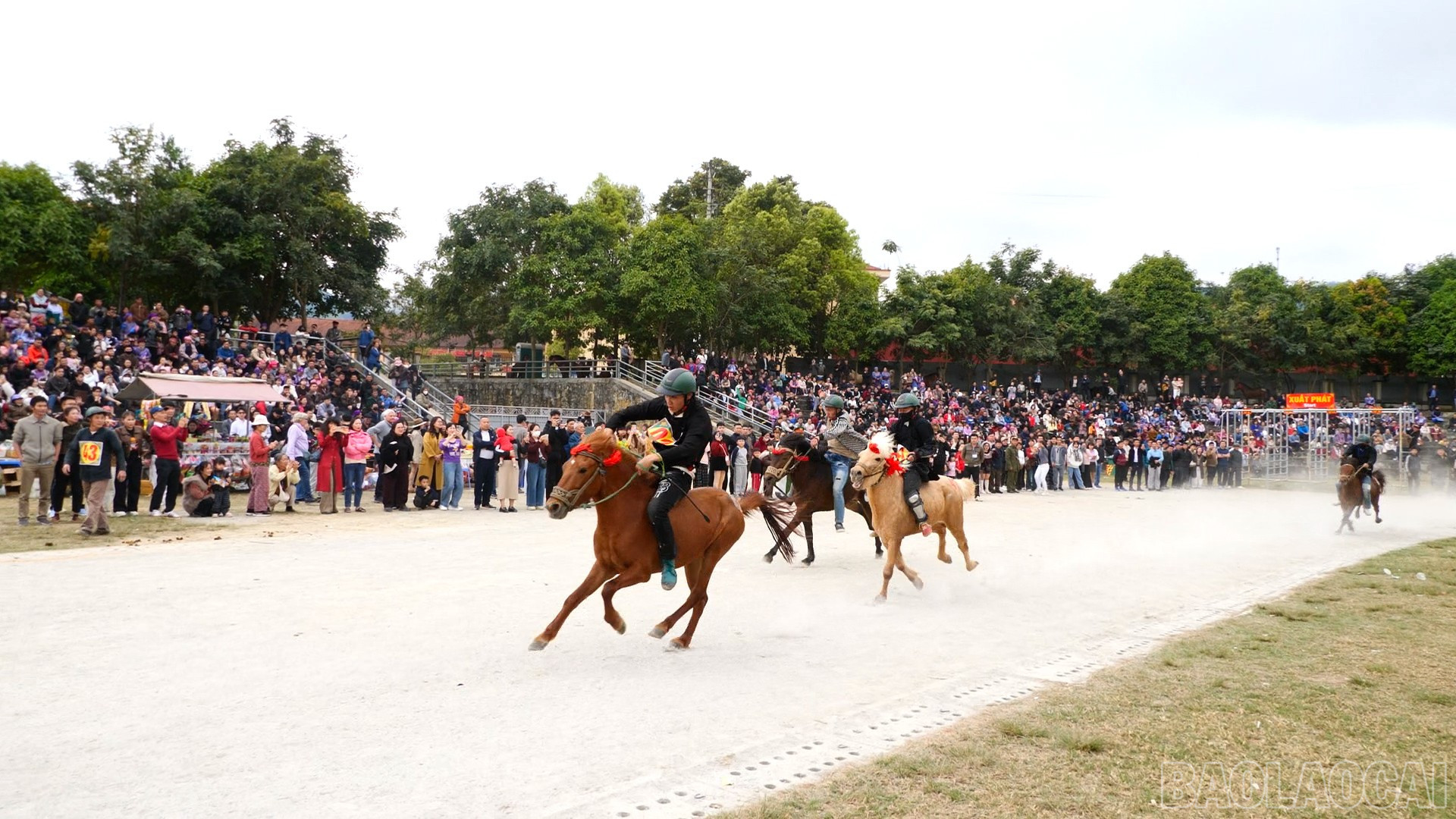
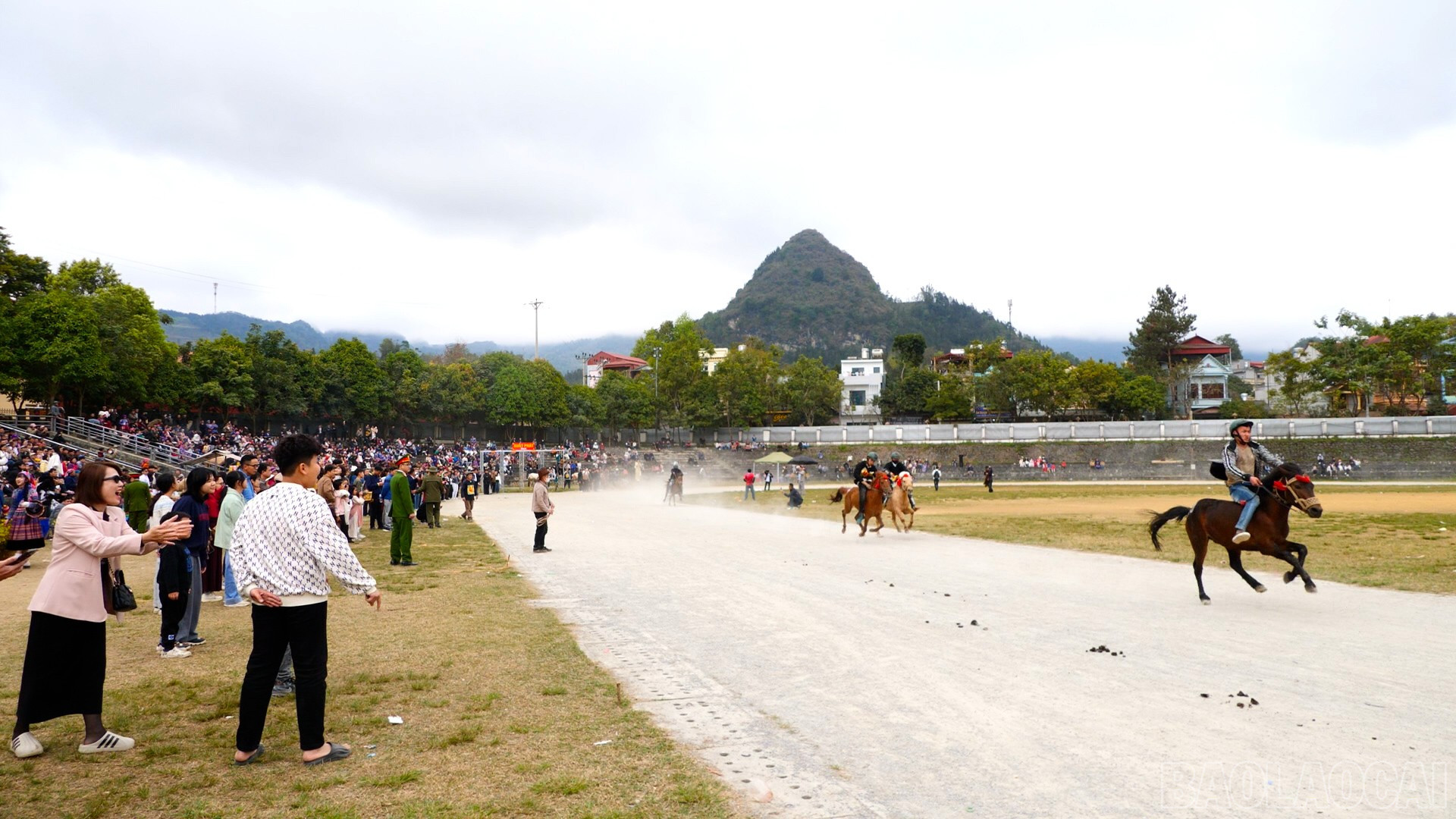
Spectators cheer enthusiastically at the spring horse race in Bac Ha.
Mr. Giang A Hai, Director of the Bac Ha Commune General Service Center, said: "In recent times, the locality has maintained a regular weekly horse racing model with a format of 3 weeks of qualifying rounds and 1 week of finals each month. This approach aims to gradually professionalize the organization process and create a stable, long-term tourism product."
According to Mr. Hai, organizing the competition not only serves the people's need for spring festivities but also contributes to preserving and promoting the value of traditional cultural heritage, linked to sustainable tourism development. The locality clearly defines its viewpoint: development must go hand in hand with preserving cultural identity and ensuring the safety of people and animals participating in the competition.
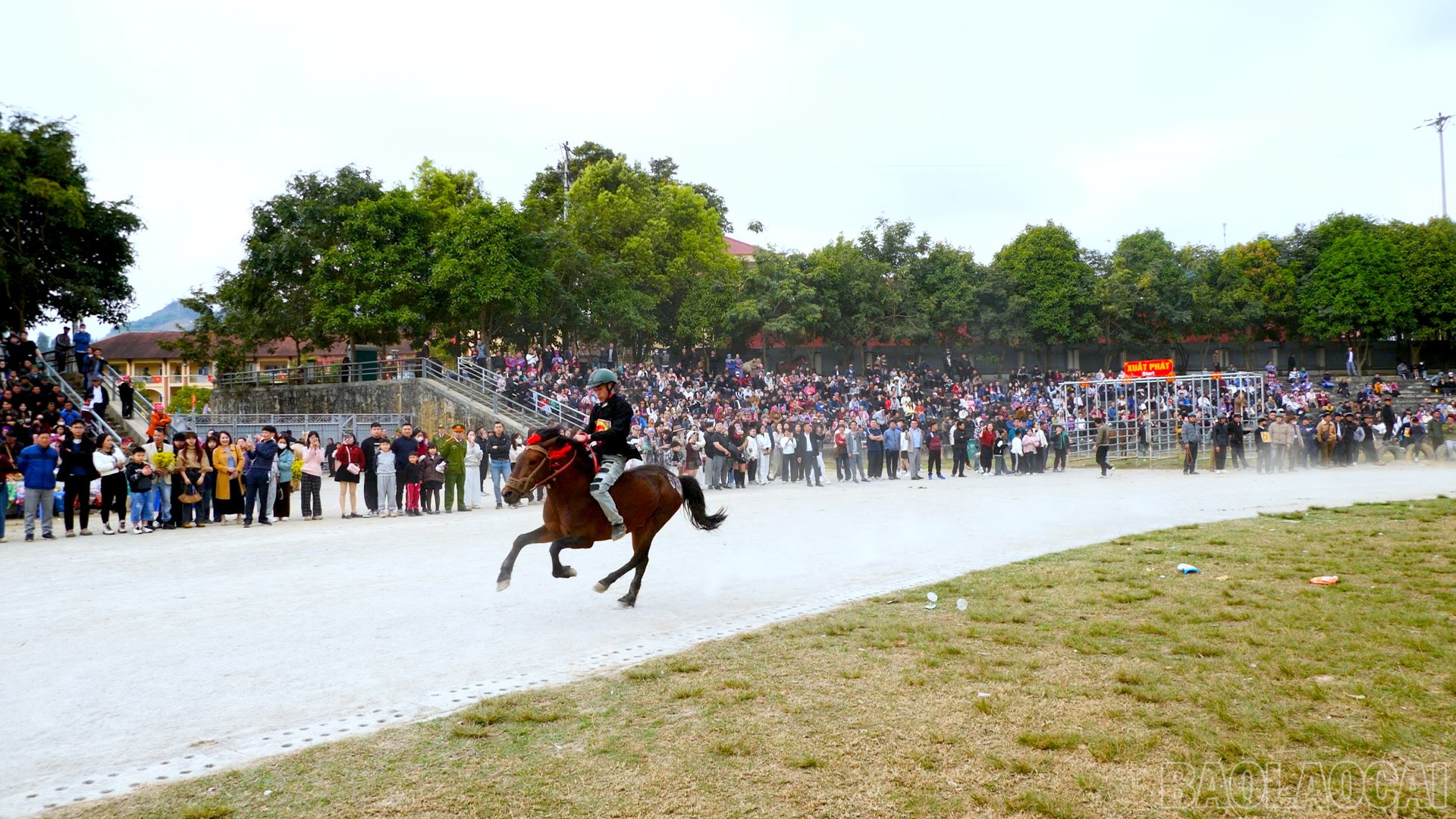
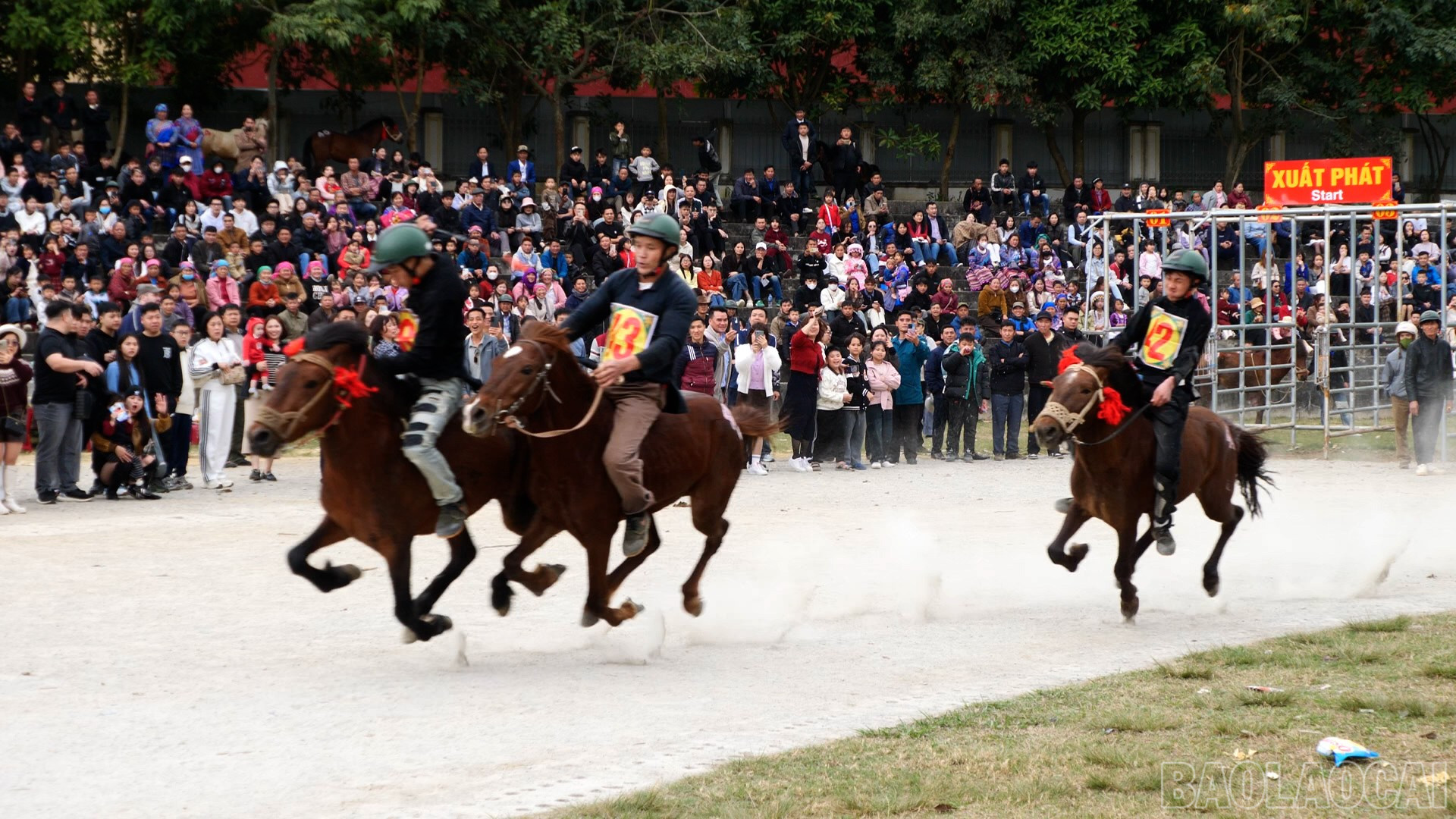
These pack horses have now become mighty steeds on the racetrack.
What sets Bac Ha horse racing apart from many other horse racing models is its originality. The horses participating in the race are originally pack horses accustomed to climbing mountains and carrying agricultural products on steep, rocky roads. The jockeys are farmers who have been closely associated with their horses for many years; they do not use specialized saddles, stirrups, or whips. Control relies entirely on reins and the understanding between rider and horse.
It is this very simplicity that creates its unique appeal. It's not just a race of speed, but also a vivid expression of the highland culture, where horses were once a means of connecting villages, linked to the livelihoods and spiritual lives of the people.
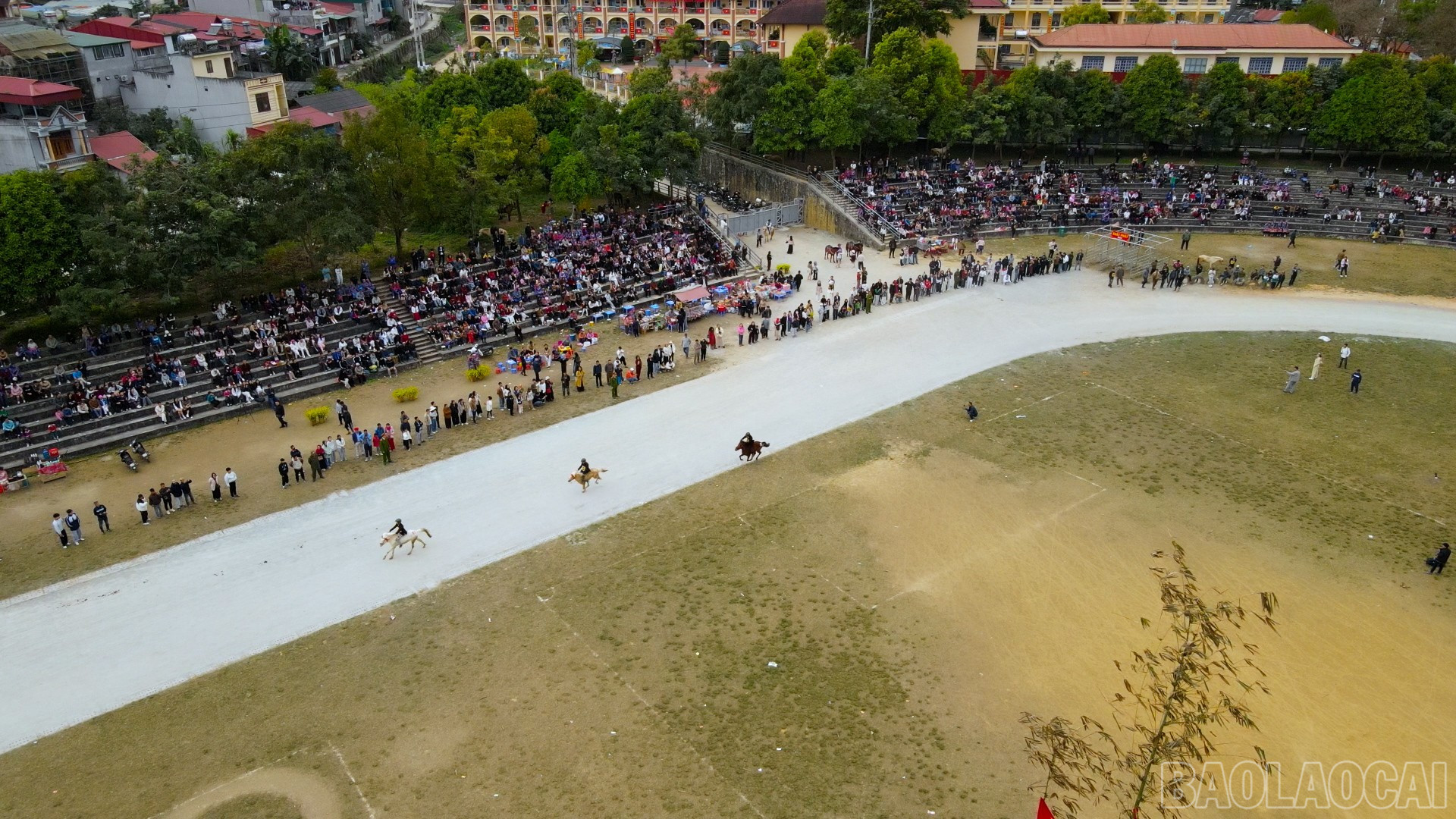
The jockeys competed fiercely over a distance of 1,900 meters on the opening day of the festival in the year of the Horse (Binh Ngo).
According to Mr. Sen Dang Khoa from Na Ang B village, Bac Ha commune, the jockeys proactively practiced before Tet, taking care of and adjusting the horses' diets to ensure their physical condition for the new season.
According to Mr. Khoa, participating in the competition is both a source of pride and a responsibility for the people in preserving the good customs and traditions of the locality.
The spring horse race has contributed to increasing the attractiveness of Bac Ha as a destination during the Lunar New Year. Many tourists from Hanoi, Thanh Hoa, and other provinces and cities choose Bac Ha as a spring travel destination to experience the festive atmosphere and learn about the local culture.
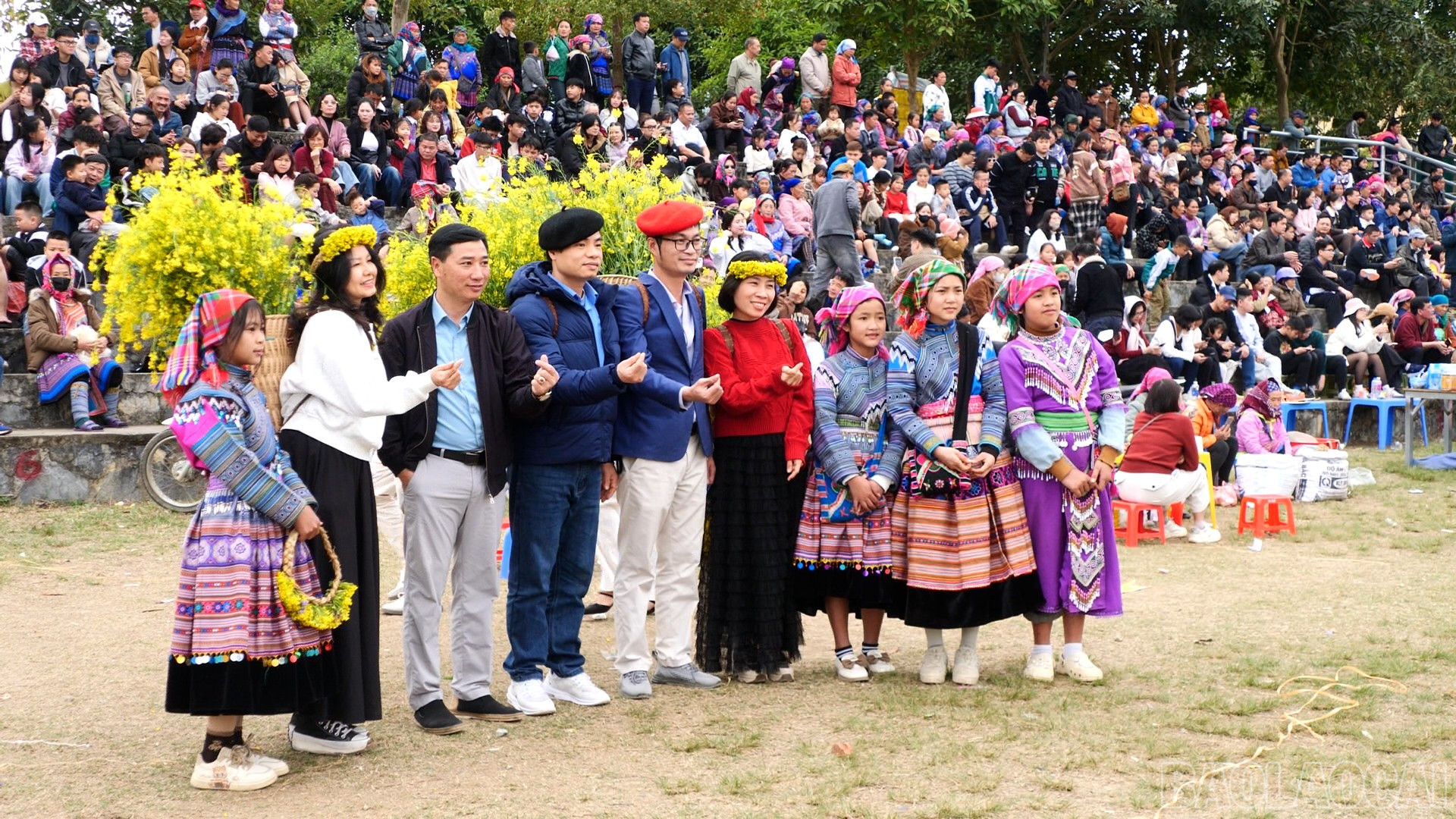
Mr. Do Quang Anh (third from the left) and his family came to watch the horse race.
According to the organizers, the number of visitors to the locality during this year's Tet holiday increased compared to the same period last year, contributing to boosting the consumption of local products and accommodation and food services.
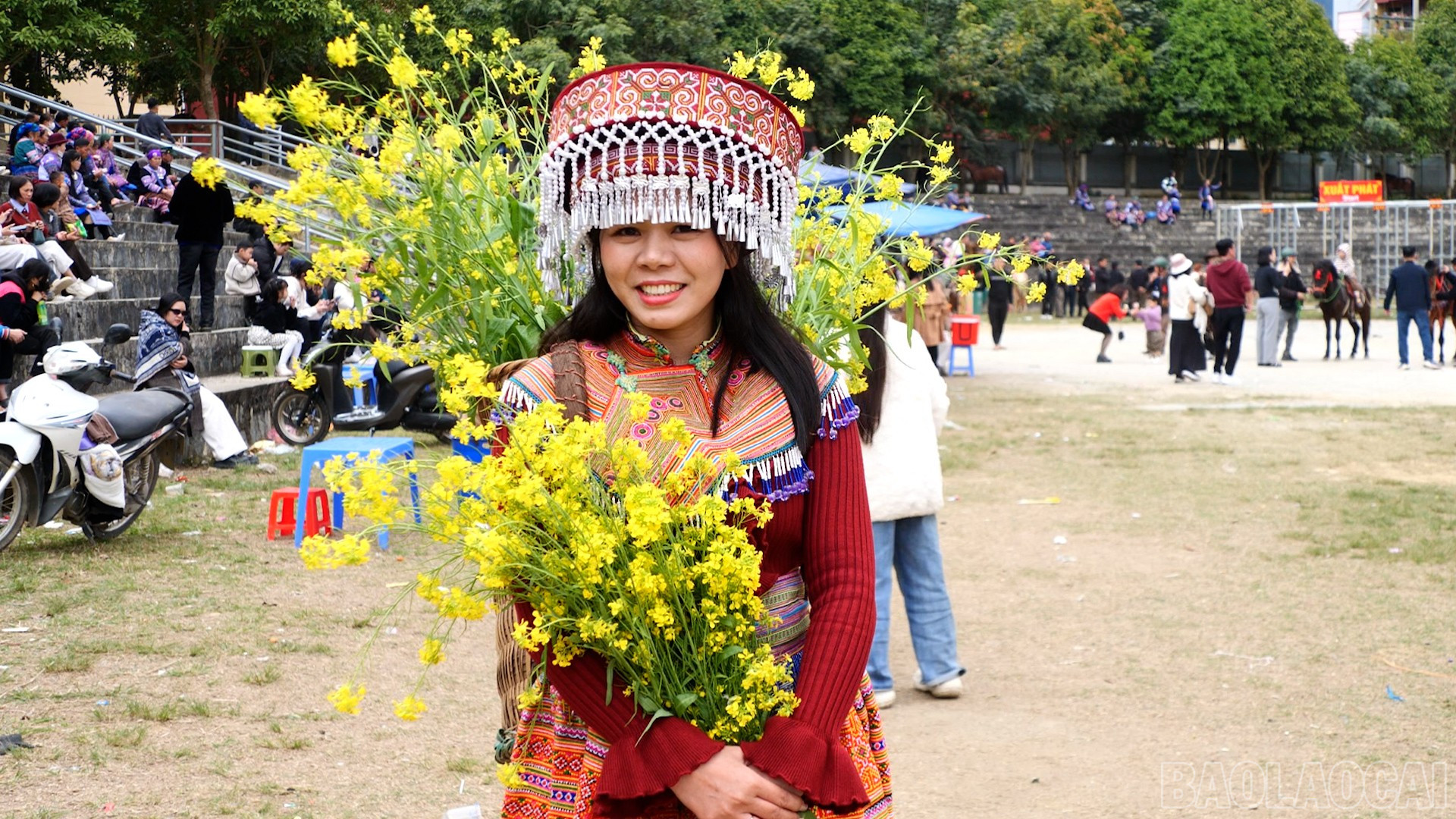
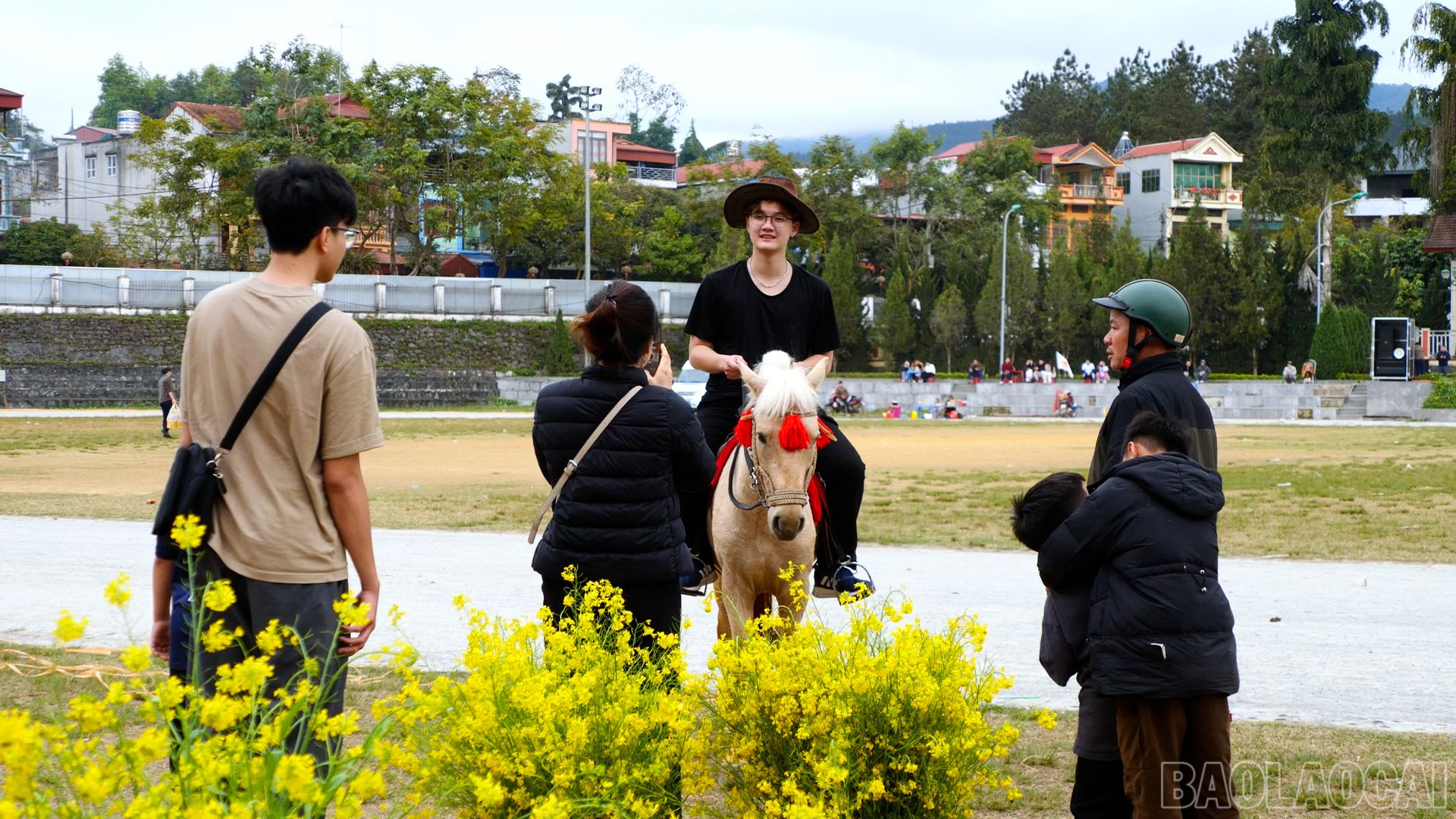
Tourists take photos and check in at the Spring Festival horse race in Bac Ha in 2026 (Year of the Horse).
Maintaining the weekly horse racing event starting from the end of 2025 is seen as a step towards diversifying tourism products and gradually building the "Bac Ha Horse" brand associated with real-life experiences, rather than just a seasonal festival. Through maintaining the regular competition, Bac Ha commune continues to affirm its community-centered approach, promoting the role of the people in preserving traditional cultural values; while also creating momentum for local socio-economic development.
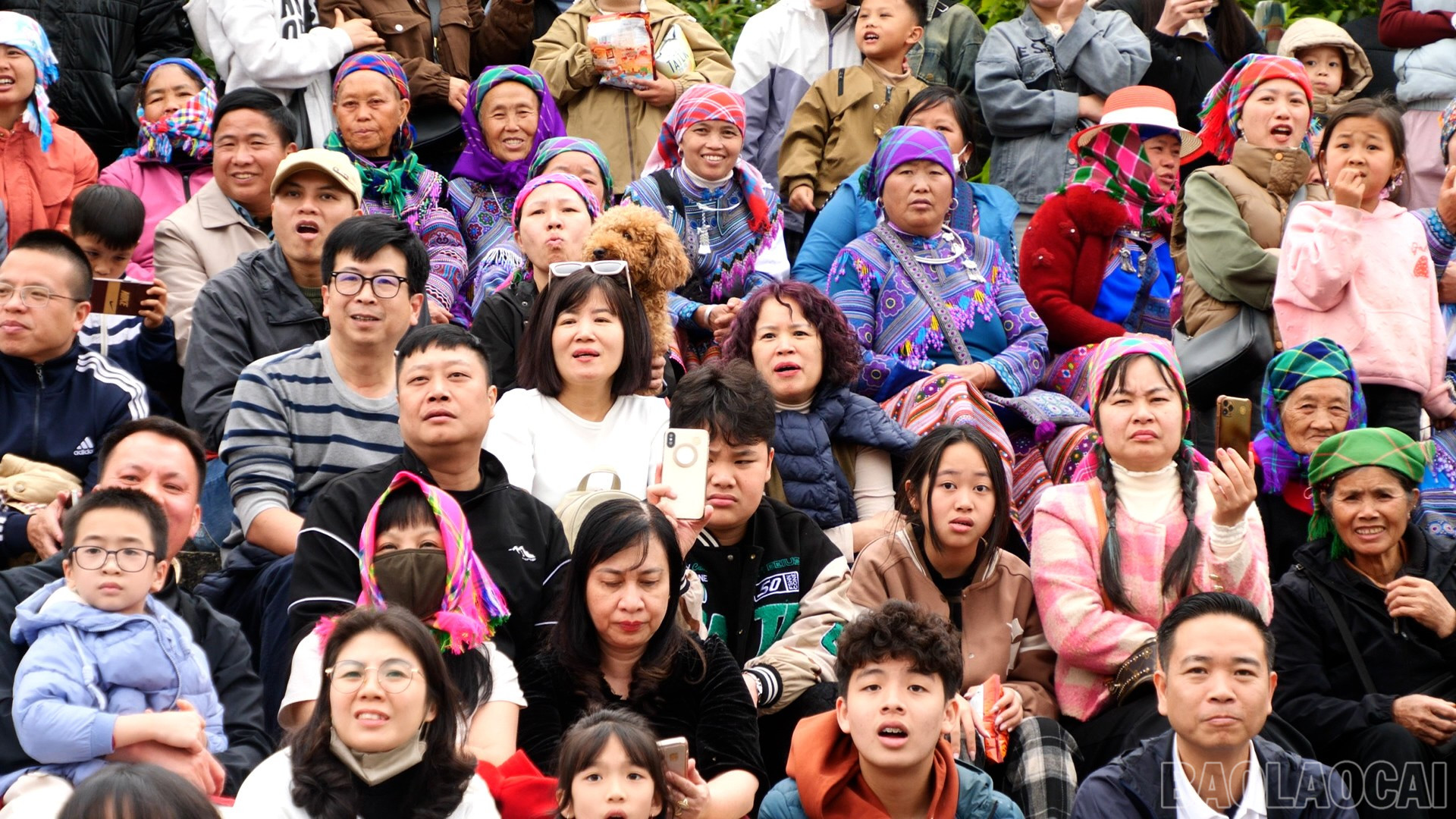
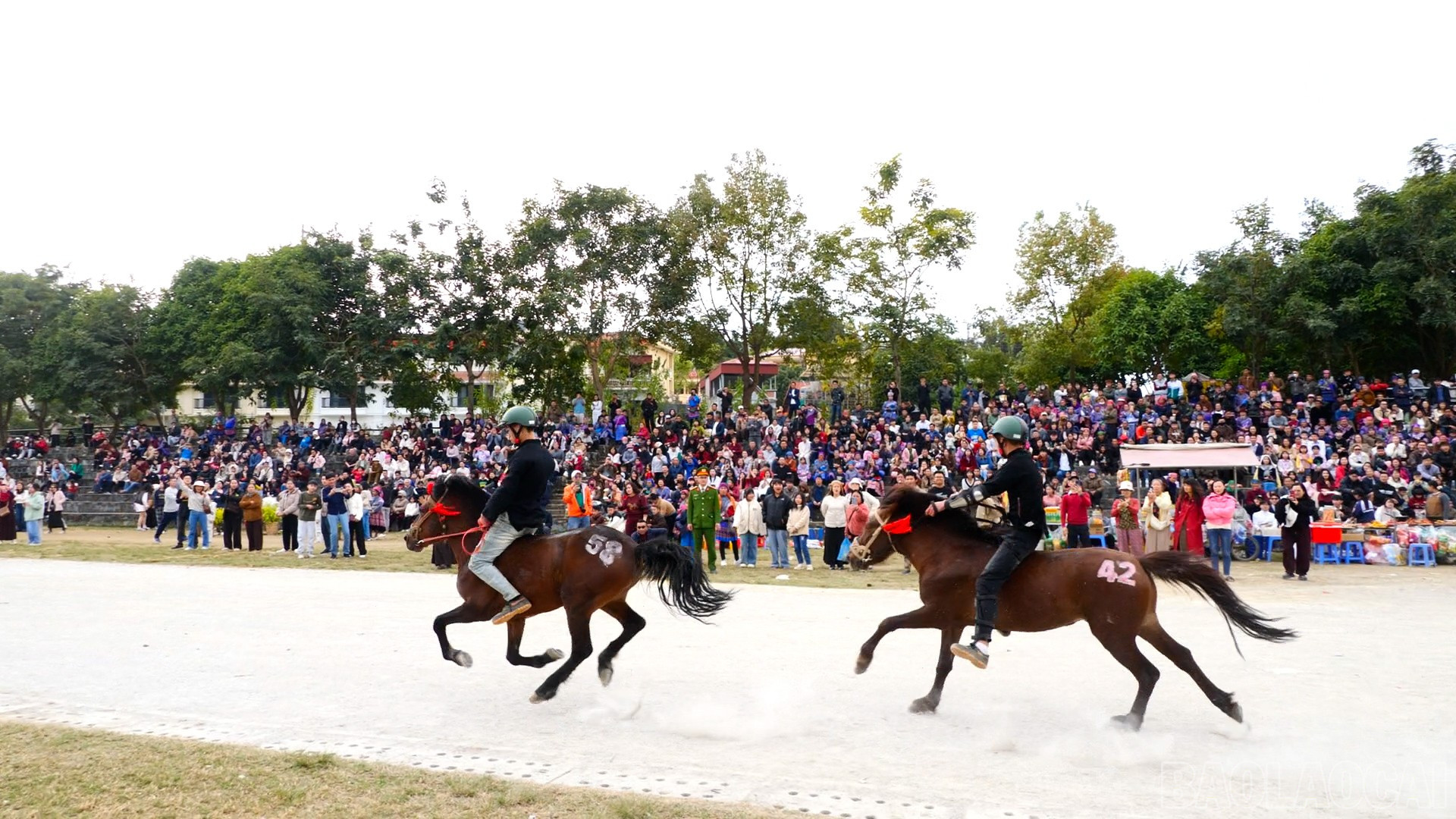
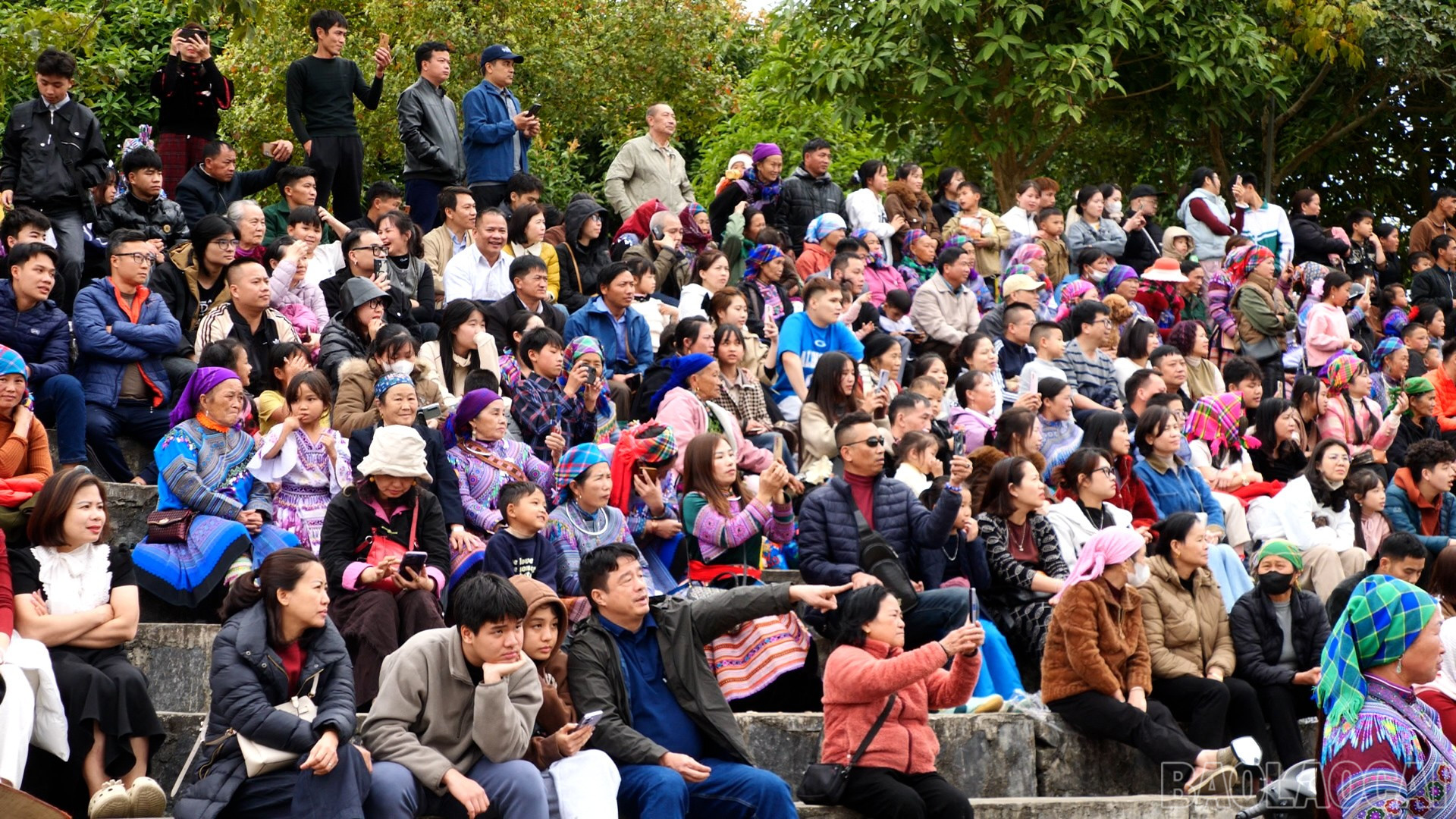
The spring horse race attracts a large number of locals and tourists who come to watch and cheer.
The horse race on the afternoon of the 4th day of the Lunar New Year concluded in a joyful and safe atmosphere, leaving a positive impression on the people and tourists. The rhythmic hooves of horses on the central stadium, mingled with the cheers of thousands of locals and tourists, created a vibrant spring scene amidst the white plateau. More than just a competition for highland jockeys, the event also marked the beginning of a promising new tourism season, further affirming the appeal of traditional horse racing in promoting heritage values and developing unique local products.
https://baolaocai.vn/dau-nam-binh-ngo-len-bac-ha-xem-dua-ngua-khai-hoi-xuan-post894160.html