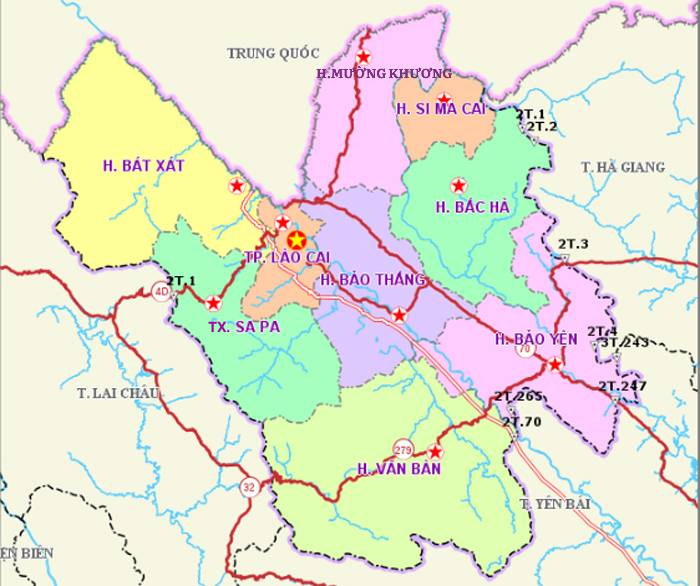
Ceramic murals in Bao Thang commune: Igniting national pride
Bao Thang commune in Lao Cai province is not only an important economic and geographical location, but also stands out with its architectural work bearing a strong cultural imprint and profound educational significance: the ceramic mural located within the Bao Thang Martyrs' Cemetery complex. This work has quickly become a symbol of gratitude and national pride
Recently, anyone passing through Hoang Sao Street in Bao Thang commune (formerly Pho Lu town, Bao Thang district) has been amazed and impressed by the giant mural made of ceramic, resplendent in vibrant colors.
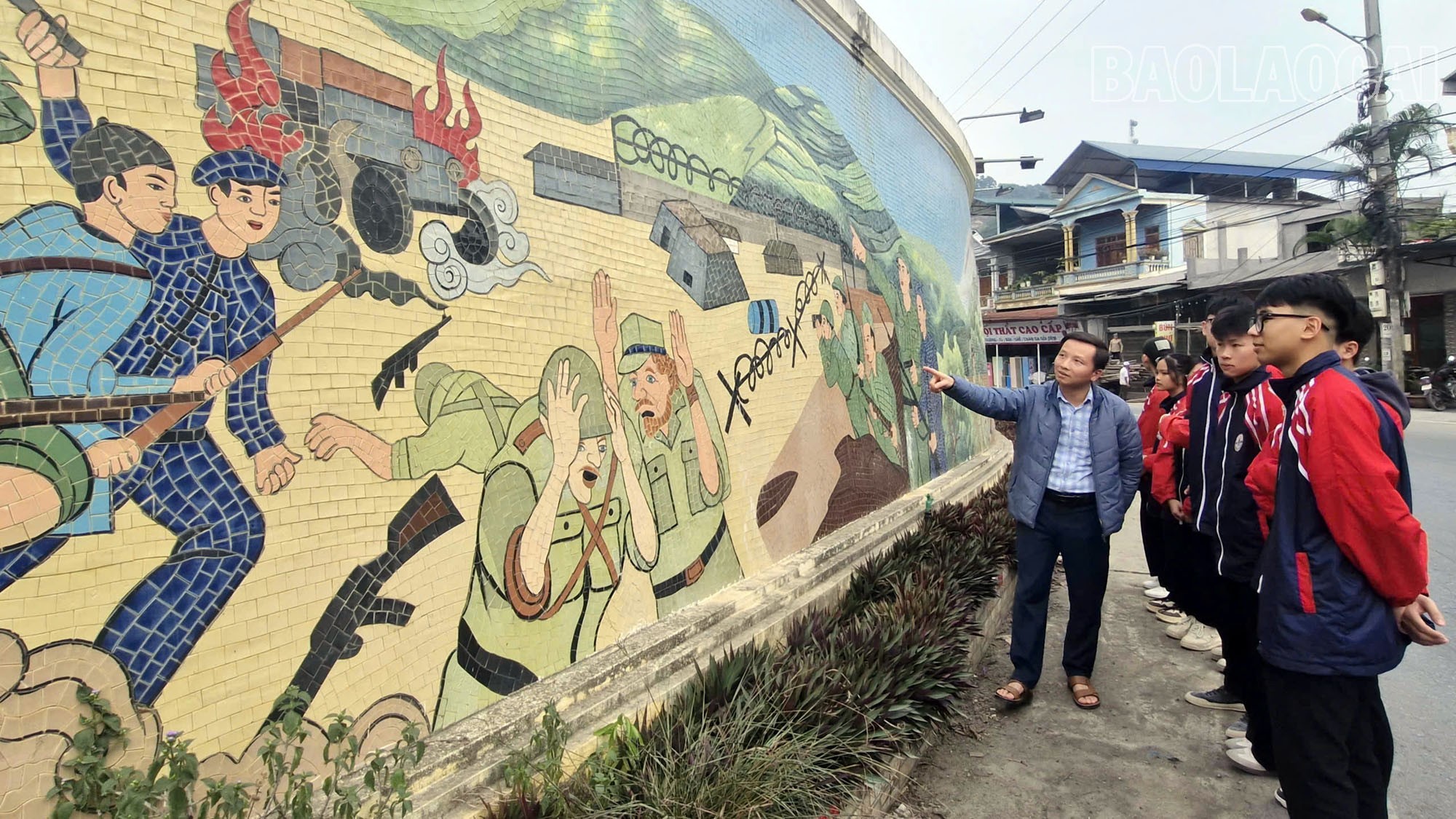
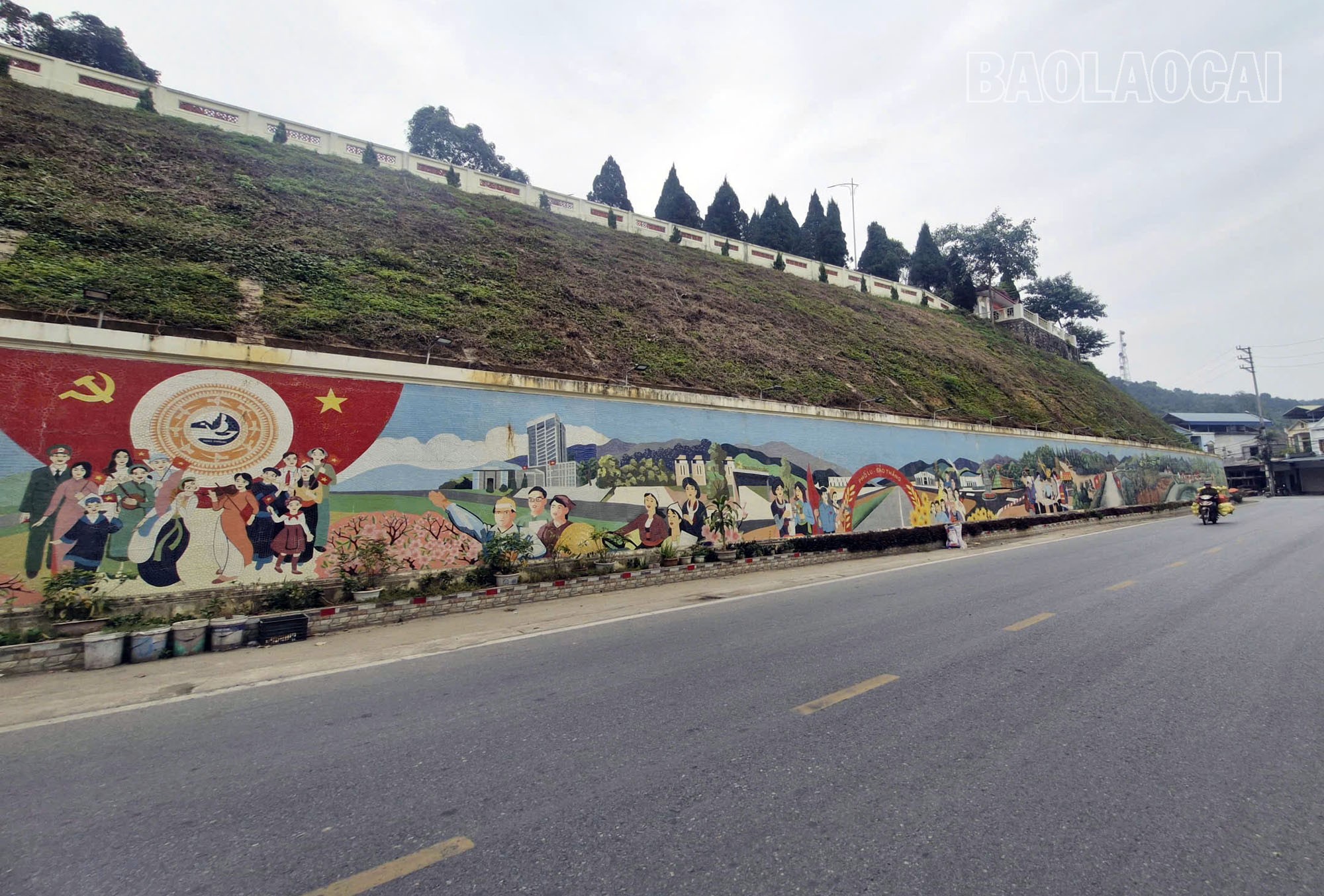
The ceramic mural is located within the Martyrs' Cemetery complex in Bao Thang commune.
The ceramic mural located within the Martyrs' Cemetery complex in Bao Thang commune is a testament to the successful combination of art, history, and education. Measuring over 150 meters in length and approximately 3 meters in height, the structure not only beautifies the martyrs' cemetery but also fulfills a noble mission: educating about revolutionary traditions, honoring heroes, and inspiring patriotism among the entire population.
Mr. Nguyen Van Dai, Deputy Head of the Culture and Social Affairs Department of Bao Thang Commune, emphasized: The ceramic road is located within the Martyrs' Cemetery, the resting place of outstanding individuals who sacrificed their lives for the country. The project was built with the aim of educating the people of Bao Thang Commune and neighboring communes about revolutionary traditions. By showcasing history on durable ceramic materials, the project becomes a vivid and engaging visual medium for conveying historical lessons and instilling patriotism in the community.
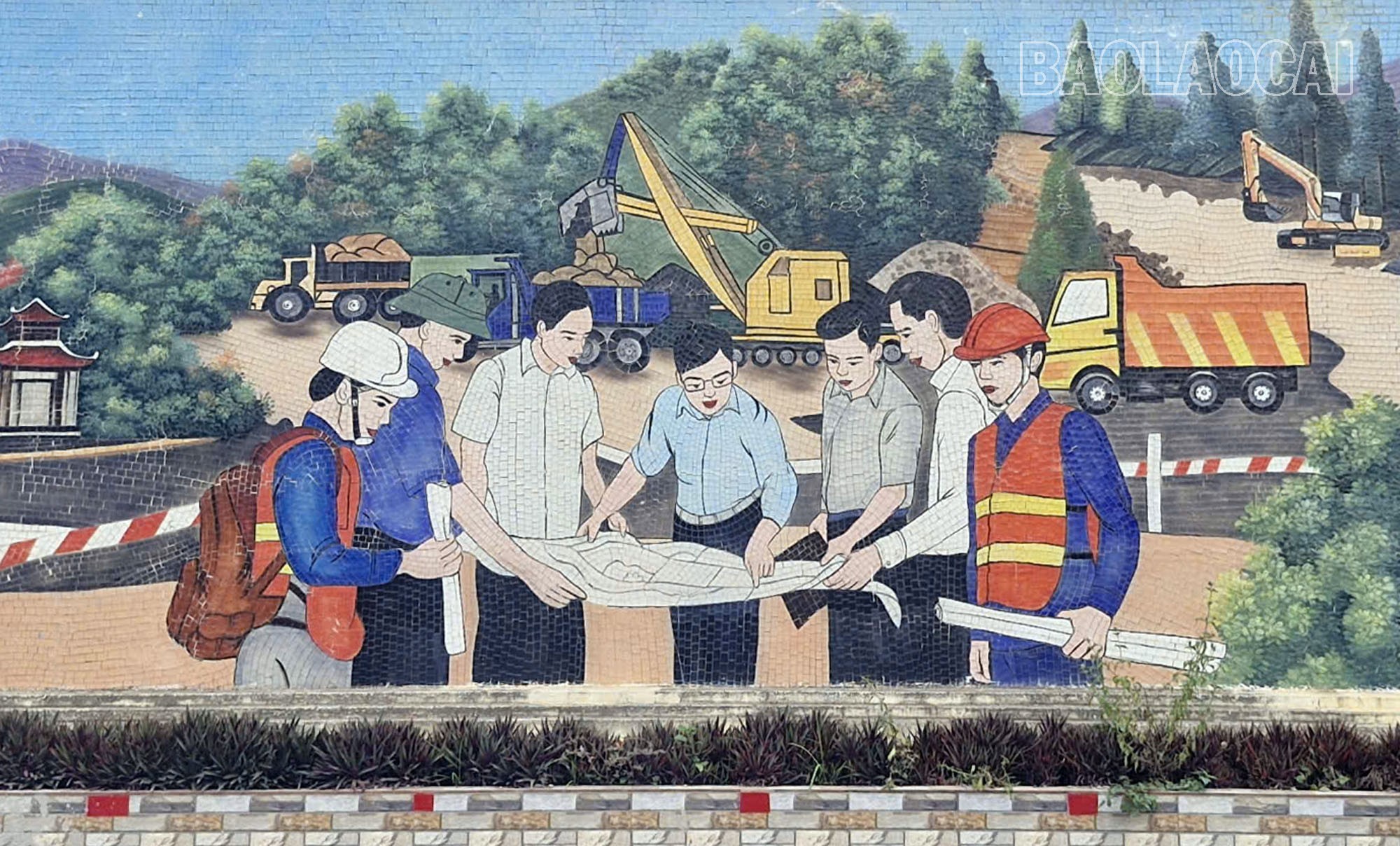
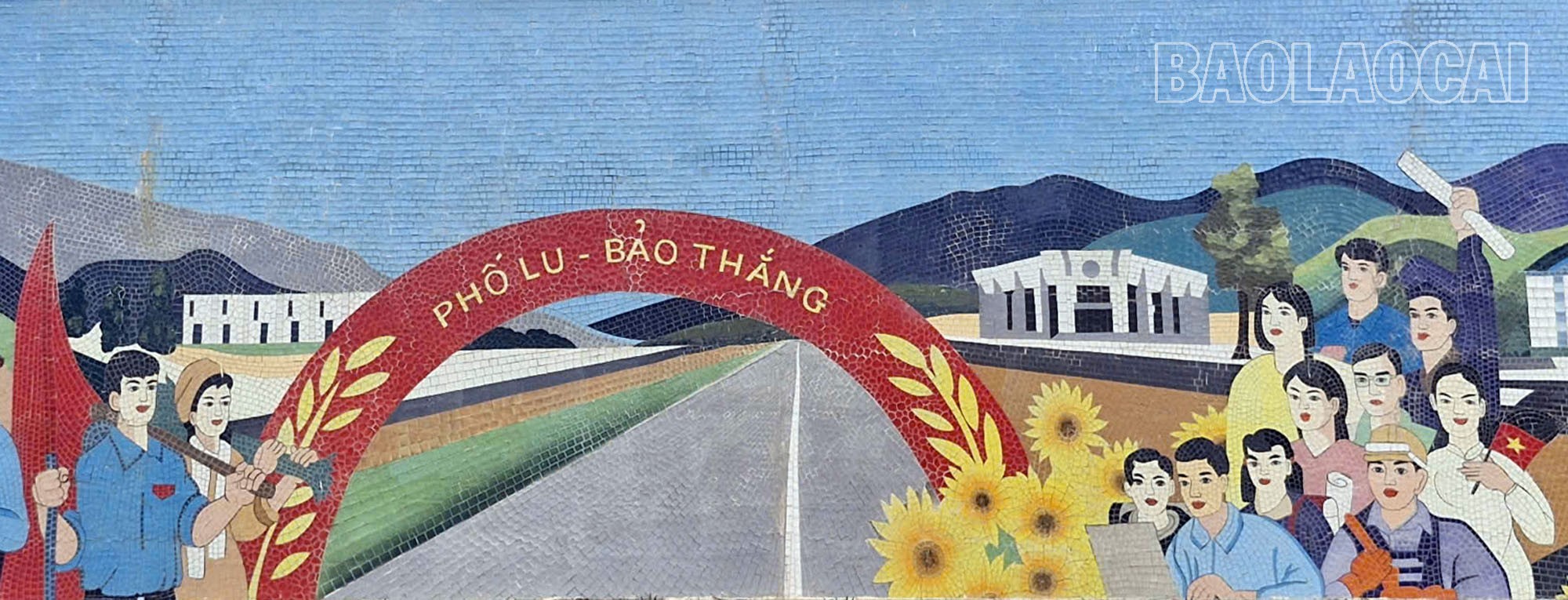
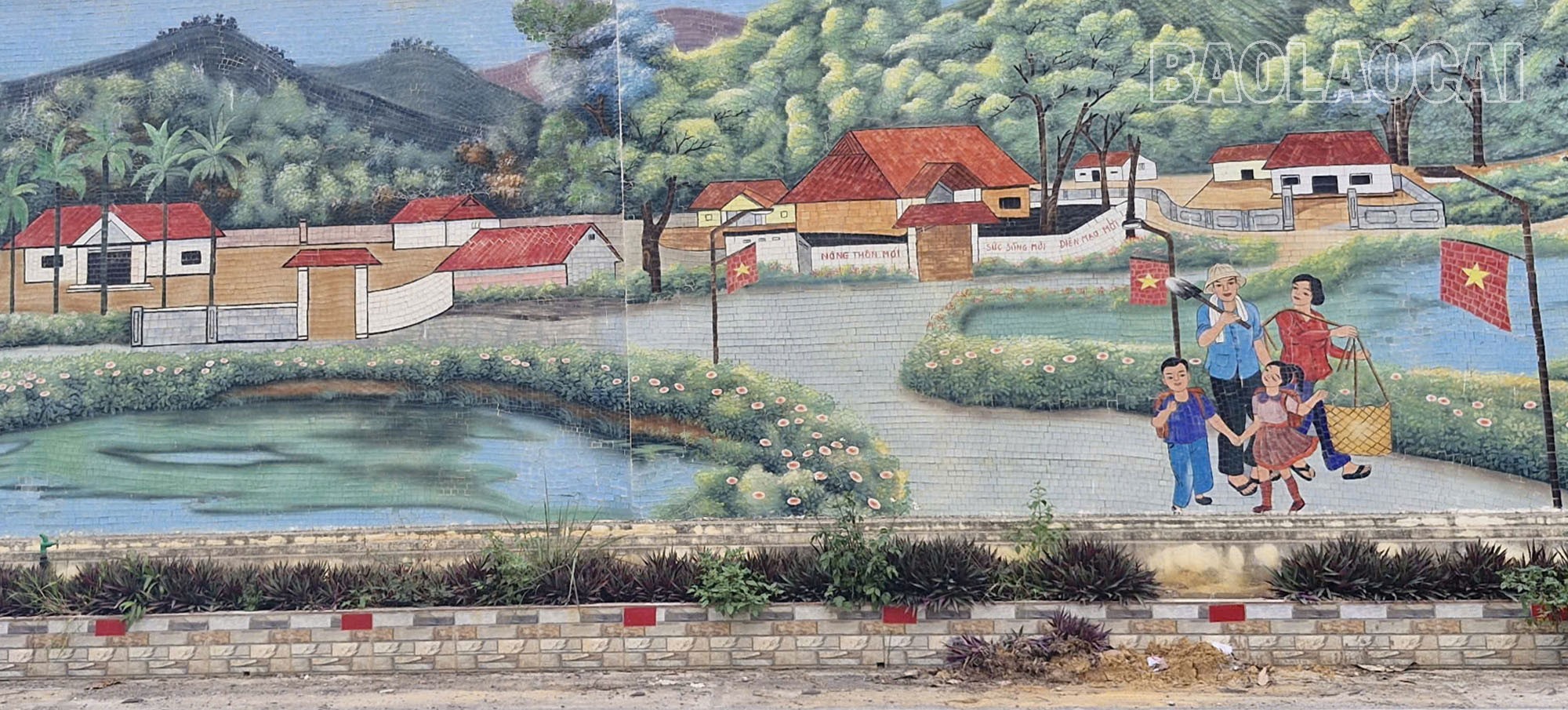
The ceramic mural depicts the construction and development process of Bao Thang commune.
The Bảo Thắng ceramic mural is impressive not only for its meaning but also for its scale of execution. To ensure artistic quality and durability, the former Bảo Thắng district developed a comprehensive and harmonious design. The ceramic mural, like an artistic silk ribbon, recreates the entire history of the locality.
The use of ceramics – a traditional material with high durability and unique aesthetics – allows historical events to be preserved for a long time. Each ceramic piece, each fragment, tells a story of the ups and downs of the historical land of Bao Thang. This is how history is transformed from pages into vivid images, making it easily accessible and enjoyable for locals and tourists alike.
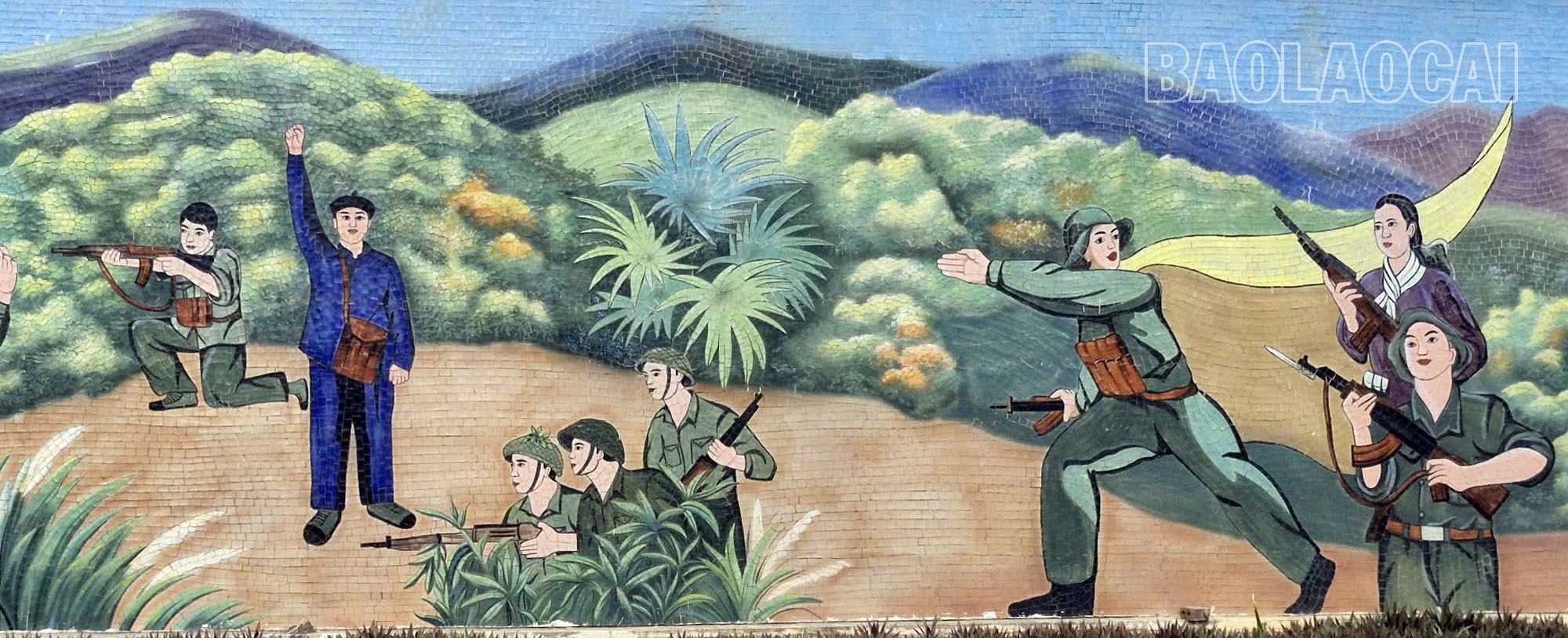
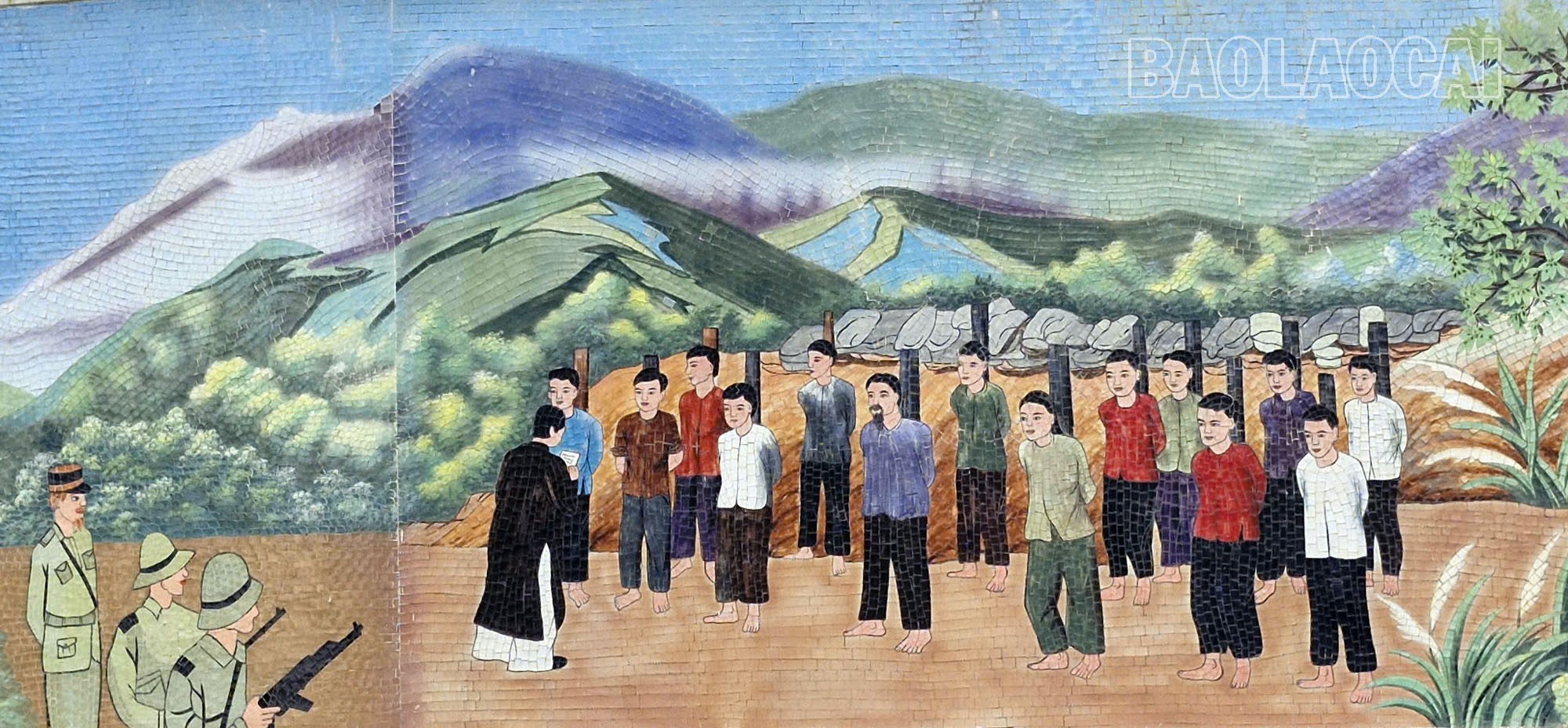
The ceramic mural, like a ribbon of art, recreates the entire glorious history of the local area.
The greatest value of the ceramic road in Bao Thang is clearly demonstrated through the reception and appreciation of the younger generation. Nguyen Hong Phuc, a student at Bao Thang No. 1 High School, shared his feelings: "When I walk along this road to school, I see the murals depicting the construction and development of Bao Thang. I feel proud and love my homeland and country even more."
In particular, the stories of the heroic achievements of our ancestors, depicted in detail on ceramic paintings, have left a deep impression on the people, especially the younger generation.
Nguyen Anh Duong, a student from Bao Thang No. 1 High School, said: "I was most impressed with the painting depicting the victory at Pho Lu Fort. For me, the painting realistically portrays the heroic sacrifice of our ancestors who rose up to drive out the French colonialists."
Mr. Vu Manh Truong, a history teacher at Bao Thang No. 1 High School, said: "The ceramic mural helps students understand the process of building and developing Bao Thang commune, making them more proud and motivated to strive harder in their studies and lives."
The Ceramic Road has transcended the role of a mere decorative structure to become an "open-air historical museum." It is not just an art project, but also a source of pride for the local people, a beacon of patriotism for future generations, helping them better understand the process of building and developing their homeland. The project has transformed an everyday thoroughfare into a sacred space where the past and future intertwine harmoniously and humanely.
https://baolaocai.vn/buc-tranh-gom-su-o-xa-bao-thang-thap-lua-tu-hao-dan-toc-post888789.html