Efforts to narrow the regional development gap
Bridging the gap between mountainous and lowland areas is a crucial task that the entire political system of Lao Cai province is focusing on and implementing through various synchronized solutions. From prioritizing investment in infrastructure development to ensuring social security, creating livelihoods, and increasing income, all efforts are aimed at promoting sustainable development in mountainous regions.
The disparity in development between mountainous, border, and lowland regions stems from the combined effect of numerous objective and subjective barriers. From high, rugged mountainous terrain and harsh climate to limited arable land, sparse population, uneven educational levels, and high poverty rates, these regions face many difficulties in their development process.
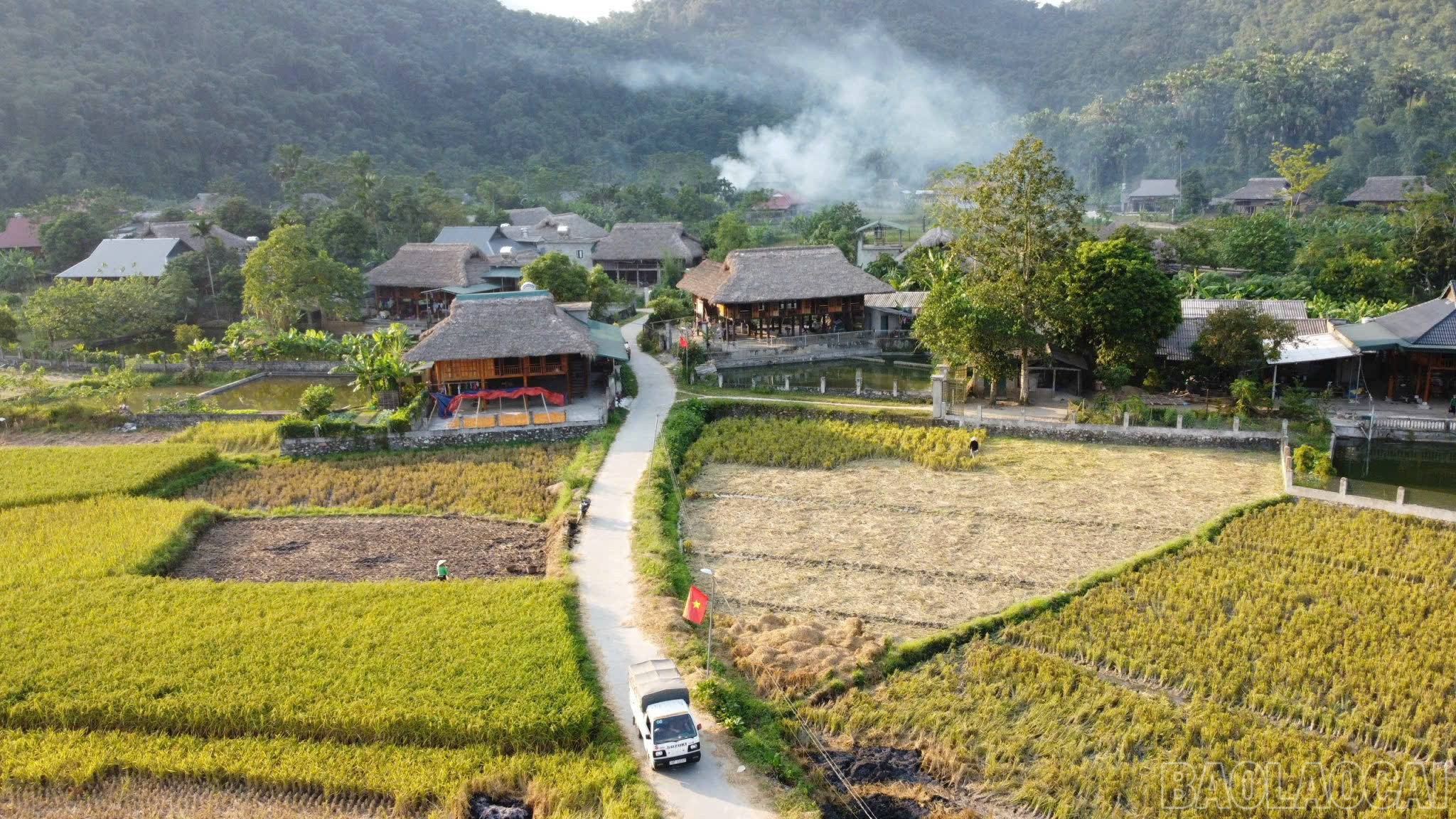
The appearance of the province's highland areas is improving day by day.
With the perspective that "investing in socio-economic development in ethnic minority and mountainous regions is investing in the sustainable development of the country," over the years, along with the rest of the country, Lao Cai province has prioritized resources. Thousands of billions of dong are invested annually in a focused and targeted manner, creating momentum for the sustainable development of this region.
Although Tu Le is a particularly disadvantaged commune in the province, it now boasts a more modern and attractive appearance. This result is thanks to the local authorities' proactive efforts in mobilizing resources, focusing on national target programs, to invest in and comprehensively develop infrastructure across various sectors.
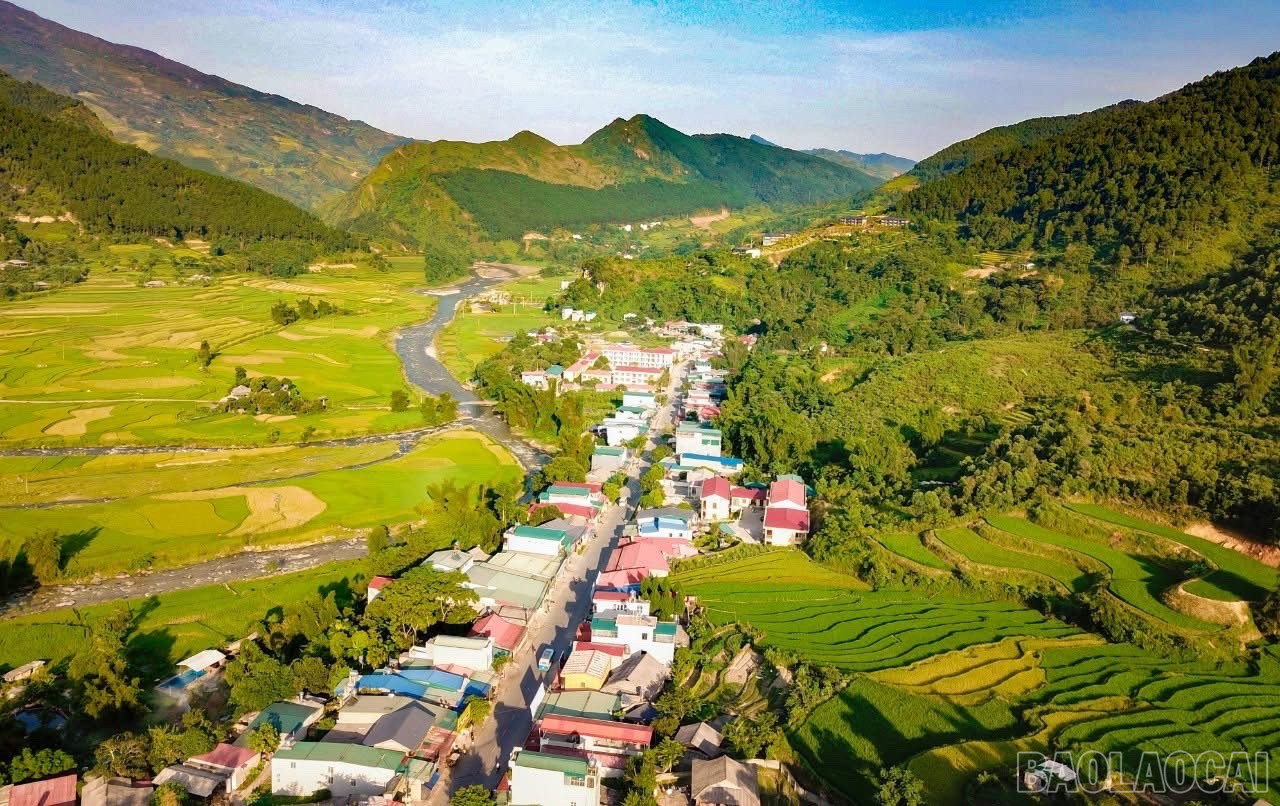
Tu Le commune viewed from above.
During the period 2020-2025, the commune mobilized over 250 billion VND to concrete 11 km of rural roads; construct 16 irrigation canals with a hardening rate of 92%; extend electricity to Ta Dong, Khao Nha, and Nuoc Nong villages; install public lighting systems on main roads and inter-village roads; and invest in building and renovating facilities for many schools, health stations, and cultural centers in the area.

Children in Tu Le commune now have increasingly spacious and modern learning environments.
Thanks to this, from the center of Tu Le commune, more and more roads have been widened and paved with concrete, connecting even the most remote villages. The national power grid has spread to all 16 villages, bringing the light of knowledge and technology closer to the people. Along with that, social welfare policies have been fully implemented, creating a solid foundation for people to develop economically.
Over the past period, my family has received much support, such as health insurance, a water tank, housing, and most recently, two breeding buffaloes to develop livestock farming. Our children also receive free tuition and boarding school fees. We are very grateful to the Party and the State! If we work hard in production, we will surely rise out of poverty.
Mr. Ly A Then, Ta Dong village, Tu Le commune.
Infrastructure development, with its attention and investment, has significantly contributed to raising the intellectual level of the population, improving people's lives, and creating conditions for effectively exploiting strengths and potential for local economic development.
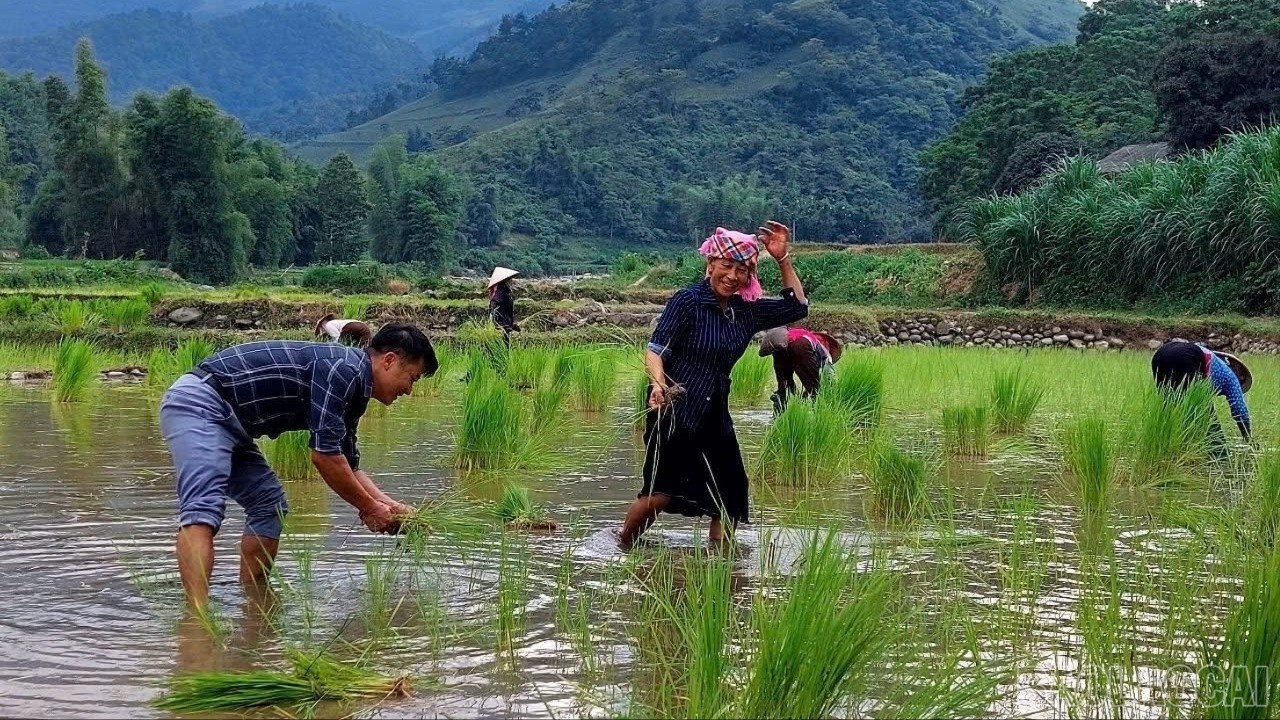
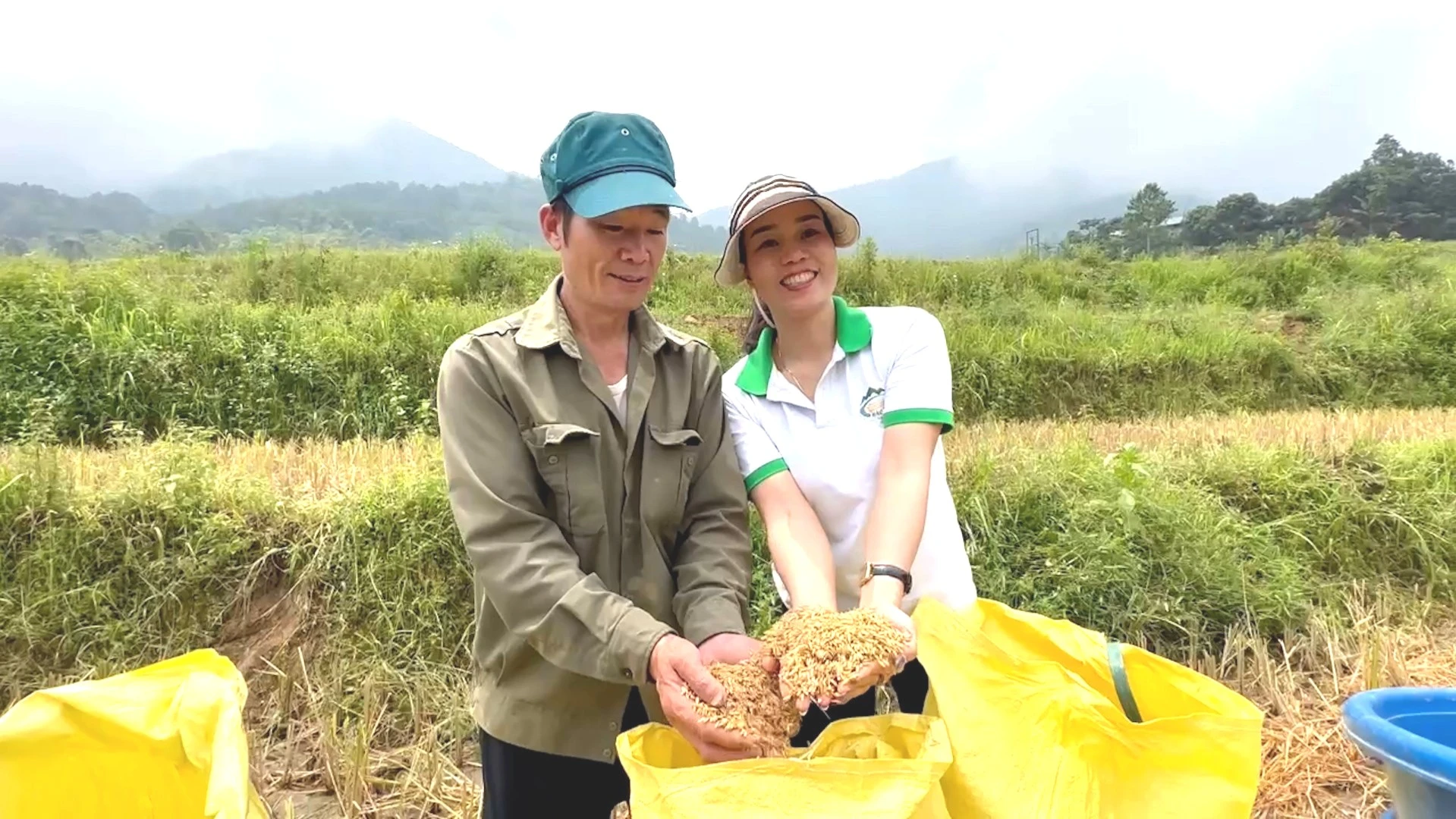
The leaders of Tu Le commune joined the villagers in planting rice for the main crop season.
By the end of 2025, the poverty rate in the commune will decrease to 13.17%, equivalent to 340 households, the near-poverty rate will be 7.51%, equivalent to 194 households, and the average per capita income will increase to 48 million VND/year.
Mr. Dinh Khanh Tung - Vice Chairman of the People's Committee of Tu Le Commune.
Not only in Tu Le, but the new appearance is also becoming increasingly evident in other mountainous and particularly disadvantaged communes in the province. During the period 2021-2025, the entire province had 35 communes and 453 villages that escaped the status of being particularly disadvantaged.
To date, 100% of communes have paved or concrete roads connecting to the center; 98% of villages have hardened roads leading to the center, creating favorable conditions for trade and meeting the transportation needs of the people.
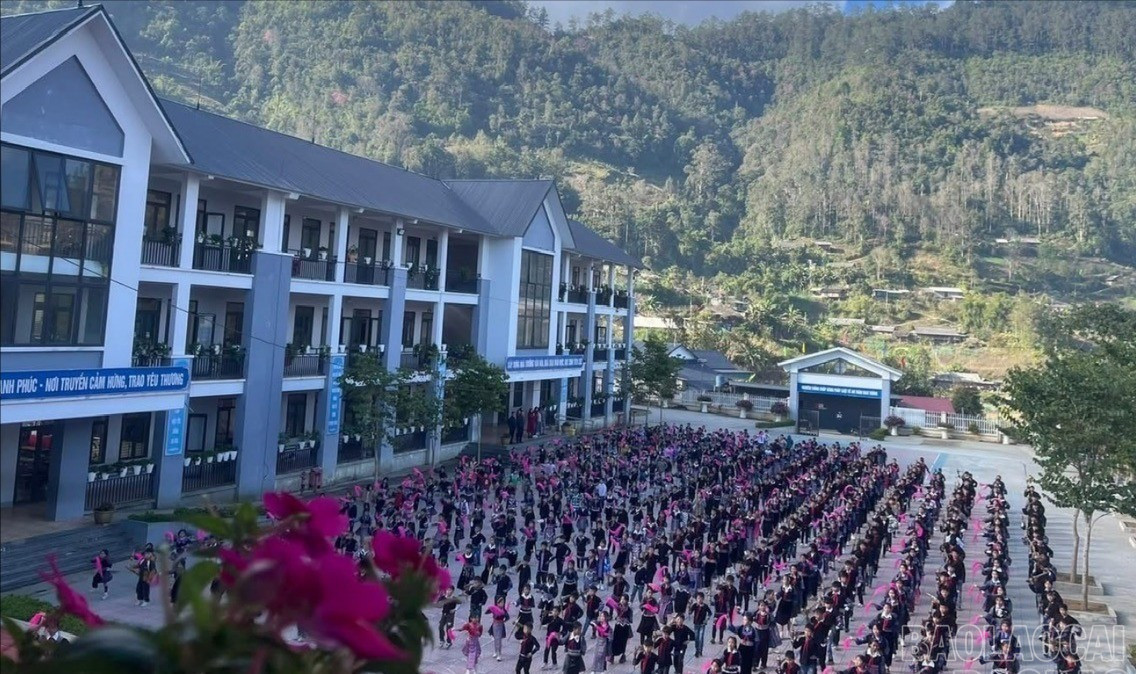

Lao Cai province prioritizes investing trillions of VND each year to build infrastructure for ethnic minority areas and areas facing extreme difficulties.
Basic social services also saw significant improvements: 98.5% of households have access to the national power grid and suitable power sources; 94.35% of ethnic minorities have access to clean drinking water; 100% of commune health stations are built with solid structures; the rate of solid classrooms reached 92.81%; and 97.5% of villages and residential areas have community centers.
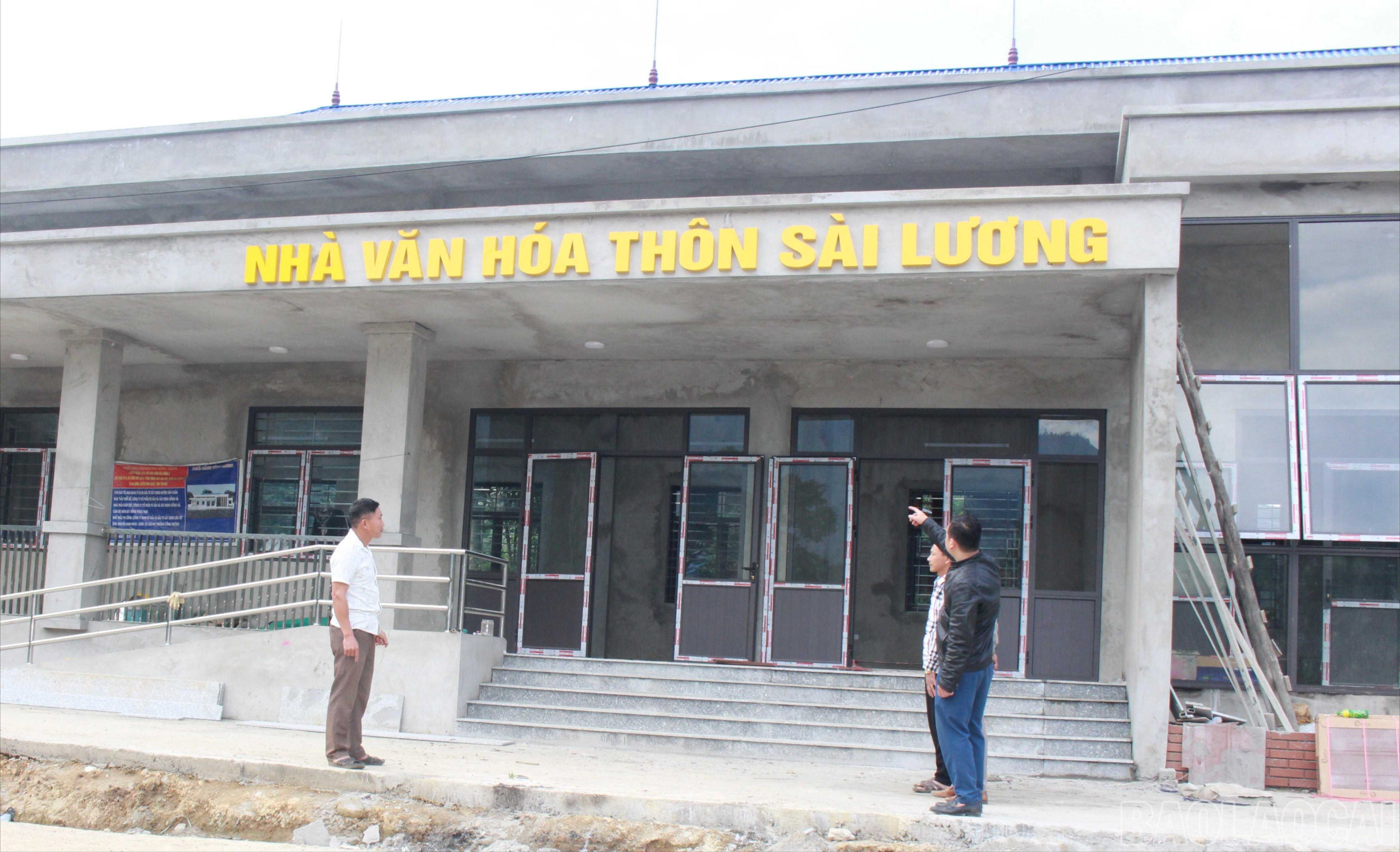
Throughout the province, 97.5% of villages and residential areas have community centers.
The poverty rate among ethnic minorities has decreased by an average of 6.74% per year, and the average per capita income of ethnic minorities in mountainous areas has increased to 33.25 million VND.
The changes are not only reflected in statistics but are also confirmed by the belief and satisfaction of the ethnic minority people themselves.
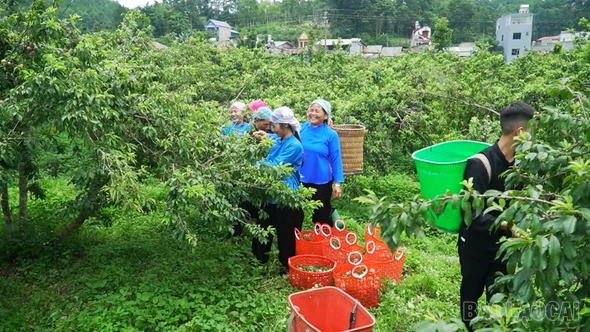
Ms. Mua Thi Sung (Sai Luong 2 village, Mo Vang commune) shared: “Every villager clearly feels the changes in our homeland. The changes are evident from the electric lights at night, the concrete roads leading to the village, to our children being able to go to school. While before our family only hoped to have enough to eat, now we earn nearly 100 million dong per year thanks to cinnamon cultivation, supported by the government with seeds and technical assistance. That support is a huge foundation, but we understand that we cannot rely on it forever; we must stand on our own two feet, work diligently, and change our mindset for a truly sustainable life.”
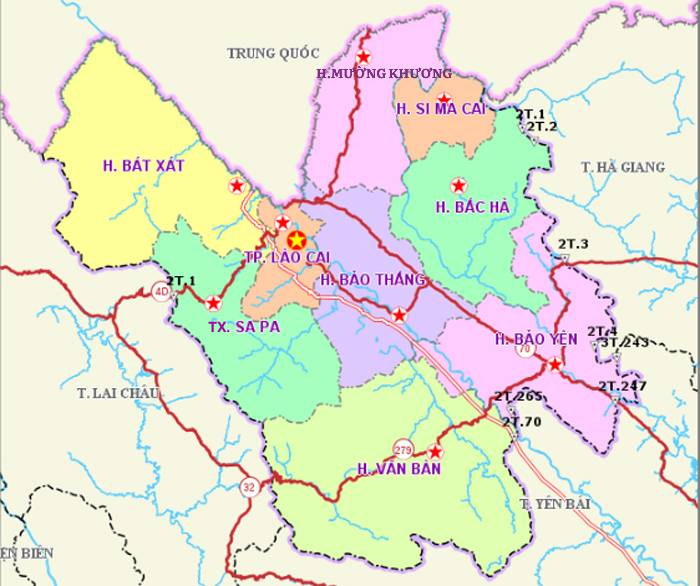
With 2,438 villages and 95 communes in mountainous ethnic minority areas, including 1,033 villages and 47 communes facing extreme difficulties, Lao Cai province has identified the period 2026-2030 as a time to continue investing in and improving essential infrastructure, supporting production and livelihoods, and promptly addressing pressing and specific challenges to promote comprehensive development for ethnic minorities.
The total resources expected to be mobilized for the implementation of national target programs are approximately 29,500 billion VND. With these resources, Lao Cai province aims for comprehensive and inclusive development in ethnic minority and mountainous areas; to achieve multidimensional and sustainable poverty reduction, ensuring social security and gender equality. Simultaneously, the province focuses on improving income, quality of life, and access to basic services for the people, gradually narrowing the development gap between mountainous areas and other regions.
Narrowing the regional development gap is a journey towards social justice and sustainable development. While state resources serve as a lever, the self-reliance of the people is the most solid foundation. Only when the people truly become the main actors, transforming difficulties into motivation to rise up, will all gaps truly be erased.
https://baolaocai.vn/no-luc-thu-hep-khoang-cach-phat-trien-vung-post890871.html