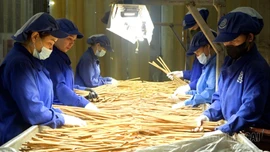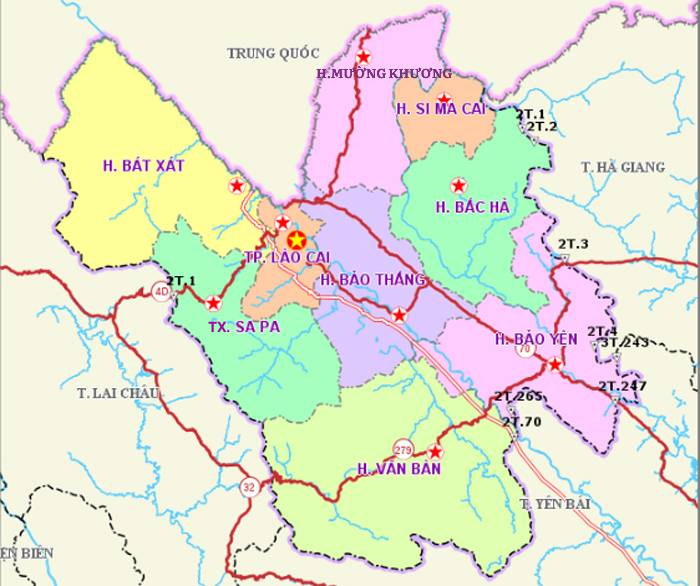
Developing commodity production in ethnic minority areas.
In recent years, developing commodity production in ethnic minority areas of Lao Cai province has become a priority development direction, ensuring livelihoods for the people while promoting local economic development.
From small-scale, fragmented production models, many localities have proactively shifted to concentrated production, linked to the market and quality standards, creating products with their own brands.
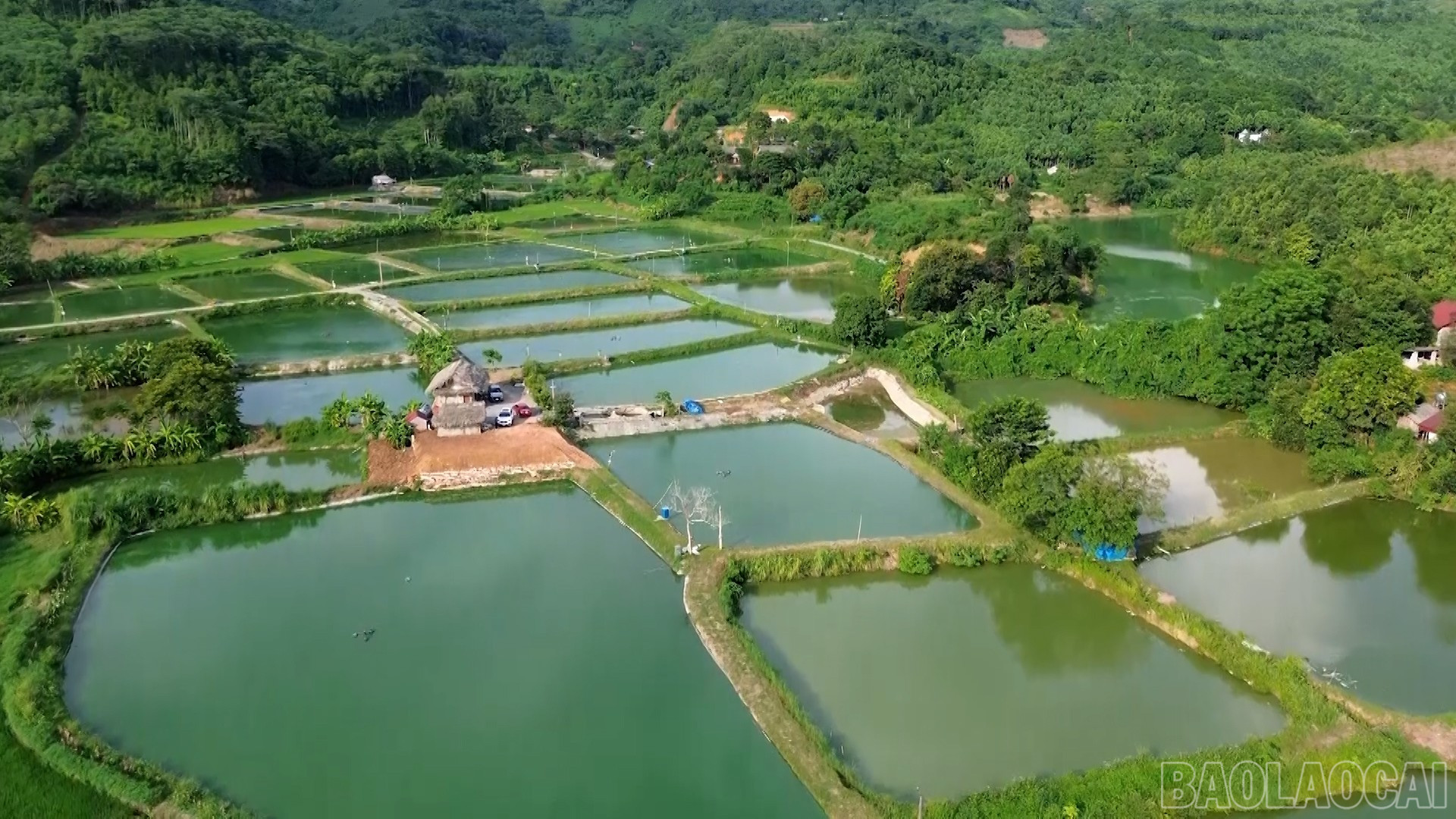
Many localities have shifted from small-scale production to a more concentrated approach.
In Cam Nhan commune, where over 86% of the population are ethnic minorities, the people have boldly invested in developing household economies, especially in large-scale, commercial livestock farming, yielding clear results.
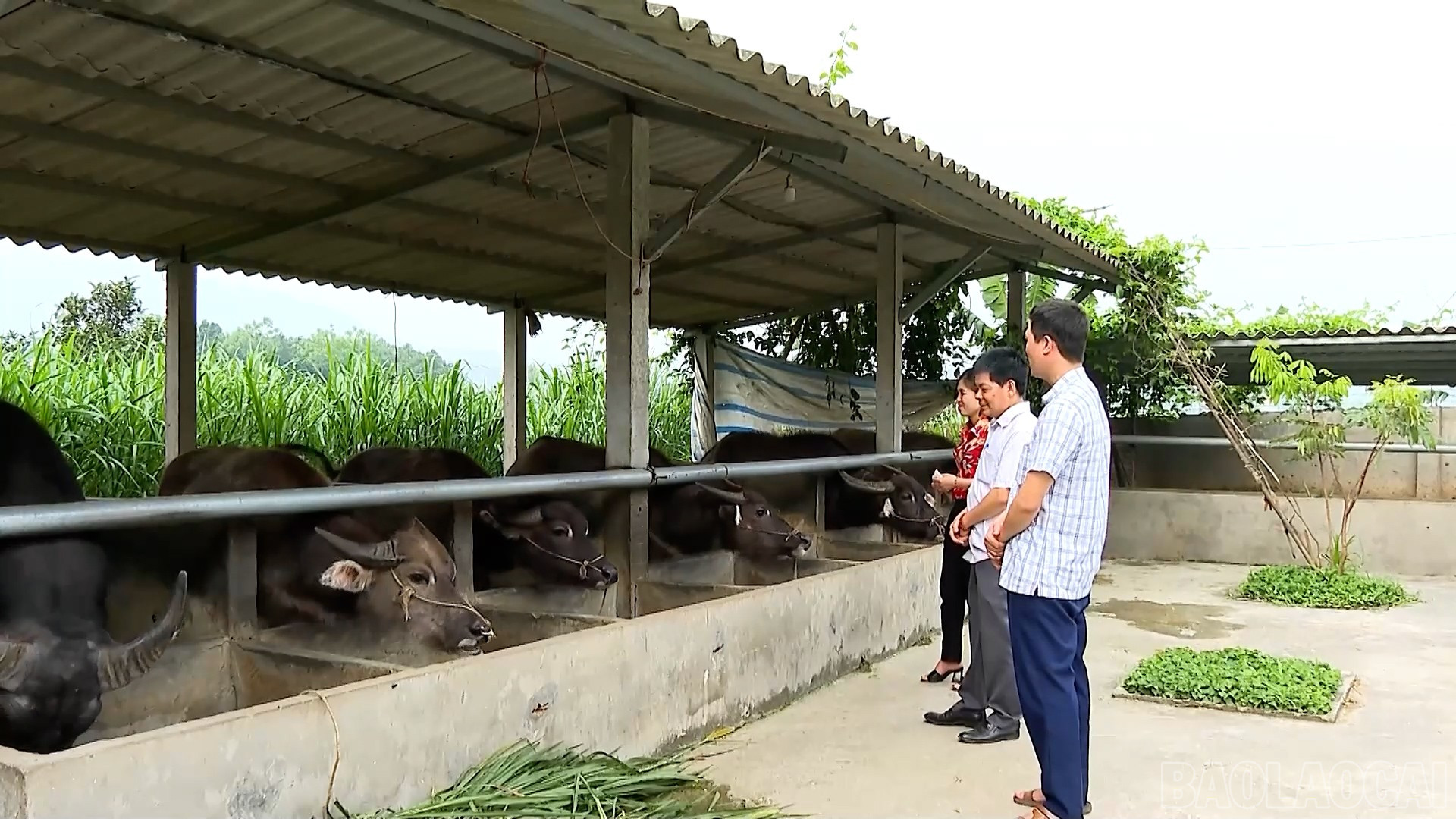
A typical example is the livestock farming model of Ms. Vuong Thi Tho's family, a Tay ethnic minority member from Thai Y village, Cam Nhan commune. Starting with just a few small cows, this model has now become the main source of income for her family. Recognizing the effectiveness of developing livestock farming towards a commercial scale, Ms. Tho boldly expanded her herd to over 100 buffaloes and cows, thereby creating a stable and sustainable income for her family.
Ms. Tho shared: “After seeing that raising cows brought in income, I decided to expand the scale. After a few months, each cow can yield a profit of 3-4 million VND. We follow a proper process, disinfect the barns, and provide full vaccinations, so we can limit disease outbreaks and the herd grows well.”
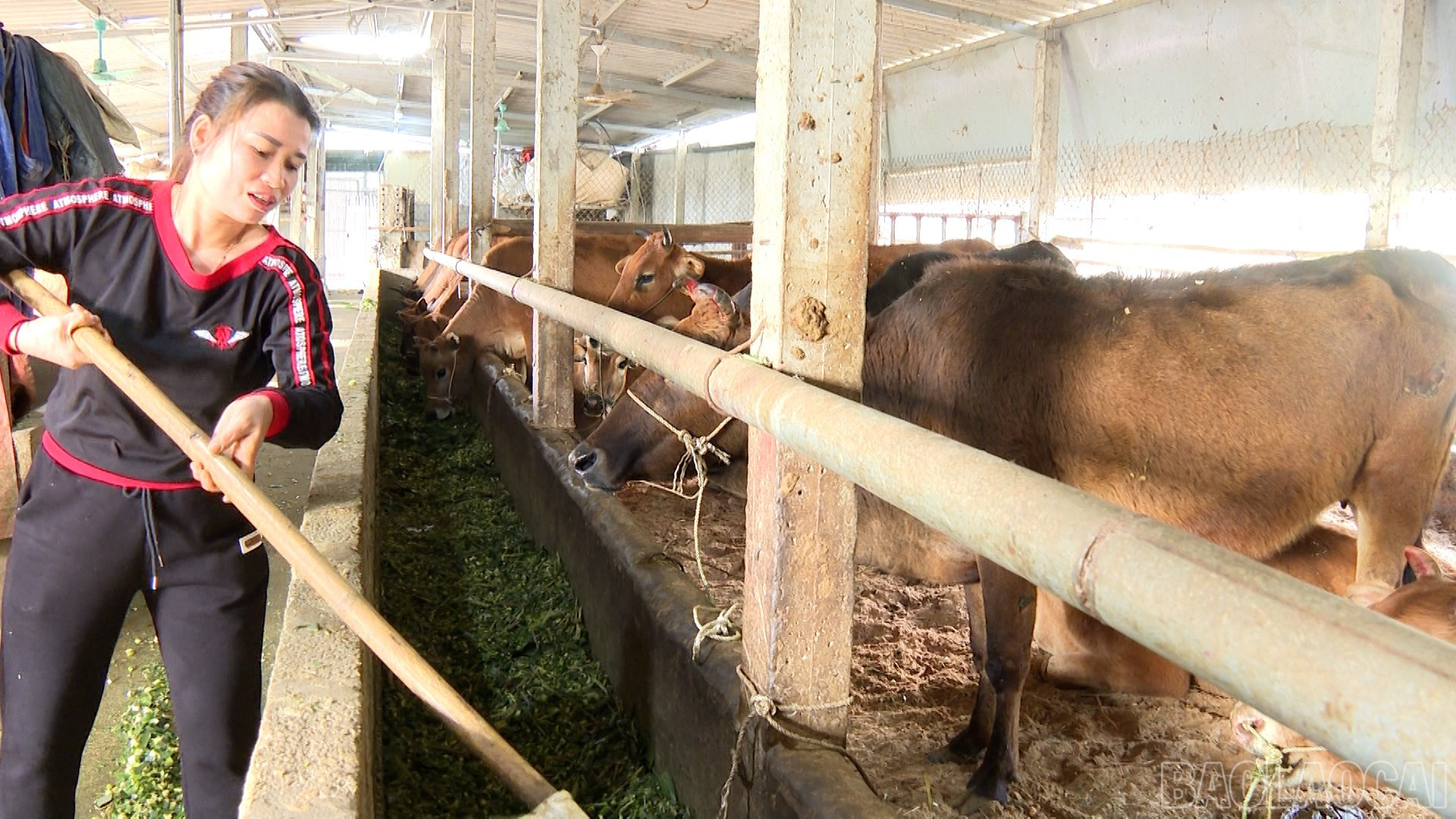
Ms. Vuong Thi Tho's cattle farming model has a scale of over 100 cows.
Besides developing large-scale livestock farming, many households in Cam Nhan commune have also found new directions with specialty livestock such as porcupines and local pigs, which have brought high economic efficiency and diversified income sources. The locality aims to raise the average income to 61 million VND/person/year by 2030, towards improving the lives of ethnic minority people.
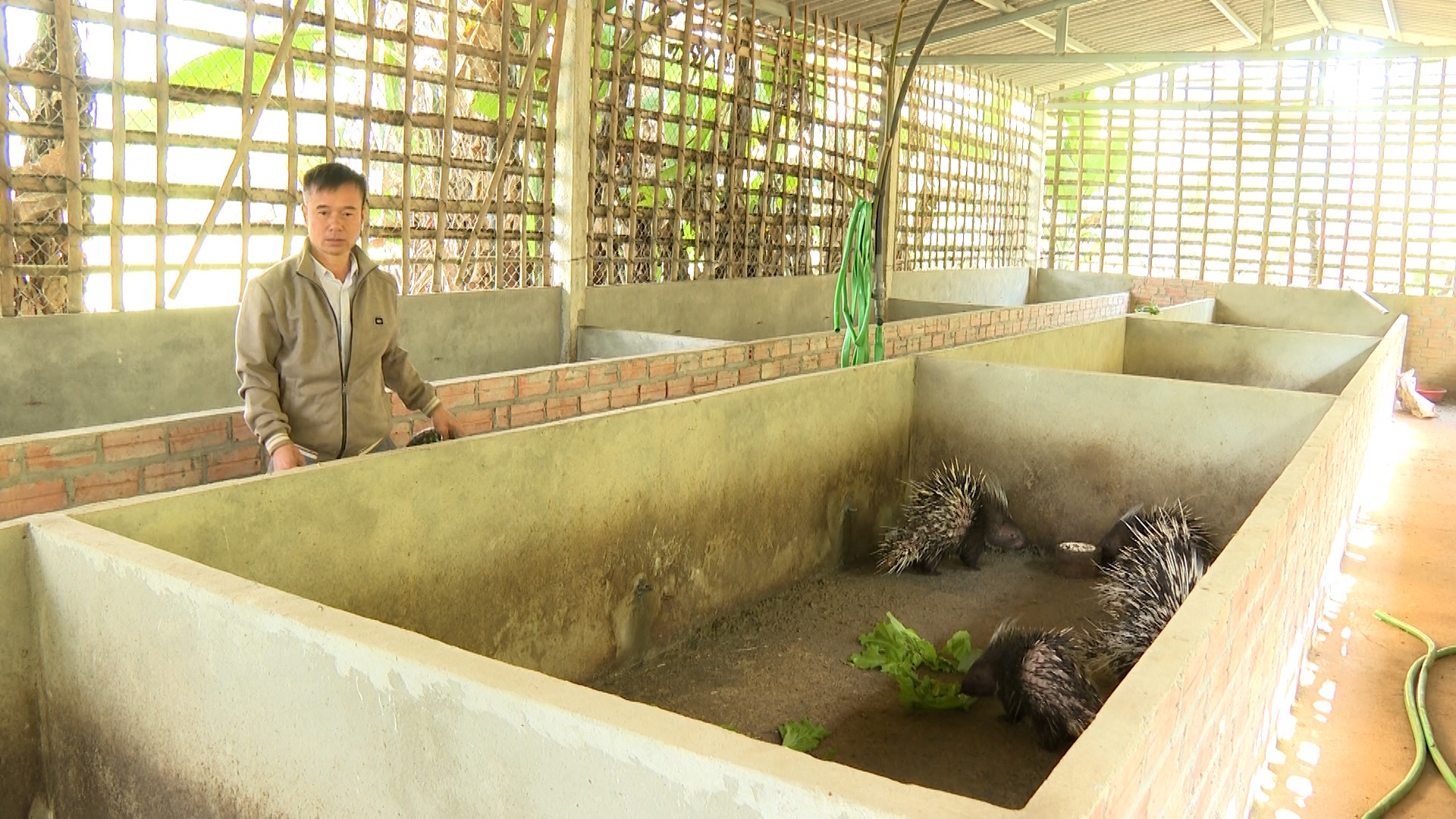
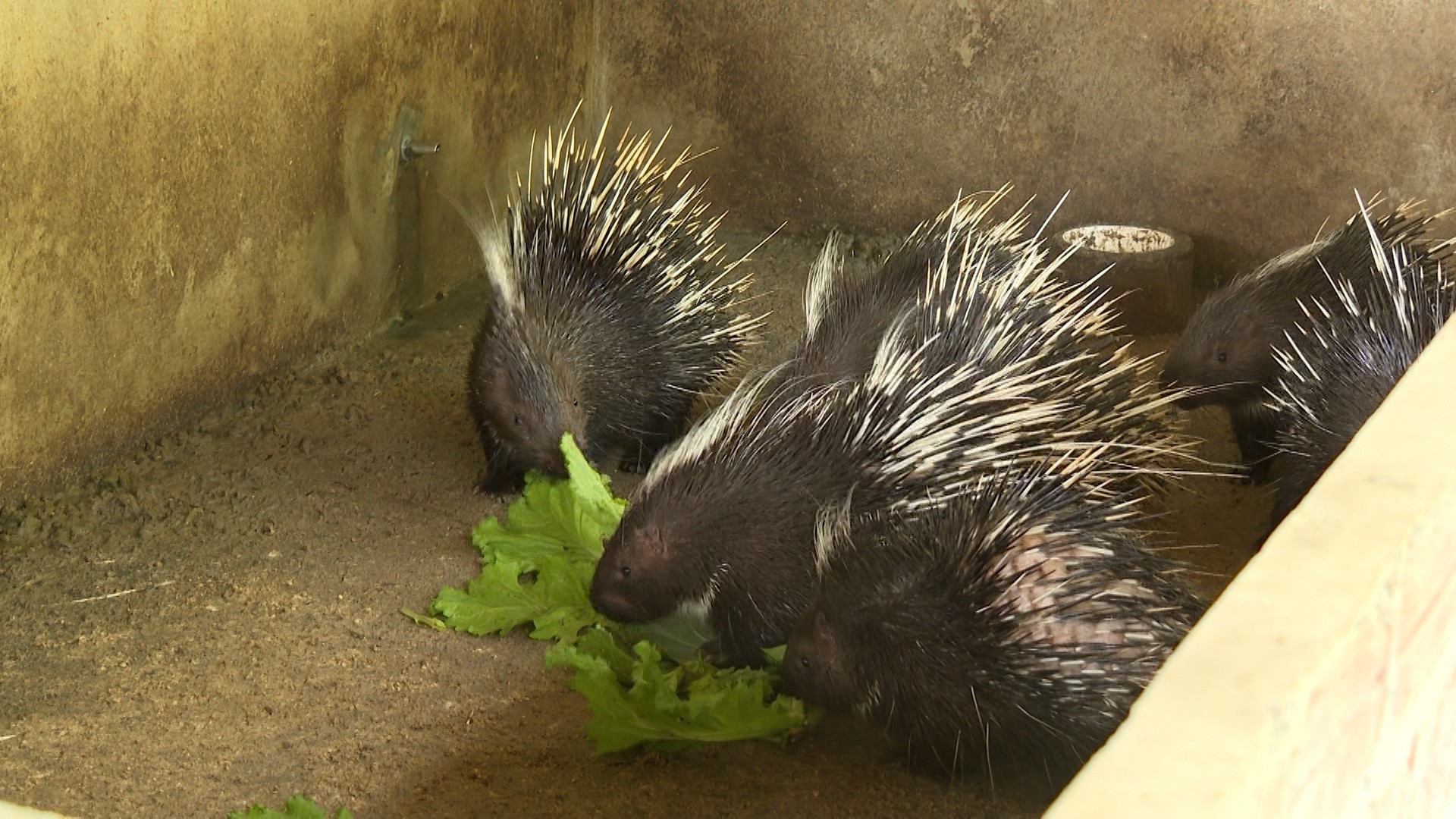
Many households in Cam Nhan commune are finding new directions with specialty livestock farming.
Mr. Ta Huu Tinh, Vice Chairman of the People's Committee of Cam Nhan commune, said: Many commercial livestock farming models have initially shown clear effectiveness, creating motivation for households to boldly expand their scale. In 2026, the commune will strengthen links with product suppliers and consumption markets and expand the raising of large livestock. At the same time, it will develop more high-quality agricultural models, such as growing specialty crops and medicinal plants. In addition, the commune will focus on implementing technical training, guidance on care procedures, disease prevention and control, and the application of quality standards to ensure product safety and increase economic value.
Phinh Ho commune, the third largest commune in Lao Cai province, was formed by merging three communes: Phinh Ho, Lang Nhi, and Ban Mu (formerly Tram Tau district, Yen Bai province). The area is vast, the population is scattered, mainly inhabited by the Mong ethnic group, and the terrain is predominantly mountainous with steep slopes.
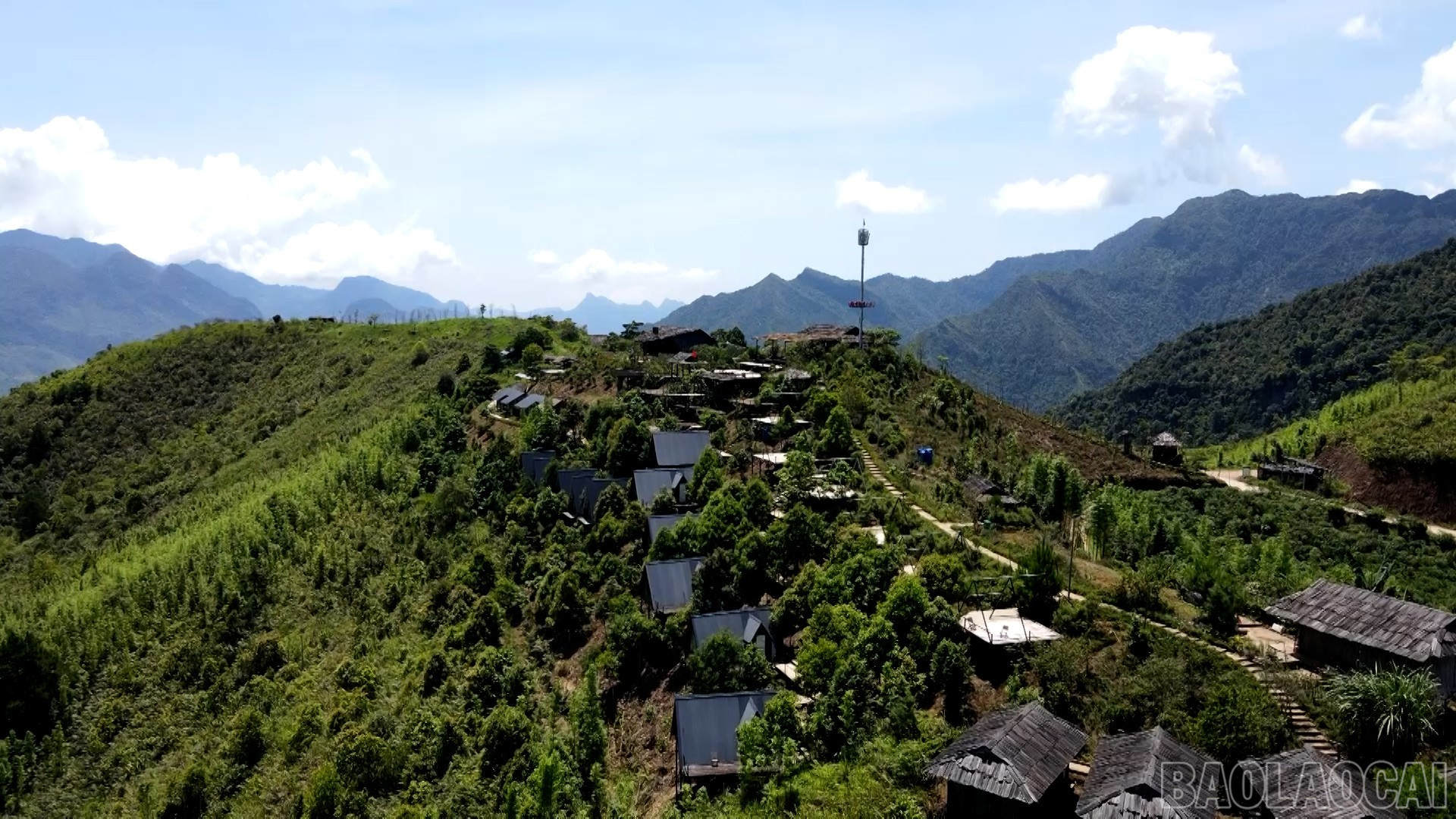
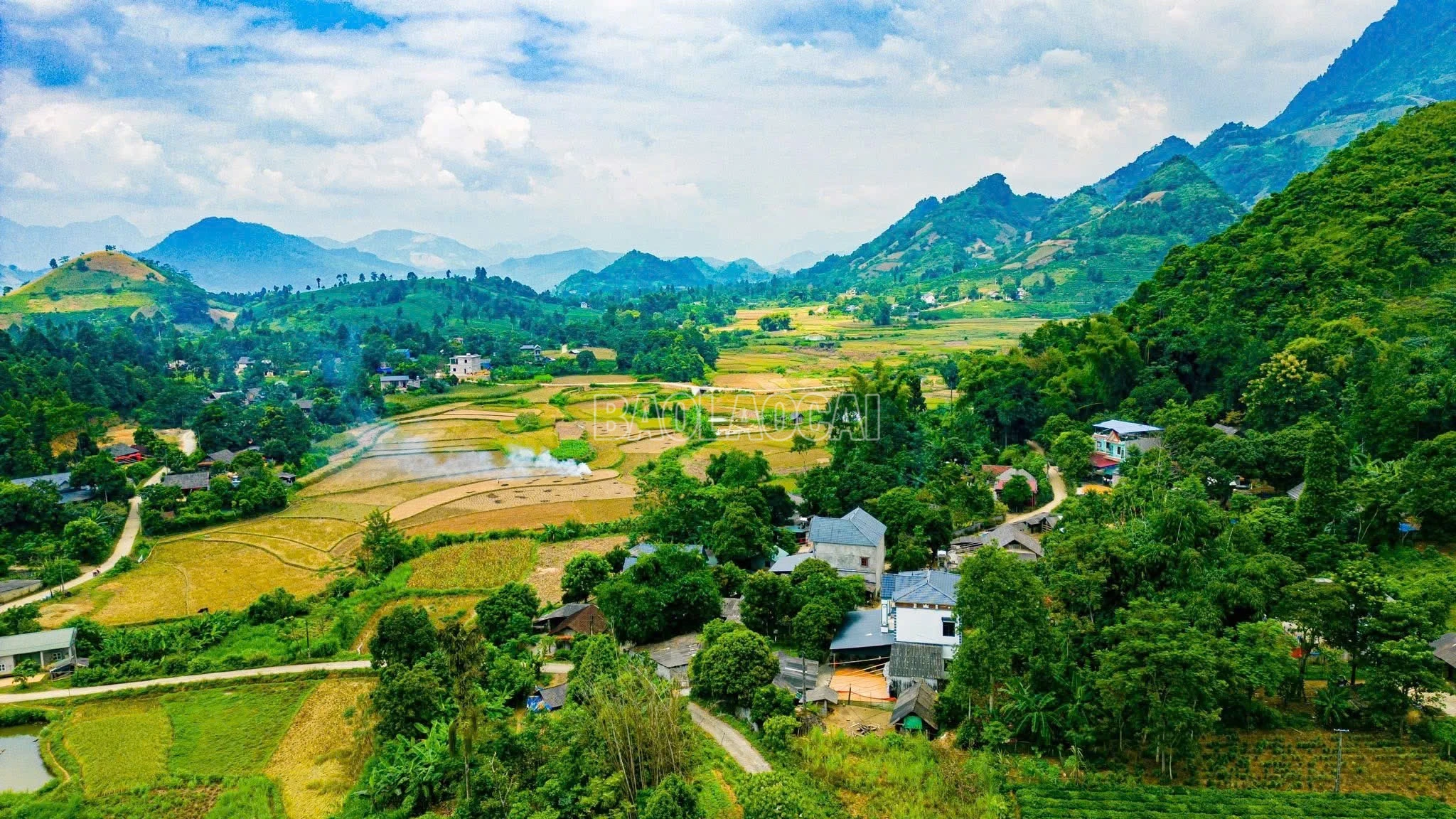
Phinh Ho commune viewed from above.
Given these natural conditions, transportation is not just about getting around, but also directly impacts people's livelihoods, access to healthcare and education, and even their opportunities for change. Local authorities have encouraged people to develop production based on existing advantages such as raising large livestock, cultivating medicinal plants, growing tea, and cultivating taro on hillside fields…
Ms. Ho Thi Sua's family in Ta Chu village boldly experimented with goat farming after learning from experiences in many places. Currently, her family's goat herd has increased to nearly 100 animals, bringing in an income of about 100 million VND per year. In addition, combining goat farming with poultry farming has helped Ms. Sua's family build a spacious house and ensure their children receive a full education.
Sharing her experience, Ms. Sua said: "Raising goats suits my family's circumstances very well. I can still go to work in the morning and graze them in the afternoon. Goats reproduce twice a year, so the income is higher than raising cows or buffaloes."
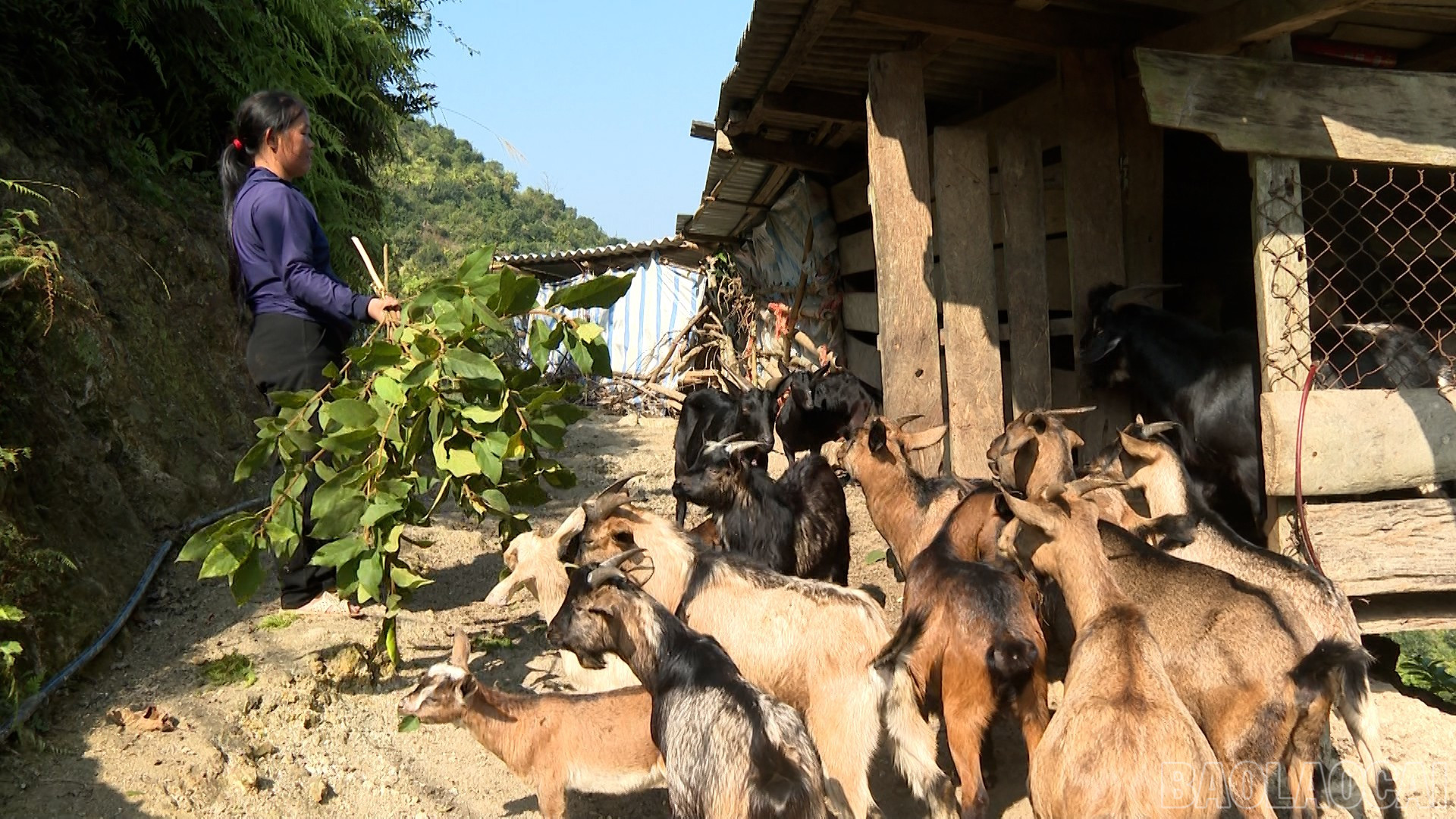
The goat farming model of Ms. Hờ Thị Súa's family.
From a remote and disadvantaged mountainous commune, the lives of the people in Phinh Ho commune have undergone many positive changes. The commune's poverty rate has decreased by an average of 8.8% per year, exceeding the assigned target, and the average per capita income is expected to reach nearly 30 million VND per year by 2025. In particular, in recent years, many young people in Phinh Ho commune have adopted digital technology and learned about new production models such as ginseng cultivation to apply locally, contributing to increasing the value of the product.
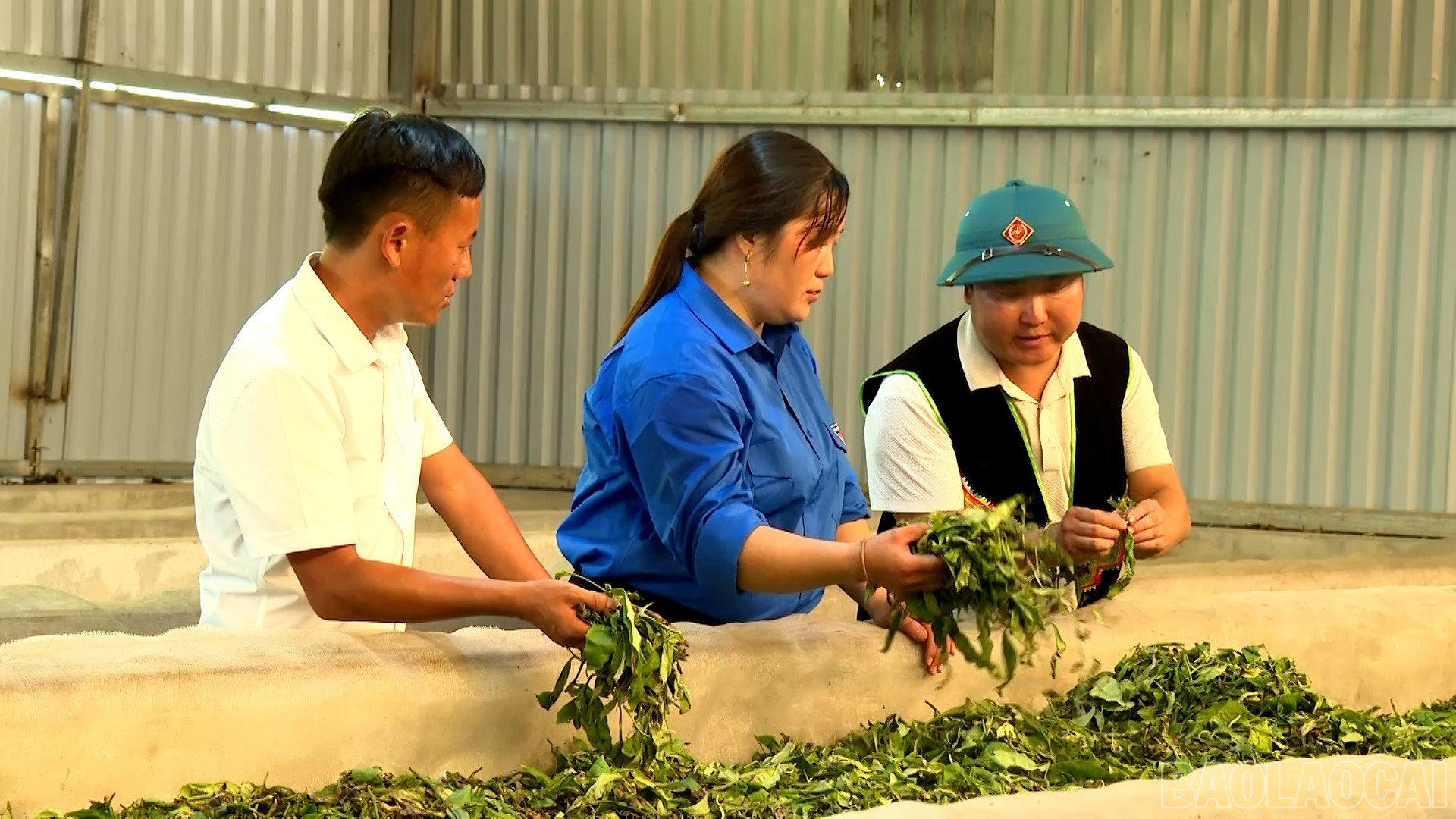
Many young people in Phinh Ho commune are developing their economy based on the strengths of the locality.
Ms. Sung Thi May, Secretary of the Ho Chi Minh Communist Youth Union of Phinh Ho commune, said: "Currently, there are many successful youth startup models in the commune based on local strengths. A notable point is that young people have learned to link production from input to product consumption, while also promoting on social media and applying digital technology. Thanks to this, it not only helps develop the economy but also creates jobs for the people."
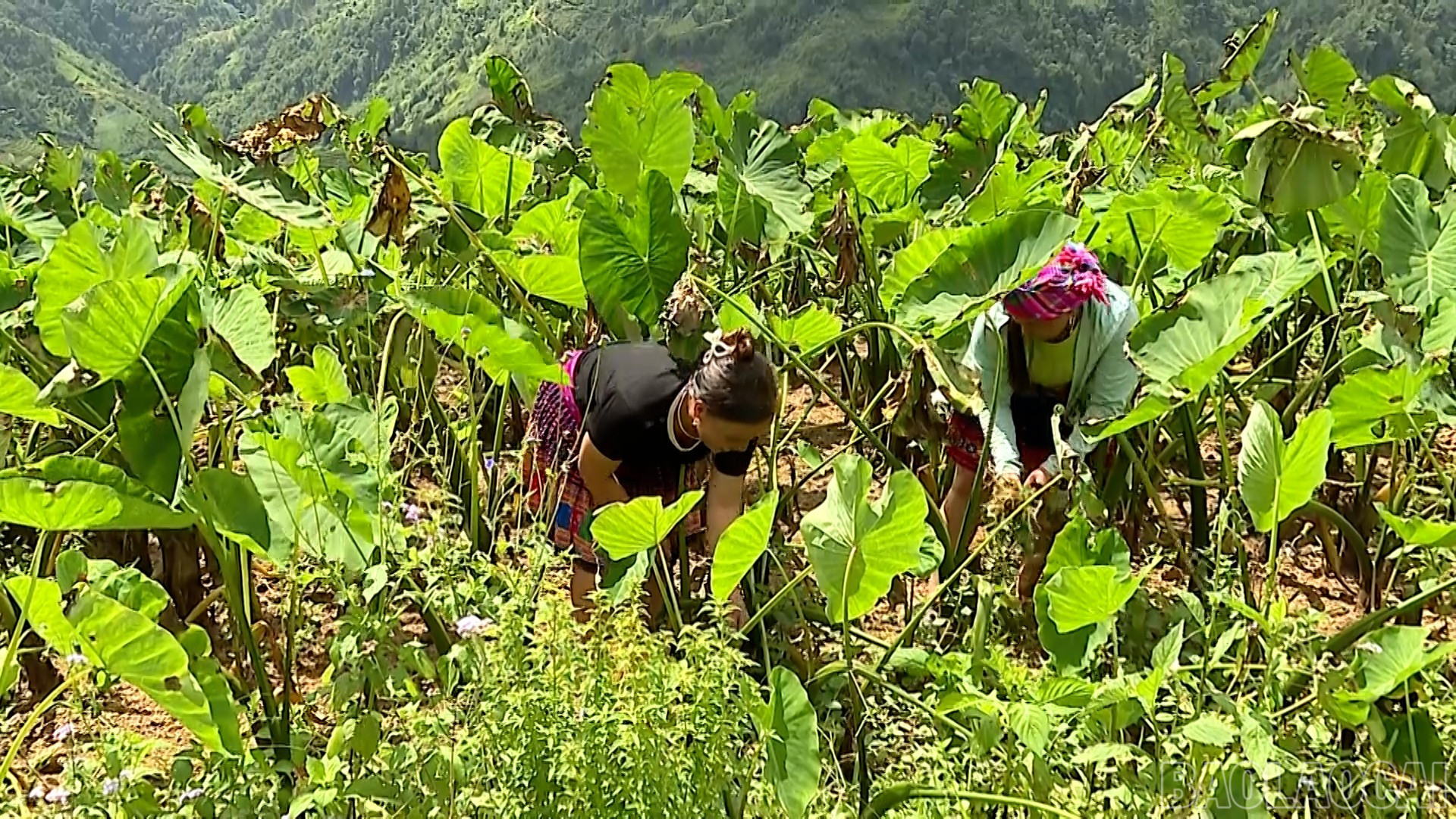
Upland taro - a crop that brings high economic value to the people of Phình Hồ commune.
Lao Cai is a mountainous province with a highly fragmented terrain and a climate that varies significantly with altitude. This diversity has created many unique ecological sub-regions, suitable for many endemic crops and livestock such as: Tam Hoa plums from Bac Ha, ancient Shan Tuyet tea, Seng Cu rice, and medicinal herbs from Sa Pa…
According to aggregated data from the agricultural sector, by 2025, the value of agricultural, forestry, and fisheries production in Lao Cai province will reach nearly 19,500 billion VND; many concentrated commodity production areas will be formed, linked to consumption markets inside and outside the province.
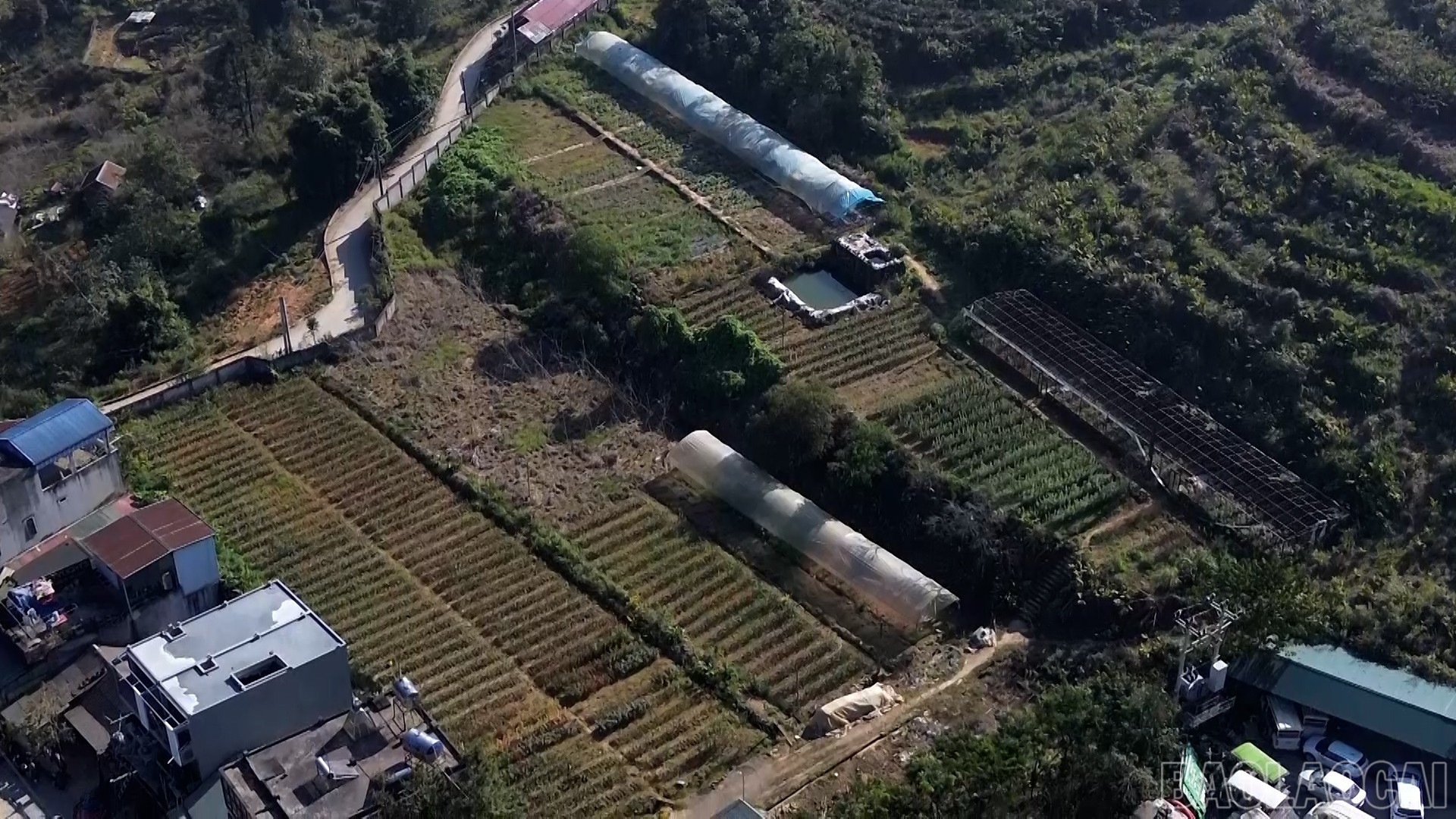
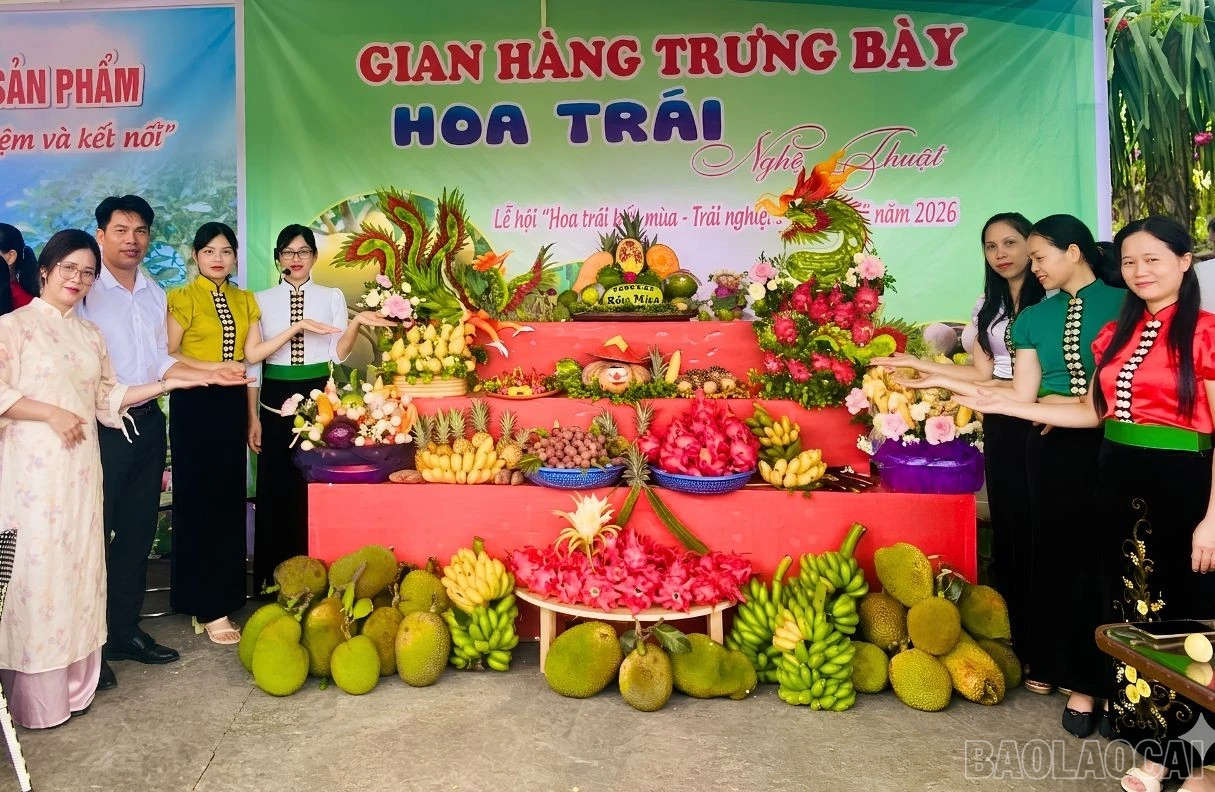
By 2025, the value of agricultural, forestry, and fisheries production in Lao Cai province is expected to reach nearly 19,500 billion VND.
To further promote agricultural development towards a commodity-based approach and gradually increase the value per unit of cultivated land, Lao Cai province has issued numerous support policies. Most recently, Resolution No. 21 of the Provincial People's Council, adopted at the end-of-year session in 2025, has promulgated several policies to encourage and support the development of agricultural, forestry, and fisheries production in Lao Cai province, such as: supporting the development of key, commodity-based fruit-growing areas; supporting the development of livestock farming towards commodity production and specialty products…
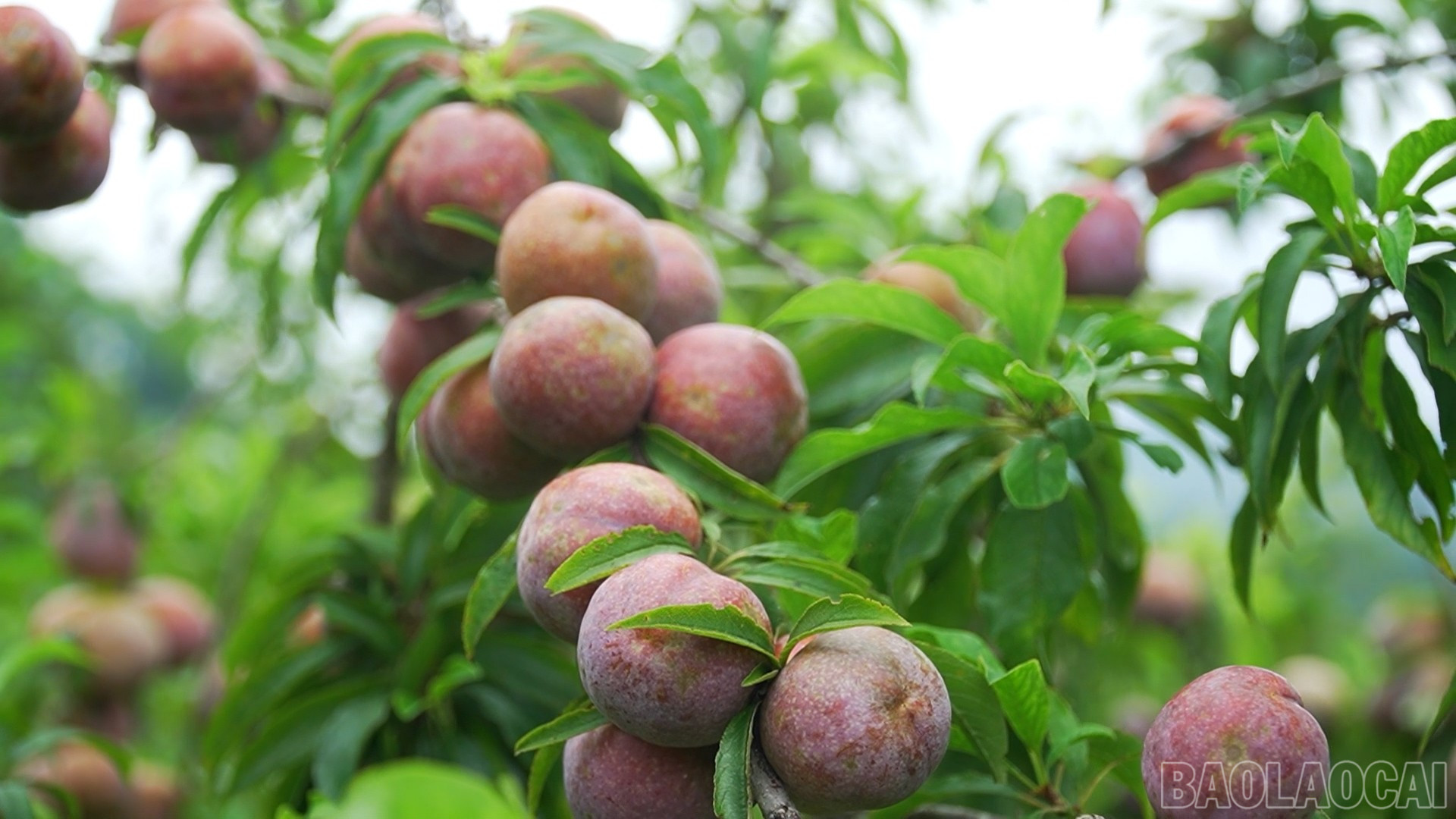
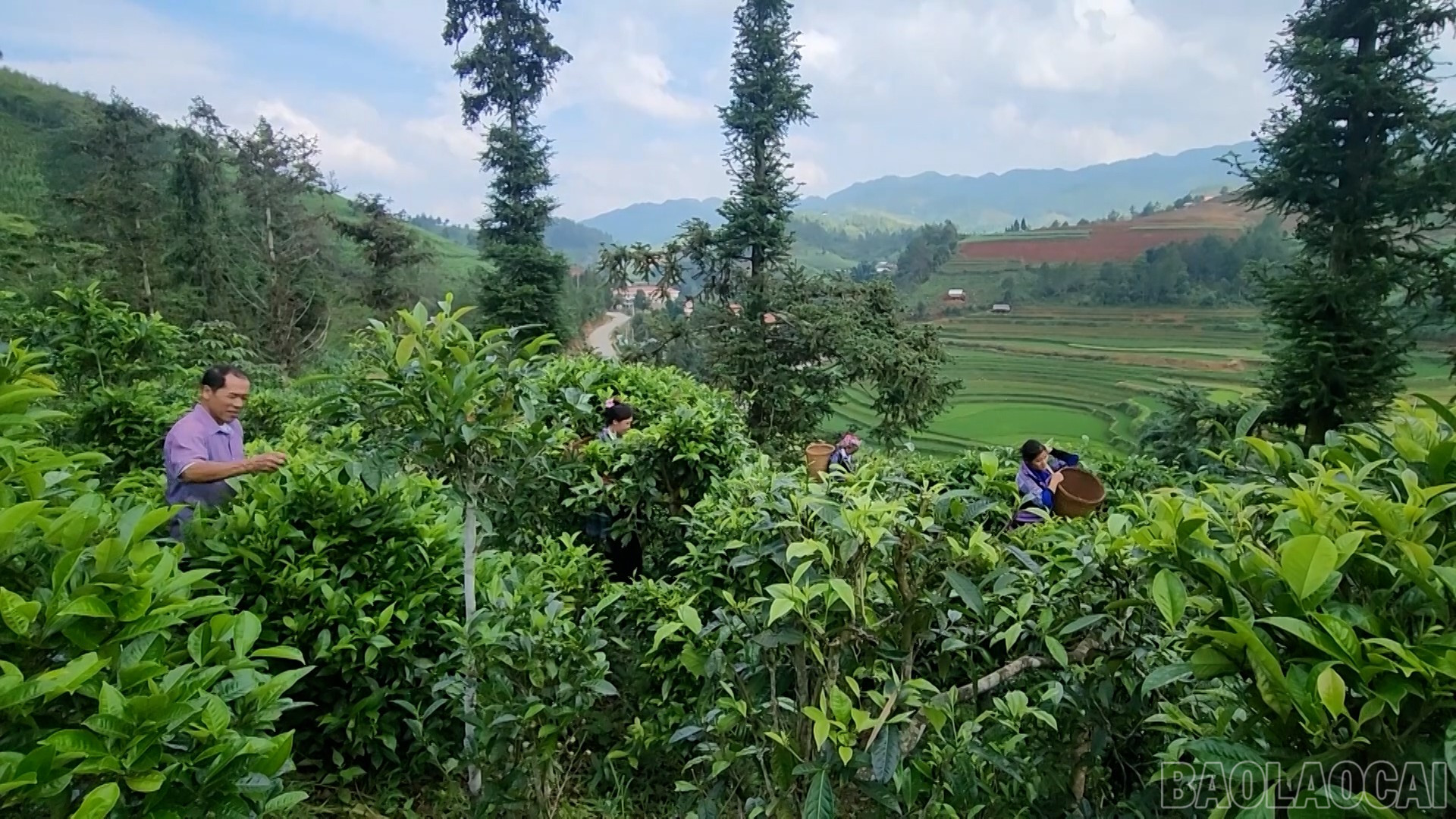
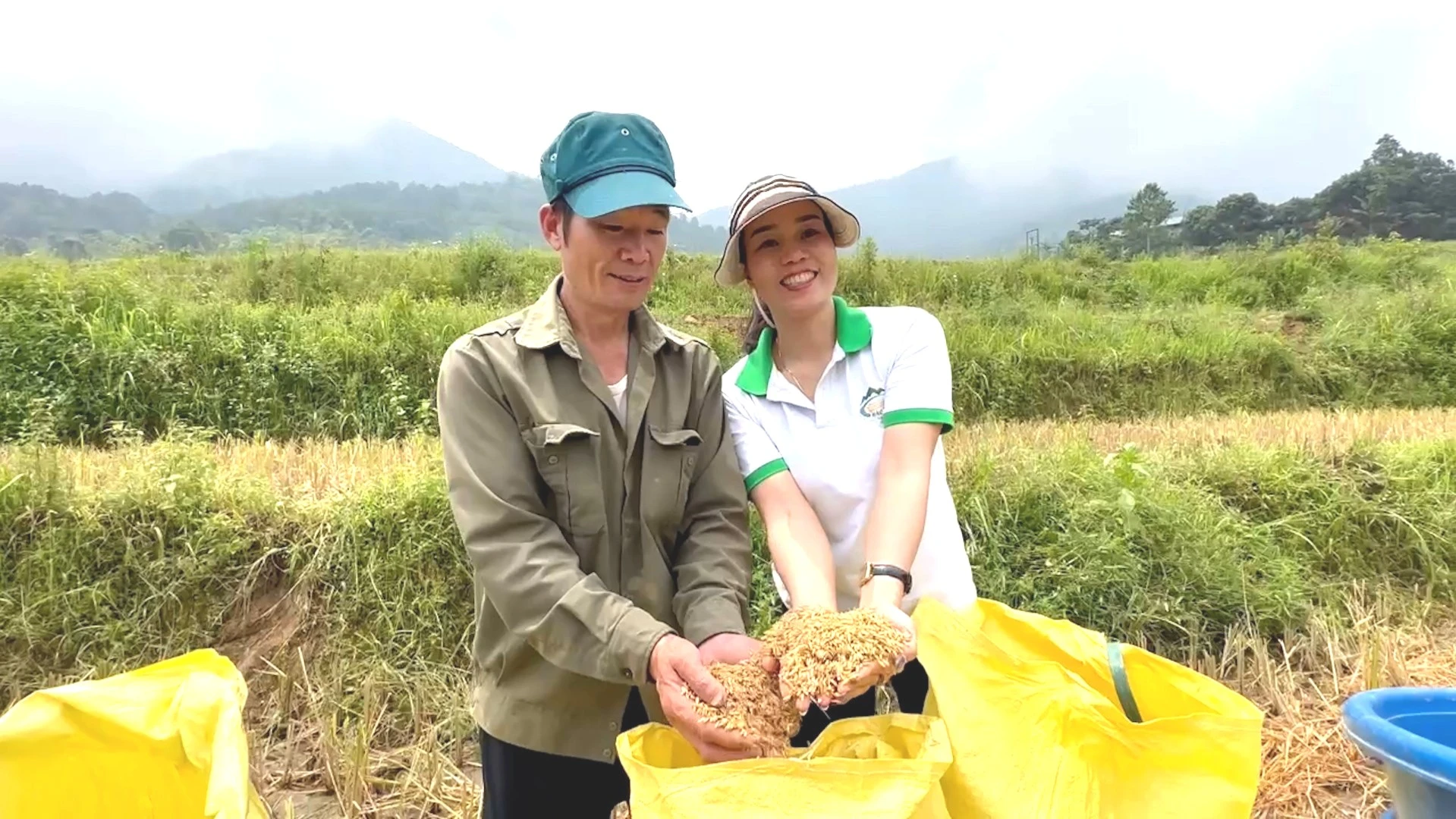
Resolution No. 21 of the Provincial People's Council supports the development of agricultural, forestry, and fisheries production in the province.
Mr. Tran Minh Sang, Director of the Department of Agriculture and Environment, stated: Based on the local potential and strengths, to develop commercial agriculture, in the period 2026-2030, Lao Cai province will focus on: Developing areas for the production of medicinal plants, mulberry trees, tea, and fruit trees. Simultaneously, developing livestock farming that is market-oriented and disease-free. Commercial agricultural production areas will be planned in conjunction with production linkages along the value chain from production, harvesting, preservation, processing to product consumption, creating conditions to attract businesses to invest in the agricultural sector, contributing to improved economic efficiency and income for the people. The goal is to achieve an average annual growth rate of over 5% for the sector by 2030; and a value of agricultural and aquatic products per hectare of agricultural land and aquaculture land reaching 115 million VND.
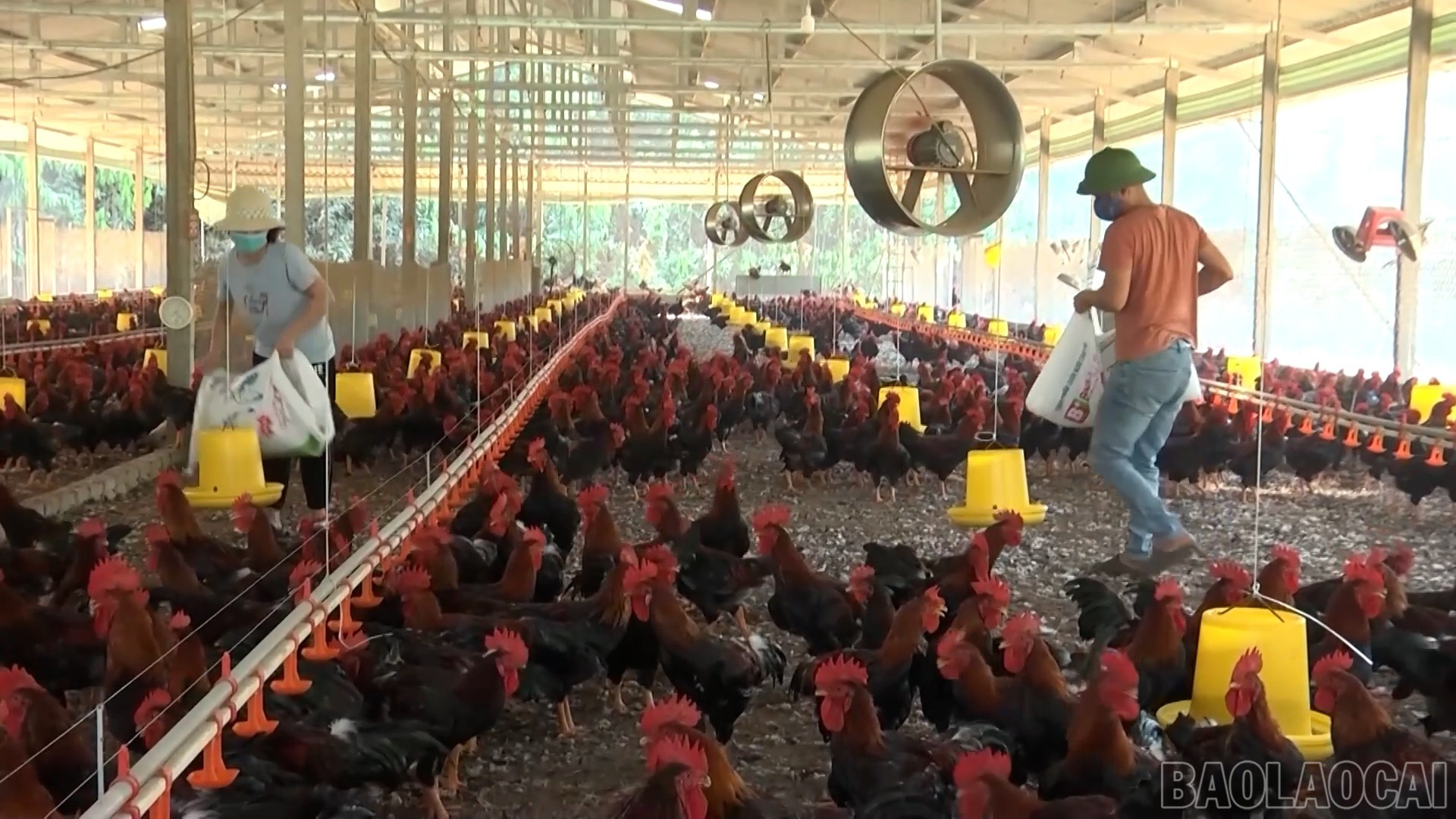
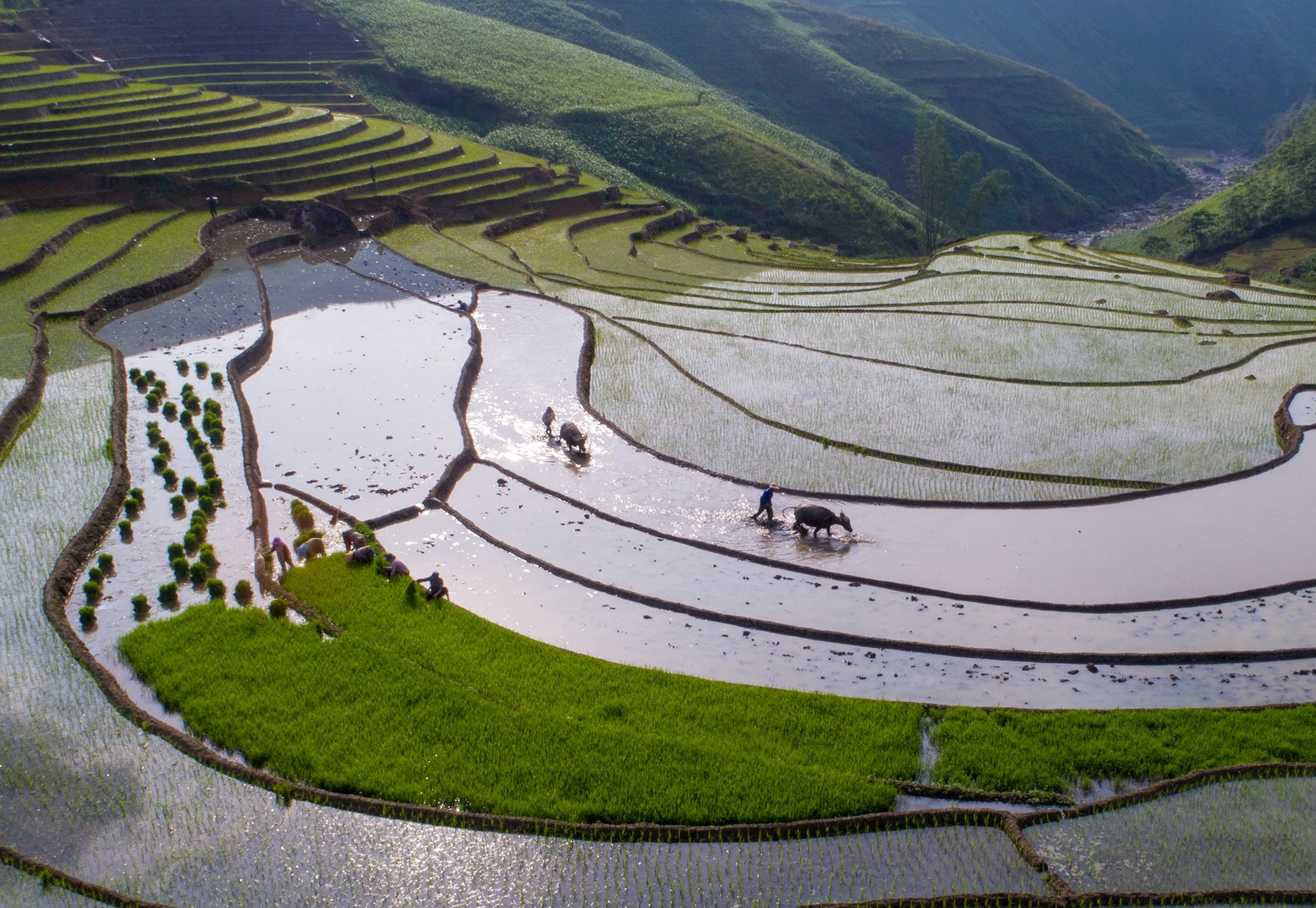
Lao Cai province aims to achieve an average annual growth rate of over 5% for its agricultural sector by 2030.
Through efforts to transform production towards a commodity-based approach, apply science and technology, effectively exploit the unique potential of each ecological zone, and connect the value chain from production to consumption, Lao Cai province is gradually improving economic efficiency, enhancing the lives of ethnic minorities, and developing sustainable agriculture.
https://baolaocai.vn/phat-trien-san-xuat-hang-hoa-trong-vung-dong-bao-dan-toc-thieu-so-post895659.html