From exporting raw materials to an international essential oil brand.
Lao Cai is at a crucial turning point in its strategy to enhance the value of cinnamon. With a planned area of 150,000 hectares, the province is no longer content with being just a raw material source, but is resolutely shifting towards deep processing, forming a high-tech production ecosystem to bring its essential oils and handicrafts to the international market.
Shift from “quantity” to “quality”
The shift from "quantity" to "quality" is clearly demonstrated in key cinnamon-growing areas of the province. In Xuan Ai commune, with over 8,000 hectares of cinnamon, forestry production is no longer limited to harvesting raw bark. By 2025, the harvested cinnamon bark production in this area is expected to reach 1,350 tons.
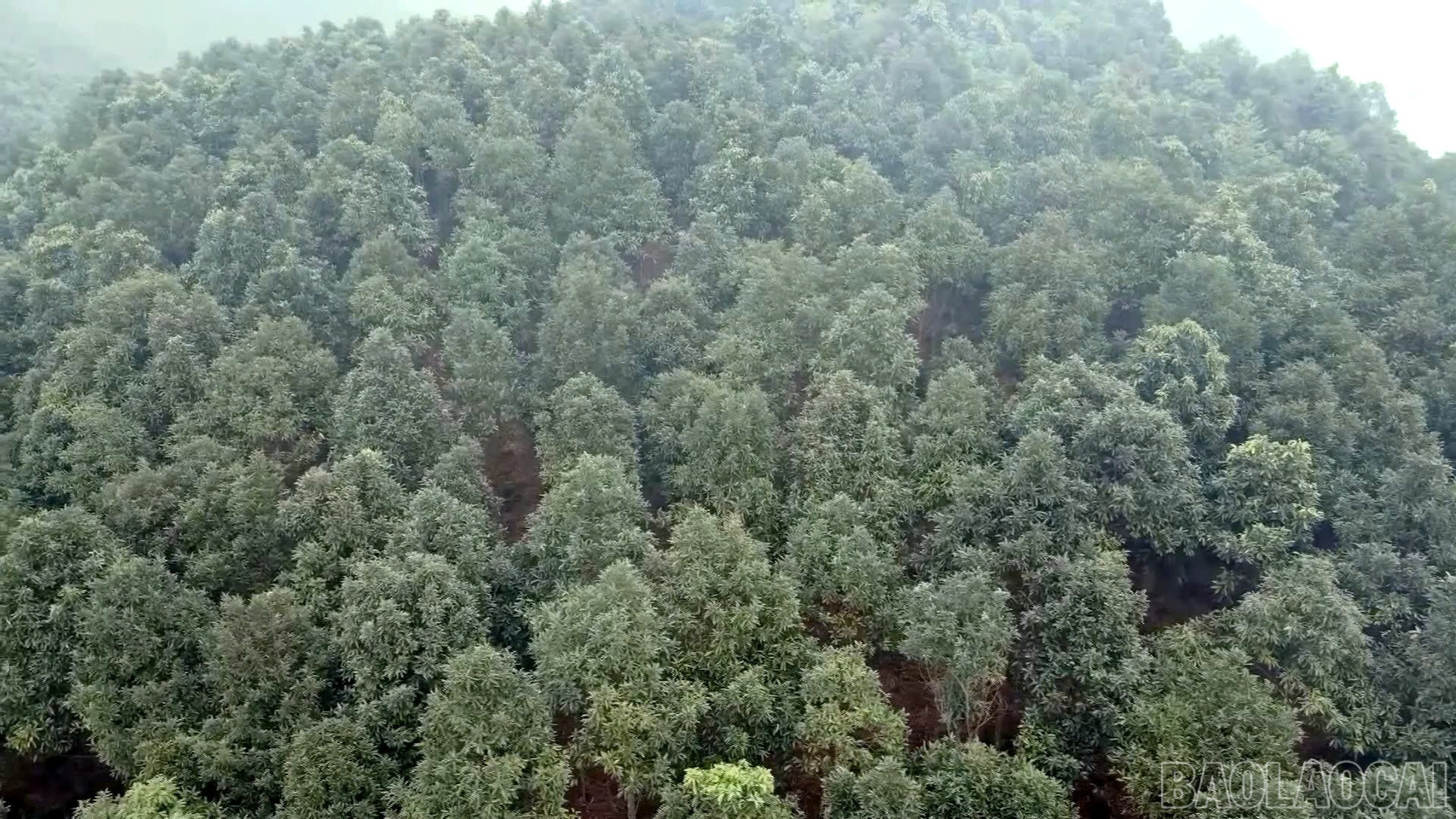
Lao Cai province is planning to develop a cinnamon raw material area of 150,000 hectares.
However, the real value lies in the system of on-site extraction plants. Utilizing by-products from branches and leaves for essential oil distillation has fundamentally changed the rural economic landscape.
Mr. Hoang Xuan Hung, Vice Chairman of the People's Committee of Xuan Ai commune, said: "The shift from consuming raw materials to deep processing of cinnamon essential oil has brought clear economic benefits to people and production facilities in the area. Previously, cinnamon bark and leaves were mainly sold raw at low value, completely dependent on traders and market fluctuations. Now, when distilled, the product's value increases two to three times, or even more for high-quality products. This not only increases income for cinnamon growers but also creates local jobs and promotes sustainable rural economic development."
To realize the goal of achieving an average per capita income of 69 million VND/year by 2026, Xuan Ai commune is focusing on implementing three strategic priorities. Firstly, aggressively expanding the area of clean cinnamon cultivation, striving to reach 350 hectares of organic cinnamon by 2026, laying the foundation for high-standard processing. Secondly, coordinating with relevant agencies to accelerate the investment in infrastructure for the Yen Hop Industrial Cluster, covering 75 hectares, ensuring a ready supply of clean land to attract large-scale factories. Thirdly, promoting the role of cooperatives such as the Hanh Phuc Cinnamon Cooperative and the Hoai Gold Cooperative in investing in modern machinery and standardizing the closed-loop drying process according to OCOP standards.
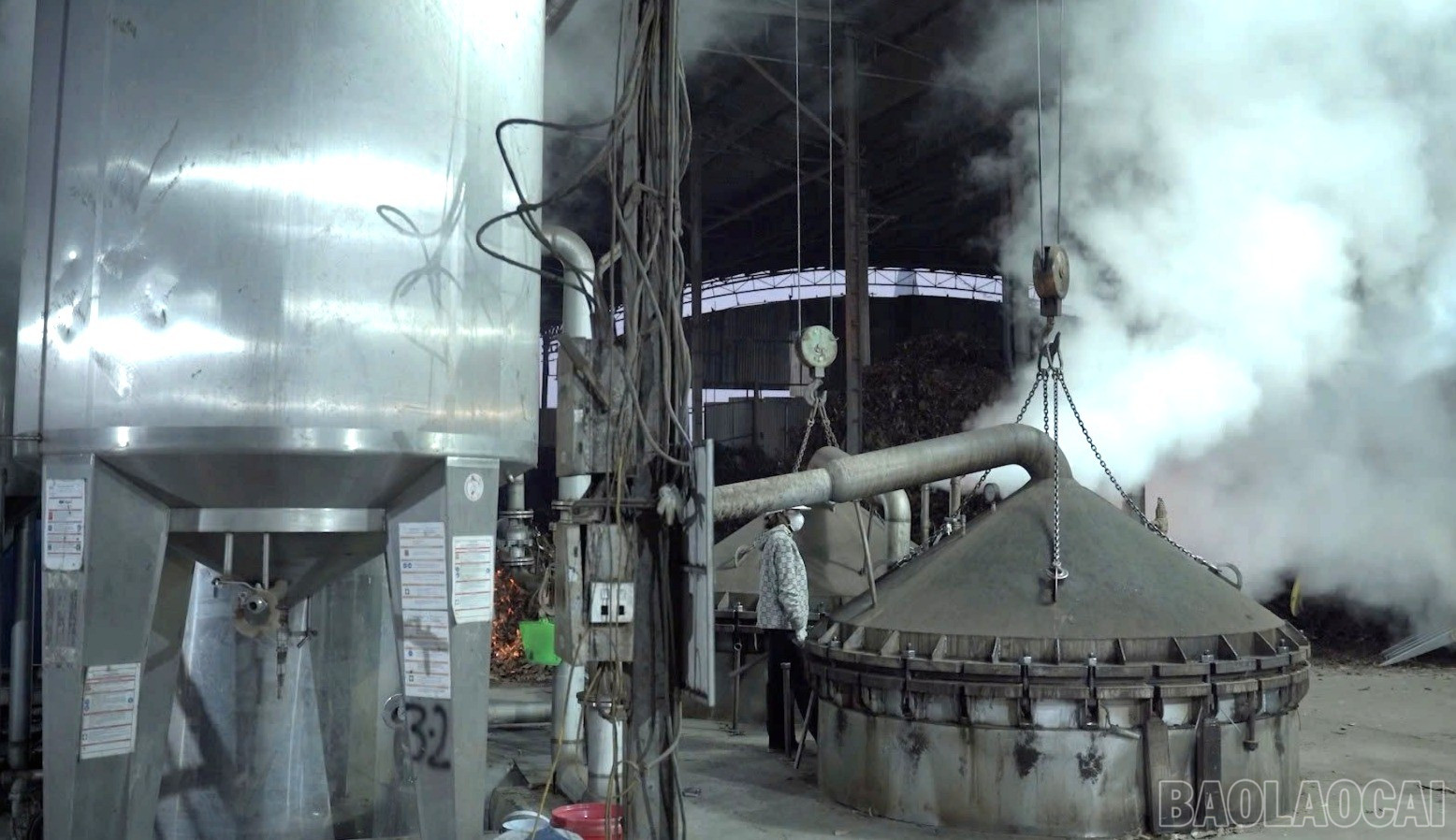
Cinnamon essential oil production at Lam Phuong Linh Cooperative, Mau A commune.
Businesses and cooperatives create leverage in the value chain.
The participation of businesses and cooperatives has created strong linkages in the value chain. In Mau A commune, Lam Phuong Linh Cooperative is a prime example of the process of eliminating fragmented production thinking.
Ms. Nguyen Thi Loan, Director of Lam Phuong Linh Cooperative, said that since 2017, the cooperative has upgraded its entire production line to stainless steel and strengthened its links with purchasing agents to issue official invoices, replacing the previous informal sales methods. Each year, the cooperative produces 50 to 70 tons of essential oil, contributing to a stable market for cinnamon branches and leaves, a byproduct of local farmers.
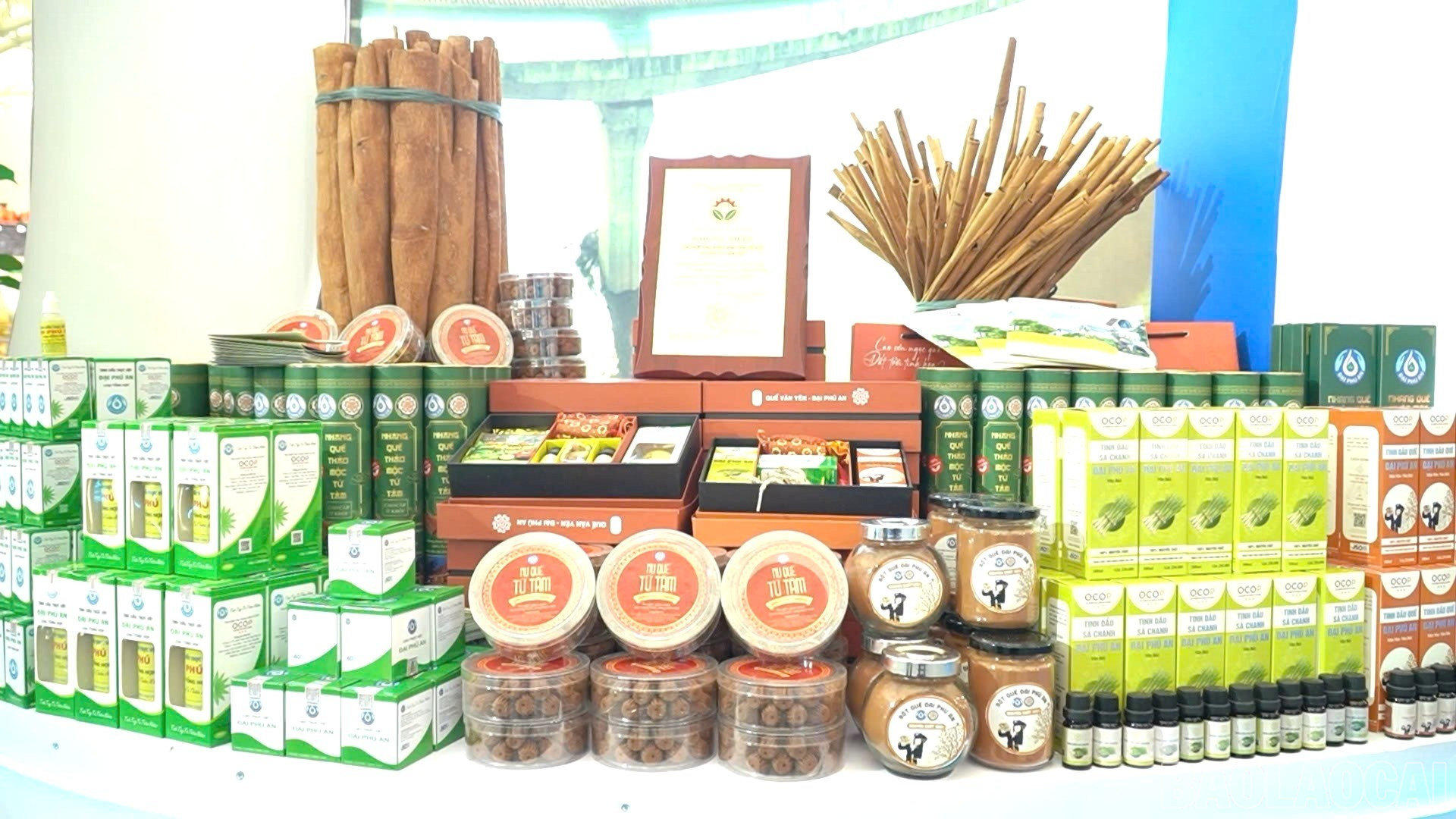
OCOP products of Dai Phu An Nam Duoc Joint Stock Company, Mau A commune.
In the higher-end segment, Dai Phu An Nam Duoc Joint Stock Company, located in Mau A commune, is leading the way in upgrading cinnamon products.
Mr. Do Duc Tinh, Chairman of the Board of Directors of Dai Phu An Traditional Medicine Company, said that the company currently has 5 products that have received OCOP certification and is completing the dossiers for the next 3 products. The strategic focus is to upgrade the 5-star rating for three key products: synthetic plant essential oil, cinnamon essential oil, and lemongrass essential oil.
With an annual procurement volume of 100 to 200 tons of raw materials through close cooperation with people in Mau A commune and surrounding areas, the company is aiming to conquer the markets of Poland and the Czech Republic.
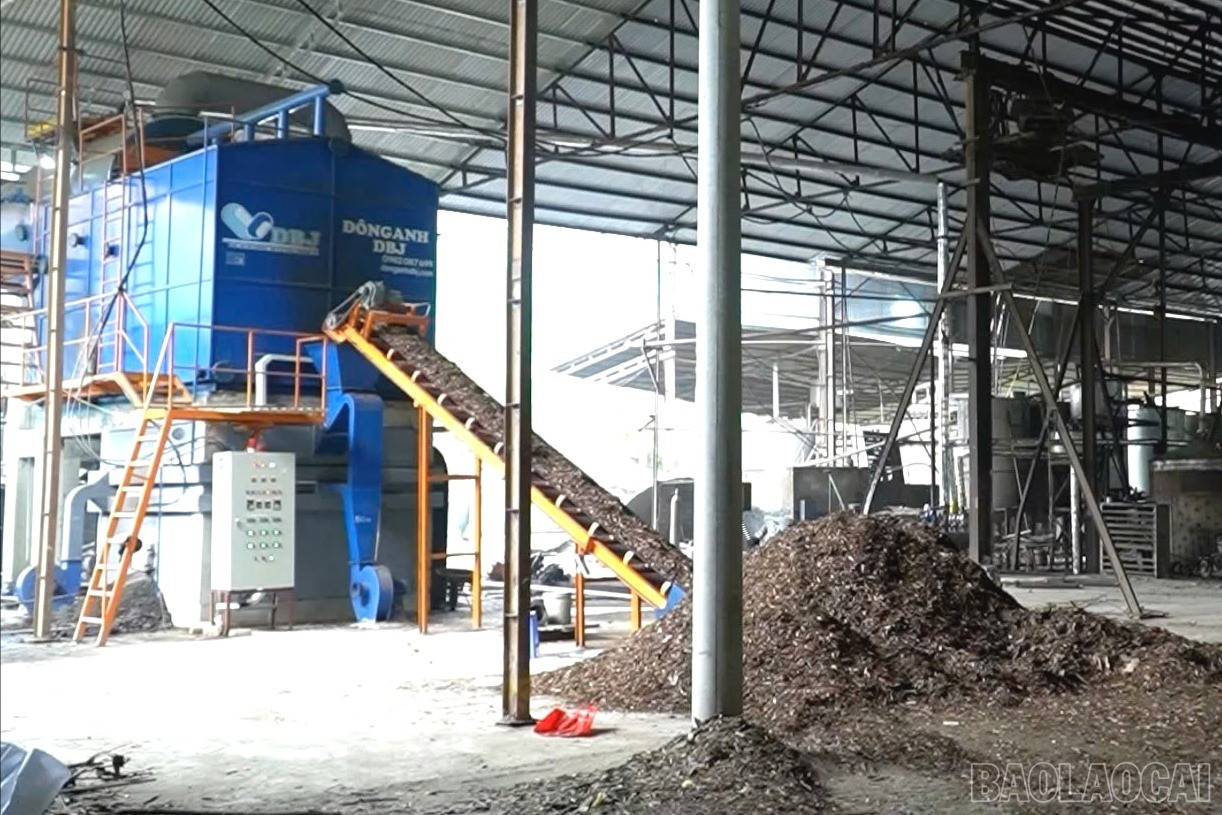
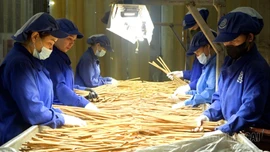
The province currently has 31 facilities and factories processing cinnamon essential oil.
"Bottleneck" in deep processing
Frankly speaking, the cinnamon industry in Lao Cai still has some dark spots. While the total essential oil production reaches over 600 tons per year, the majority remains at the crude extraction stage.
Mr. Tran Van Kien, Director of Cong Tam Cooperative and Chairman of the Cinnamon Association of Lao Cai province, acknowledged that the product currently still heavily depends on the Chinese market, resulting in low added value and economic efficiency. In 2025, due to market fluctuations and slow sales, the Cong Tam Cooperative's factory will only operate at about one-third of its capacity, equivalent to 15 tons of essential oil.
This reality highlights the urgent need for a breakthrough mechanism from state management agencies. Businesses and production facilities are requesting that the province promptly issue policies to support the formation of large-scale, deep-processing zones that meet export standards for demanding markets such as Europe.
Solving infrastructure problems, especially land planning in industrial clusters, is considered key to attracting investors with technological capabilities.
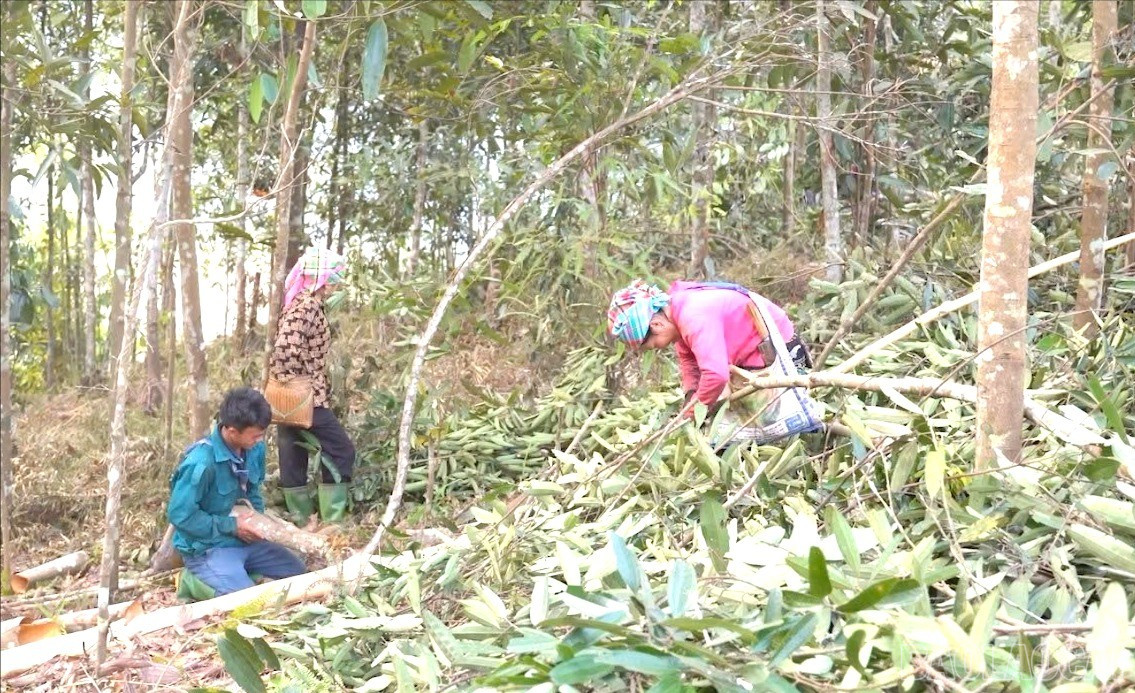
People in Phong Du Thuong commune harvest cinnamon.
From poverty-alleviating trees to wealth-generating trees.
Lao Cai province has determined that cinnamon trees should not only be a means of poverty alleviation but also a means of wealth creation. To achieve the goal of 150,000 hectares of sustainably developed cinnamon, the province is promoting sustainable forest certification (FSC) and expanding organic production.
The coordinated efforts of all levels of government, along with the commitment of investors to upgrade equipment and apply modern distillation technology, will create a solid foundation for building the Lao Cai cinnamon brand on the world agricultural product map.
The challenge of enhancing the value of cinnamon lies not only in expanding cultivation area, but also in processing capacity and market dominance. The journey from exporting raw bark and crude oil to producing internationally standardized essential oils and medicinal products is still fraught with challenges. However, with a well-planned roadmap and a determined shift in mindset from both the political system and the people, the Lao Cai cinnamon brand can absolutely rise to a position commensurate with its potential, creating sustainable livelihoods and prosperity for this border region.
https://baolaocai.vn/tu-xuat-kho-tho-den-thuong-hieu-tinh-dau-quoc-te-post894666.html