Lao Cai: Add 6 national intangible cultural heritage

The Ministry of Culture, Sports and Tourism has just issued a decision to recognize 23 national intangible cultural heritages in 2020, of which Lao Cai province has 6 more national intangible cultural heritages.
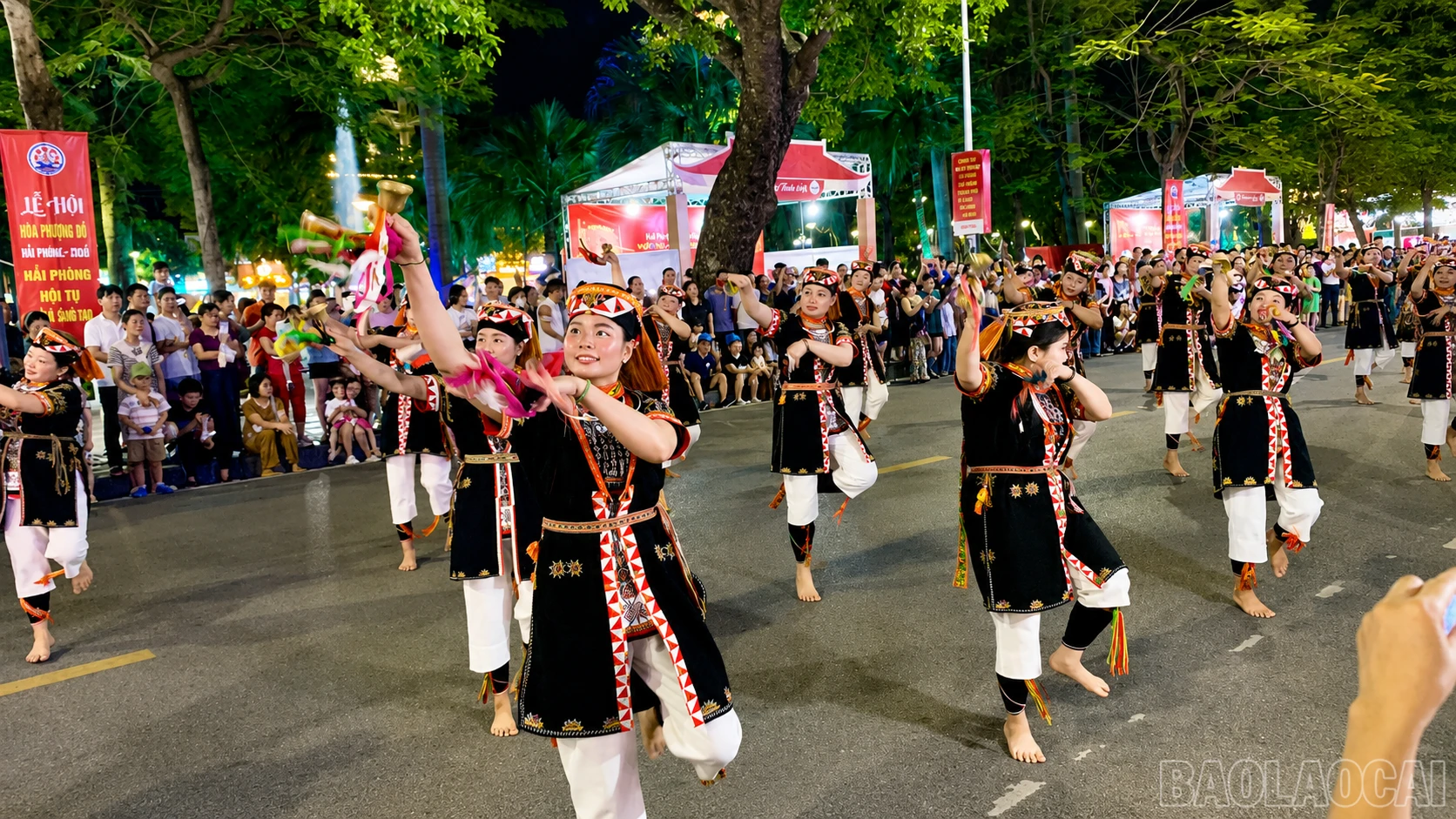
The costume of the Pa Di ethnic (Muong Khuong) is recognized as an intangible cultural heritage.  

Recognized intangible cultural heritages fall into 5 categories: Traditional crafts, traditional festivals, folk performance arts, social practices and beliefs, folk knowledge.

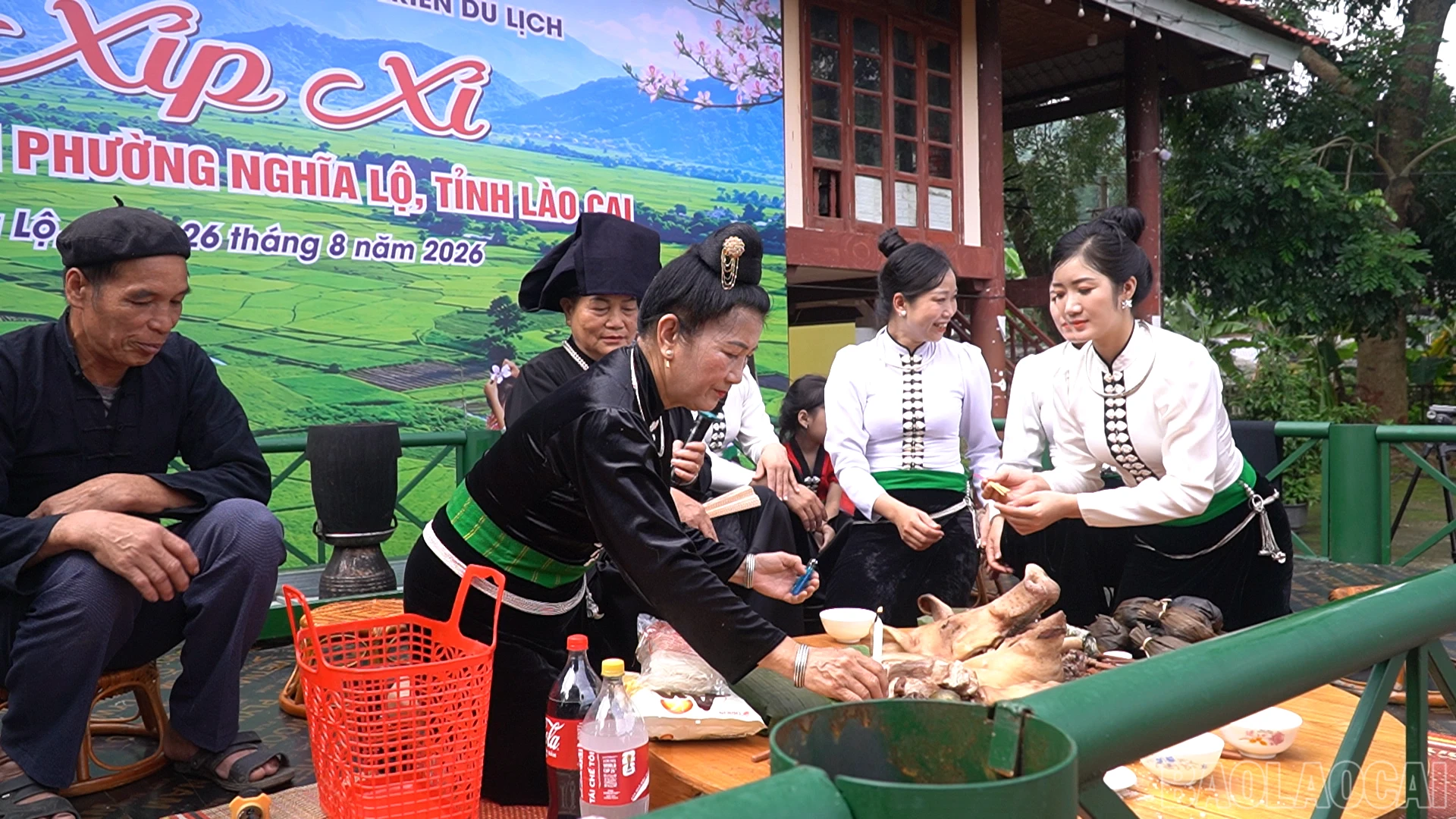
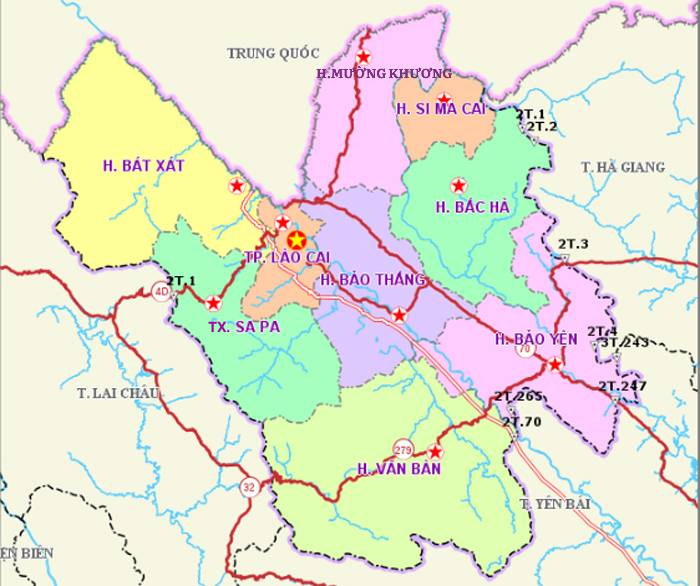
The heritages in this batch include: Decorative arts on Pa Di people's clothes, Muong Khuong district; decorative arts on red Dao people's costumes in Sa Pa district; Naox Lungx (forest worship) ritual of the Mong people, Si Ma Cai district; village ceremony Mo (offering a village ceremony) of the Tay people, Van Ban district; Forest Ceremony of Giay people, Van Ban district; Then Khoan (Cau Tho) ritual of the Tay people, Van Ban district.

Decision of the Minister of Culture, Sports and Tourism states: Chairmen of People's Committees at all levels where there are intangible cultural heritages are included in this list of national intangible cultural heritage, within the scope of their duties and powers to perform the state management Intangible cultural heritage in accordance with the law on cultural heritage.
According to LCĐT

Related Posts

Ceramic murals in Bao Thang commune: Igniting national pride

Bao Thang commune in Lao Cai province is not only an important economic and geographical location, but also stands out with its architectural work bearing a strong cultural imprint and profound educational significance: the ceramic mural located within the Bao Thang Martyrs' Cemetery complex. This work has quickly become a symbol of gratitude and national pride

The Ha Nhi people in A Lu preserve their ethnic identity

When mentioning the Ha Nhi community in the highland communes of the former Bat Xat district, many people immediately think of Y Ty or Nam Pung. However, the borderland of A Lu is also a long-standing home of the Ha Nhi people. Remarkably, after hundreds of years of settlement here, the Ha Nhi people have preserved their ethnic cultural identity intact, from their distinctive rammed-earth houses...

Red River Festival 2025: Lao Cai honors cultural identity of ethnic groups

On the evening of November 20, 2025, at Dinh Le Square (Lao Cai ward), the Opening Ceremony of the Ethnic Cultural Space displaying culture - tourism, performing folk cultural activities rituals and arts of Lao Cai ethnic groups took place in an exciting atmosphere, attracting a large number of people and tourists. This is one of the prominent activities within the framework of the Red River...

"Keeping the soul" of Mong ethnic costumes

Modern life creeps into every highland village, meaning that many beautiful traditional cultural features of ethnic groups face the risk of being lost, including traditional costumes of the Mong people. However, there are still many Mong ethnic women who daily preserve the identity of their ethnic group through each needle line and thread stitch.

Preserving the cultural identity of the Red Dao people in Tan Linh

Tan Linh commune, Lao Cai province is the residence of ethnic communities including Tay, Dao, H'Mong, etc. The Red Dao people bring separate cultural colors shown through costumes, cuisine, and traditional festivals, contributing to creating a rich land in potential for culture, tourism, and economy.

Preserving ancient features in Red Dao costumes

In the modern rhythm of life, the Red Dao people in Dong Cuong still persistently preserve and promote traditional cultural values, especially in ethnic costumes – the "living treasures", crystallizing knowledge, aesthetics, and national pride.