Tet of Dao Tuyen people
When the cherry blossoms and plum blossoms bloom all over the villages, the Dao Tuyen Lao Cai people celebrate Tet with unique rituals, forms of folk cultural activities rich in art, human values expressing clear culture identity.From mid-December of lunar month onwards, Dao Tuyen people begin to prepare to welcome the New Year's Eve with a lot of luck, a peaceful family, a prosperous economy. All the houses are busy buying and decorating the house, men focus on making folk game tools such as stilts, chicken badminton, the women prepare for themselves new clothes, qua con (fabric fruit) to go to the festival.

Dao Tuyen girl.
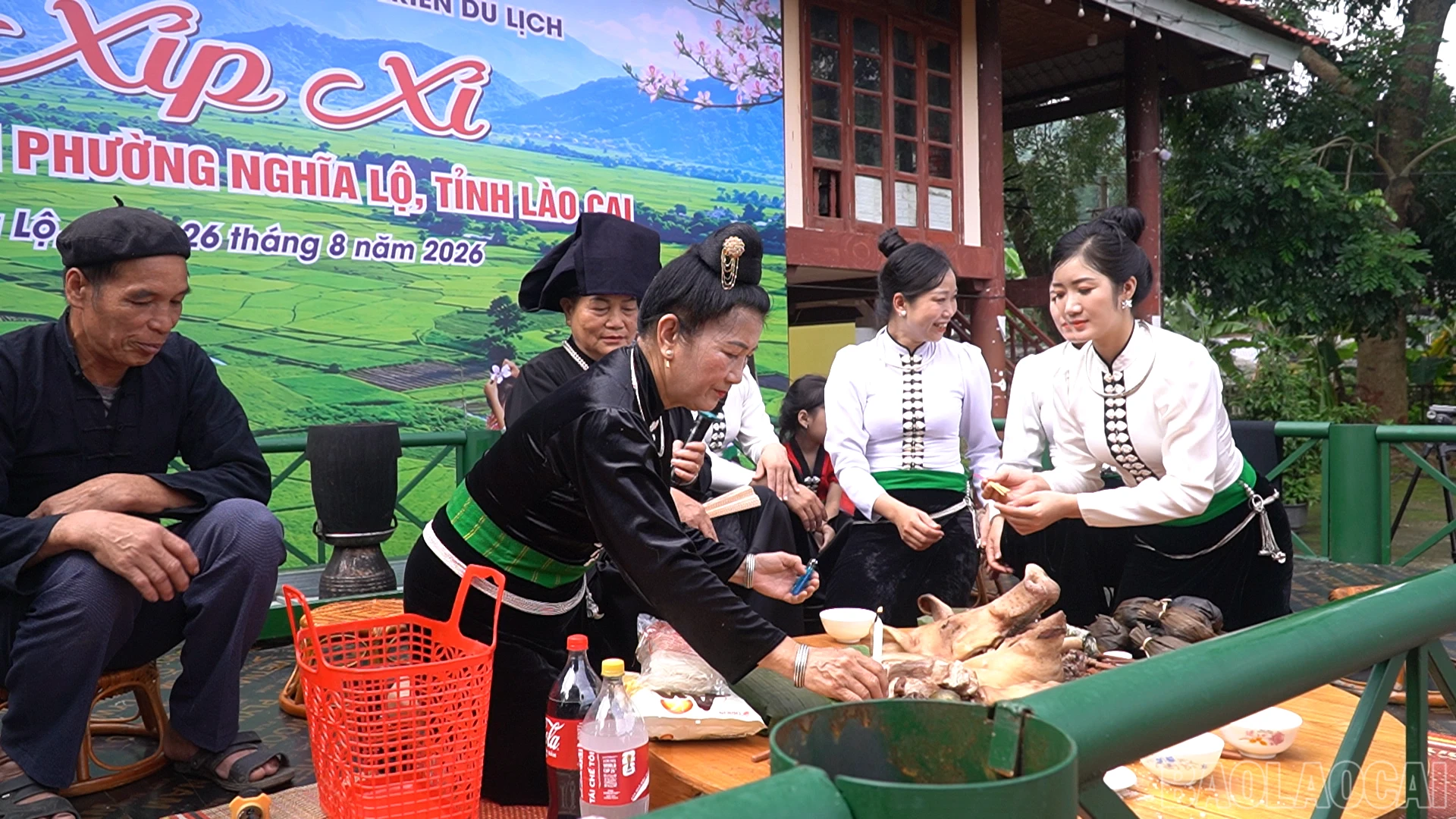
Ritual of ancestor worshiping, Tet welcoming: In the early morning of December 30 in lunar calendar, the family cleaned altar area, laid out a tray of five fruits, placed the bread on either side of the altar. Light up 3 incense sticks to invite ancestors to celebrate Tet and bless the children and grandchildren in the family. In the afternoon, the owner of the family goes to the forest to take vegetables and fresh ginger root as offerings to Ban Vuong, Ngoc Vuong, Mu Vuong gods...
Ritual of New Year’s Eve welcoming: At the time of New Year's Eve, the new year has come, the owner presents gifts and invites the gods to celebrate and bless the family and descendants. When inviting the god, the owner strips the rice grain from the door in the house to bridge the gods to the house. The host invites Ngoc Vuong, and Ban Vuong and the last is Tay Mu. Ngoc Vuong blesses family members to be healthy and their animals are not sick. Ban Vuong blesses the family with good luck in their economic development. Tay My blesses the children and their grandchildren healthy. After praying to the gods, the owner sweeps the garbage with a broom to fit into a corner of the house to see off the old year, praying for good things to come. At the same time, the owner takes writing grape paper to stick the paper on the house door and production tools such as hoes, shovels, and buffalo, pig, and chicken stables in the sense of preventing demons from entering the house.
Ritual of buying new water: Early in the morning of the first day of the new year, the owner brings incense, yellow paper and two bowls, of which a bowl of water is brought from the house - this is a symbolic bowl of water of the old year, when he comes to the bank of a stream or stream, owner quietly sat and put the old bowl of water and yellow paper, burned incense and plugged in the side and then took a new bowl of water to pray to the water god for blessings, with the following meaning and intention:
“May the gods bless the family for a healthy family, have a lot of luck, always ensure a smooth water source to flow home and the field for the lush trees, and the children and grandchildren in the house can drink cool water. My family is grateful to the water god, never forget; now, on the occasion of the new year, on behalf of family, I invites the god of water to come home to celebrate Tet, have fun with the family...”.
After that, the owner can see which water bowl is heavier. If the new water bowl is heavier, it will signal the family's good health, good business, no lack of water in crops. If the old year water bowl gets heavier, it will signal the new year will be drought, lack of water, and crop failure. After praying, the owner burns a golden paper and sends it to the water god "pau man" and then takes two bowls of water to put at the foot of the altar, ends of new year then remove it.
Ritual of worshiping village: On the morning of the 2nd day of the new year, the Dao Tuyen held a ceremony to worship the village god. The village elder took a rope of plants and trees and tied a knife and wooden gun in the middle of the rope, a rope that was several meters long enough to cross the main road into the village in order to prevent evil and evil from harming the village. The priest, the village patriarch and the family head banish evil and ghost spirits from the village by wearing a mask, some with a knife, driving ghosts away from the village to the end of the village, from top to bottom.
Tet wishing: Dao Tuyen people have a tradition of wishing Tet to their parents, the elderly, relatives and teachers who teach Nom Dao letters. The offering included: a pair of roosters, a hen, a bottle of wine to bring to the parents' New Year's wishes, and to the brothers and neighbors with the best wishes for good health and good luck. For those who learn Nom Dao, in Tet, you will prepare a bottle of wine and a kilogram of pork to wish the New Year to teachers.
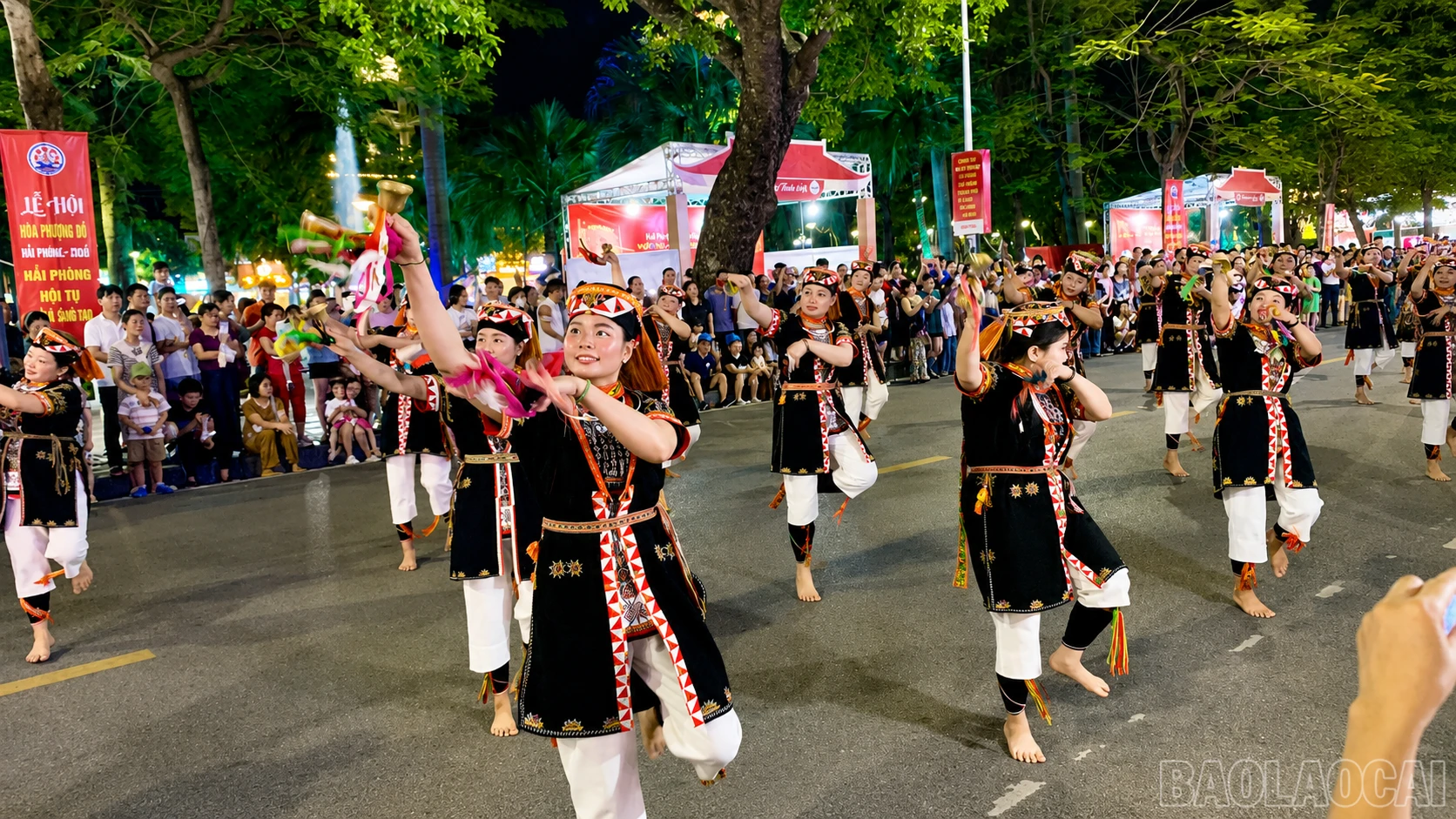
In the jubilant atmosphere of the New Year, young men and women wearing traditional ethnic costumes play folk games such as walking on stilts, throwing fabric fruit, swinging, crossbow shooting ... to show their talent and ingenuity. ... the game attracted a large number of people to participate. The coming Lunar New Year is also an opportunity for the Dao Tuyen to show their singing and dancing skills with themes of love singing and especially in early spring, the Dao Tuyen celebrate the "Sing through the village" festival, which is a famous singing festival of the Dao, demonstrating the spirit of solidarity, together preserving and promoting the traditional cultural capital of the Dao Tuyen./.