Visit the Ta Phin handicraft village
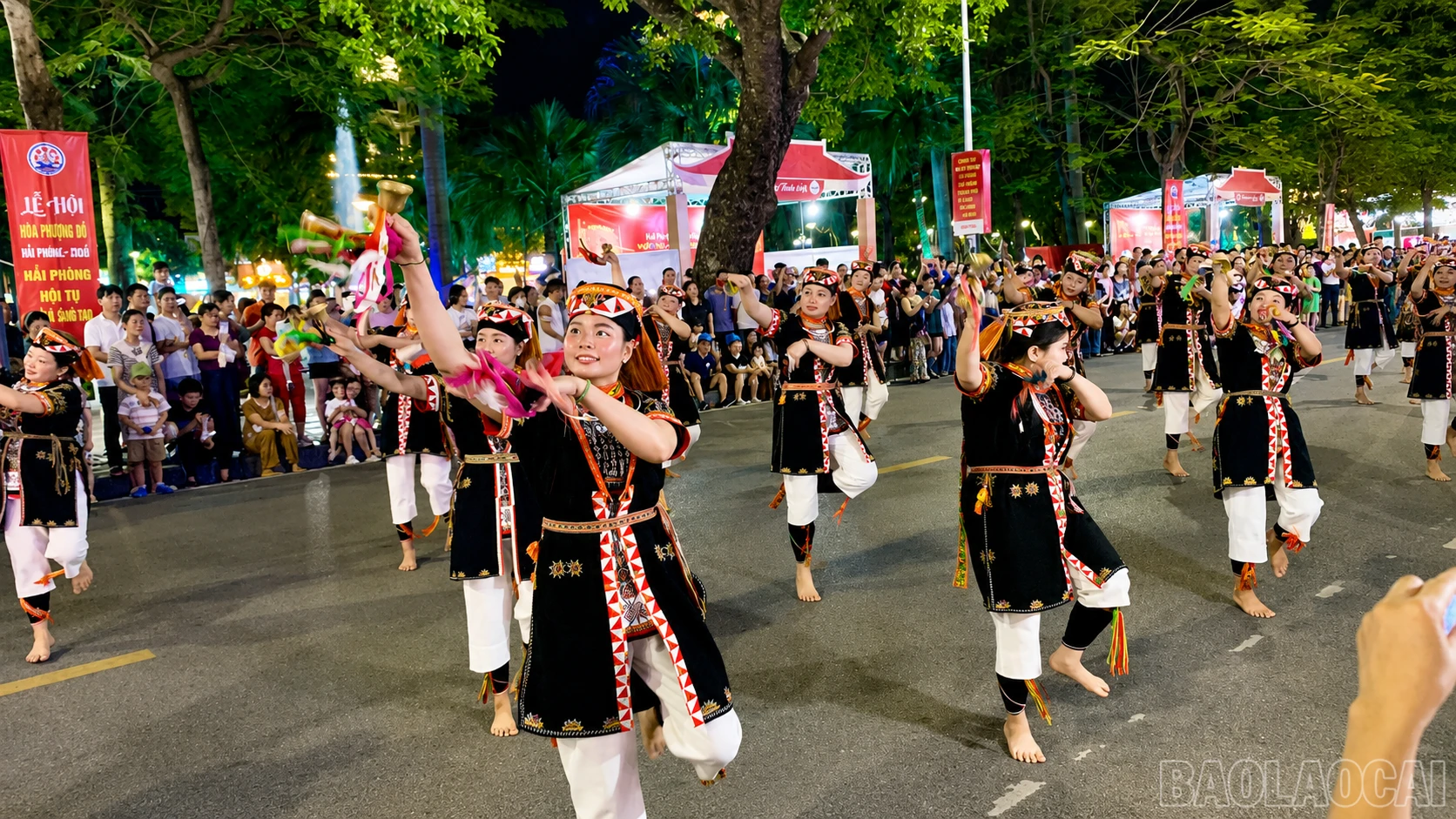
Aside from the beautiful natural landscape, the culture is imbued with national identity through festivals such as the Red Dao dance festival, the oath ceremony, and the new home celebration of the ethnic minorities, Ta Phin - Sa Pa is also well-known among domestic and foreign tourists due to the presence of a well-known handicraft brocade village.In terms of tradition, no one in the village can recall a time when brocade weaving was popular, only passing down from generation to generation. However, the women in the village regard it as their daily work. As more tourists visit Ta Phin village, brocade here becomes more diverse to sell to customers as a unique souvenir, rather than monotonous, everyday items. Ta Phin handicraft has been developed since 1998, when Sa Pa tourism began to be an appealing destination for tourists from near and far, providing opportunities for traditional trades and trades to develop. Brocade is a must-have souvenir for visitors to Sa Pa every time they visit.

Visitors experience brocade embroidery
Coming to Ta Phin at any time of year, you can easily see groups of women sitting together to embroider and chat happily, whether in front of the house, on the upland, or by the roadside. The woman has embroidered and woven fabrics of all colors and patterns with her skilled hands and delicate aesthetics. The patterned lines depicted on the brocade plate are the essence of the culture imbued with national identity, rendering Ta Phin handicraft incompatible with any brocade product from any region. The products made here are exported by women on the spot, either directly to customers or indirectly to tourists through the brocade stalls in cultural markets. In Sa Pa, there are ethnic groups and shops selling souvenirs. Ta Phin brocade, in particular, is being ordered by many parts of the country for sale to customers and export to markets such as the United States, France, and Denmark... As a result, Ta Phin village is also known as "Ta Phin Brocade Village."
Ta Phin brocade weaving village products come in a variety of designs and colors, and they are very eye-catching. Some of the main products include colorful backpacks, travel bags, scarves, handbags, wallets, brocade robes, and so on. These items are entirely handcrafted by the Mong and Dao women, with patterned lines expressed through delicate patterns of plants, flowers, and birds. It is a curious curiosity that draws tourists to Sa Pa.
The Red Dao, in particular, are very particular when it comes to embroidering women's traditional costumes, which include a full headscarf, inner shirt, outerwear, skirt, and leggings. They embroider each component separately before stitching them together to form the entire outfit. Brocade is not only used in everyday life for them, but also as a token of love or dowry on the wedding day. The ability to sew and embroider is both a necessity in the lives of the girls here and an important criterion for the boys when selecting a partner.

Beautiful and one-of-a-kind brocade panels are created by the skilled hands of Red Dao women.
Seeing firsthand how hard the women here have to work to create beautiful and unique brocade panels. Natural materials such as cotton, flax yarn, betel leaves, turmeric, brown tubers, indigo roots... skilled hands and delicate aesthetics of women embroider the colors and patterns that bear national identity.
Visitors to Ta Phin village can learn about the process of making brocade and embroider the patterns themselves with the enthusiastic instructions and explanations of the Red Dao women. Many visitors will be unable to contain their excitement as the patterns gradually emerge through their embroidery lines; while not yet completed, it will be an interesting experience.