Turning heritage into property
Lao Cai has 25 ethnic groups and branches, creating various and diverse and rich traditional cultural treasure. Over the past few years, the effectiveness of the right guidelines and policies has gradually turned Lao Cai into one of the few provinces and cities in the country that well preserves traditional ethnic cultures and becomes the important natural resource in the development of local tourism. |
|
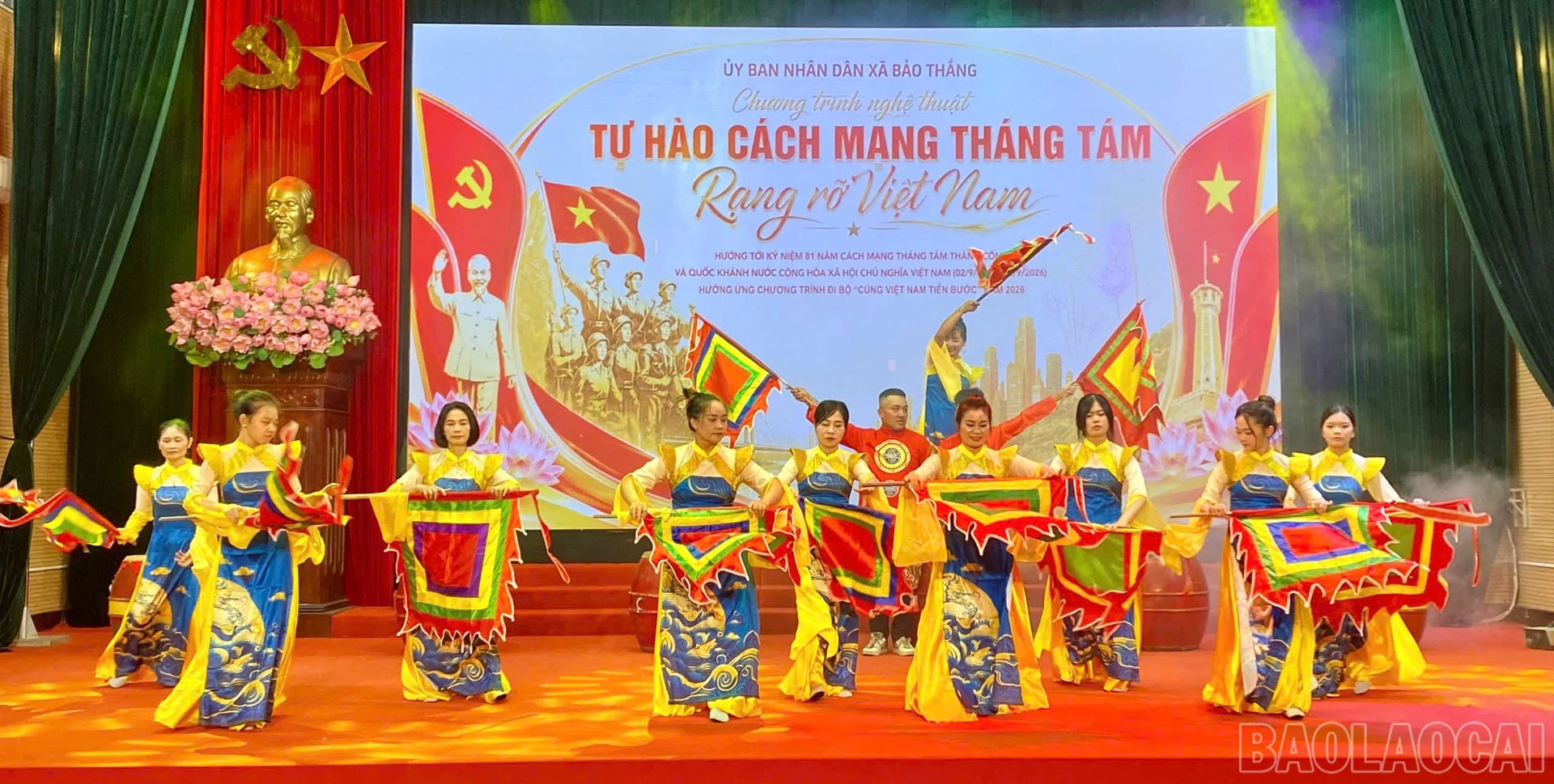
Traditional dance of Xa Pho ethnic group |
In order to effectively carry out the task of cultural preservation, the province has issued many mechanisms and policies to facilitate the research, collection, restoration, preservation and promotion of cultural values of the ethnic groups more advantageous. The cultural industry has always focused on effectively implementing the spirit of the eighth Central Committee Resolution V on "Building and developing advanced Vietnamese culture with national identity", conservation proposals and projects, exploiting and promoting the cultural identity of Lao Cai ethnic groups, in which the dual task of conservation and exploitation is performed, step by step connecting conservation with tourism development on the basis of cultural heritage. Many cultural heritages have been restored, preserved and developed, becoming important resource in the development of community tourism in the localities.
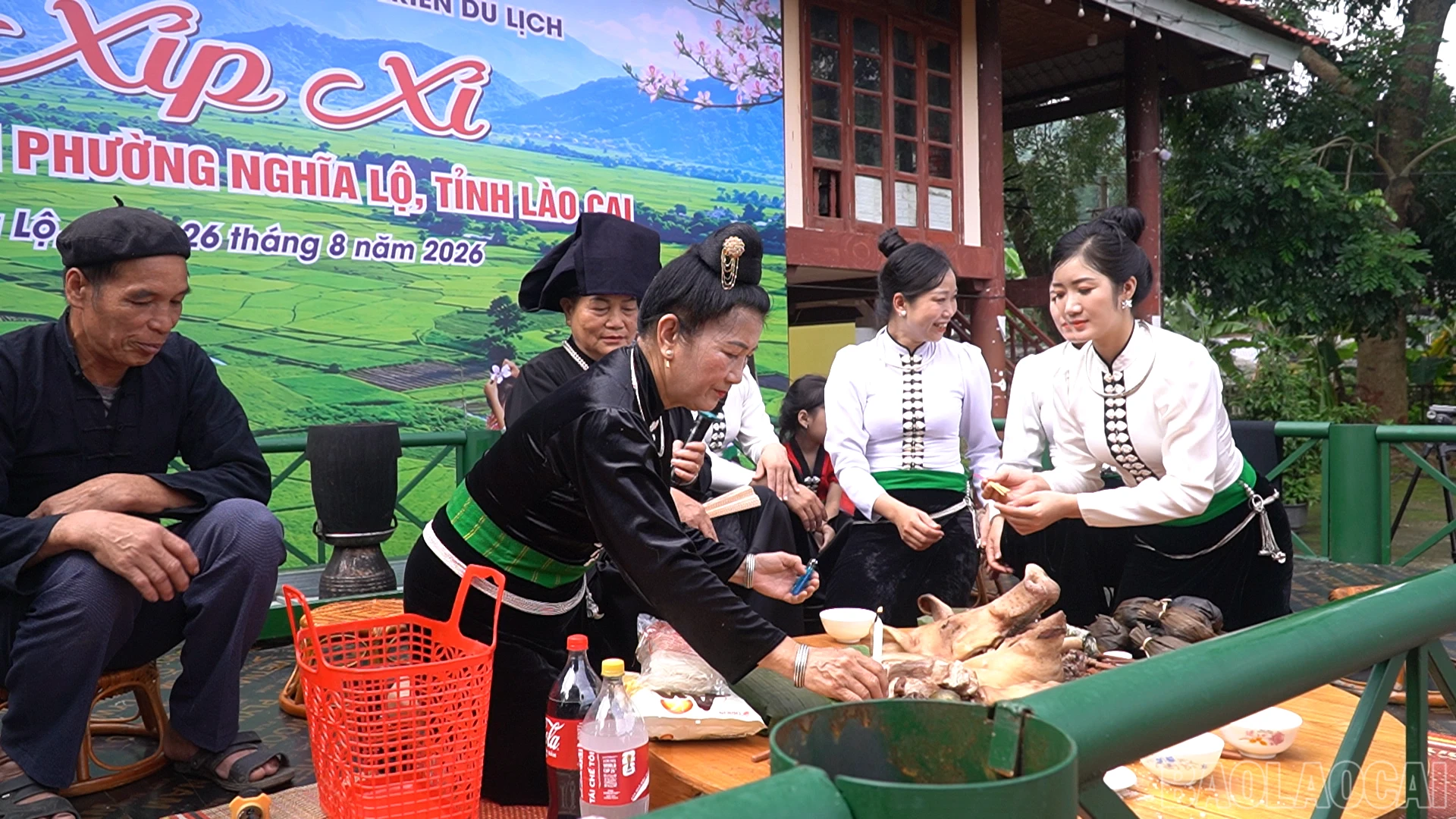
Determining that cultural conservation and development must come along with social economic development, the cultural industry has aimed to restore traditional festivals. There have been dozens of rituals and festivals of the people to be restored, such as the festival to come down to the fields of the Tay and Giay people; Gau Tao festival of the Mong people; the ceremony of celebrating mature, the ceremony of Dance of the Dao people; the ceremony of naming children, entering a new house of Thai people... at the same time promoting the dissemination of information on the basis to repel social evils and outdated customs. Thousands of artifacts have been collected and preserved by the Provincial General Museum; Dozens of historical, cultural, and beautiful sites have been studied, and those profiles have been developed to rank national and provincial relics, such as Sa Pa ancient stone carving site, Bao Ha temple, Thuong temple, and Hoang A Tuong royal palace, the revolutionary base of Cam Duong…
Preserving traditional crafts of ethnic groups such as knitting of the Mong and Ha Nhi people; blacksmithing and casting of the Mong people, silver carving of the Dao people, brocade weaving of the Mong, Dao, Xa Pho, Giay ethnic groups...; restoring and preserving 12 traditional festivals, building 9 cultural and tourist villages; collecting, restoring and preserving 2,000 folk songs and traditional dances of the Mong, Dao, Tay, Giay, Ha Nhi ethnic groups...; conducting the project to take inventory of the current state of antique bookstores in 466 Dao villages in the province, to code the inventory of more than 11,000 ancient books, to take more than 20,000 digital photos of ancient books, collecting, translating more than 700 ancient books, organizing printing and publishing 3 volumes of ancient Dao books; restoration and embellishment of ranked monuments such as Thuong temple, Mother temple, Bao Ha temple, Tan An temple...
 |
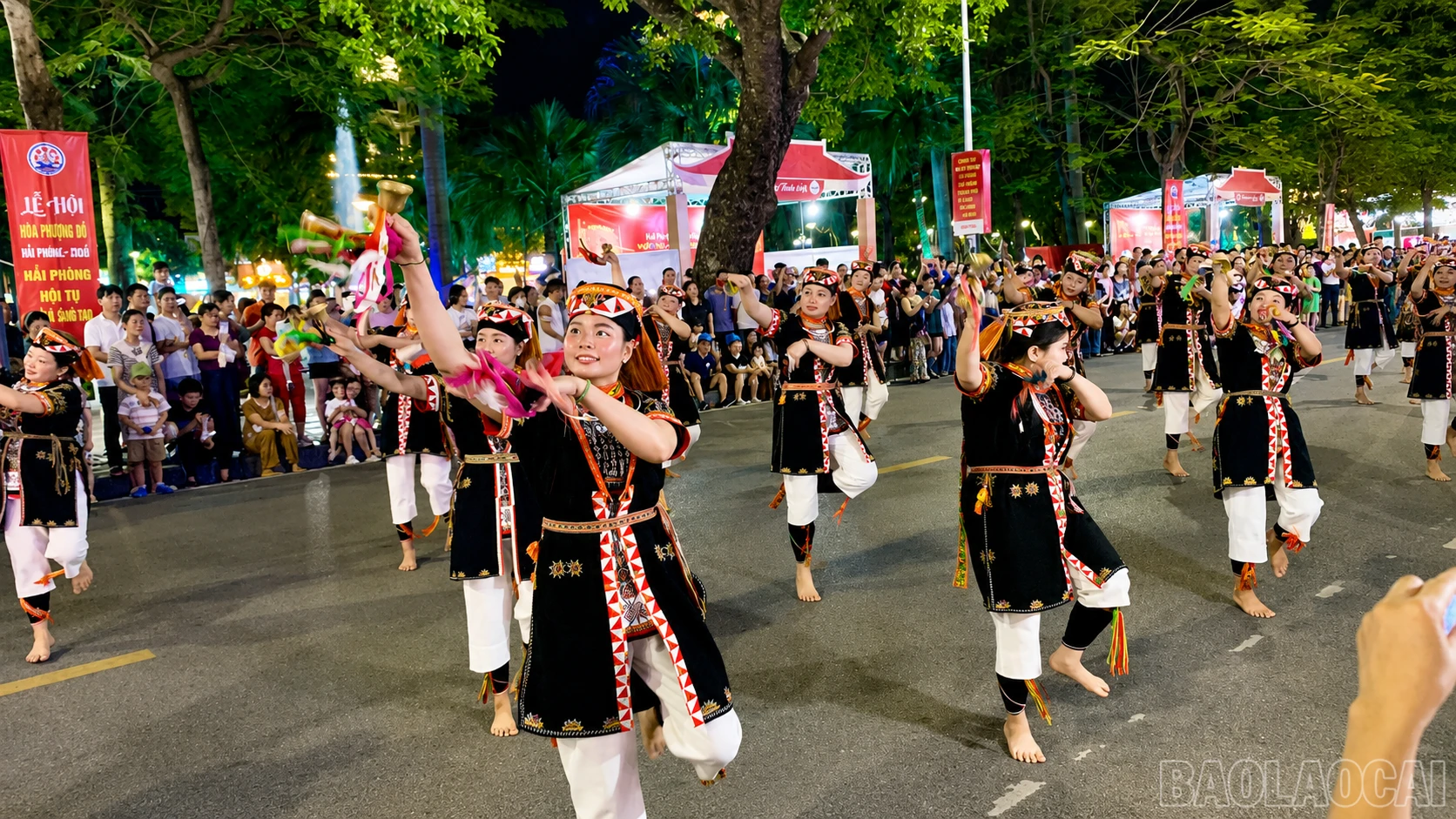
| The bride procession ceremony of the Red Dao ethnic group |
The Department of Culture, Sports and Tourism has checked 25 ethnic groups and branches in 500 villages and hamlets according to 7 types and Lao Cai becomes one of the few provinces, completing the cultural heritage checking verty early. Organizing to preserve and promote 10 ethnic folk rituals and festivals associated with tourism development and organizing folklore collections of 4 ethnic groups with the population of less than 10,000 people: Bo Y, La Chi, Ha Nhi, Phu La.
The duty of cultural heritage preservation is continuously carried out effectively. As a result, 33 cultural heritages have been included in the list of national intangible cultural heritage by the Ministry of Culture, Sports and Tourism; 2 cultural heritages recognized by UNESCO as the representative intangible cultural heritage of humanity are "Tay-Giay’s rituals and games of tug of war" in the documents of "Rituals and games of tug of war" of 4 countries Vietnam, Korea, Philippines, Cambodia and “Practicing then ritual of the Tay people” in the documents “Practicing the Tay – Nung – Thai then ritual”; preserving 5 traditional festivals, collecting folklore of 5 ethnic groups at high risk of extinction, preserving the art of music, dance, folk singing of 5 ethnic groups; preserving 1 traditional cultural village of black Ha Nhi people in Y Ty commune (Bat Xat) for tourism development…
The duty of preserving ethnic cultures in Lao Cai has achieved many important results, clearly showing the creativity and scientific in implementing the duty. With the number of cultural heritages acquired, Lao Cai has become one of the few provinces with the largest number of intangible cultural heritages in the country, strongly exploiting and developing tourism products. In addition, with nearly 40 reference books on folklore of ethnic groups published, it contributes to the wider promotion of the typical culture of Lao Cai province throughout the country and the world.