Coming to Bao Yen and listening to the then song and the sound of the gourd lute
If anyone once came to Vinh Yen and Nghia Do communes (Bao Yen - Lao Cai), they would be captivated by the clear then singing and the unique melody of the gourd lute.
Then singing is associated with the spiritual life of the Tay people (Bao Yen).
Then singing has been associated with the spiritual and cultural life, customs and beliefs of Tay people in Nghia Do and Vinh Yen for a long time. Therefore, every time the then song is played, the people here, from young to old, love and feel close and attached to the then lyrics like their own words. The special thing is, the then singing tunes here are not mixed with any then singing tunes in other Tay areas, but they are the creations of the Tay residents themselves.
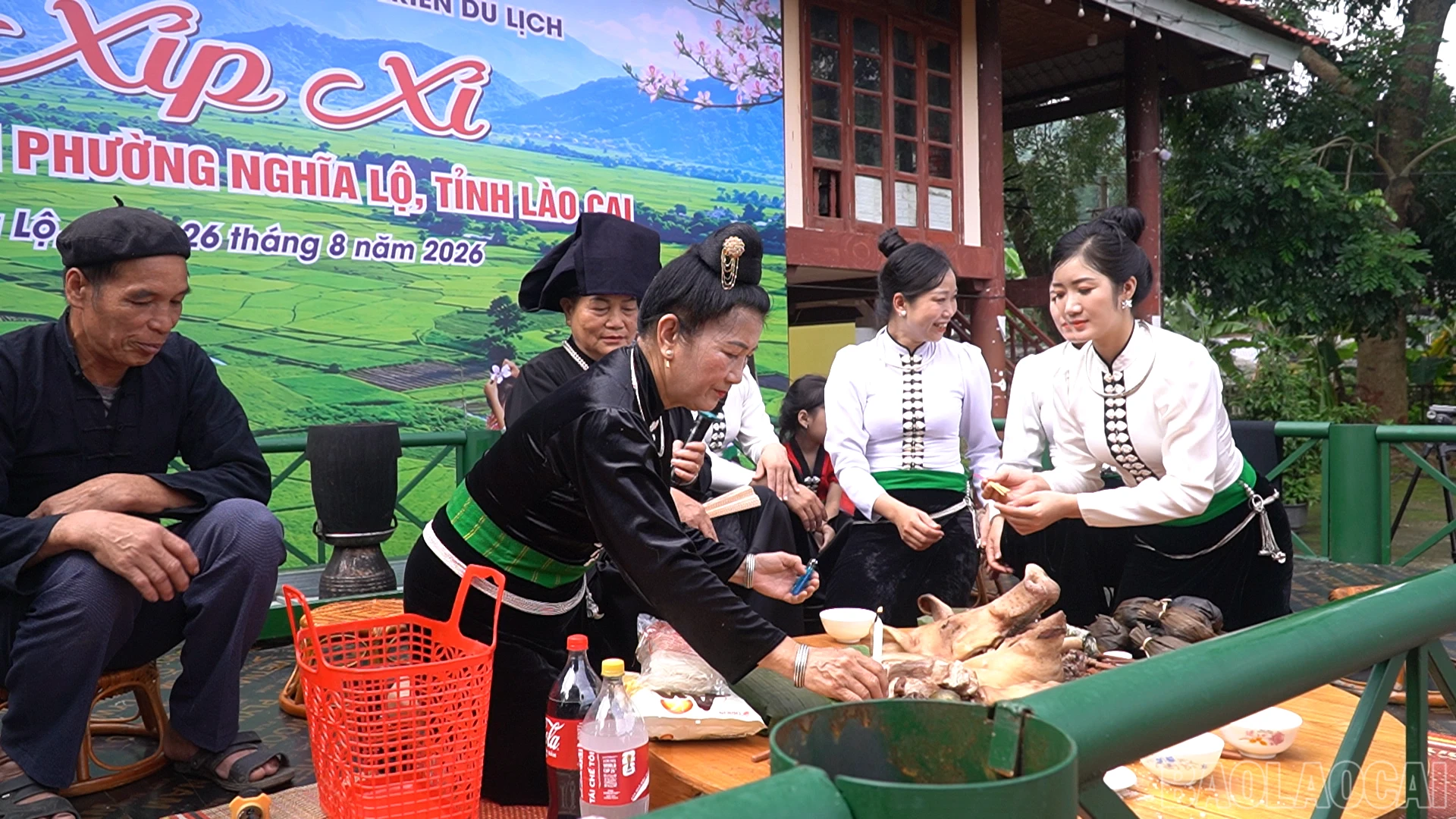
Then singing exists in important rituals of the Tay people in this region such as then worshiping rituals, gods worshiping, ancestors worshiping and funeral rituals. Then singing also exists in the traditional festivals of the Tay people such as the festival to the field, the festival to celebrate the new rice, the ceremony to celebrate the new house, the wedding... and the cultural activities of the Tay people.
If then singing is an indispensable spiritual culture of the Tay people, then the gourd lute is an indispensable instrument to create harmonious rhythm for the song. Therefore, the lute is tue close and familiar instrument in then songs.
According to folk artists in Bao Yen, then singing has long been present in the Tay villages in Bao Yen and that is the form of cultural activities imbued with the identity of the Tay ethnic group living in the mountains. To have clear and warm then melodies, the lute is particularly important factor. The gourd lute, also known as the lute, was formerly made by the Tay Bao Yen people from gourd and forest wood.
The Tay people's gourd lute consists of three main parts: the bell, the body, and the strings. The bell is the amplifier made of half a dried gourd. The Tay people often choose large, old and round dried gourds from the previous season to make the flute. Since planting gourd, with the aim of getting the fruit to make gourd flute, the Tay people take care of the gourd very carefully, often they do not fertilize but only use clean water from the forest to water the gourd. Therefore, the gourd is always green and the fruit is as big as you want it to be. The body is made of wood, with one end going through the bell, the other end is curved in the shape of a crescent called the head. A gourd flute for then singing usually has three strings. According to the Tay people, the three strings of the flute represent father, mother and country.
The flute for the Tay people (Bao Yen) is not only musical instrument used in then singing activities, but it has become a sacred object in the then worshiping ceremony of the magicians in Tay village. The instrument is kept and preserved by the magicians very carefully. When someone in the village invites the magician to come and make offerings, he then burns incense to make an offering to ask the gods for permission to bring the flute along with the offering items to worship, then bring the gourd flute from upstairs to give it to the inviters bring it home first, hope to have a good day to celebrate.
Come to Bao Yen one time, see the gentle and poetic Nam Luong river and the traditional stilt houses of the Tay people. Leisurely listening to the sweet then songs and the special melody from the gourd tree, you will feel the charming life here.