Keeping the fire of indigenous knowledge alive in Ban Pho corn wine
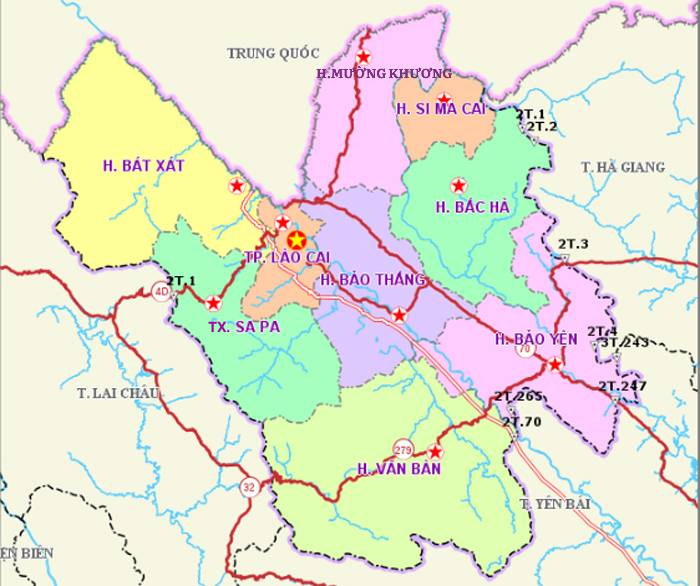
The mountainous district of Bac Ha (Lao Cai) is known as the “white plateau” in the middle of the Northwest sky. Not only famous for its majestic landscape and unique H'Mong villages, this place is also known for Ban Pho corn wine - a unique product crystallized from rocky mountain corn, wild yeast and the talented hands of the indigenous people. Not simply a drink, corn wine is also a cultural symbol, a heritage of enduring folk knowledge passed down through many generations.
No one remembers exactly when the corn wine making profession was born. It is only known that for generations, the H'Mong people in the communes of Ta Van Chu, Ban Pho, Ta Cu Ty... have regularly lit fires in their earthen stoves, distilling batches of fragrant wine. The profession is closely linked to the working life and farming practices, creating a unique identity for the highland community.
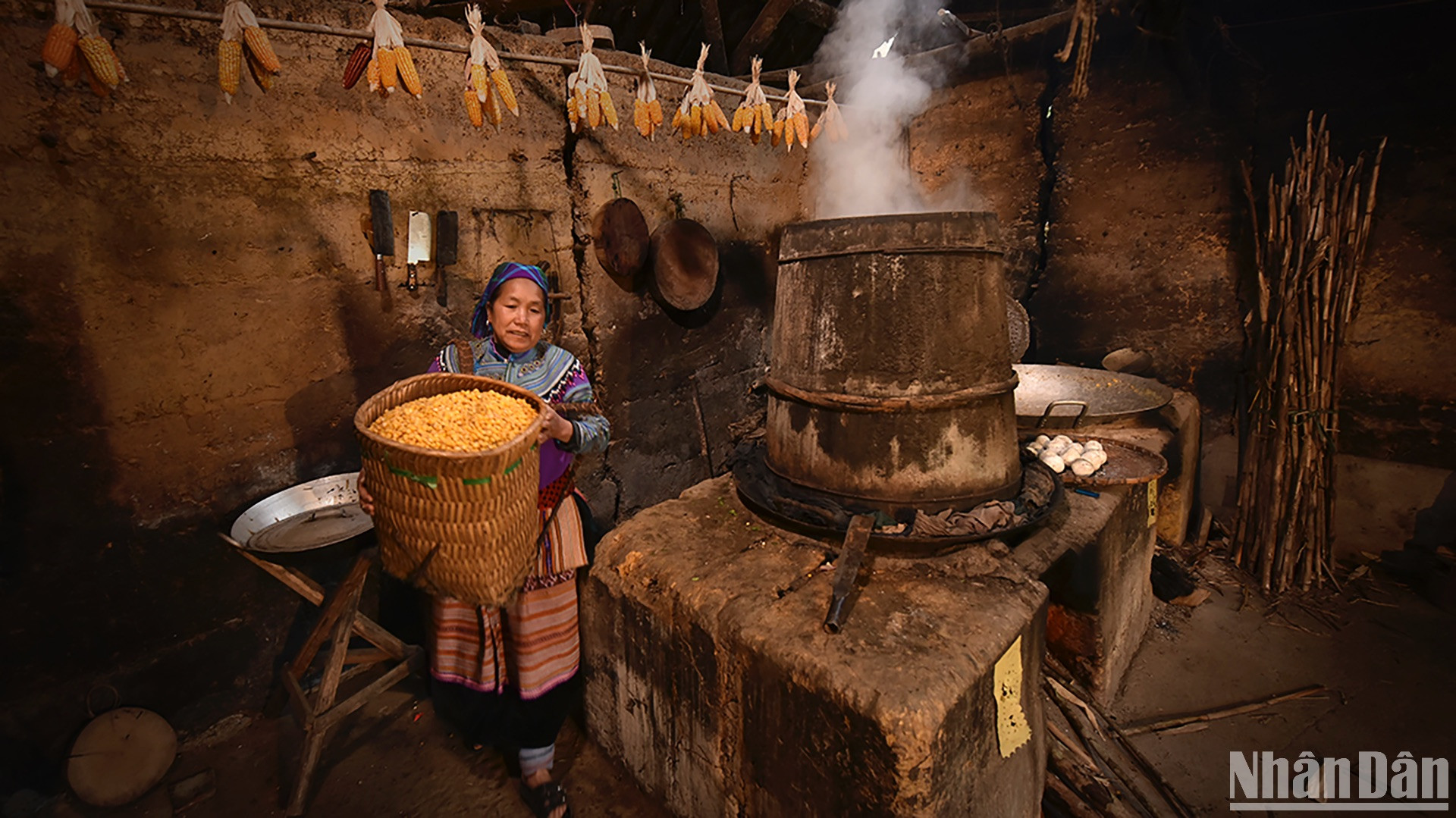
(Photo: VU LINH)
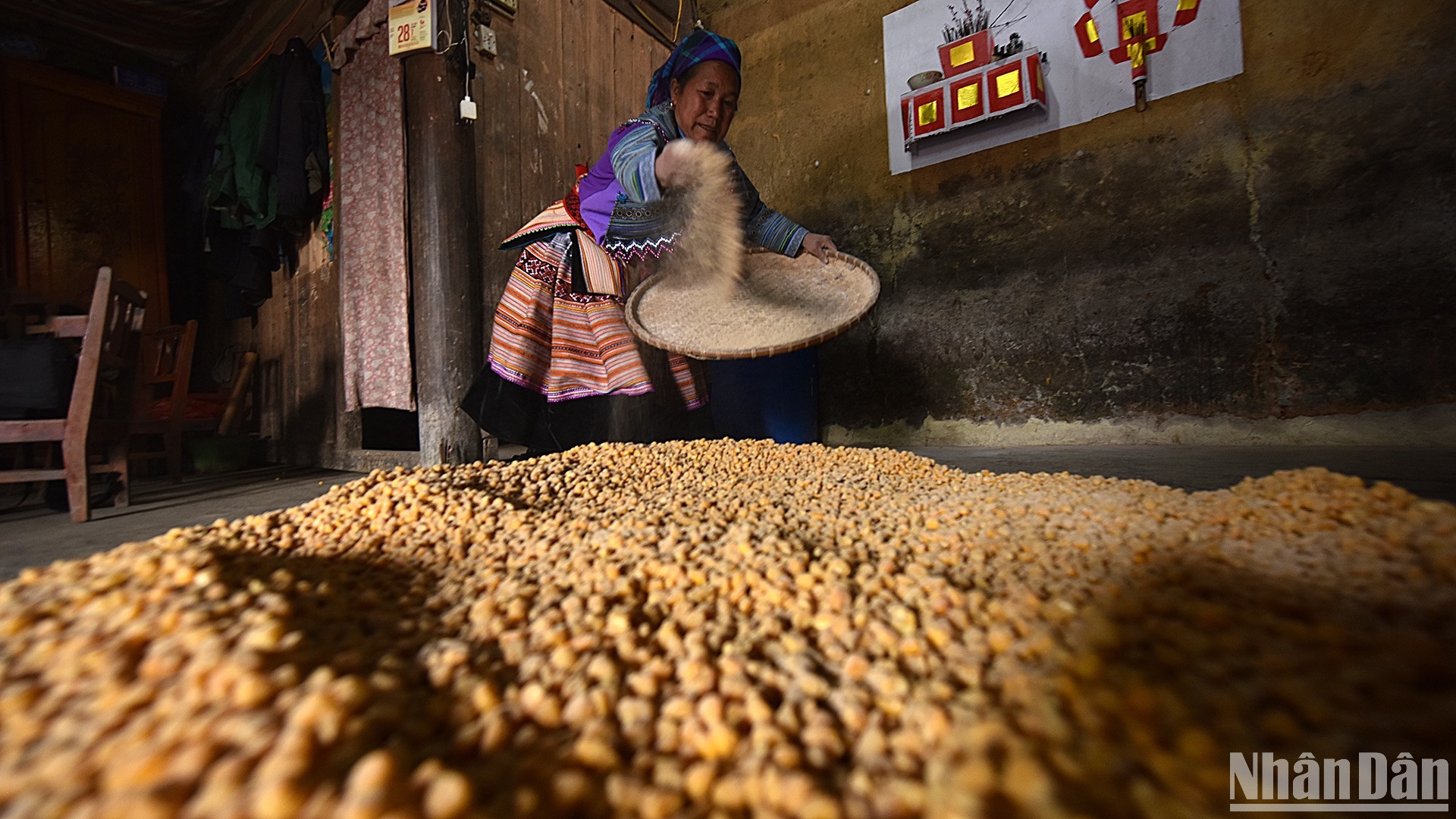
What makes Ban Pho corn wine special is not only the ingredients but also the indigenous knowledge system that has been accumulated, filtered and passed down through many generations. From the stage of selecting local yellow corn varieties grown on Lung Phinh rocky slopes to the natural drying technique on the kitchen loft to retain the stickiness, starch content and characteristic flavor of the corn kernels when cooked.
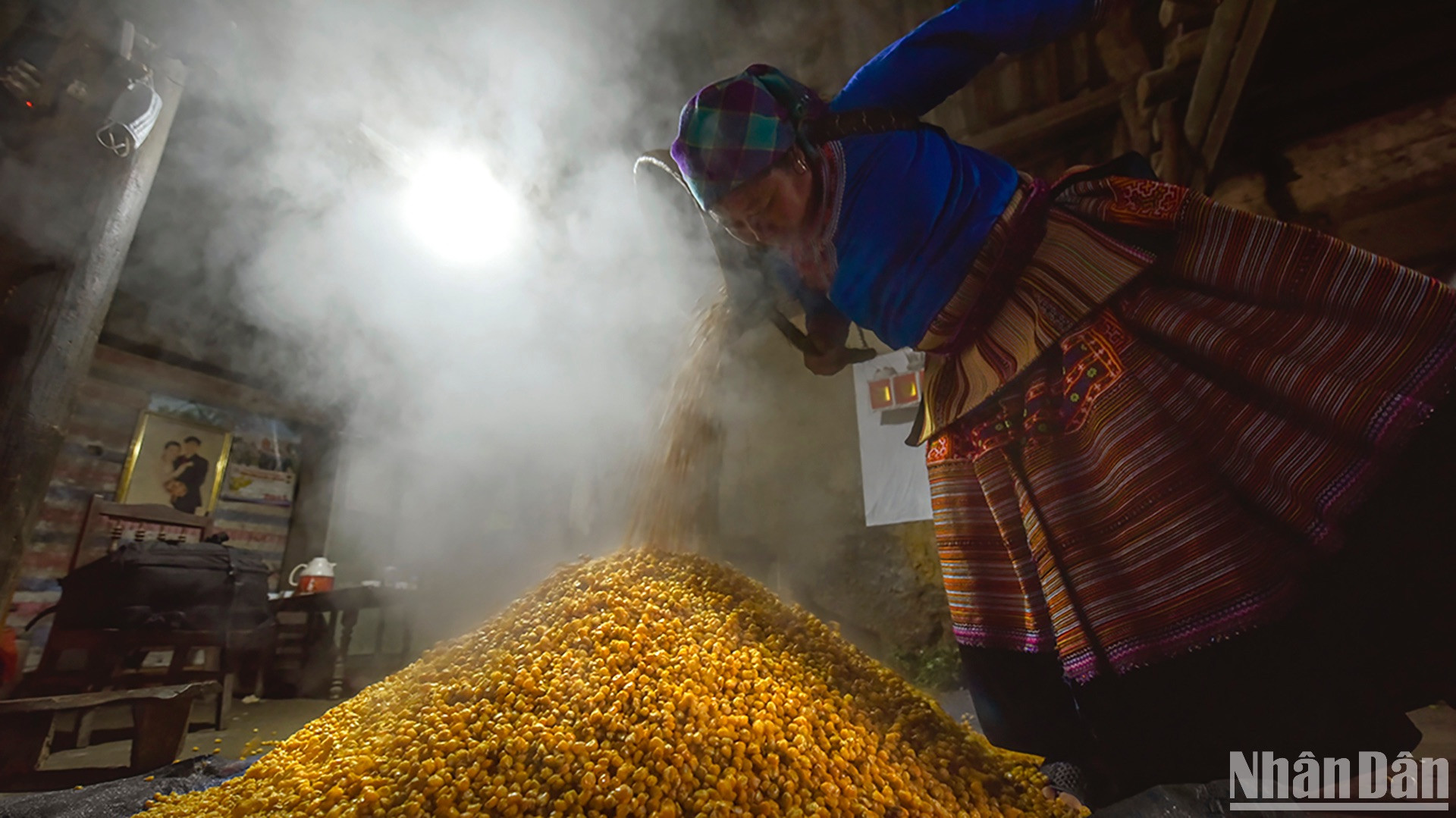
(Photo: VU LINH)
After separating the corn kernels, grind them, steam them, mix them with yeast leaves, and then store them in a sealed jar. Yeast leaves are an important ingredient that determines the flavor of corn wine, and are a secret that is only passed down within the family.
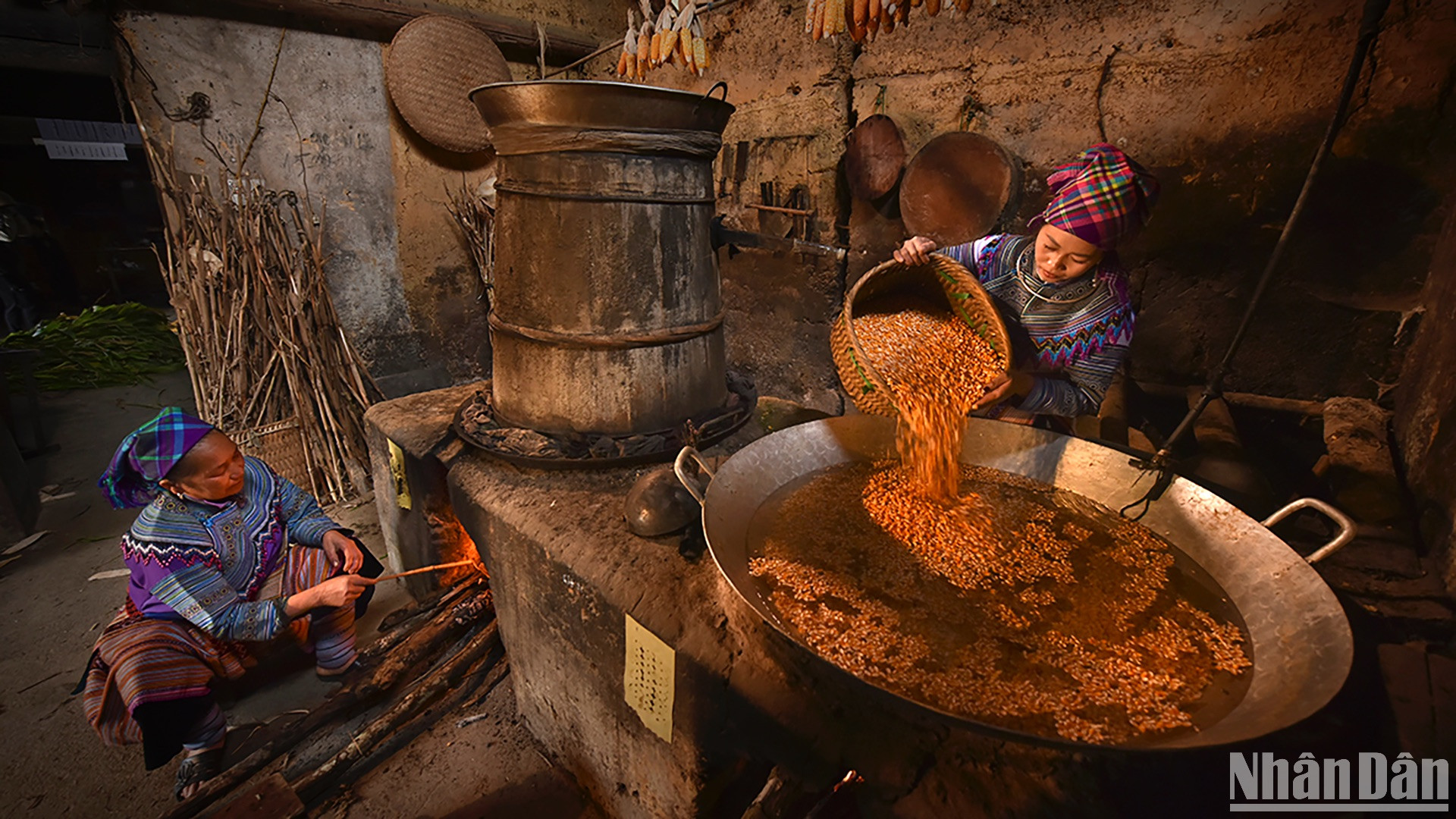
(Photo: VU LINH)
To make this traditional yeast, the Hmong people have to go into the forest to pick dozens of types of leaves and herbs growing on the mountain . These ingredients are washed, dried, crushed and mixed according to a secret recipe. The yeast powder has a light gray color and a pungent, spicy, and pungent aroma, which is the “soul” of corn wine.
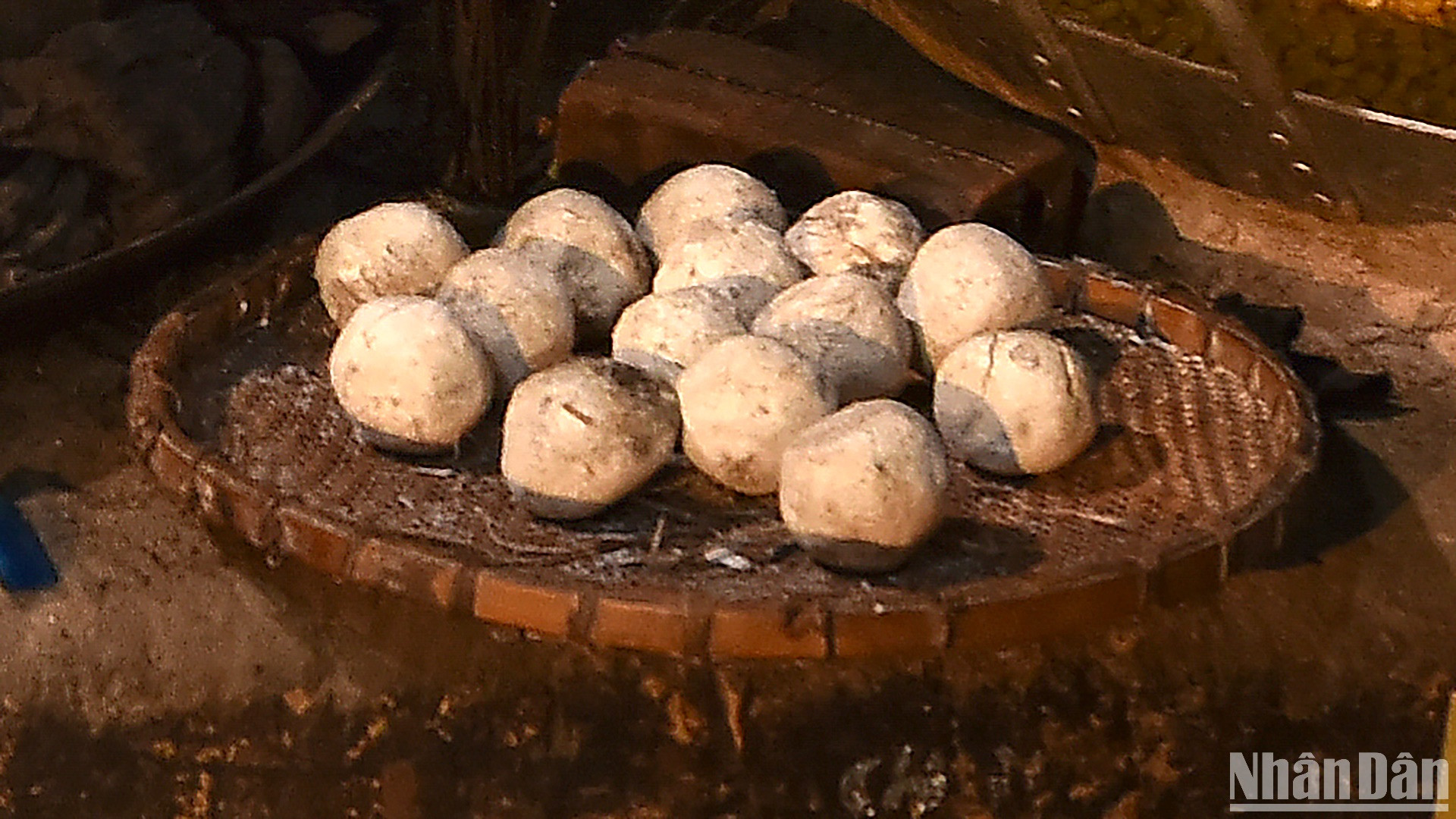
(Photo: VU LINH)
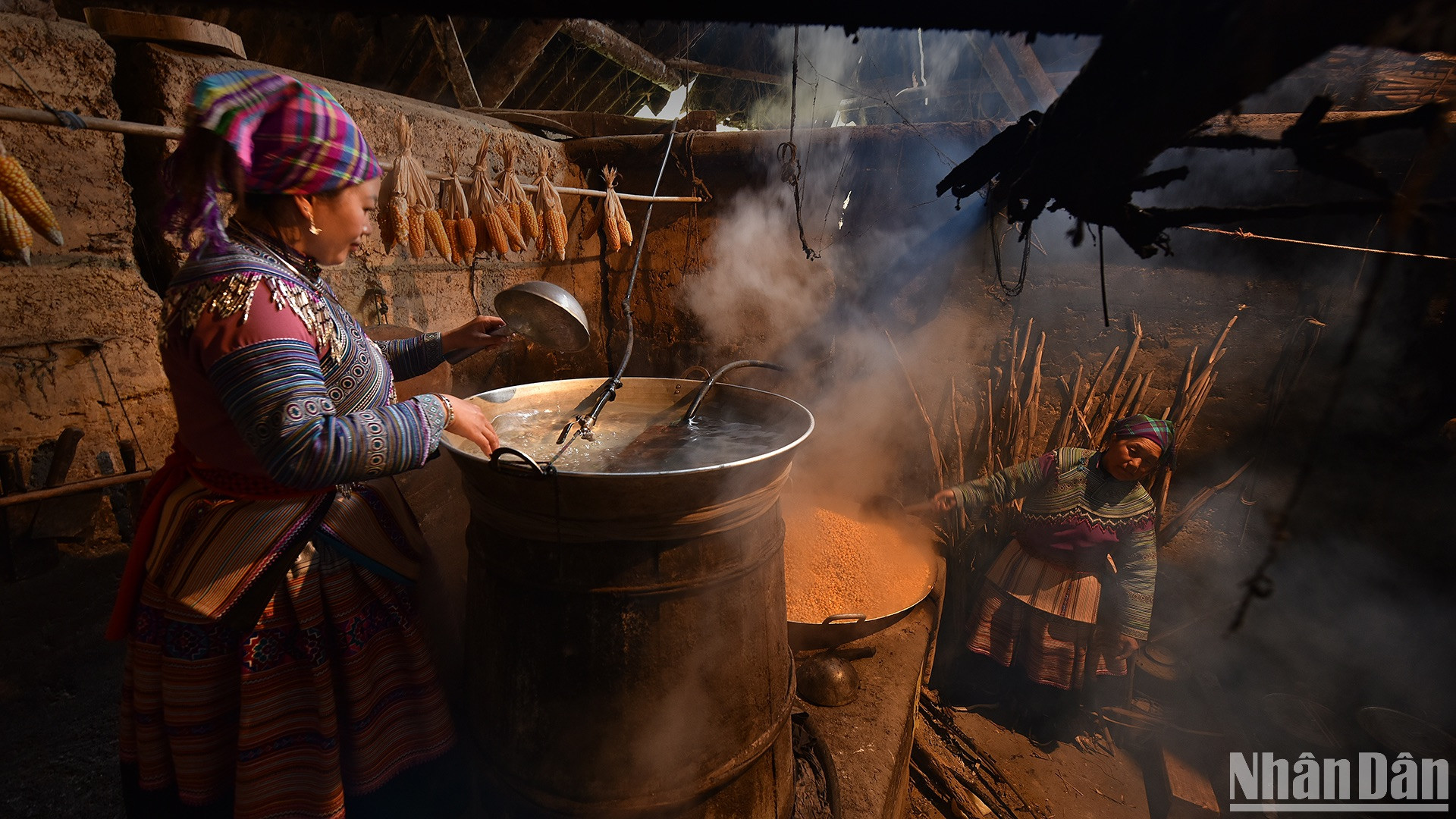
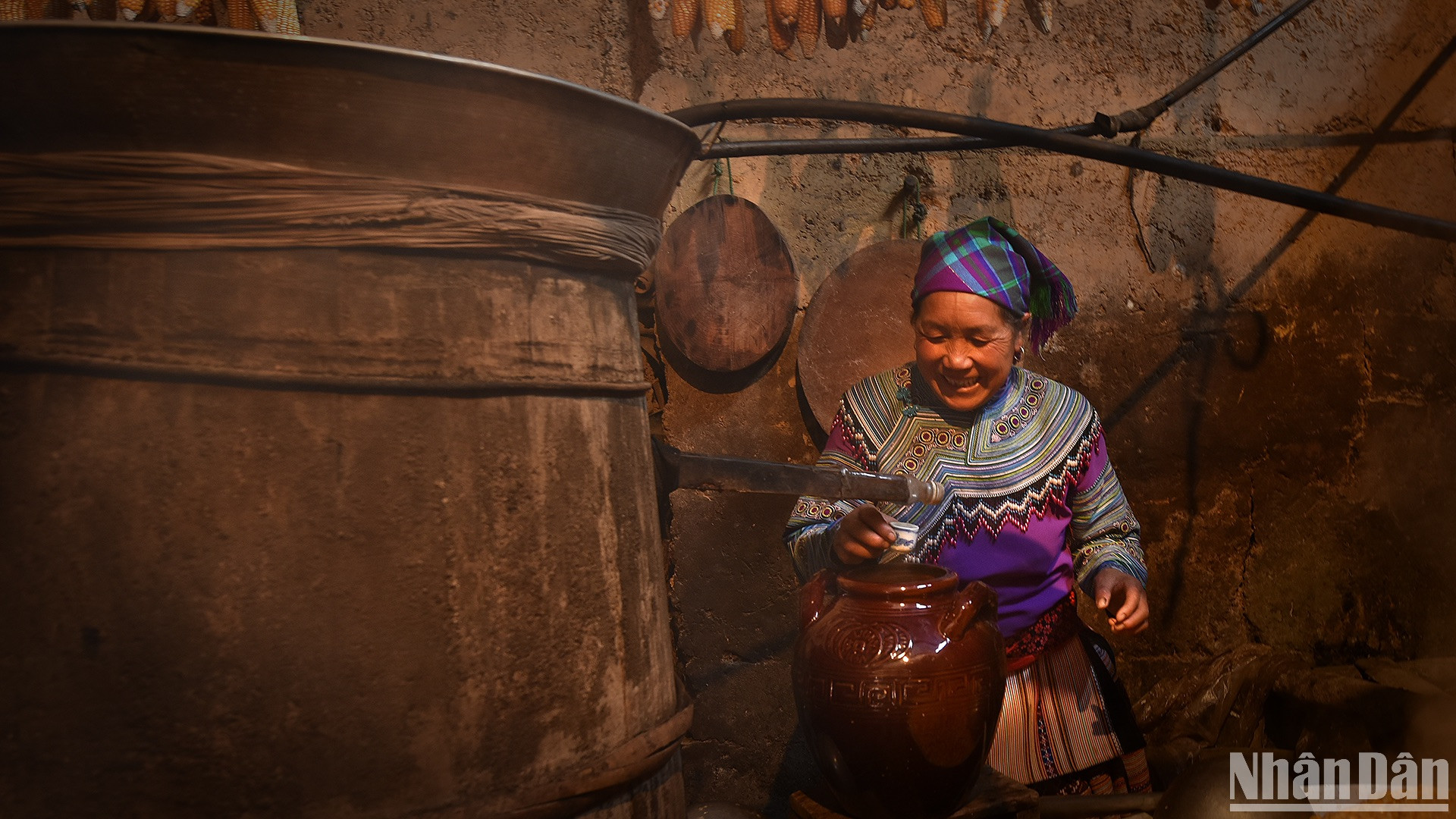
The wine-making space also reflects the blend of folk techniques and highland cultural identity. The wine stove is usually located next to the house, where it is sheltered from the wind and retains heat well. Wine-making tools include copper pots, bamboo steam pipes, earthenware jars, etc., all of which are handmade items that contribute to the unique flavor of Ban Pho corn wine. The spring water used to make wine must be cool water flowing from limestone mountains.
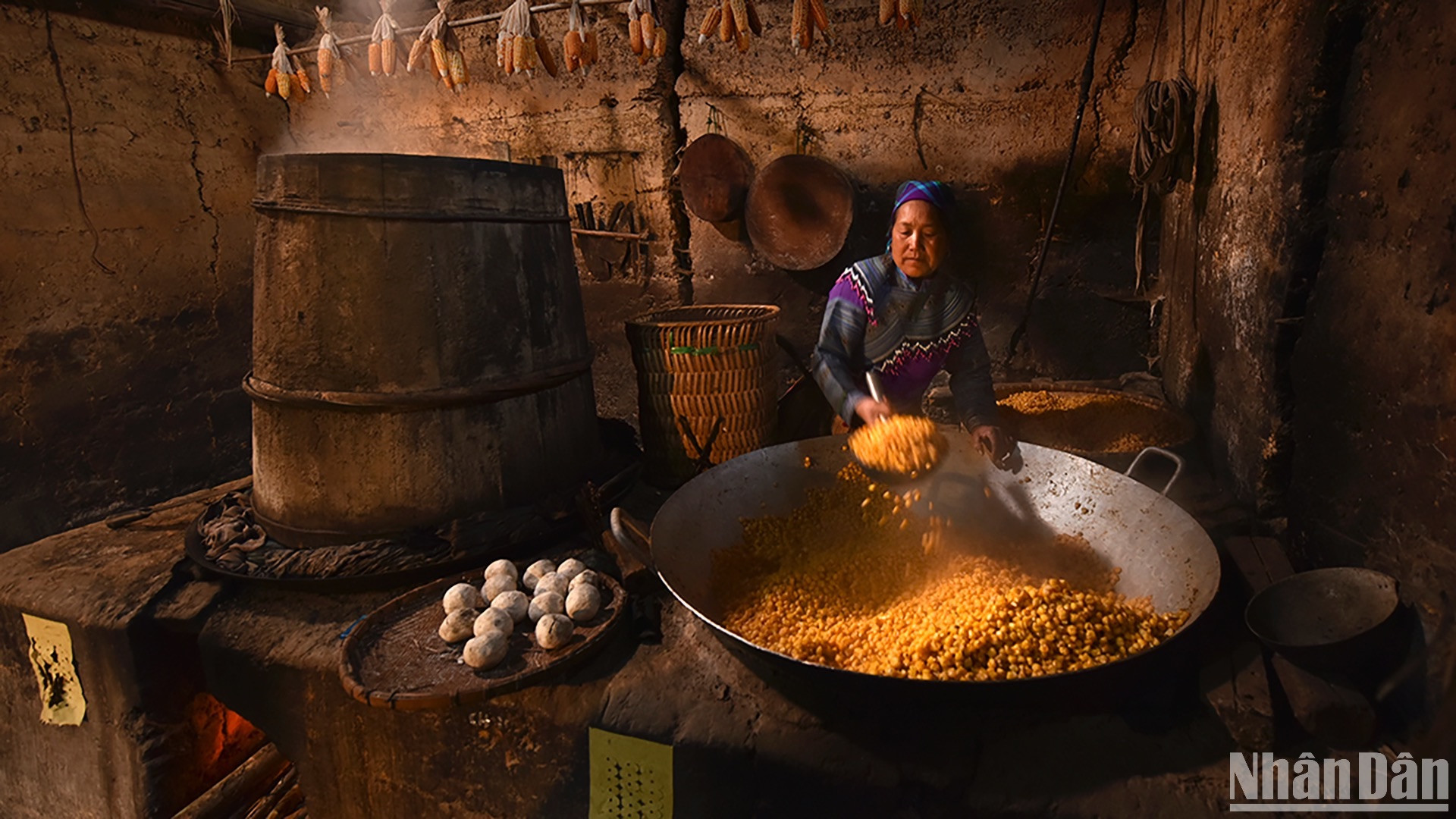
(Photo: VU LINH)
It can be said that the wine making profession is the crystallization of a treasure trove of folk knowledge about soil, climate, biology, pharmacy and manual techniques passed down by word of mouth.
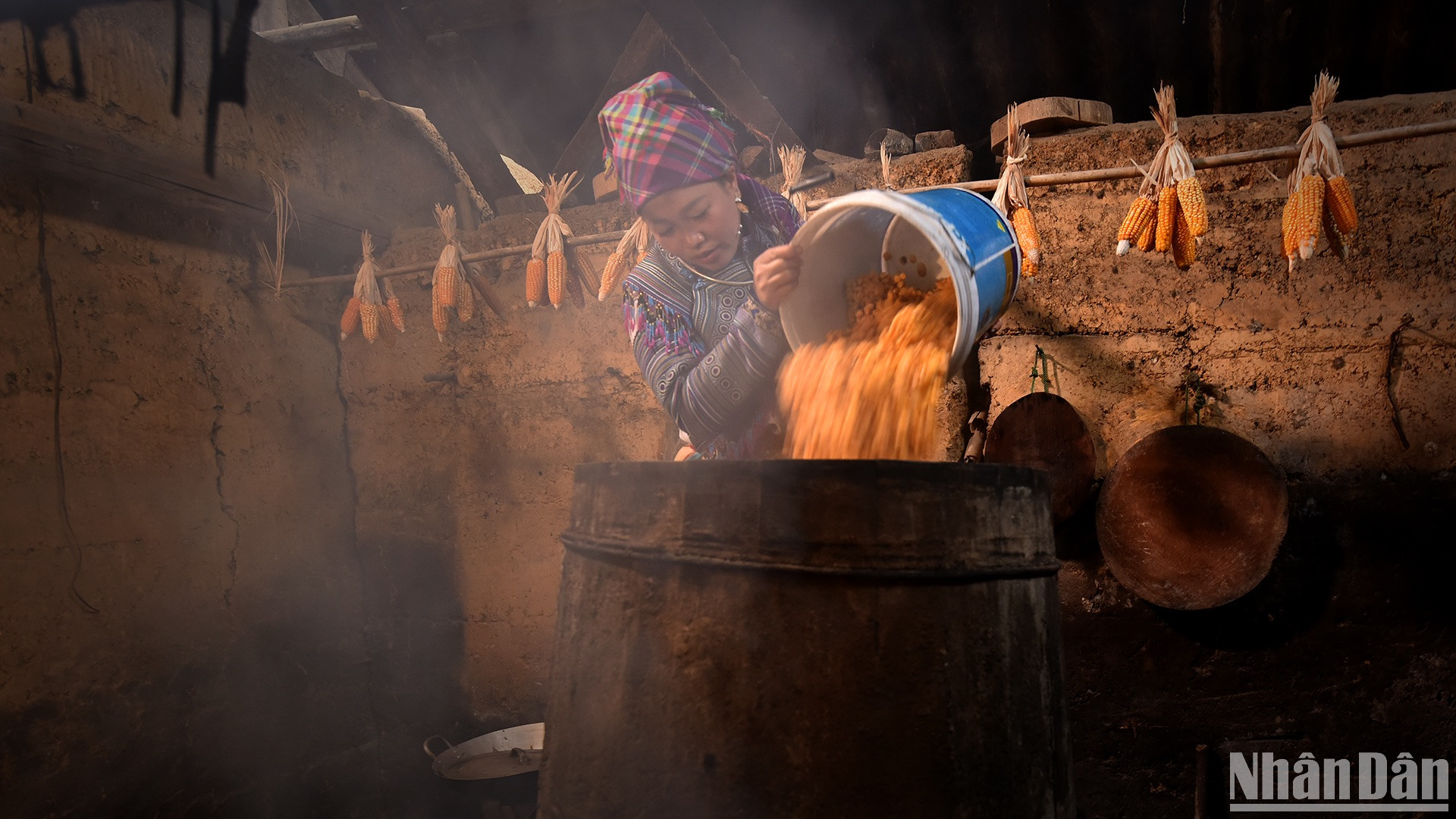
(Photo: VU LINH)
The brewer does not use modern machinery or books, but relies on delicate senses, practical experience and oral experience: looking at the color of the wine, whether it is clear or cloudy, listening to the boiling sound in the pot, smelling the fermentation smell to adjust the fire, watch the fermentation time... Each step is carried out meticulously, carefully and persistently until the rich, aromatic corn wine is produced.
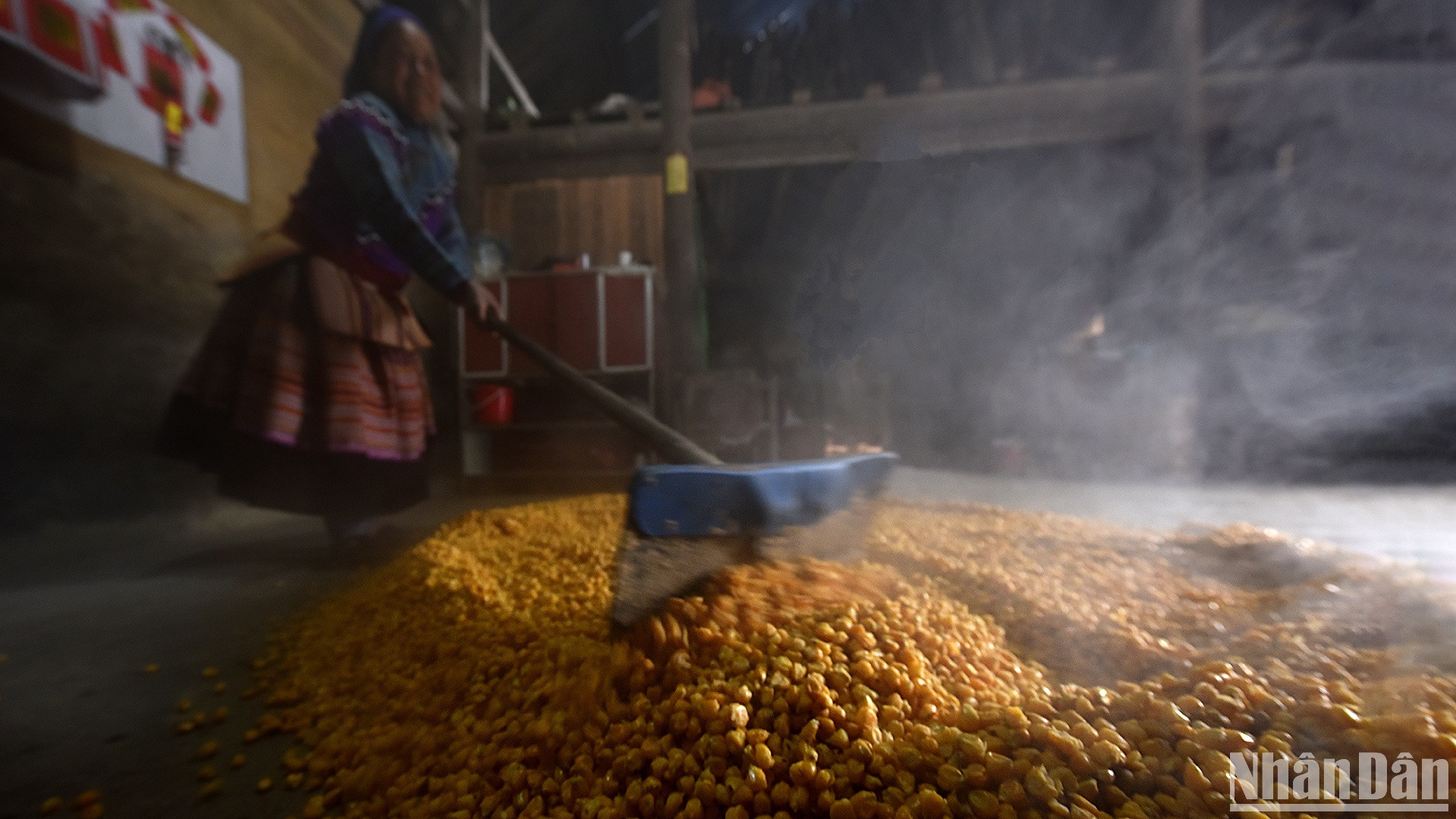
(Photo: VU LINH)
Not only a culinary product, corn wine is also a practical source of livelihood for many Hmong households. From being only served within the community, Ban Pho-Bac Ha corn wine has now become a branded commodity, granted a collective trademark.
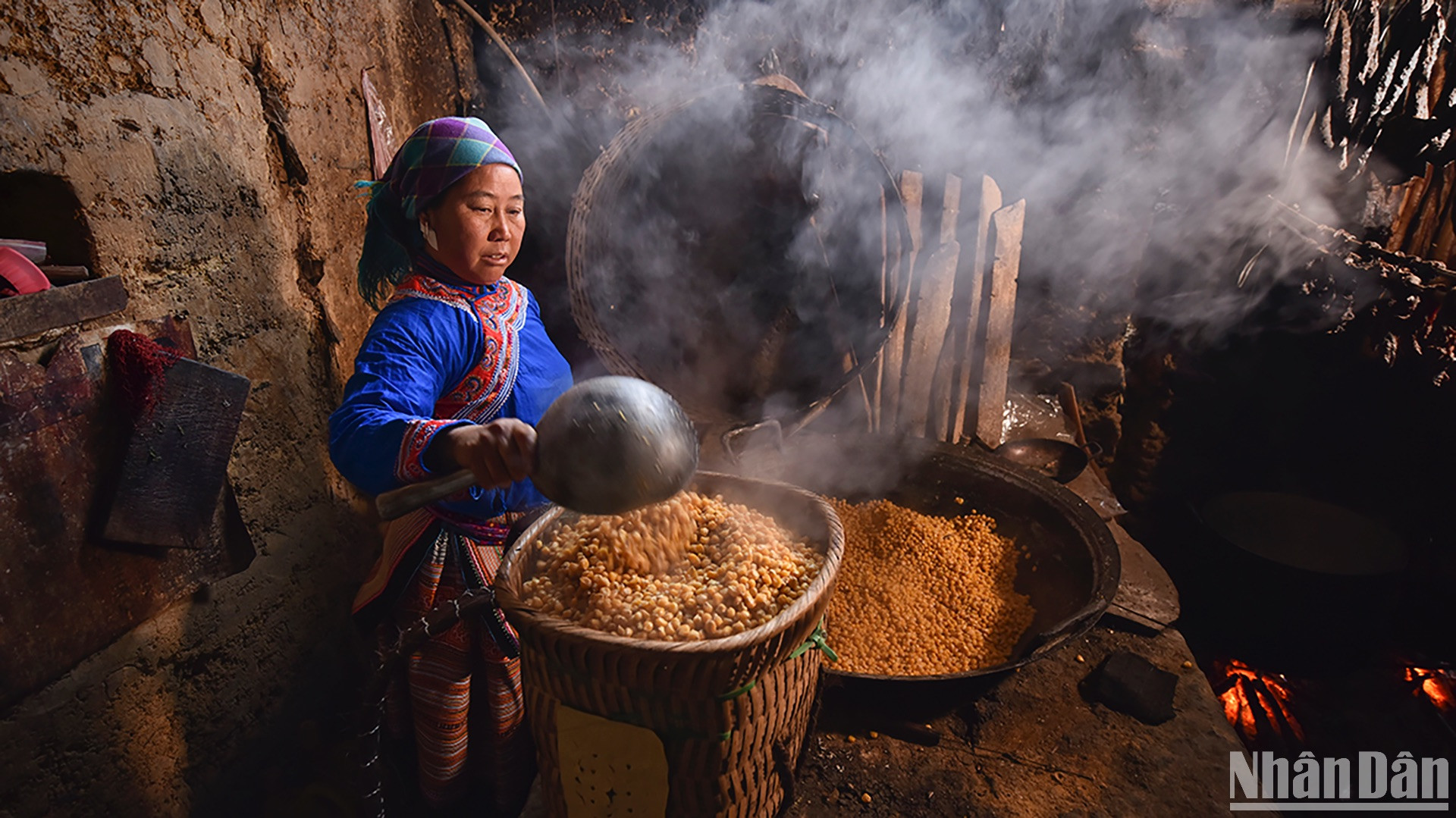
Some producers have proactively invested in packaging, barcodes, and anti-counterfeit stamps to serve tourism and the commodity market. Thanks to that, corn wine appears in cultural festivals, food fairs, regional specialties, highland product promotion events, and is present in many restaurants and hotels.
(Photo: VU LINH)
In the context of many traditional craft villages facing the risk of extinction, Ban Pho corn wine is a testament to the lasting value of folk knowledge associated with local economic, social and cultural development.
(Photo: VU LINH)
Lao Cai province and Bac Ha district have developed policies to support traditional craft villages in conjunction with the One Commune One Product (OCOP) program, organizing highland culinary festivals to honor traditional crafts while promoting trade and advertising these products. To date, Ban Pho corn wine has been recognized as meeting four-star OCOP standards and Ban Lien organic tea has met five-star standards, becoming key products of Bac Ha district.
(Photo: VU LINH)
In the long term, the sustainable development direction is to combine wine making with community tourism development. Tourists coming to Bac Ha can not only admire the plum forests blooming white in the sky, immerse themselves in the bustling atmosphere of the market, enjoy the unique culture of the Mong ethnic group... but can also experience the stages in the process of making Ban Pho corn wine, listen to folk stories about the process of making yeast, enjoy corn wine right by the fire with the local people. Such experiential tours not only enrich tourism products but also contribute to preserving culture and creating livelihoods for the people.
In the journey of preserving national culture, Ban Pho corn wine making is not only a traditional profession but also a symbol of folk knowledge that plays an essential role in sustainable economic, cultural and tourism development.
https://nhandan.vn/giu-lua-tri-thuc-ban-dia-trong-men-ruou-ngo-ban-pho-post879082.html