These roads pave the way for rural development.
Rural transportation routes in Lao Cai not only serve transportation needs but are also key factors in opening up new development opportunities for agricultural production, attracting investment, and improving the lives of people in rural areas.
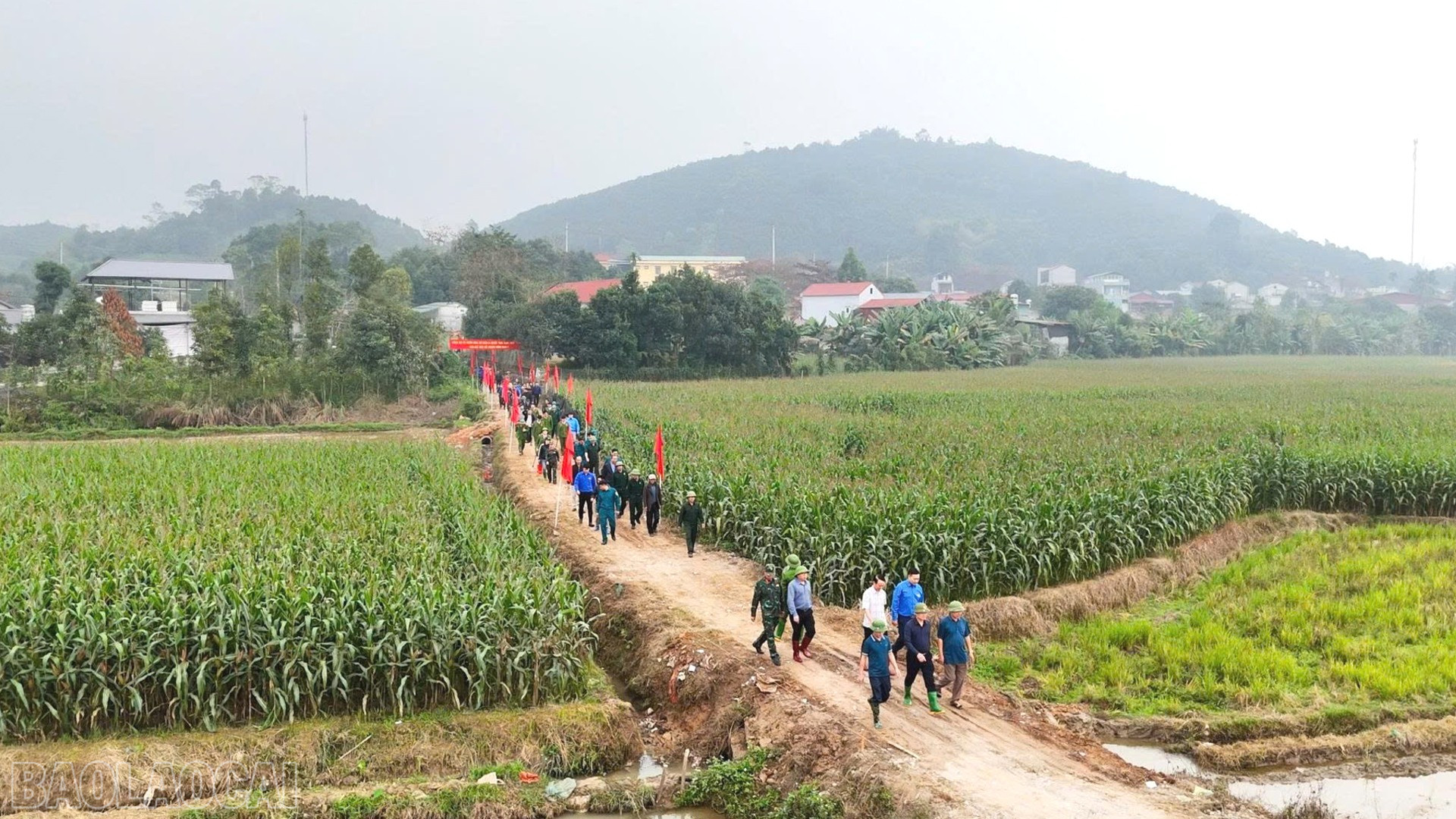
Rural transportation in Lao Cai not only serves the basic need for travel, but is also a key factor in opening up new opportunities for agricultural production development.
The road connecting Ban Khun bridge with the old central road of Hong Ca commune (now part of Hung Khanh commune) has been completed, making it easier for people in Ban Khun village to travel, especially during the rainy season.
The villagers are delighted that cars can now access the production area to purchase agricultural products without fear of being exploited. Khun village is home to a large Tay ethnic minority population, and the people there face many difficulties. Therefore, the upgraded and widened road has met the expectations of the villagers.
Ms. Nguyen Thi Huyen from Ban Khun village shared: “With the road completed, transportation is more convenient, and the exchange of goods among the villagers has become more vibrant, contributing to improving the lives and living conditions of the people.”
Meanwhile, in Dong Cuong commune, the road connecting Khe Voi and Tra villages, passing through the village's agricultural production area, was completed amidst the joy of the people as the Lunar New Year of the Horse (Binh Ngo) approached. With material support from the State, the villagers voluntarily donated land and contributed labor to pour concrete, quickly completing this road.
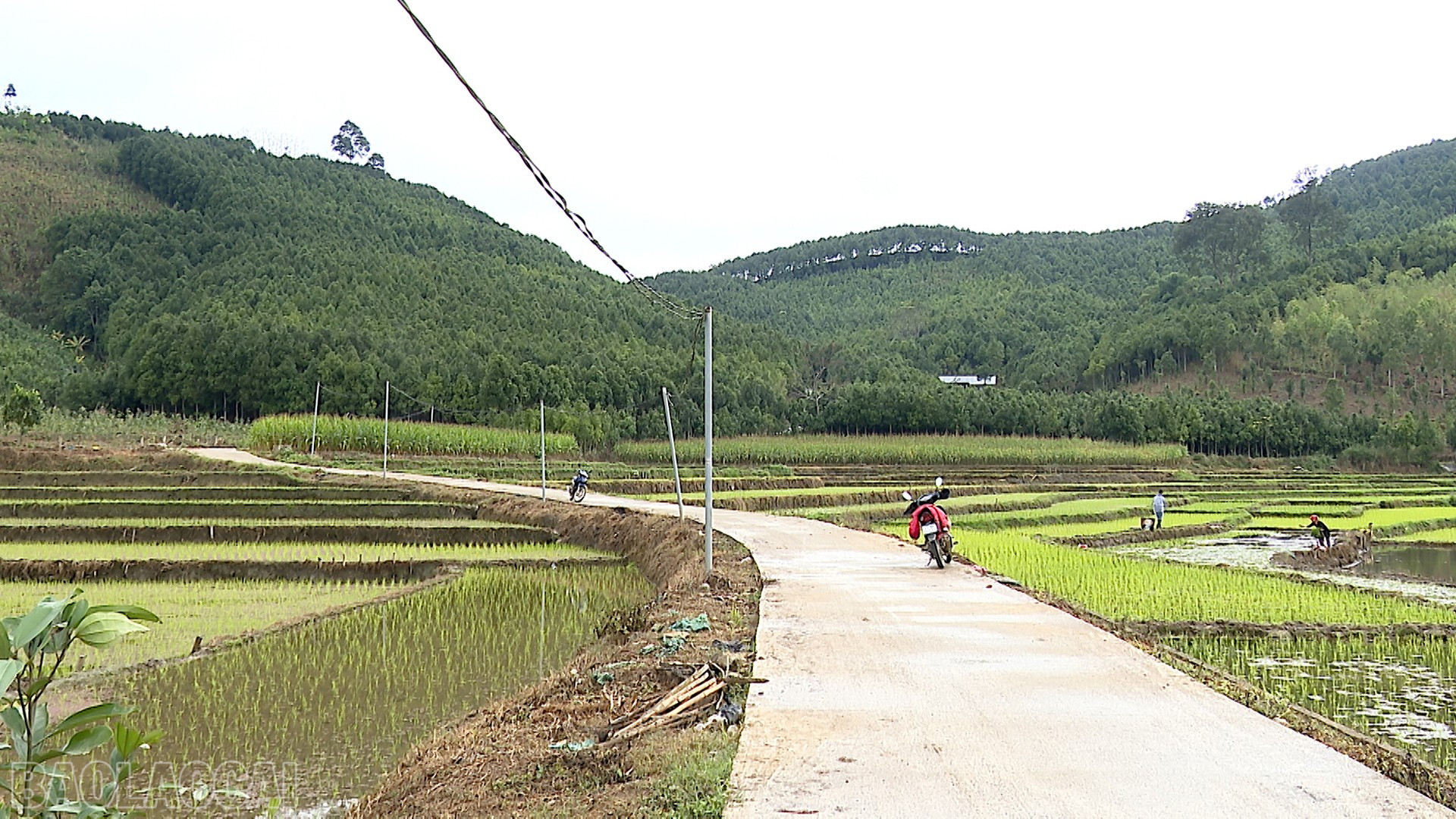
The road connecting Khe Voi and Tra villages, which passes through the village's agricultural production area, has been completed.
Ms. Nguyen Thi Yen from Tra village said: "Previously, the road was very difficult to travel on, especially during the rainy season. Now that the road is completed, travel is very convenient, and the price of agricultural products is higher, so the lives of the people will improve."
Reportedly, as part of the Rural Transport Development Project for the period 2026-2030, Dong Cuong commune has proposed upgrading and repairing over 20 km of concrete roads that were already completed in the 2020-2025 period but are now damaged or degraded; and constructing nearly 26 km of new roads.
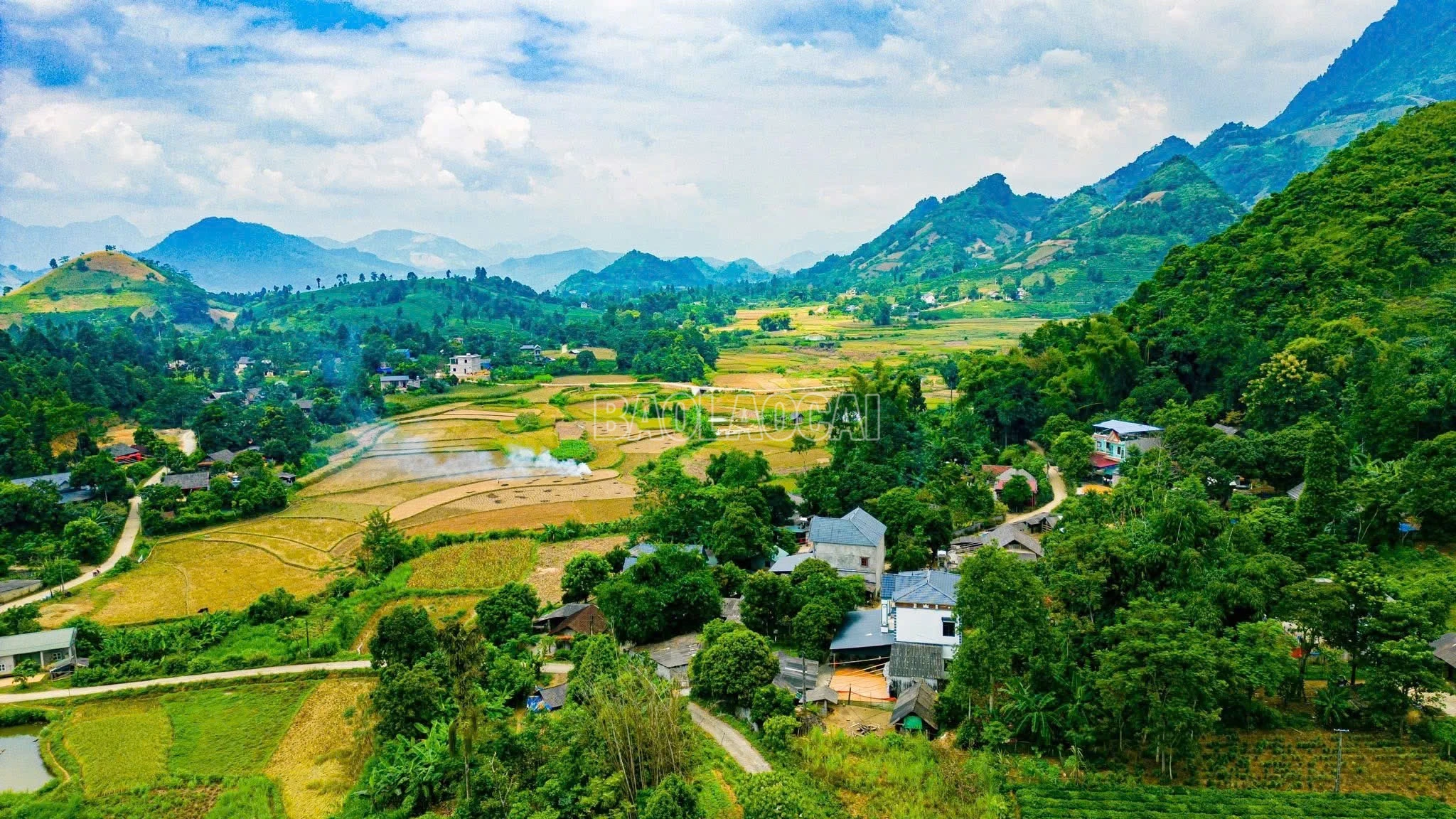
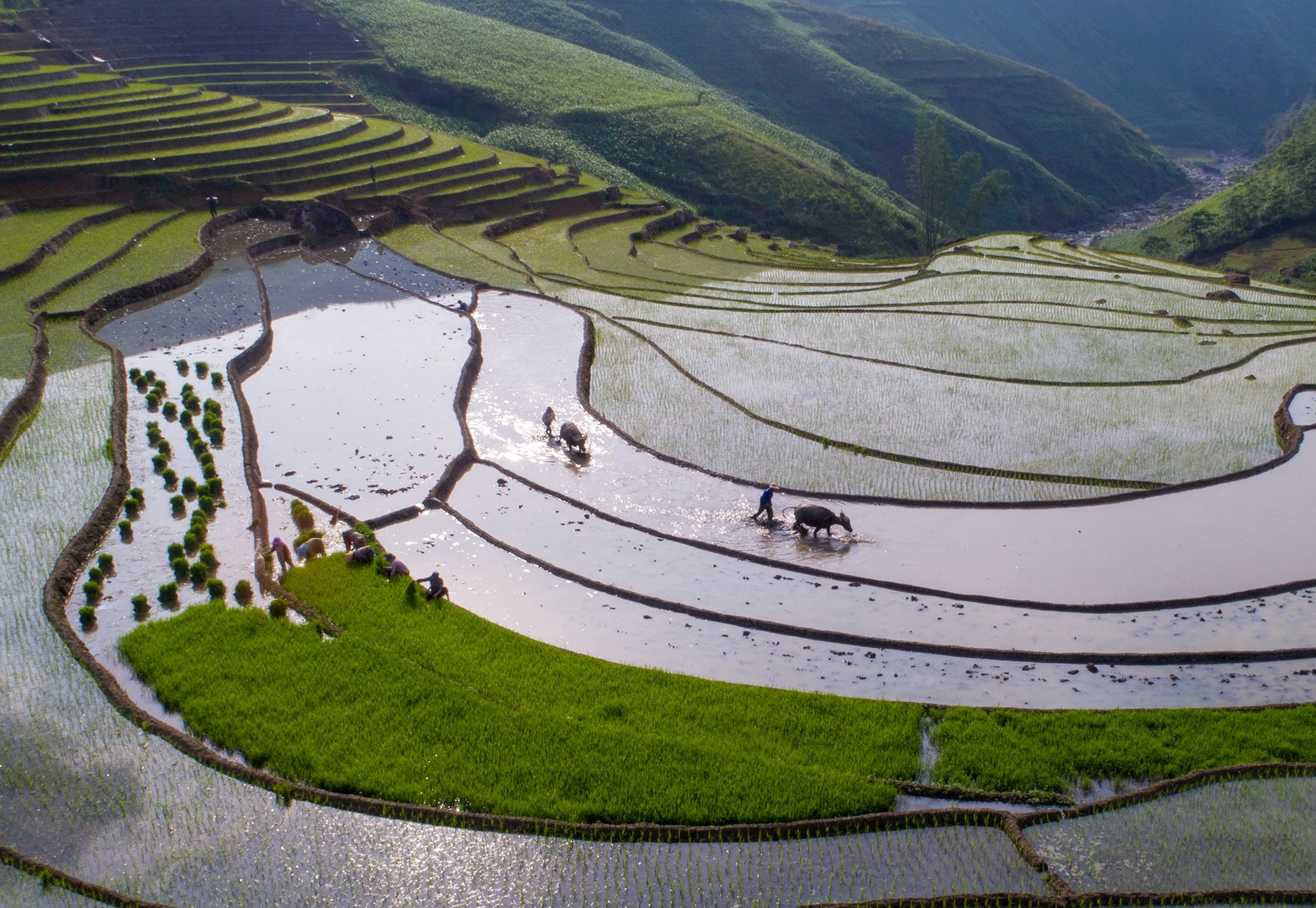
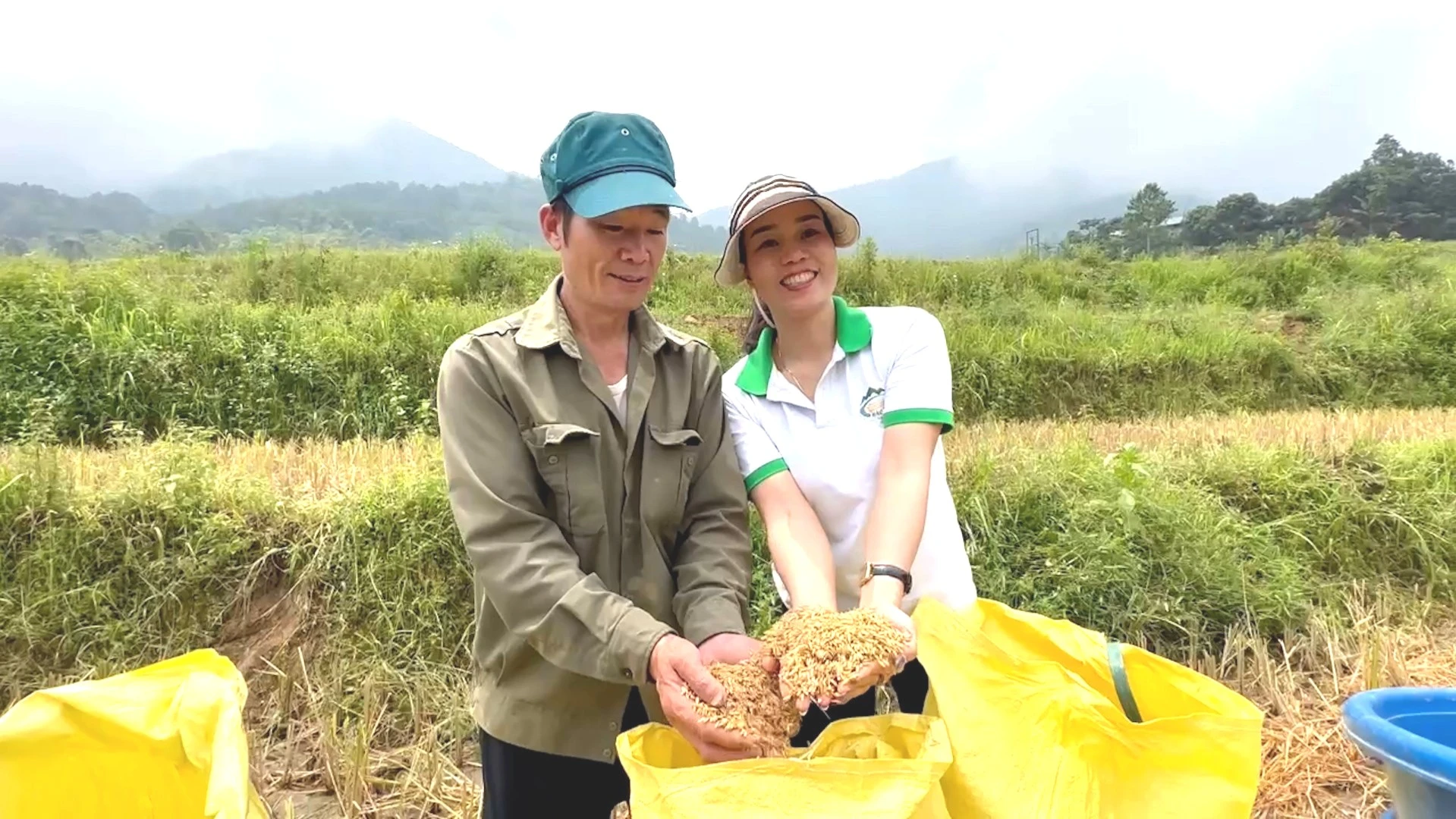
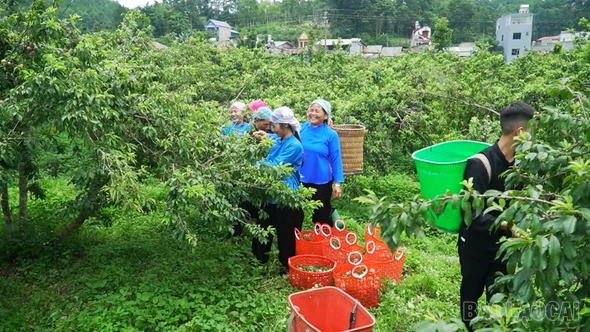
Upgraded and expanded roads have made it easier to transport agricultural products such as rice, corn, tea, and fruit, helping people sell their products at more stable prices. Besides serving agricultural production, the improved transportation system also creates conditions for people to develop various types of service industries and small-scale trading.
Many households along these routes have boldly opened service businesses, contributing to increased income and improved living standards. In addition, convenient transportation helps localities strengthen connectivity, create conditions for attracting investment, form concentrated production areas, and enhance the value of agricultural products linked to consumer markets.
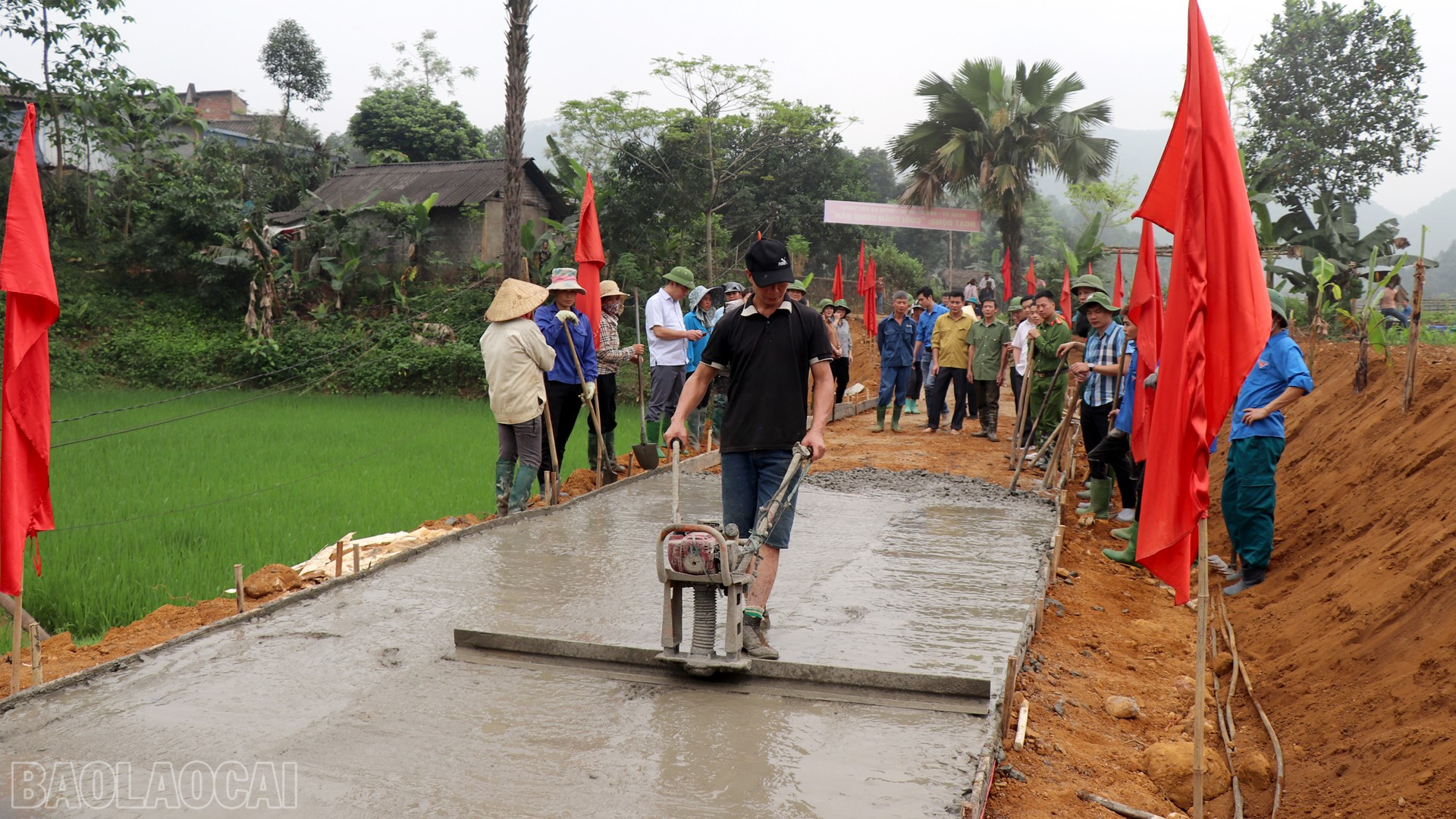
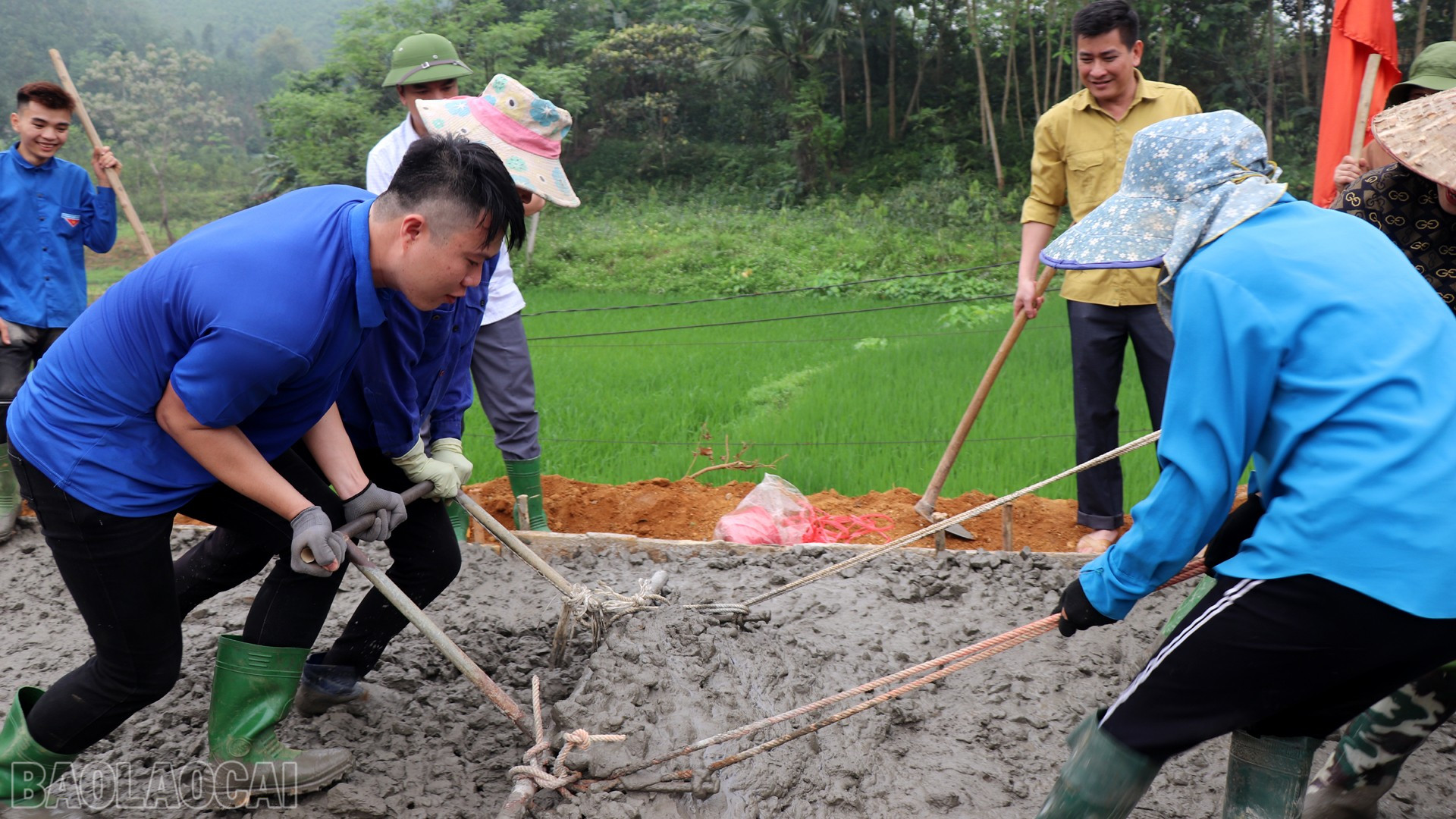
Local organizations and residents in the province actively contributed labor to the road reinforcement project.
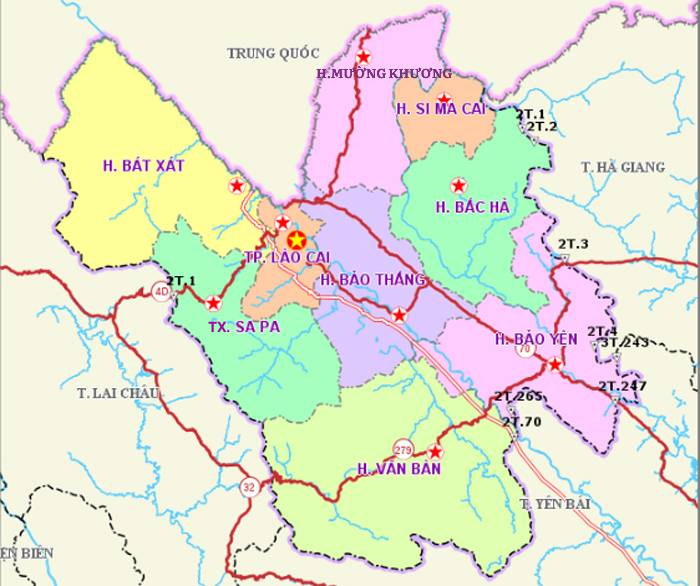
Lao Cai province has a fairly comprehensive transportation system with one expressway nearly 153 km long; nine national highways with a total length of over 944 km; 27 provincial roads over 1,425 km long; and a rural road network of up to 15,013 km, including inter-commune roads, commune-level roads, village-level roads, alleyways, and main roads within agricultural fields.
To date, the entire province has paved more than 12,000 km of rural roads, reaching approximately 80% of the total network length. Many roads that were previously difficult to travel on, especially during the rainy season, have now been concreted or asphalted, creating a new look and opening up development opportunities for rural areas.
In many localities, when transportation infrastructure is comprehensively developed, the transport of agricultural products to the market becomes easier, costs are reduced, and the value of the products is significantly increased.
Besides helping people develop production, convenient rural transportation also attracts businesses and cooperatives to invest in agriculture, community tourism, and services in rural areas.
Many production models linked to processing and product consumption have proven effective, contributing to the sustainable transformation of the rural economic structure.
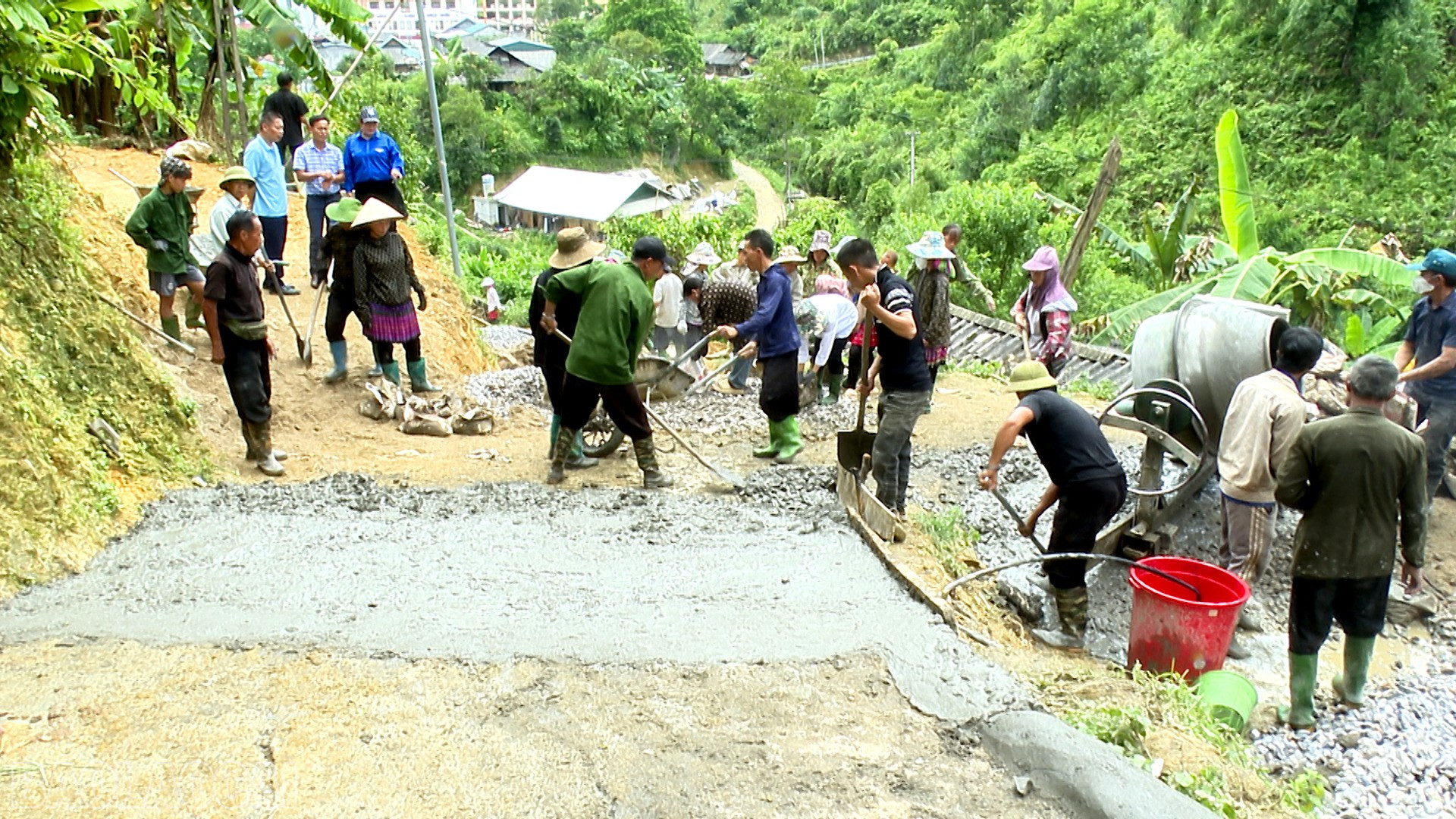
The people of Ta Chu village, Phinh Ho commune, are actively participating in the reinforcement of inter-village roads.
The resolution on rural transport development in Lao Cai province for the period 2026-2030, recently issued by the Lao Cai Provincial Party Committee, is expected to create a strategic breakthrough in infrastructure development; investing in rural transport construction to ensure connectivity and interoperability with national and provincial arterial roads, creating a synchronized transport network, promoting the circulation of goods and socio-economic development.
The province aims to invest in the construction, opening, and upgrading of at least 350 km of inter-commune roads and connecting roads from national and provincial highways to the centers of communes by 2030. These roads will have a minimum design level of Class V, a roadbed width of 6.5 m, and a road surface width of 3.5 m or more. By the end of 2030, over 80% of rural roads in the communes will be asphalted or concreted.
In addition, the province will invest in the construction of at least 100 concrete and steel bridges to replace old suspension bridges, temporary bridges, and culverts; and support the reinforcement of approximately 2,500 km of rural roads to meet prescribed standards. The goal by 2040 is to complete the asphalt and concrete paving of 100% of rural roads, creating a solid foundation for sustainable socio-economic development.
I am very pleased that the Provincial Party Committee has issued a resolution on the development of rural transportation, which is a prerequisite for socio-economic development and improving the quality of life for the people.
Ms. Ly Thi Chai, from Quach village, Mau A commune, said excitedly.
Each rural road that is upgraded and expanded not only has infrastructure significance but also vividly demonstrates the sound policies, the decisive involvement of the entire political system, and the consensus of the people. These roads, built as a result of the province's correct policies, the efforts of local authorities, and the unity and determination of the people, are gradually creating new momentum for rural development, contributing to the realization of the goal of building a more developed, prosperous, and civilized Lao Cai.
https://baolaocai.vn/nhung-tuyen-duong-mo-loi-cho-nong-thon-phat-trien-post893495.html