Unique traditional weaving of the Dao people
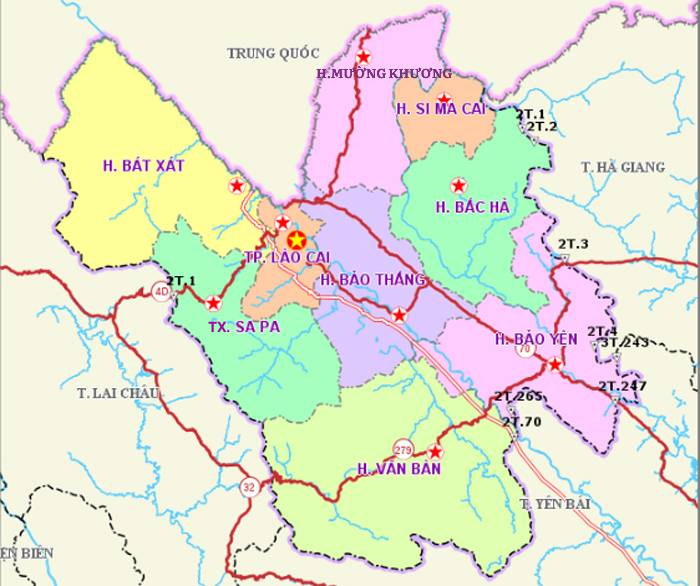
The Dao people live mainly in Bao Thang district with many unique and rich cultural features; in which, the accessories and costumes must be sewn from the pieces of fabric themselves woven according to the process associated with absolute taboos...The residents of Tra Chau village, Son Ha commune, Bao Thang district, are mainly Dao people. In addition to economic development, the Dao people pay great attention to preserving their national cultural identity, especially traditional weaving.
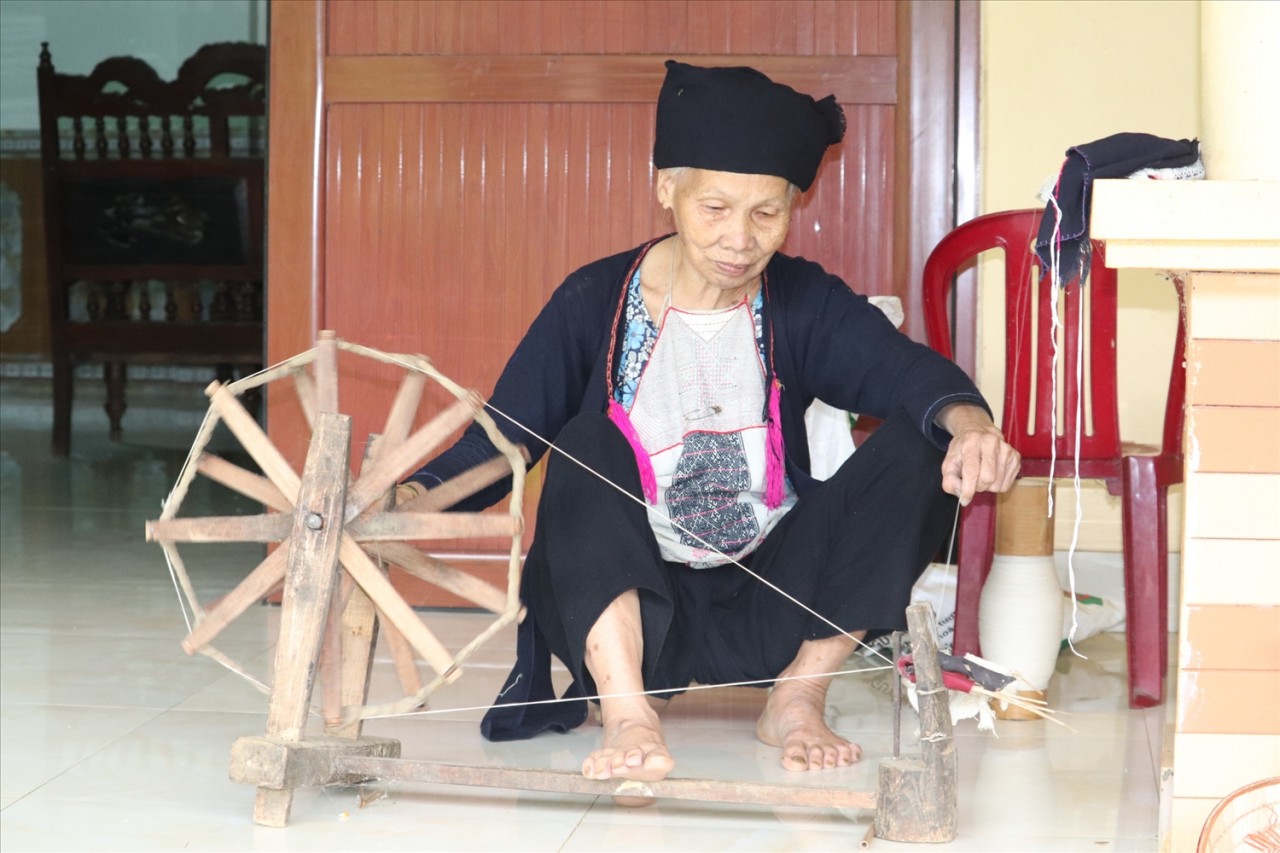 |
| Although old, Mrs.Tay still diligently weaves cloth to make clothes. |
Mrs.Trieu Thi Ha's family has long kept the traditional way of weaving. Mrs. Ha said: In the past, people in the village mainly weaved with cotton yarn, because every house had cotton fields to spin yarn. Now, most use only available in the market, affordable, save more time instead of growing cotton and then spinning it into yarn to weave.
The handmade weaving of the Dao people, with many stages requiring meticulousness, needs patience and ingenuity from the hands of women to be able to do it.
The men in the family will align and repair the loom. Although spinning, boiling yarn, sizing, winding the yarn into batches, spinning and installing it on the loom takes a lot of time, but it is not the most difficult thing, because the Dao people they weave cloth have absolute taboos. "When spinning the yarn, don't say bad things, while spinning the yarn, don't step over. This taboo from children to the elderly is well known because it's been like that ever since...", Mrs. Ha said.
Dao women in the village never buy ready-made clothes from the market to wear, because weaving, sewing, and embroidery also shows that this woman is responsible. Moreover, also because ready-made clothes bought in the market are not glued before weaving, so they are not suitable for traditional costumes and quickly fade.
Mrs.Ly Thi Tay at the very old age, but whenever she has time, she works diligently to weave new fabrics. Instead of using machines, Mrs. Tay still uses perhaps the most rudimentary tools to spin yarn, spin yarn... Her children and grandchildren are meticulously instructed by her, so that the members in the family now, everyone can make their own costumes to wear during the holidays. “Now, using yarn bought at the market to weave, but it also has to go through many stages but cannot be done immediately. ", said Mrs. Tay.
According to Mrs. Tay, after spinning the yarn, bring the handfuls of yarn into the pot of boiling water carefully to avoid tangling. Boiling yarn must be continuously for 6 hours, do not heat too high or too low, but must look to the stove to burn like that when weaving new fibers that are soft and easy to weave. Cooking a large pot of porridge with plain rice, then filtering the porridge to pour it over the fibers, then rubbing it over and over again to make the paste seep into the fibers. When the fabric is soaked in more glue, it is put on a pole to dry in the sun. At that time, spinning the yarn is not afraid of breaking, weaving new beautiful fabric to make clothes.
With such a feat of weaving, over the years, Mrs. Tay as well as many elderly people in the village have always wanted, how to preserve and develop this weaving profession, so that later in life, children and grandchildren will still know.
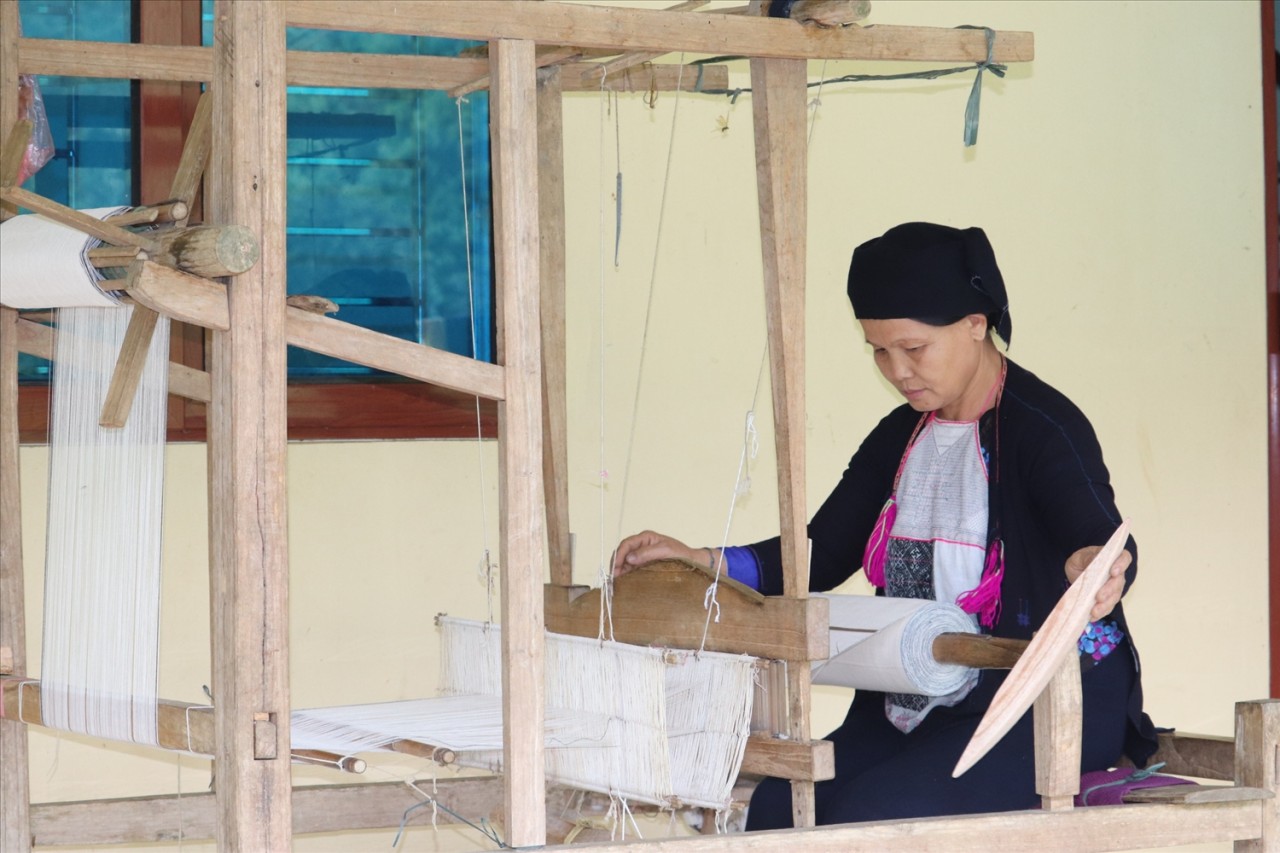 |
| Mrs.Ha's family still keeps the traditional weaving profession |
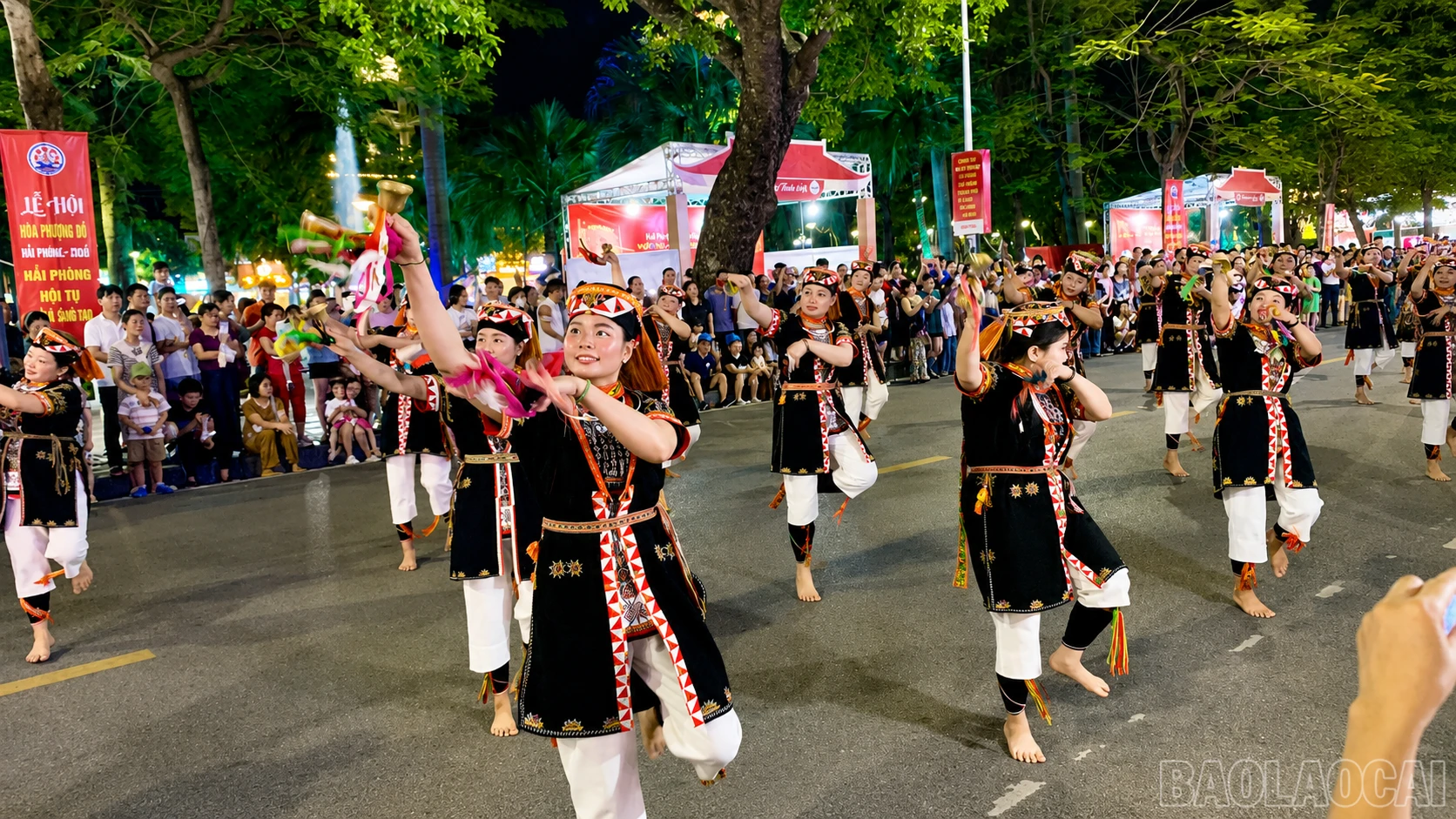
Ms. Le Hai Thanh, Head of the Culture and Information Department of Bao Thang district said that: Implementation of the Project on cultural preservation in the period of 2020-2025, especially, after the weaving profession of the Dao people in Bao Thang district is recognized as National intangible cultural heritage, the district has developed detailed plans for each year for effective implementation. “We promote the role of artisans to teach our children about traditional costumes. Organizing performances and contests to honor traditional costumes from commune to district level. Maintaining the club models that preserve traditional costumes, patterns, and traditional ethnic jewelry in Son Ha and Phu Nhuan communes,.... Bringing the content of wearing traditional costumes into schools helps students to be more proud, understand the typical culture of their ethnic groups ... ", Mrs. Thanh emphasized.
Bao Thang district has 20 ethnic groups, in which Dao people account for 34.7%, the rest are Tay, Mong, Xa Pho, Phu La, Hoa, La Chi, Thai... Ethnic minorities have made many positive changes, cinnamon hills of high economic value have replaced traditional maize and rice plants. The Dao people no longer challenge to marry by silver, cattle, pigs and chickens like before, but still retain their own unique culture.
|
For the Dao people, clothes made from pieces of cloth they weave have an important meaning, used in special rituals of a person's life such as weaving brocade blankets for the ceremony, hats for protecting children from evil spirits, carrying children when working... |