The unique 'Cap Sac' initiation rite of the Dao Tuyen people in Muong Khuong
For the Dao people in general, and the Dao Tuyen subgroup in particular, the Cap Sac (initiation) ceremony is the most important and sacred ritual in their cultural life. This folk belief has been passed down through generations. The ceremony not only holds spiritual significance through offerings and prayers, but also features unique cultural and artistic expressions, including ceremonial music and traditional dances. In Muong Khuong District, these rituals are being preserved and practiced in ways that harmonize with contemporary cultural life.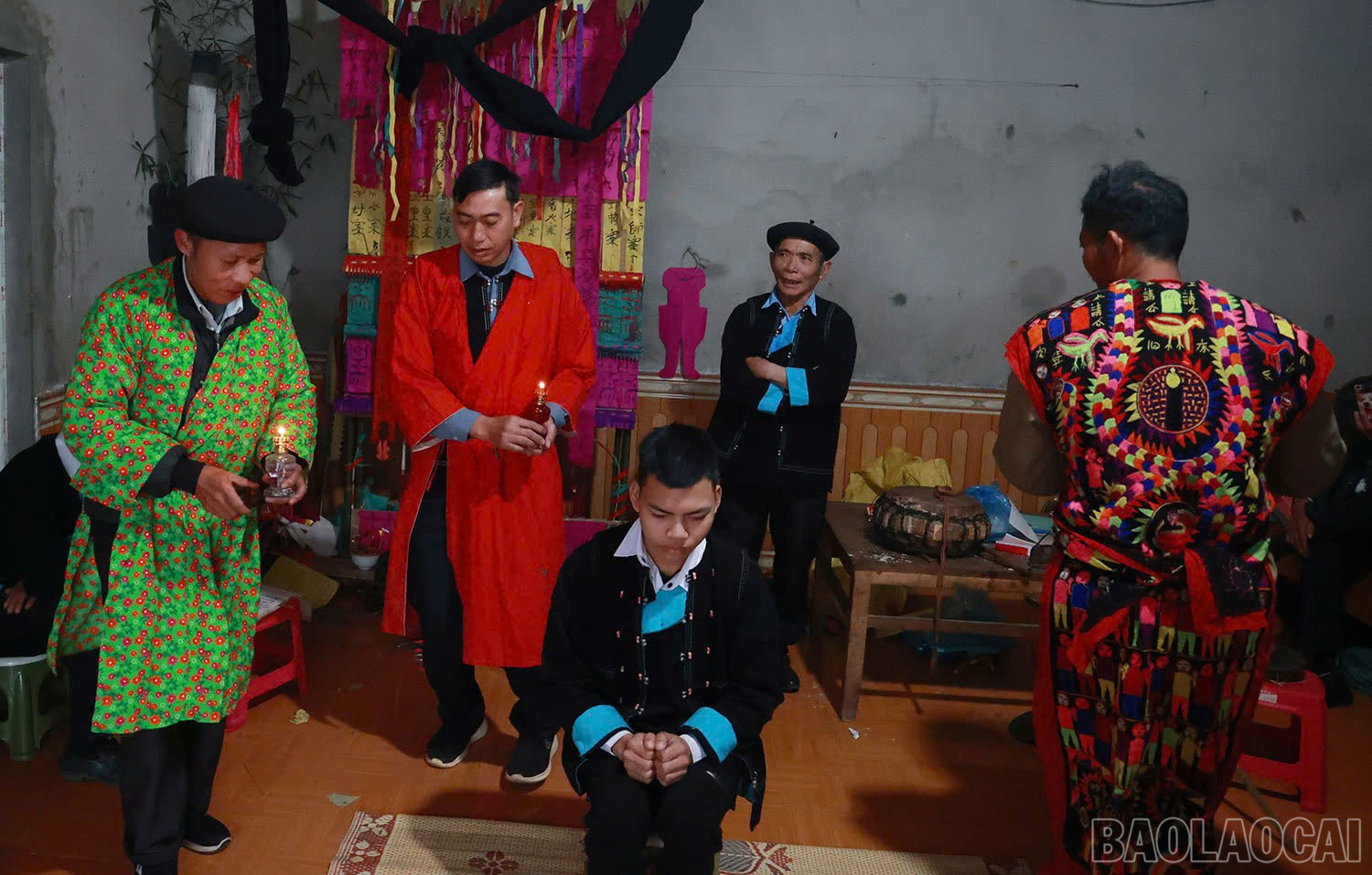
According to custom, Dao men in general and Dao Tuyen men in particular must be educated and trained in many aspects to become the pillars of the family, the clan and the community. Only after receiving the Cap Sac ceremony can Dao men be considered adults. Adults will be allowed to sit with the village elders, participate in worship or assist the shamans in the worship activities of private homes as well as the community. 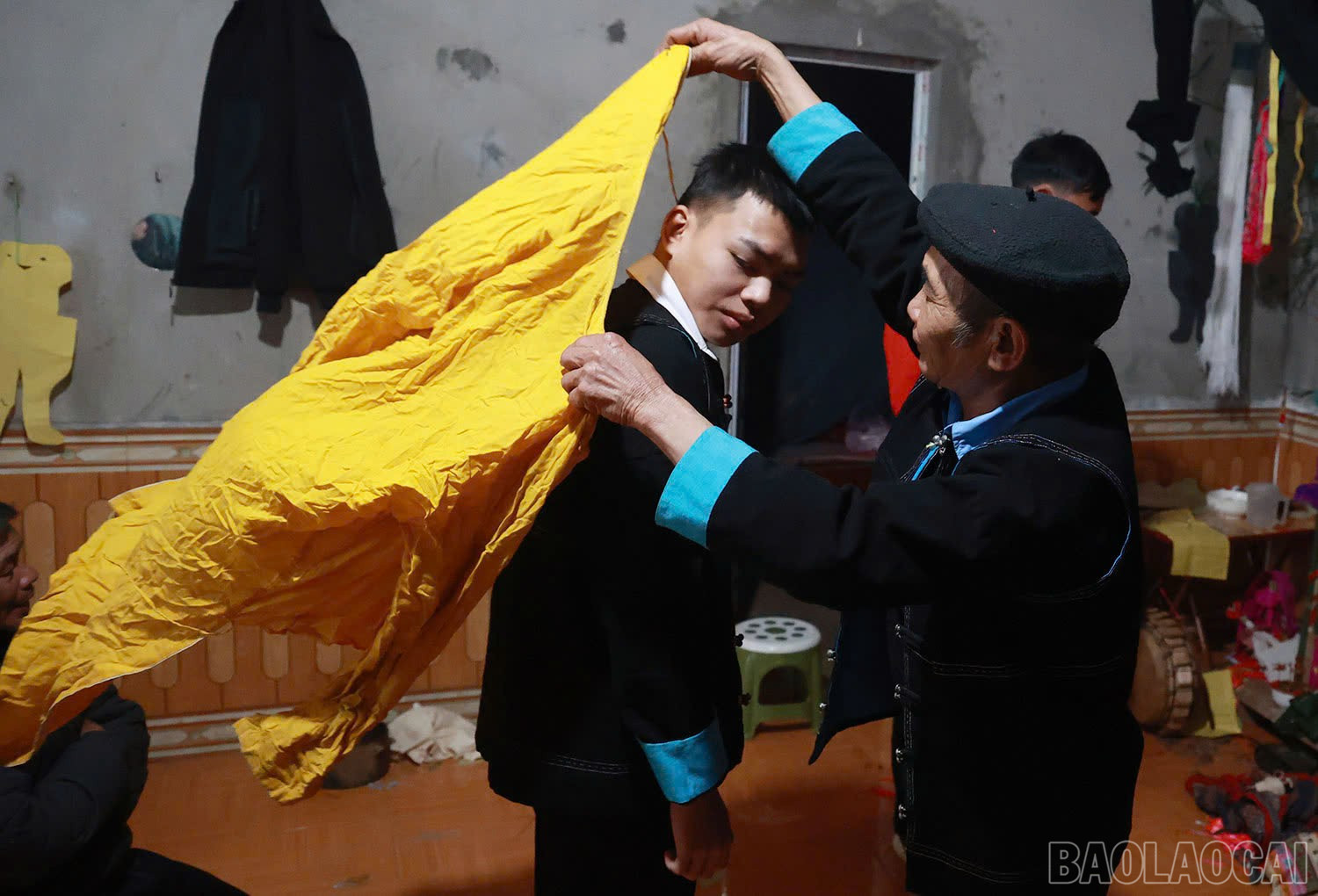
With that significance in mind, all Dao Tuyen boys will eventually undergo the Cap Sac initiation ceremony whether sooner or later, depending on their family's circumstances. The ritual is typically held during the lunar months of November, December, and January, which coincide with the post-harvest period in the highlands. This is a time when families have more free time and resources to prepare for the ceremony. 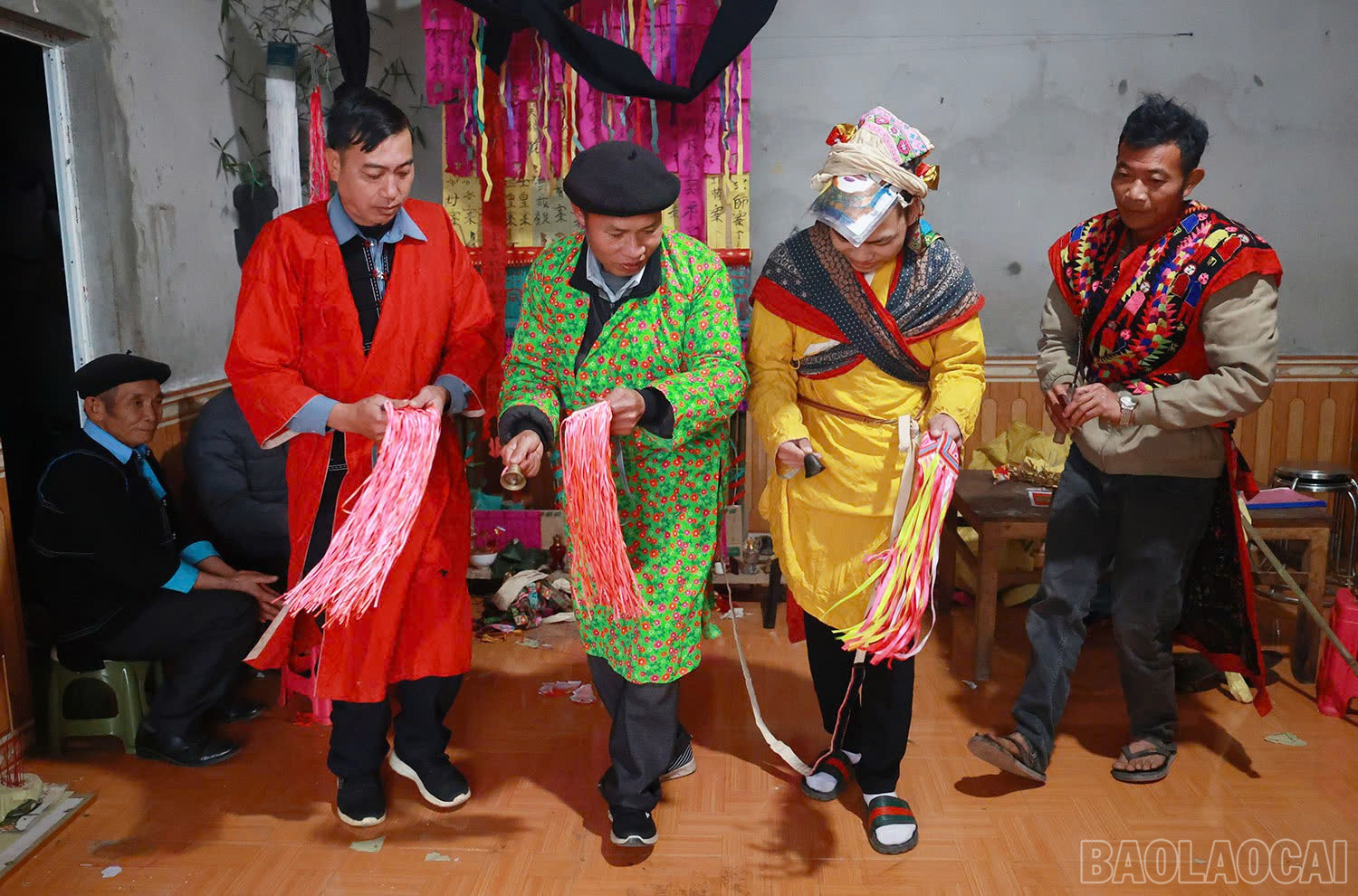
The Cap Sac ceremony is performed in the main room of the house of the person being undergone. The shamans chosen for the ceremony are prestigious people in the community. They are very knowledgeable about the cultural customs of their people.
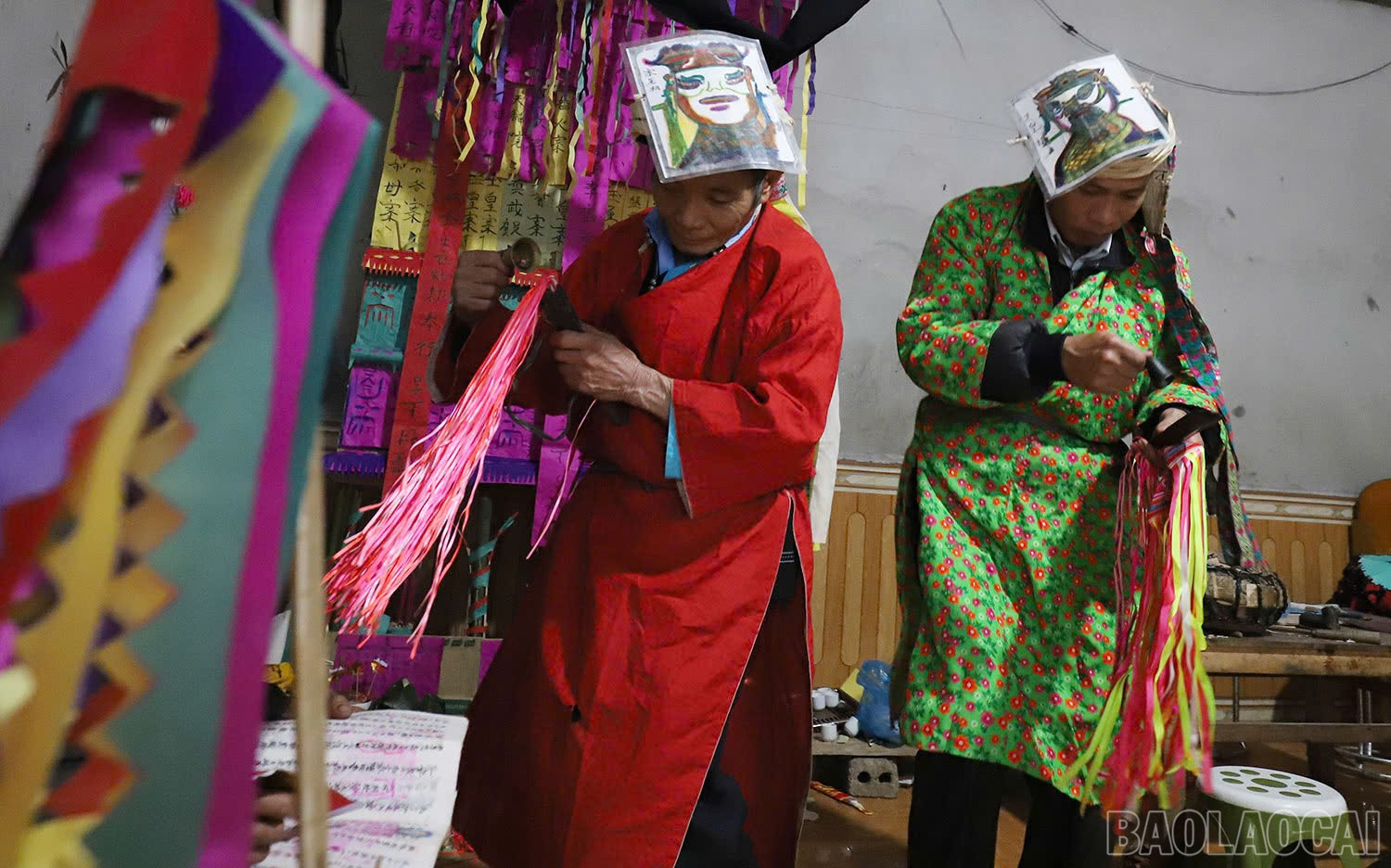
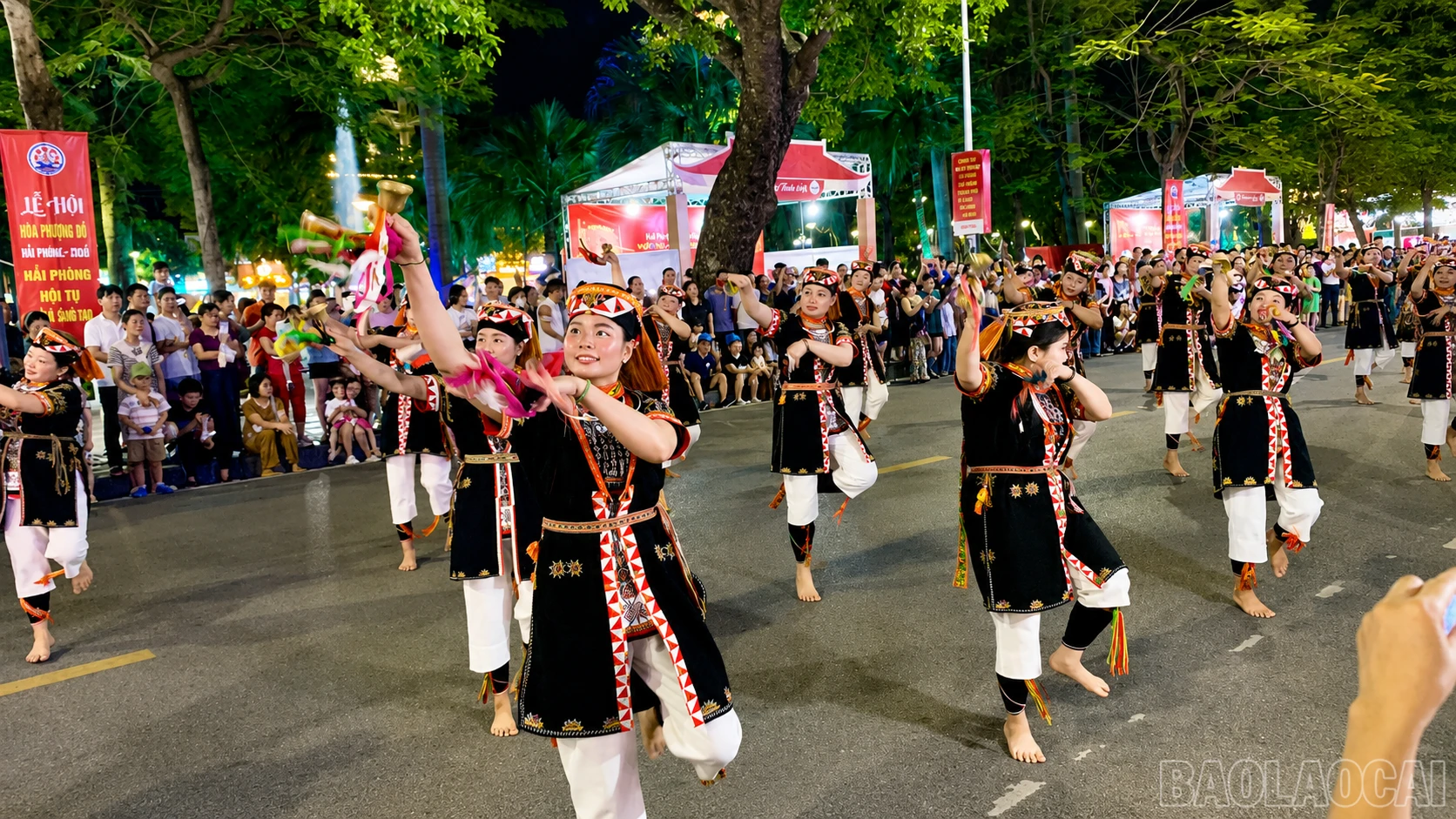
During the Cap Sac ceremony, the shaman uses traditional instruments such as bronze bells and horns, accompanied by various ritual dances, each with its own symbolic meaning. A central figure in the ceremony is Kaddong, who appears in a series of theatrical performances reenacting scenes of daily life such as farming, hunting, gathering, and spiritual offerings. According to oral tradition, Kaddong is an ancient character invited from the forest to take part in the ceremony. He wears tattered clothing, carries a bag and a crossbow, and most notably, dons an ugly, fearsome mask. Legend has it that during the Dao people's early migrations, the community was plagued by wild beasts, evil spirits, and deadly diseases. The terrifying mask was designed to resemble a demon’s face so that malevolent forces would be afraid of approaching. 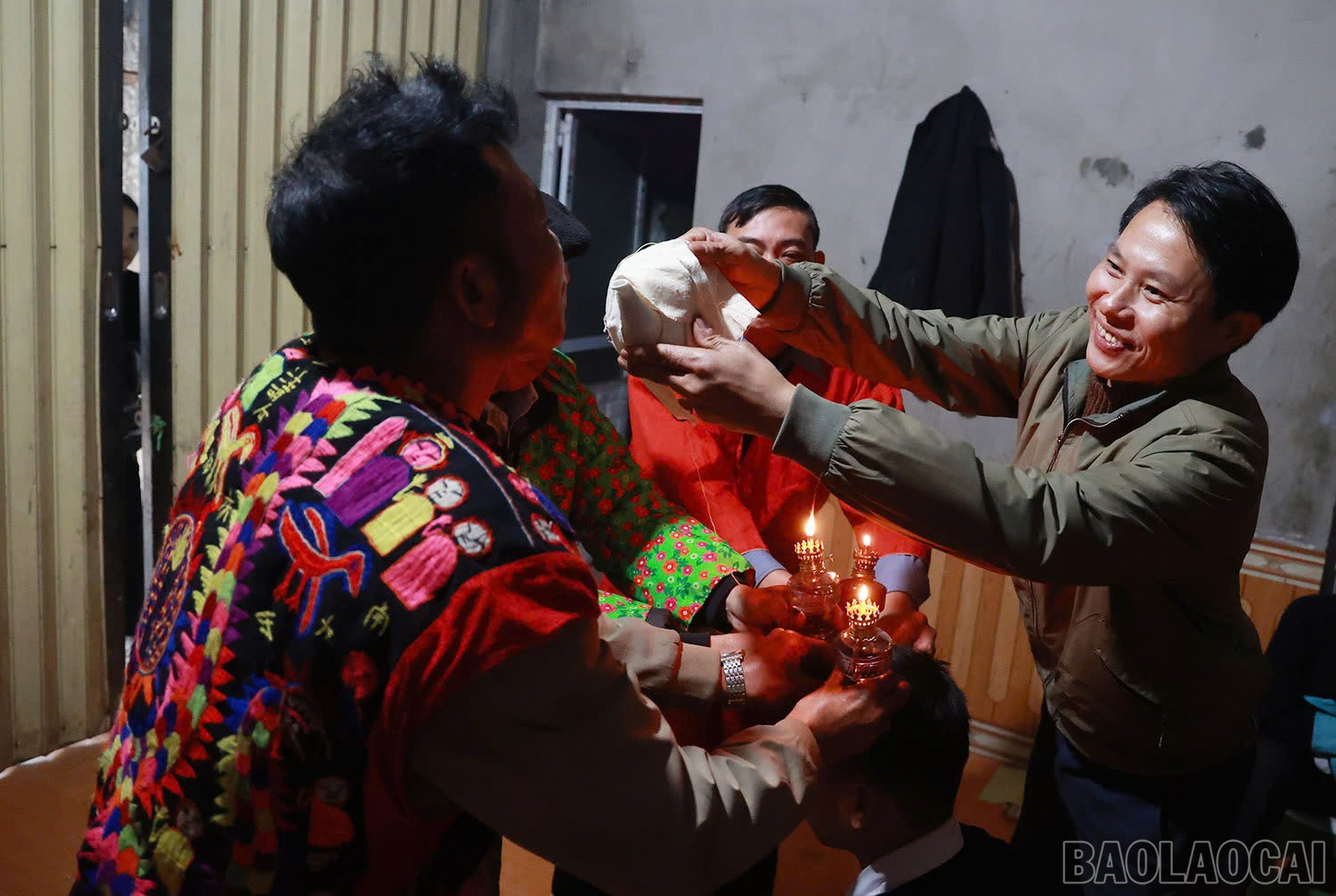
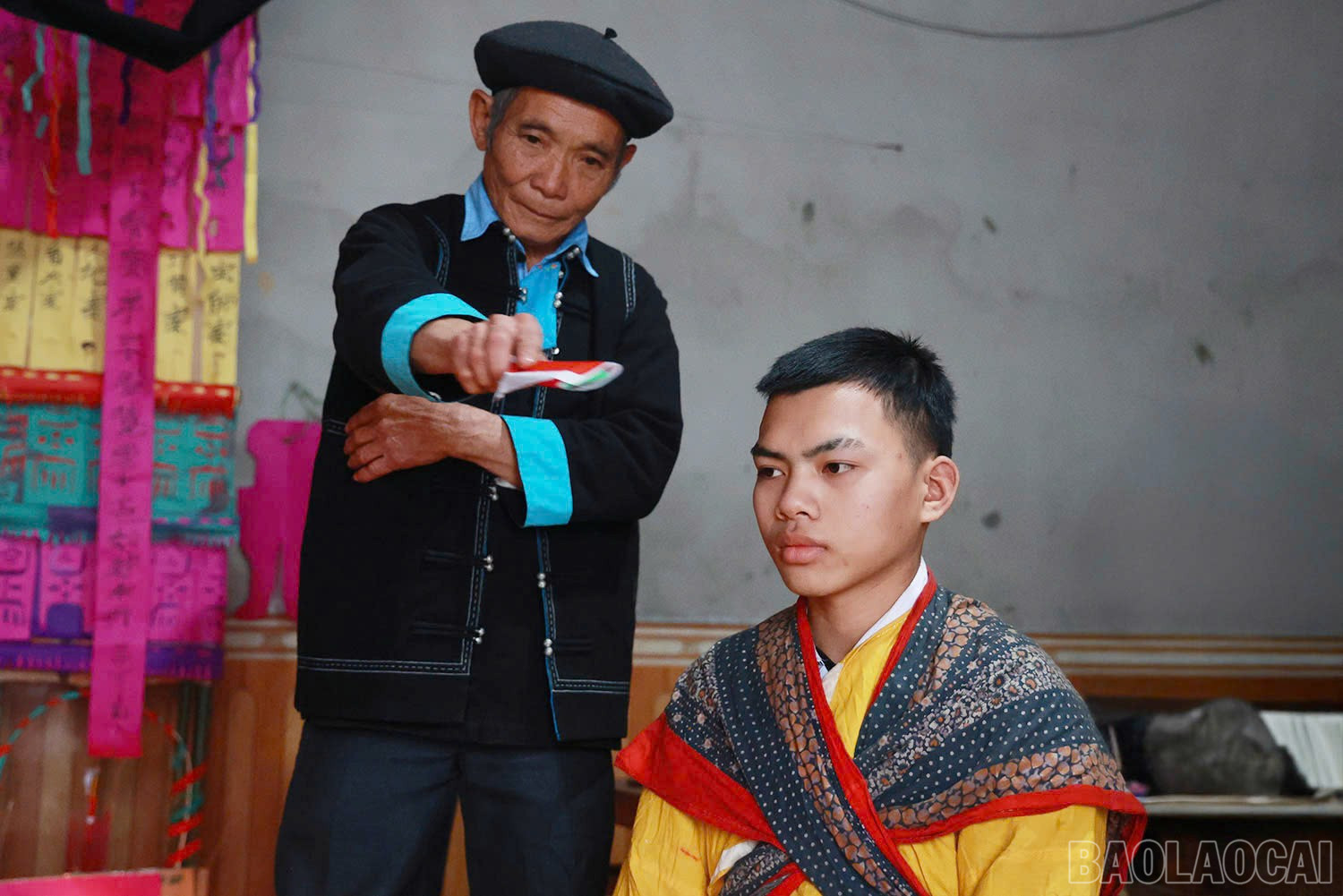
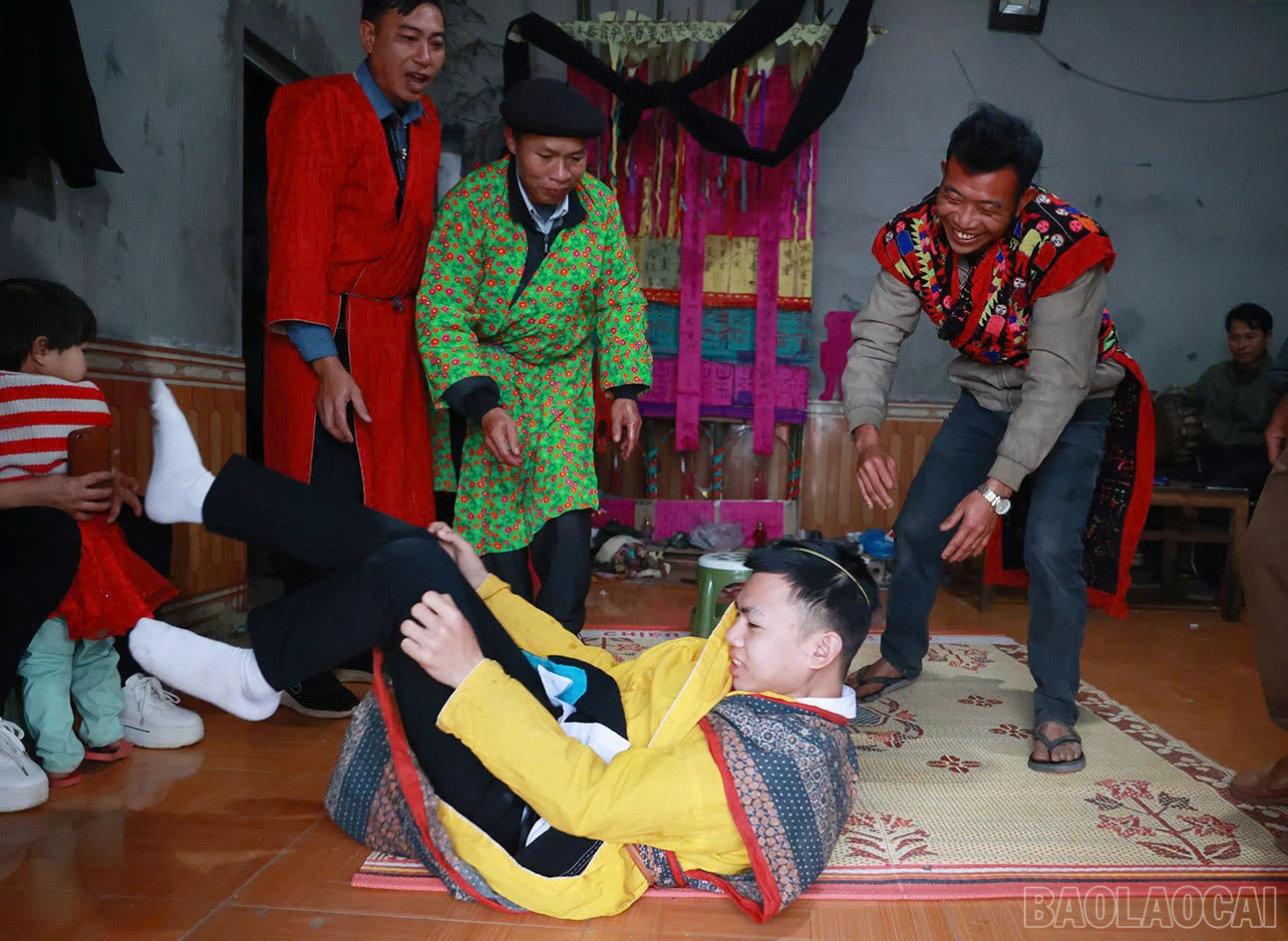
The shamans perform blessings to pray that the initiate will be granted good health, the ability to eat well, speak clearly, and work swiftly like the agile tigers and leopards of the forest.
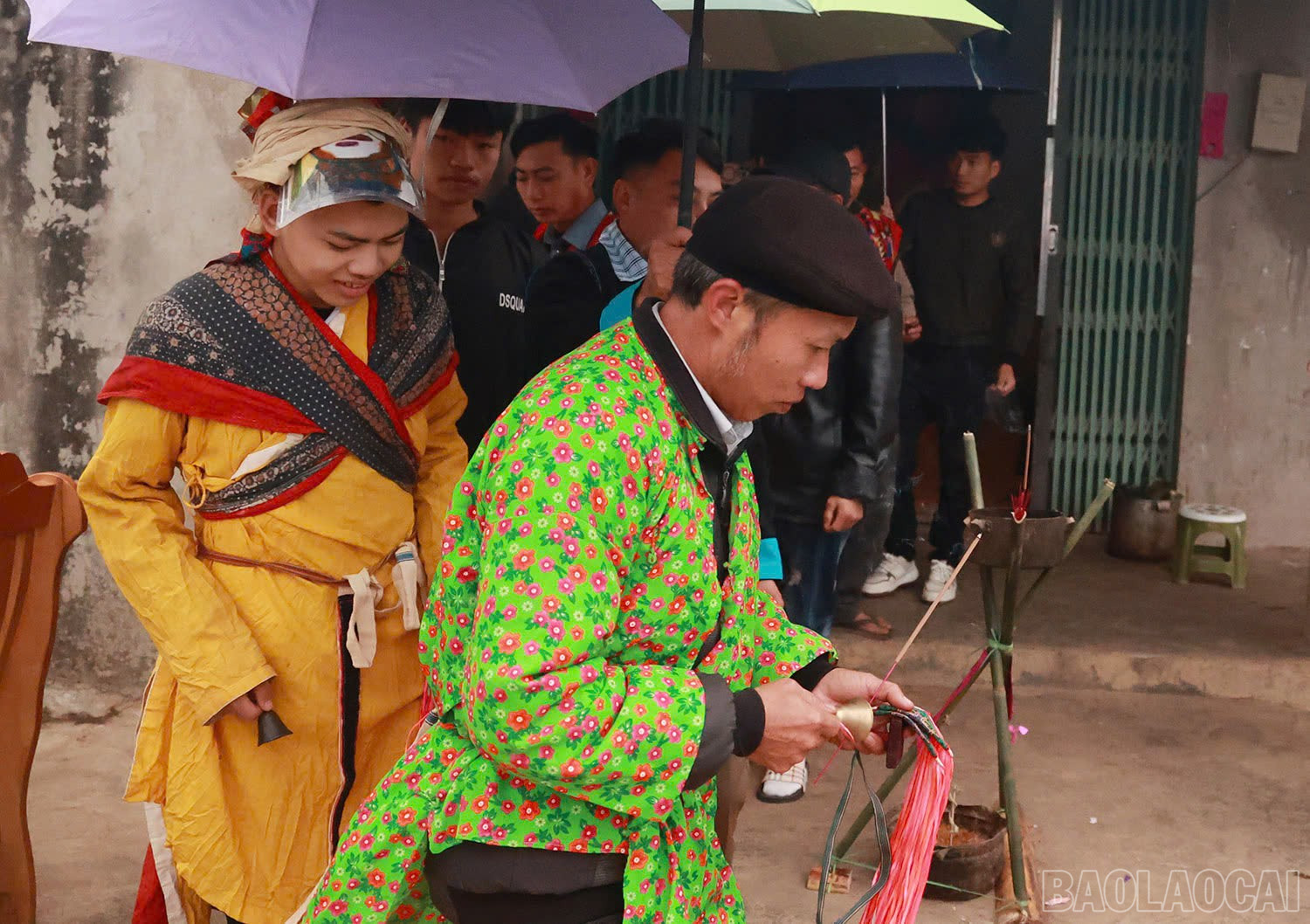
The initiate is accompanied by a procession of shamans, family members, and clan elders as they circle the outdoor altar, offering their devotions so that the deities and ancestors may bear witness to their sincerity and bestow strength upon them. 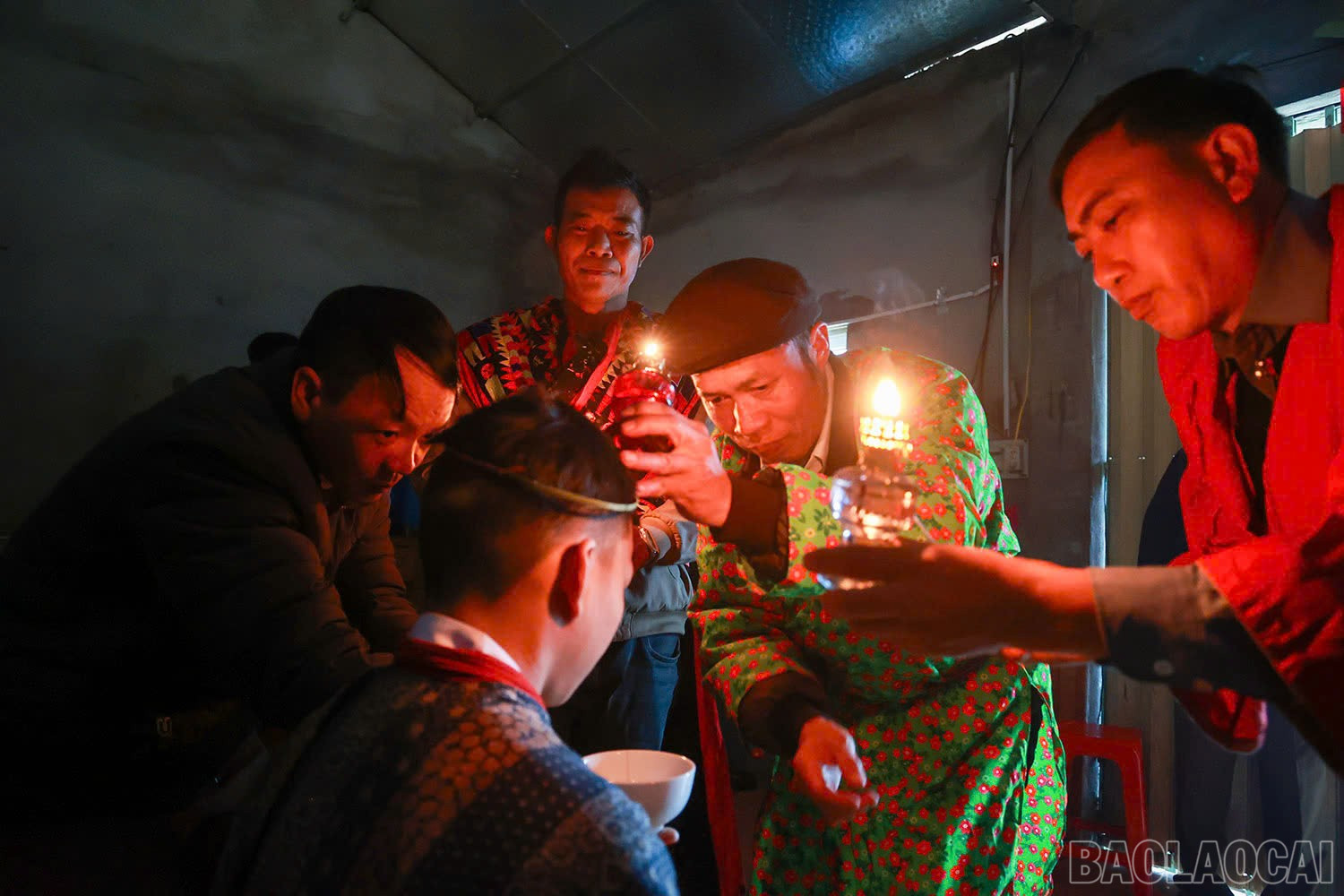
Every ritual within the Cap Sac ceremony is carried out with solemn reverence. Once initiated, a man is expected to become a pillar of support for his family, clan, and community.
https://baolaocai.vn/doc-dao-le-cap-sac-cua-nguoi-dao-tuyen-muong-khuong-post398149.html