Lao Cai develops culture synchronously and harmoniously with economic growth
Recognizing the pivotal role of culture in the province’s development, Lao Cai has consistently implemented the core principles of the Outline of Vietnamese Culture, the ideology of President Ho Chi Minh, and the Party’s guidelines on culture, especially the views of the 13th National Party Congress on building and promoting Vietnamese cultural values and human strength. The province has introduced many innovative approaches and achieved remarkable outcomes in the development of Lào Cai’s culture and people, progressively realizing its aspiration to become a developed province within the country.The 16th Congress of the Lao Cai Provincial Party Committee for the 2020 - 2025 term identified a clear development orientation: “Promoting the values and strength of Lao Cai’s culture and people in building a progressive, integrated province. Developing human resources, especially high-quality ones. Ensuring social progress and equity, sustainable poverty reduction, social welfare, and improving quality of life for the people.” To realize this vision, the Provincial Party Committee launched 18 key projects for 2020 - 2025. The Standing Committee of the Provincial Party Committee issued Resolution No. 09-NQ/TU on August 27, 2021, on building and developing Lao Cai’s culture and people to meet the demands of integration and sustainable development, along with several other resolutions on cultural and sports development. These documents form an essential legal framework to support the province’s integration and development.

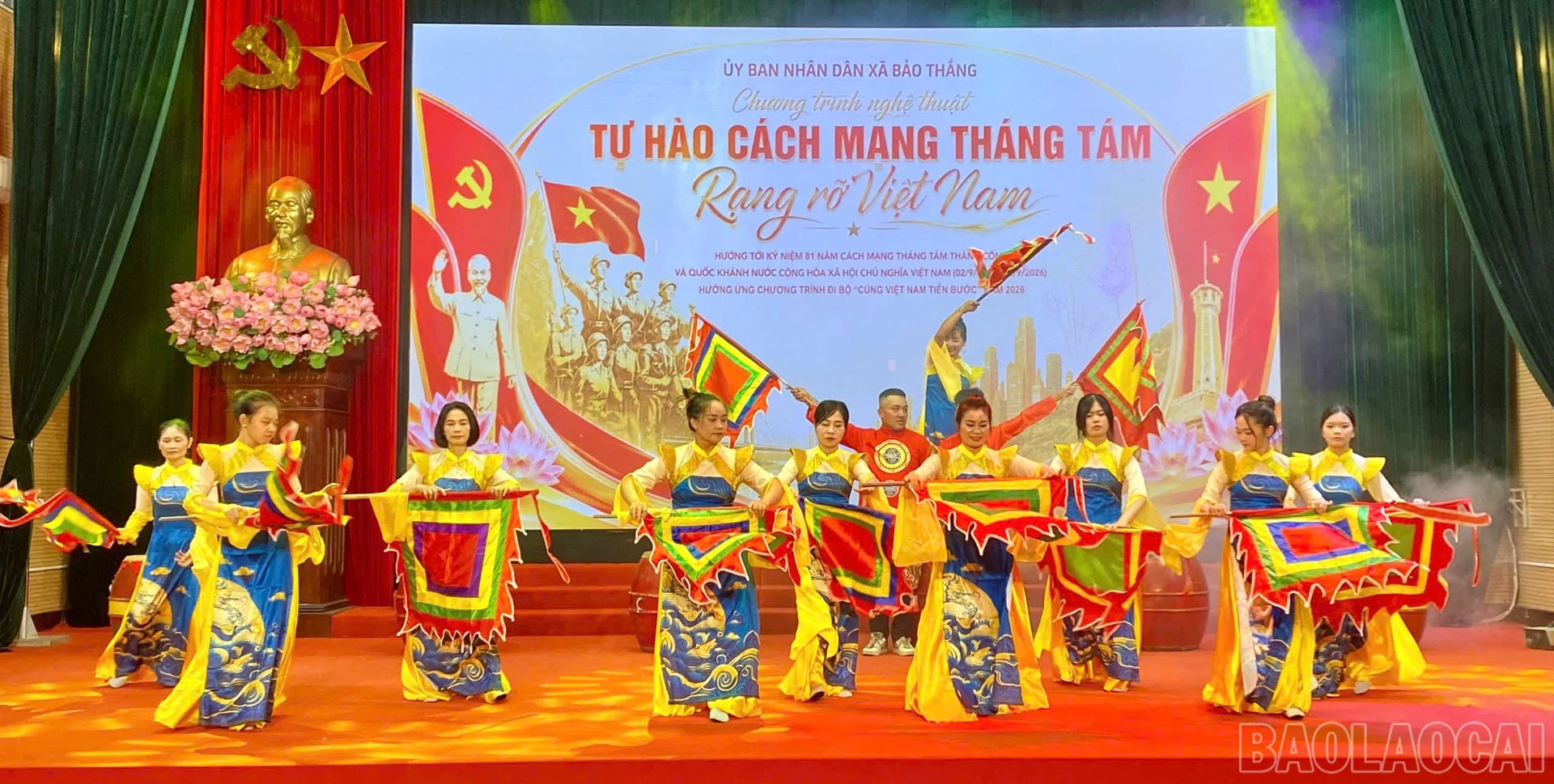
Vietnamese Cultural Space at Thuong Temple Festival 2025.
Defining cultural environment development as the foundation for shaping a new generation of Lao Cai people, in recent years, building a healthy cultural environment has been a regular focus of local Party committees and local government. The role of culture has increasingly proven vital in human development and exerts a strong influence on social life. Cultural development is now more integrated into policy making, resource allocation, and is increasingly connected with socio-economic development tasks, national defense, security, diplomacy, and political system building. Cultural development has been effectively incorporated into sectoral and regional planning and development, creating equitable conditions for people to enjoy the fruits of national progress. Cultural services in Lao Cai are also expanding, contributing to improved spiritual and cultural life for residents.
Currently, the province has 01 cinema, managed by the Lao Cai Provincial Center for Culture and Cinema, with 324 seats and a modern surround sound system, operational since 2016. There are also 150 karaoke service businesses, 03 nightclubs, and various event-organizing venues. These services are regulated in accordance with the law.
The province encourages the establishment of private enterprises in film, performing arts, and event organization. The cultural market has begun to take shape, with several companies now serving the cultural enjoyment needs of the public such as HT Media Creative Development Organization Company Limited, Bolero Coffee Lounge, and Beta Cinemas at GO Shopping Mall and more, which contribute to the employment for hundreds and meeting the artistic and cultural needs of Lao Cai’s people.
In the field of cultural tourism, Lao Cai considers the development of cultural tourism into a local cultural industry as both suitable to the province’s potential and a driver for the development of other cultural industries. Cultural heritage not only adds uniqueness and appeal to tourism products but also serves as a resource and soft power for sustainable development and for promoting national and local branding. Many relics and scenic sites have become valuable, distinctive tourism products that contribute to local socio-economic development. By 2024, the province had 2 intangible cultural heritages inscribed by UNESCO; 41 national intangible cultural heritages; 2 national treasures; 22 national-level scenic and historical sites; and 34 provincial-level relics. Numerous relics, sites, and folk festivals have been successfully leveraged as spiritual tourism attractions, enhancing the province’s reputation as a unique and appealing destination for tourists.
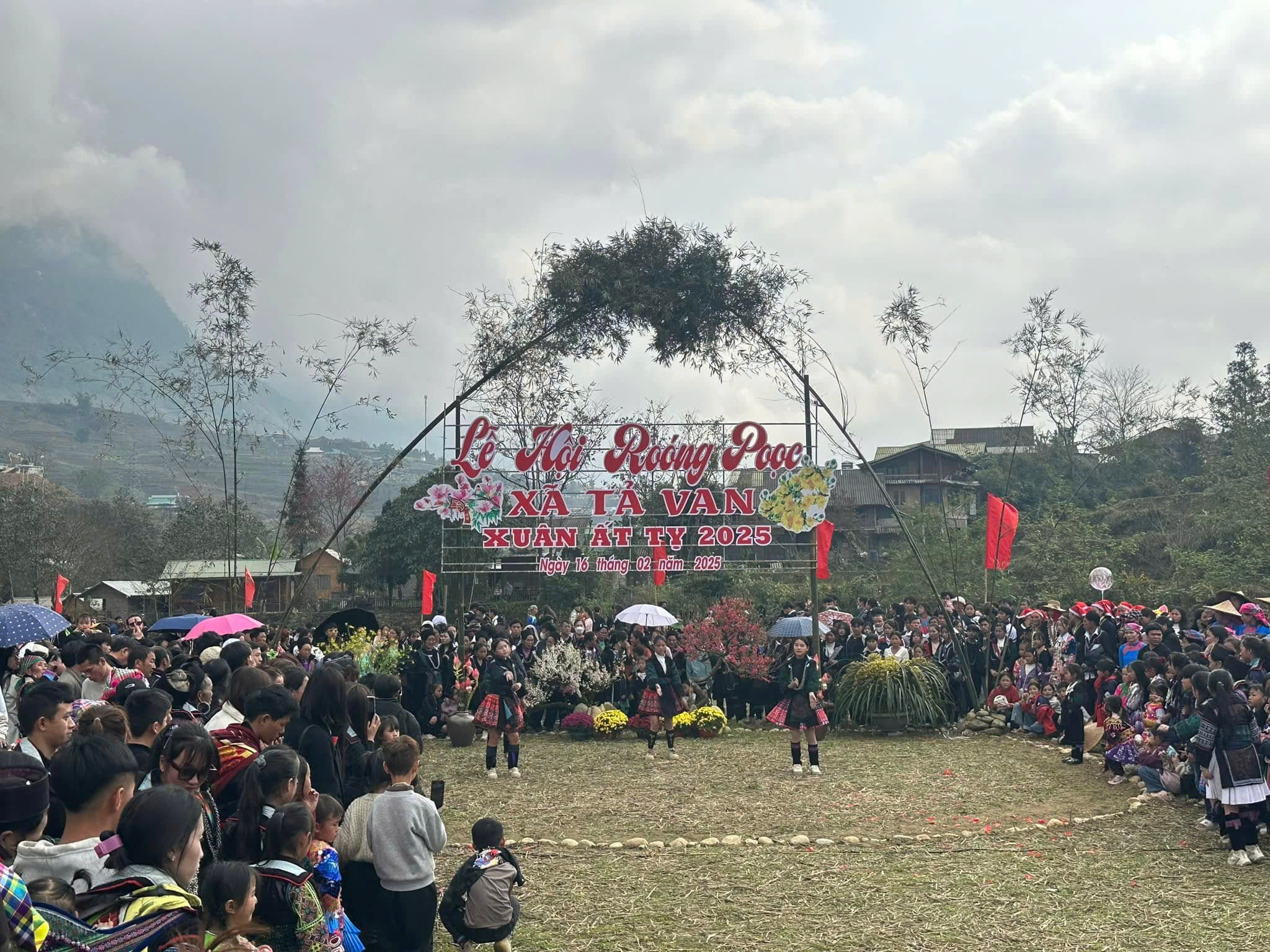
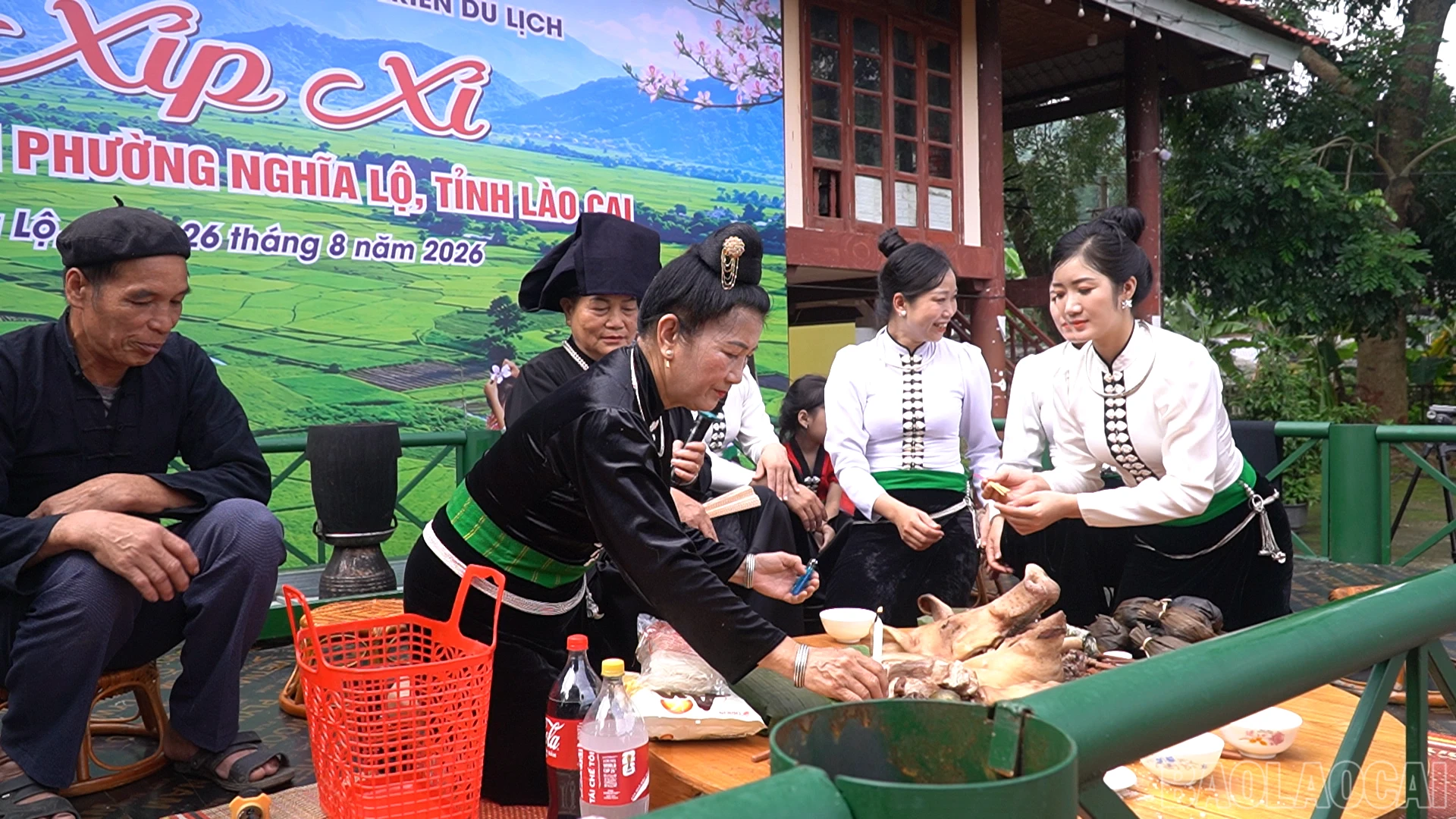
Festivals are restored and preserved.
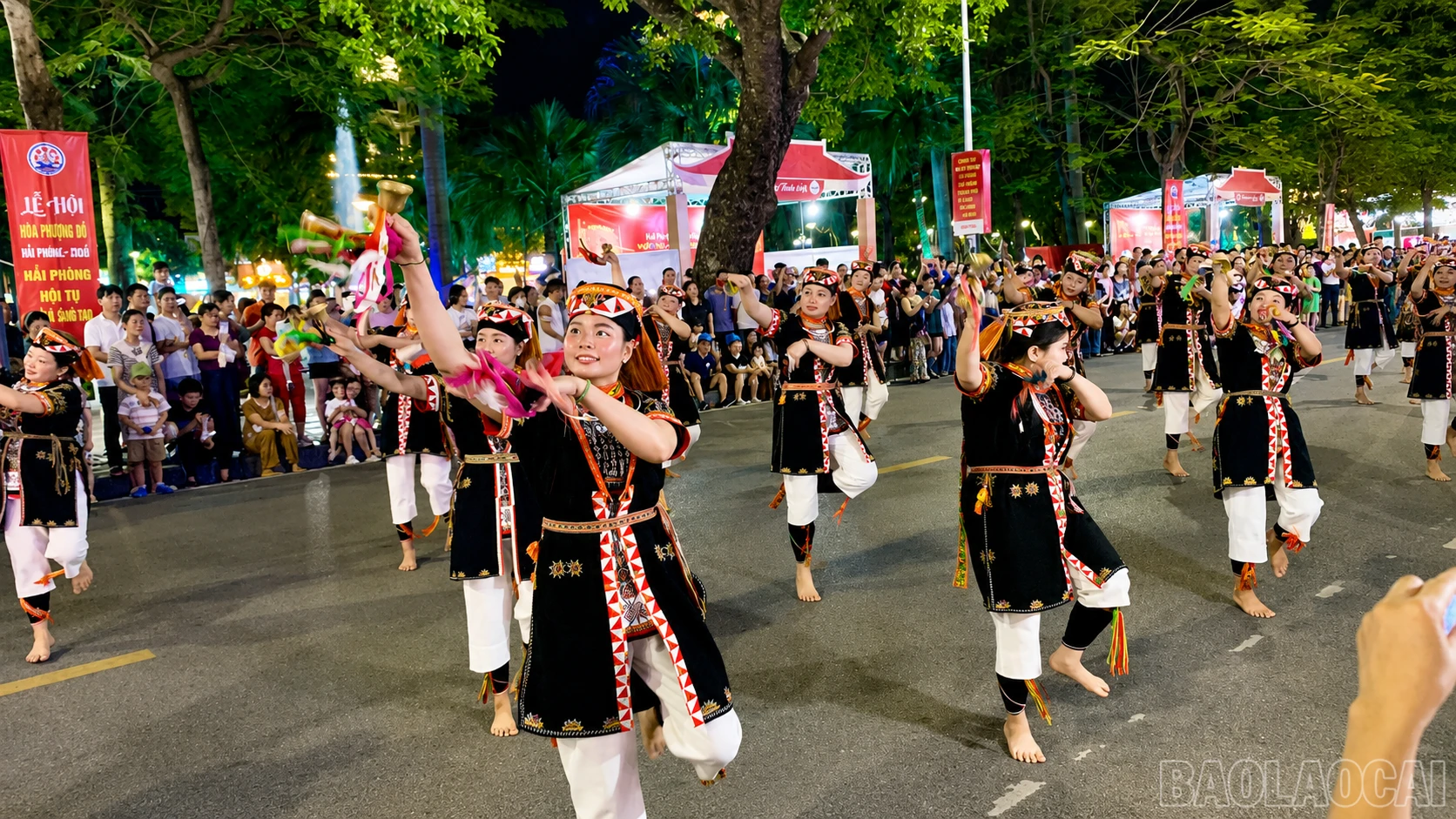
New types of local tourism products built on cultural assets are increasingly attractive and authentic, based on preserving traditional culture. Efforts to restore and preserve the original forms of representative community festivals have been prioritized, serving both cultural needs of locals and the experience of visitors. To present, nearly 20 distinctive festivals from 13 ethnic groups, namely the H’Mong, Dao, Tay, Nung, Giay, La Chi, and Ha Nhi have been restored and preserved. Many of these have been recognized by the Ministry of Culture, Sports and Tourism as national intangible cultural heritage. Several large-scale regional and national festivals, such as the Gau Tao Festival of the H’Mong in Muong Khuong, the Thuong Temple Festival, the Bao Hà Temple Festival, and the Co Tan An Temple Festival, all attract tens of thousands of visitors annually.
In the upcoming period, as Vietnam enters a new era of national development, the lesson of harmonizing cultural development with economic growth must continue to be applied and promoted. Lao Cai aims not only to become a major cultural center in the Northwest region but also a prosperous locality where people of all ethnic groups enjoy a warm, fulfilling, and happy life./.