Lao Cai: Remarkable results in illiteracy eradication
With consistent policies and strong determination, Lao Cai province has achieved encouraging results in literacy eradication efforts in recent years, contributing to raising public intellectual standards and building a solid, comprehensive learning society.In recent years, Lao Cai province has focused on implementing literacy eradication (LE) work with many noteworthy efforts. From 2021 to 2024, the province opened 224 LE classes, attracting a total of 4,495 learners. Among them, the percentage of people achieving Level 1 literacy standards increased to 98.4%, and Level 2 reached 95.42%. All 151 communes/wards/towns and 9 districts/towns/cities in Lao Cai have met Level 2 LE standards. These figures reflect the province’s seriousness and determination to improve basic education quality, especially in ethnic minority areas.
Alongside these achievements, LE efforts have brought positive impacts to community life. Literate people can more easily access information and social services and effectively apply scientific and technical advancements in production, thereby improving their quality of life. In particular, LE classes have created opportunities for women and girls - groups most vulnerable to being left behind - to learn and grow.

Literacy eradication classes create opportunities for women and girls, especially those in ethnic minority areas, to learn and develop (Illustration photo).
To achieve these results, Lao Cai province has actively renewed and applied many creative solutions. LE programs were flexibly organized in formats such as work-study, evening classes, or seasonal schedules, making it easier for learners to participate. Cooperation between local authorities and social organizations such as the Women’s Union, Youth Union, Farmers’ Association, and Border Guards has created an effective support network to encourage people to take part in learning.
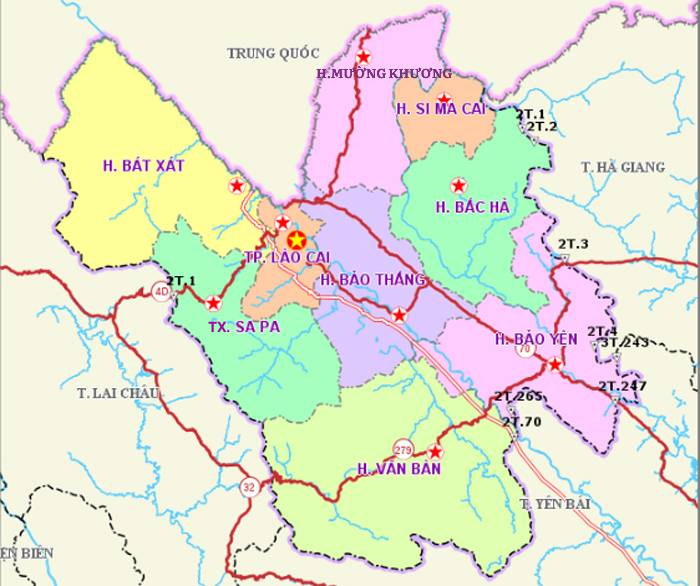
However, the literacy eradication journey still faces many challenges. Rugged terrain and harsh climate have affected class attendance rates, especially in highland districts such as Muong Khuong, Si Ma Cai, and Bat Xat, etc. In addition, the sustainability of LE remains limited, as many learners completing phase 1 are at risk of relapsing into illiteracy due to a lack of opportunities to continue studying and using the national language in daily life.
To maintain sustainable LE results, in 2025 Lao Cai province aims to open 51 additional LE classes with 986 learners. Measures to be implemented include teacher training, innovative teaching methods, applying information technology, and designing learning programs tailored to specific target groups. Moreover, engaging village heads, respected elders, and clan leaders to mobilize people to attend classes is also a notable solution.
The achievements in literacy eradication not only mark an important step in improving people’s knowledge but also lay a solid foundation for the province’s socio-economic development. With unity and determination across the political system, Lao Cai is steadily moving closer to the goal of building a comprehensive learning society, where no one is left behind.