Lao Cai has 56 national intangible cultural heritages

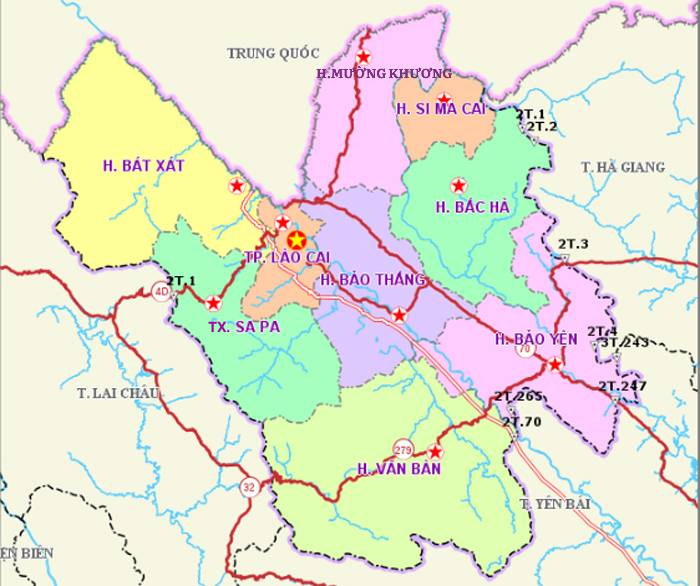
After consolidating administrative boundaries, Lao Cai has become one of the localities with the richest cultural heritage treasure in the Northwest region, with 56 national intangible cultural heritages.


Along with that, Lao Cai also has 4 heritages registered by UNESCO, 1 special national monument, 34 national-level monuments, and 172 provincial-level monuments.

These cultural values not only reflect the historical depth and unique identity of the ethnic minority communities living in the area but are also an important foundation for the province's sustainable development strategy, especially in the fields of tourism, education, and new rural construction.

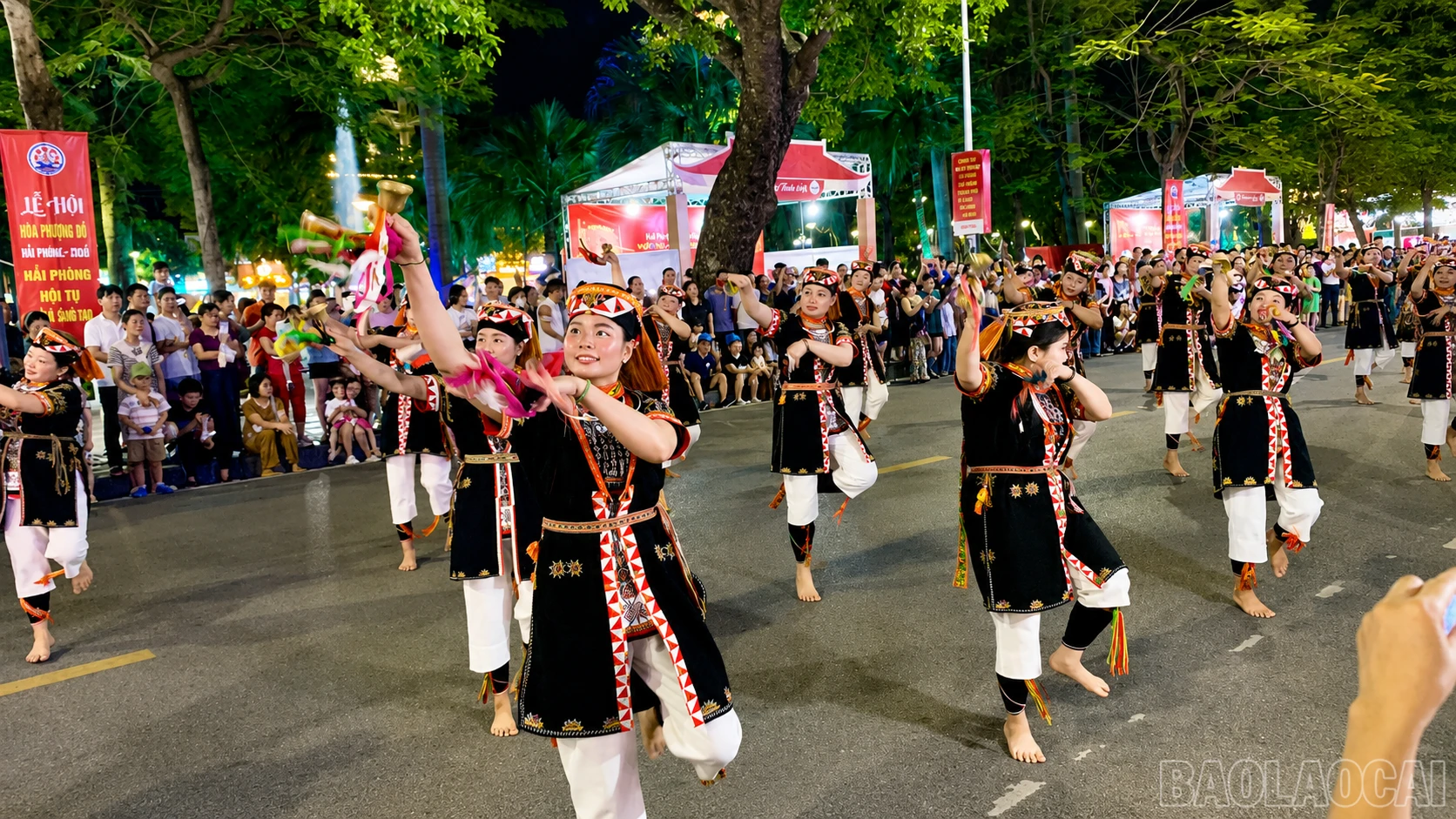
In recent times, the work of preservation and promotion of cultural heritage has been implemented synchronously by the province through many forms such as organizing traditional festivals, integrating into community tourism products, and promoting teaching within the community.
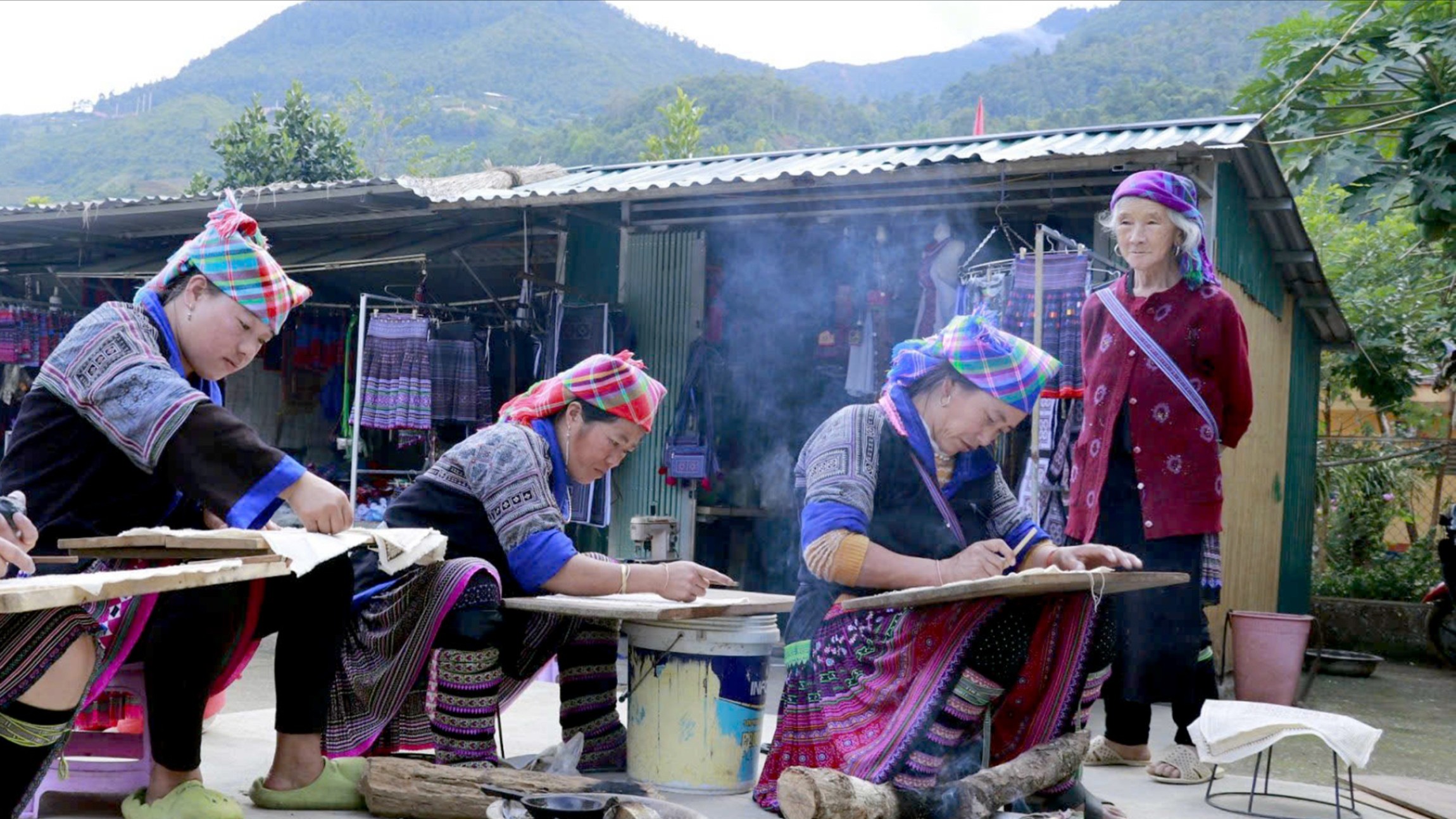
nghe-tua-9598.jpg

The art of using beeswax to create patterns on fabric of the Mong people in Lao Cai is a national intangible cultural heritage in the form of folk knowledge.
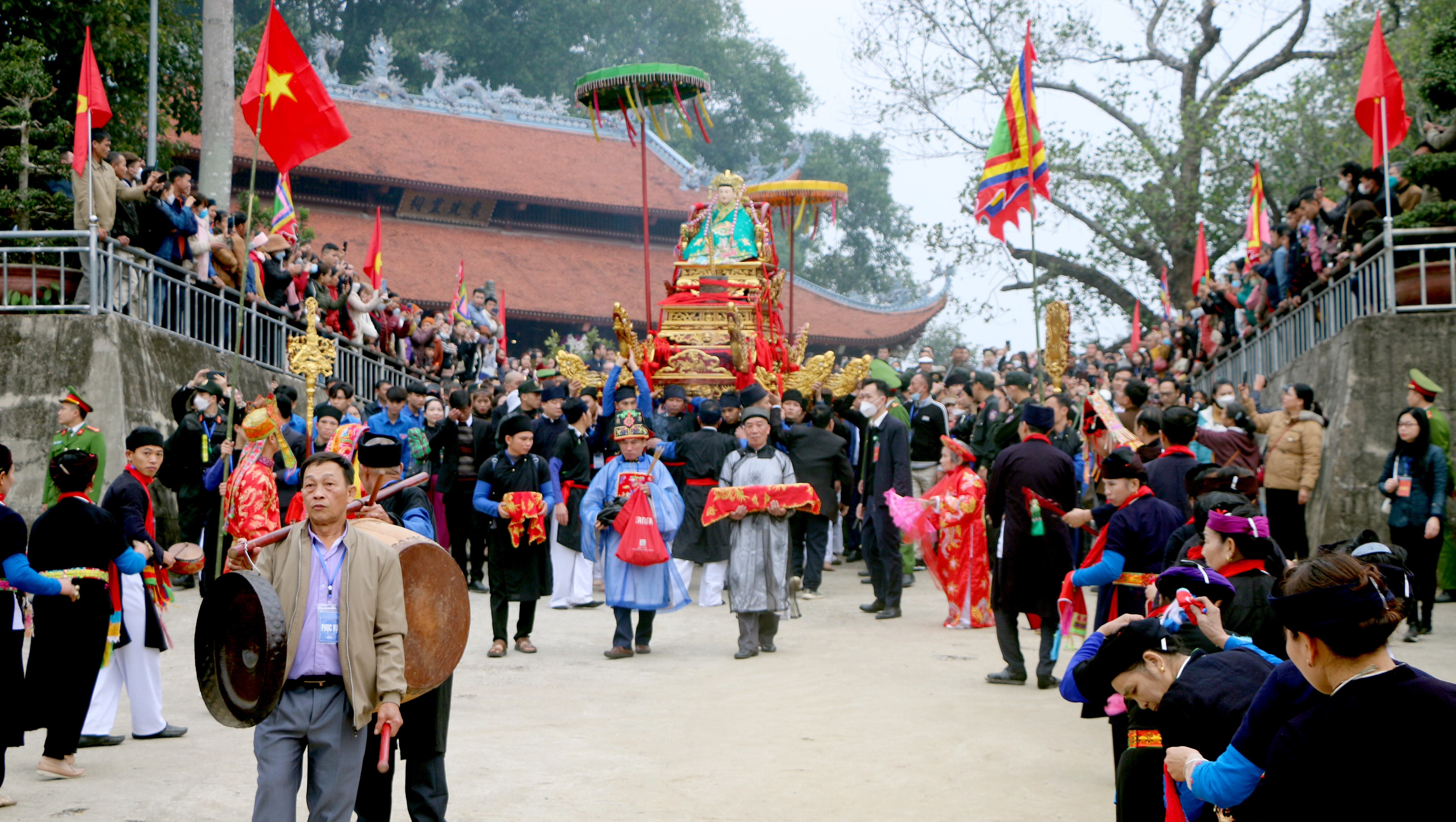
img-6069.jpg

Dong Cuong Temple Festival - National Intangible Cultural Heritage is annually organized, both preserving original values and creating tourism attraction.

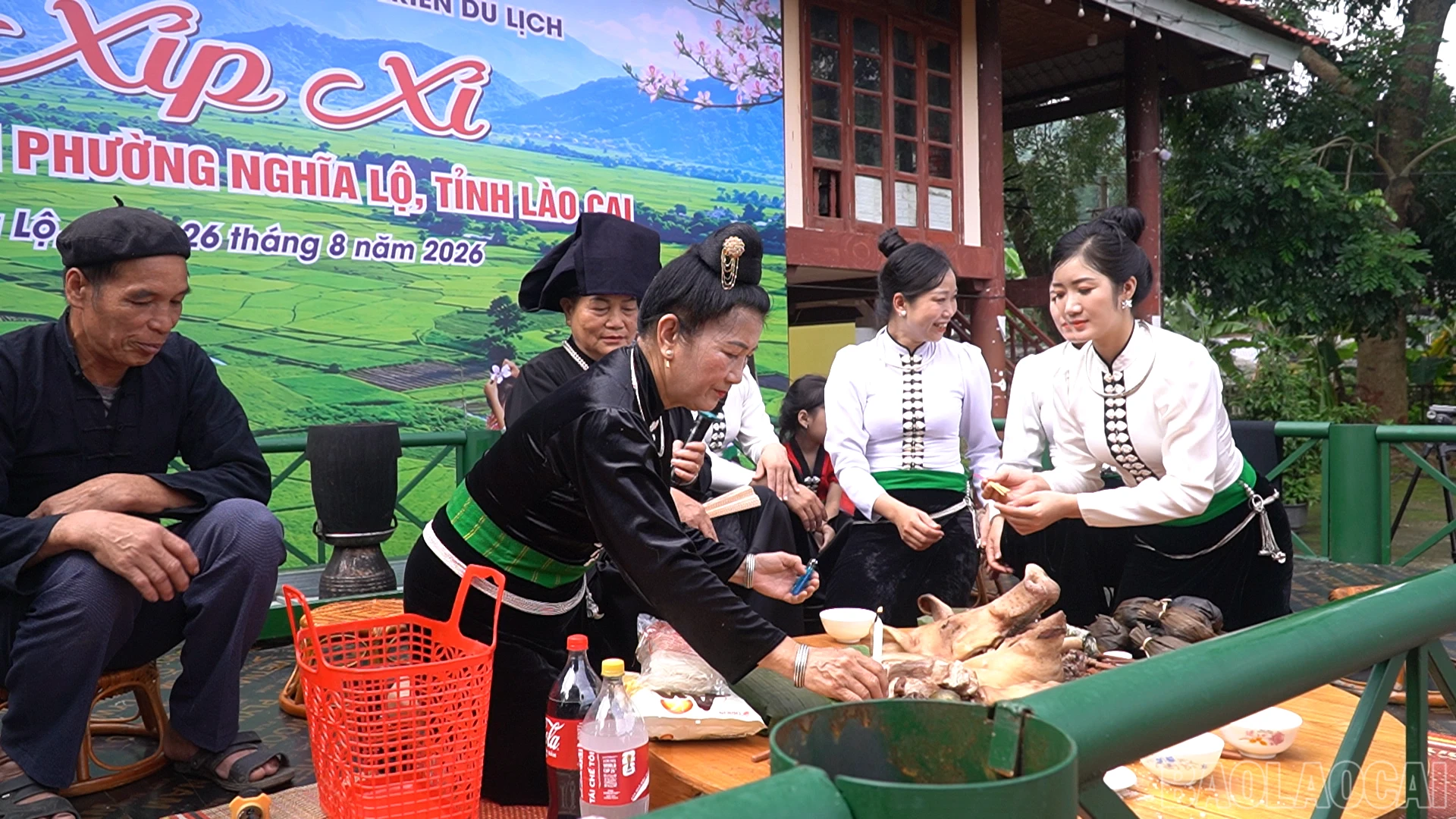
Many unique festivals such as Gau Tao of the Mong people, Xuong Dong Festival of the Tay people, Dong Cuong Temple Festival, or Bac Ha traditional horse racing, etc. are maintained to annually organize. This both preserves original values and creates tourism attraction, contributing to increasing income for people.

In the development orientation for the coming time, Lao Cai identifies culture as one of the important growth pillars. The province continues to invest in the collection, preservation, and promotion of heritage values, aiming to build an image of a dynamic Lao Cai with rich highland identity, becoming an attractive destination on the international tourism map.

https://baolaocai.vn/lao-cai-co-56-di-san-van-hoa-phi-vat-the-quoc-gia-post883720.html
Source: Thanh Chi (Lao Cai Electronic Newspaper), Sunday, 05/10/2025 - 12:25 (GMT+7)

Related Posts

Red River Festival 2025: Lao Cai honors cultural identity of ethnic groups

On the evening of November 20, 2025, at Dinh Le Square (Lao Cai ward), the Opening Ceremony of the Ethnic Cultural Space displaying culture - tourism, performing folk cultural activities rituals and arts of Lao Cai ethnic groups took place in an exciting atmosphere, attracting a large number of people and tourists. This is one of the prominent activities within the framework of the Red River...

"Keeping the soul" of Mong ethnic costumes

Modern life creeps into every highland village, meaning that many beautiful traditional cultural features of ethnic groups face the risk of being lost, including traditional costumes of the Mong people. However, there are still many Mong ethnic women who daily preserve the identity of their ethnic group through each needle line and thread stitch.

Preserving the cultural identity of the Red Dao people in Tan Linh

Tan Linh commune, Lao Cai province is the residence of ethnic communities including Tay, Dao, H'Mong, etc. The Red Dao people bring separate cultural colors shown through costumes, cuisine, and traditional festivals, contributing to creating a rich land in potential for culture, tourism, and economy.

Preserving ancient features in Red Dao costumes

In the modern rhythm of life, the Red Dao people in Dong Cuong still persistently preserve and promote traditional cultural values, especially in ethnic costumes – the "living treasures", crystallizing knowledge, aesthetics, and national pride.

Returning to Muong Lai to enjoy Khap Coi tunes

Established in 2020, the Tay Folk Song Club of Muong Lai commune (Lao Cai province) has become a place to preserve and teach unique and special folk songs of the Tay people, including the Khap coi tune.

When heritage enters schools

In highland schools in Lao Cai, Khen, Xoe, and Tinh lute, etc. are no longer strange echoes of festivals but have entered the rhythm of life in schools - resonating during flag salute hours, creeping into playgrounds, and spreading in libraries. The heritage becomes a daily breath; it is worn, played, embroidered, and told so that each class not only teaches letters but also keeps the rural soul.