Lao Cai: Strengthening the protection and dissemination of intangible cultural heritage recognized by UNESCO
Lao Cai currently has 03 intangible cultural heritages recognized by UNESCO. In the effort of implementing the cultural diplomacy strategy, Lao Cai province has been strengthening measures to effectively protect and disseminate cultural heritages recognized by UNESCO.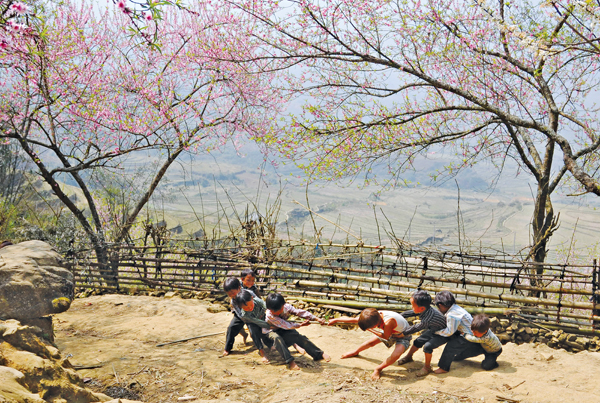
Tug of War rituals and games of Lao Cai province are intangible cultural heritage recognized by UNESCO. (Photo by: Ngoc Bang)
Three heritages recognized by UNESCO include: Tug of War rituals and games in provinces/cities (Lao Cai) - 2015; practice of the Mother Goddess worship of Vietnamese people in provinces/cities (Lao Cai) - 2016; practice of Then of Tay, Nung, Thai people in Vietnam in provinces (Lao Cai) - 2019.
The protection and promotion of intangible cultural heritage recognized by UNESCO as Representative Intangible Cultural Heritage of Humanity is one of the key contents in the Plan to implement Decision No. 2013/QD-TTg dated November 30, 2021, by the Prime Minister approving the Cultural Diplomacy Strategy to 2030 in Lao Cai province.
This mission is further specified and integrated into Project No. 03-DA/TU on the development of culture and tourism in Lao Cai province for the 2020 – 2025 period; Resolution No. 09-NQ/TU of the Provincial Party Committee on "Building and developing the culture and people of Lao Cai to meet the requirements of integration and sustainable development", and annual implementation plans for the National Target Program on socio-economic development in mountainous and ethnic minority areas by the Provincial People’s Committee. Notably, the Provincial People’s Committee issued Plan No. 421/KH-UBND to implement key missions related to the preservation and promotion of intangible cultural heritage recognized by UNESCO as Representative Intangible Cultural Heritage of Humanity. Plan No. 259/KH-UBND dated May 16, 2024, was issued to implement Decree no. 39/2024/ND-CP by the Government on measures to manage, protect, and promote the value of intangible cultural heritage, UNESCO heritage, and the National Intangible Cultural Heritage list in Lao Cai province.
The Lao Cai cultural sector has proactively implemented the identification of heritage, tasks, and measures to protect and promote cultural heritage. Especially, efforts have been made to coordinate with the education sector in heritage education through various forms: local history education, and organizing experiential activities at the Lào Cai Provincial Museum. Particular attention is paid to introducing and providing hands-on experience of intangible cultural heritage recognized by UNESCO in the province to promote and spread the value and role of heritage within the community.
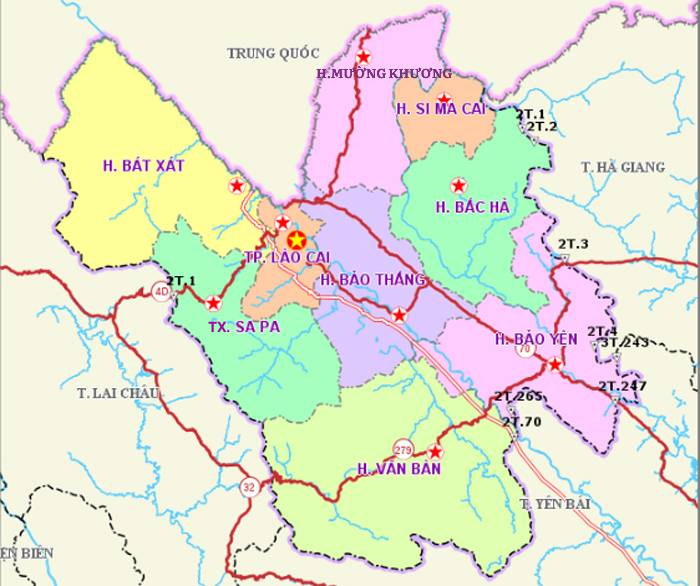
Localities throughout the province have implemented many positive activities. In Bao Yen district, two "Then singing - Dan Tinh (a traditional musical instrument)" clubs have been established in Vinh Yen and Nghia Do communes, along with a traditional folk art club at Bao Ha Temple. Schools in Vinh Yen and Nghia Do communes have established Then singing clubs for students, meeting every Thursday afternoon. These clubs perform for tourists during holidays, festivals, and political, cultural, and tourism events of the district and commune; and participate in contests and performances organized by the province and district. Bac Ha district has one Then club of Tay people in Trung Do village, Bao Nhai commune. Bao Thang district has one Then singing club in Tan Lap village, Phu Nhuan commune.
Tug of War rituals and games are preserved and promoted alongside the preservation of traditional festivals among the Tay and Giay ethnic communities. Notable examples include the Roong Pooc festival of the Giay people in Ta Van (Sa Pa) and the Field Descending festival of the Tay people in Trung Do (Bac Ha).
Heritage exhibition and introduction activities have been organized at cultural events such as: the exhibition of the Tug of War heritage space of the Giay people in Sa Pa at the Korean Culture Day 2023; and within the framework of the Hanoi Creative Design Festival 2023, Lao Cai participated in performing Tug of War rituals and games by Vietnamese and international communities. The artisan delegation and Tay people from Trung Do (Bac Ha) performed and received great attention from the tourists participating in the event.
To help heritage communities understand their own heritage and take responsibility for protecting and promoting it, the Department of Culture, Sports and Tourism has organized training sessions to introduce and disseminate UNESCO-recognized intangible cultural heritage, prepared dossiers, and proposed awarding the titles of People's Artisan and Outstanding Artisan to Giay and Tay artisans who are bearers of the UNESCO-recognized intangible cultural heritage. Support is provided for heritage teaching activities within the community. Tug of War rituals and games are exhibited at the Lao Cai Provincial Multi-purpose Sports Arena to introduce the heritage to the public. At the same time, press agencies and the province’s websites/portals have strengthened heritage publicity. Heritage preservation and promotion activities associated with tourism development are also being actively implemented.
In the coming period, Lao Cai will continue to enhance and further promote the protection and dissemination of UNESCO-recognized intangible cultural heritage, promote the image, culture, and people of Lao Cai to domestic and international friends, and boost cultural diplomacy and international cultural exchange./.