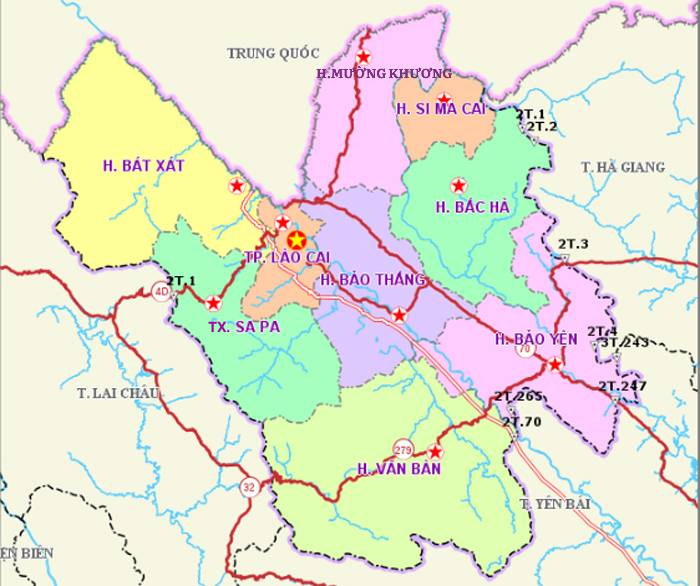
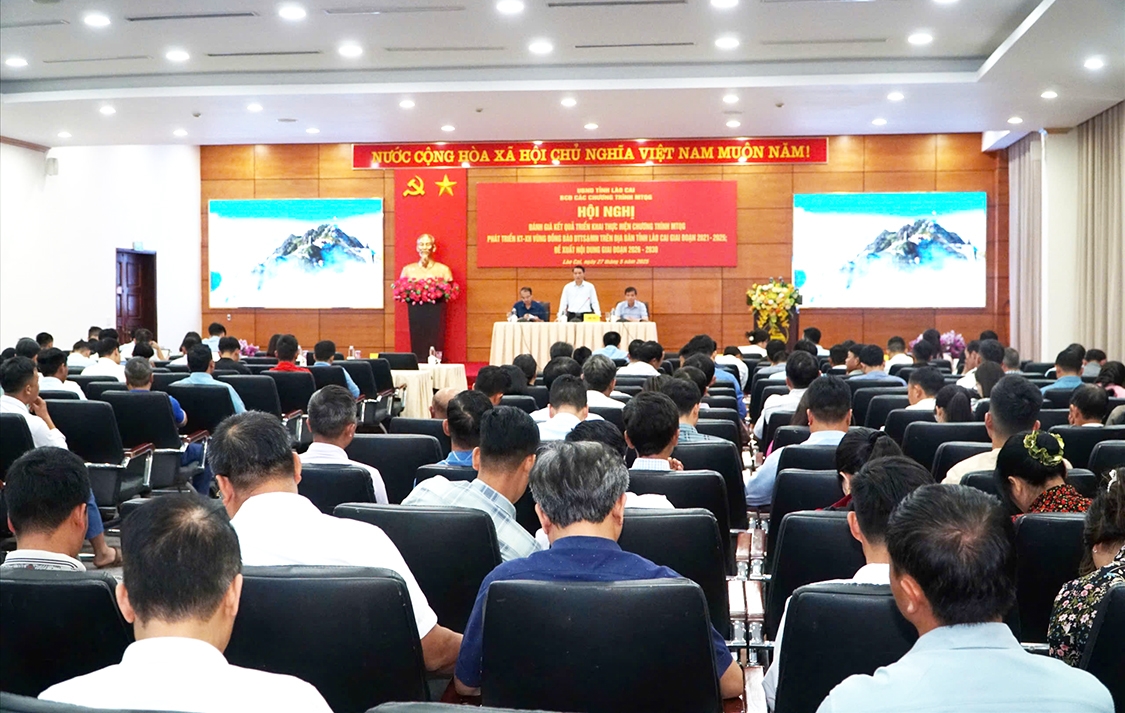
On May 27, the Steering Committee for National Target Programs (NTP) of Lao Cai province held a conference to evaluate the results of the implementation of the NTP for socio-economic development in ethnic minority and mountainous areas (NTP 1719) for the period 2021 - 2025 and propose content for the period 2026 - 2030. Attending the conference were leaders of departments, branches, and representatives of the districts: Bat Xat, Bao Thang, Van Ban, Sa Pa town and Lao Cai city.

Implementing electronic medical records helps reduce pressure on medical staff, perfecting the closed process of applying information technology in medical examination and treatment...
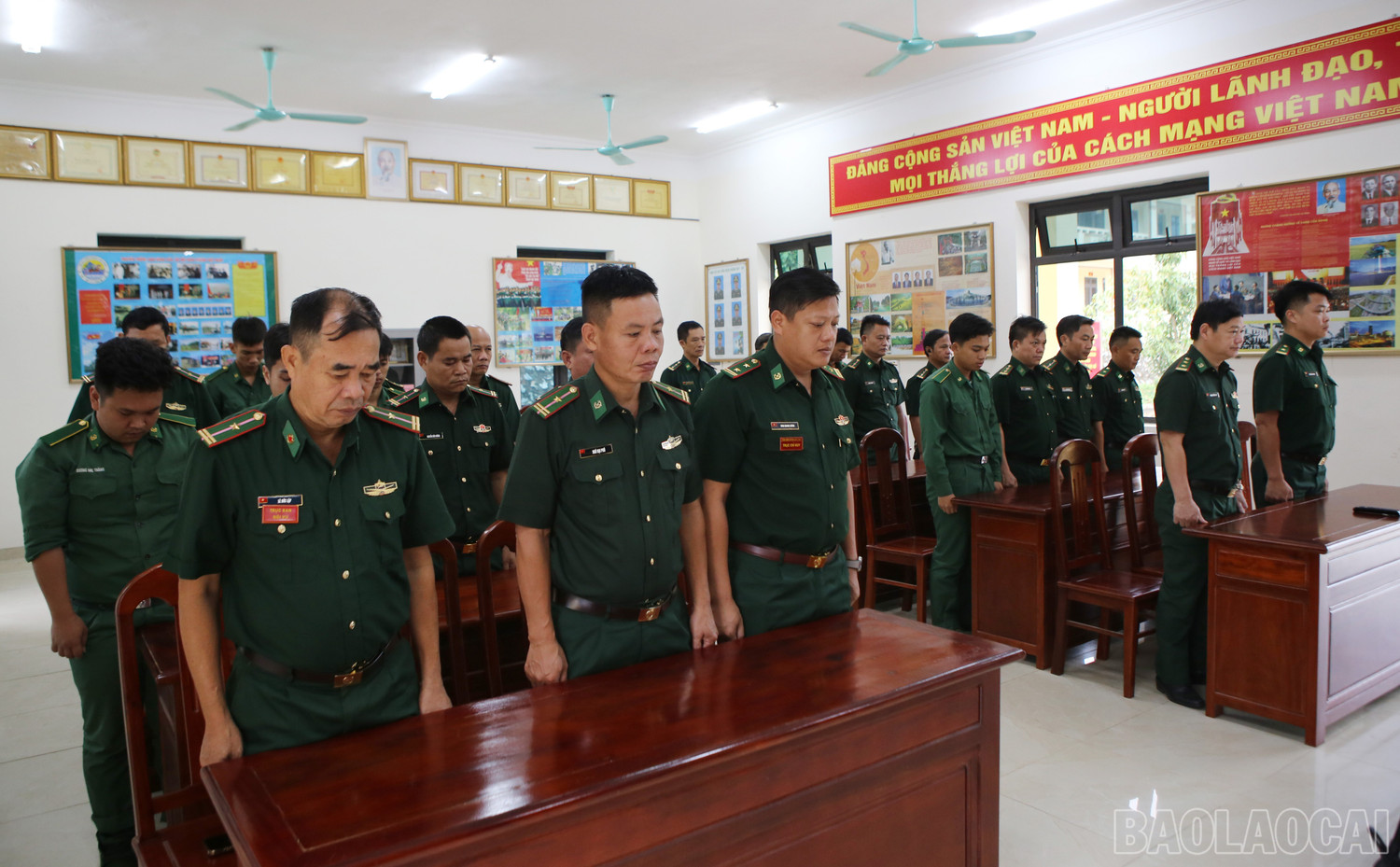
On May 24, along with millions of hearts across the country, cadres, party members, soldiers and people of all ethnic groups in Lao Cai province bowed their heads to bid farewell to Mr. Tran Duc Luong, former member of the Politburo, former President of the Socialist Republic of Vietnam, a staunch communist soldier, a virtuous leader, close to the people, who devoted his whole life to the revolutionary cause of the Party and the People.
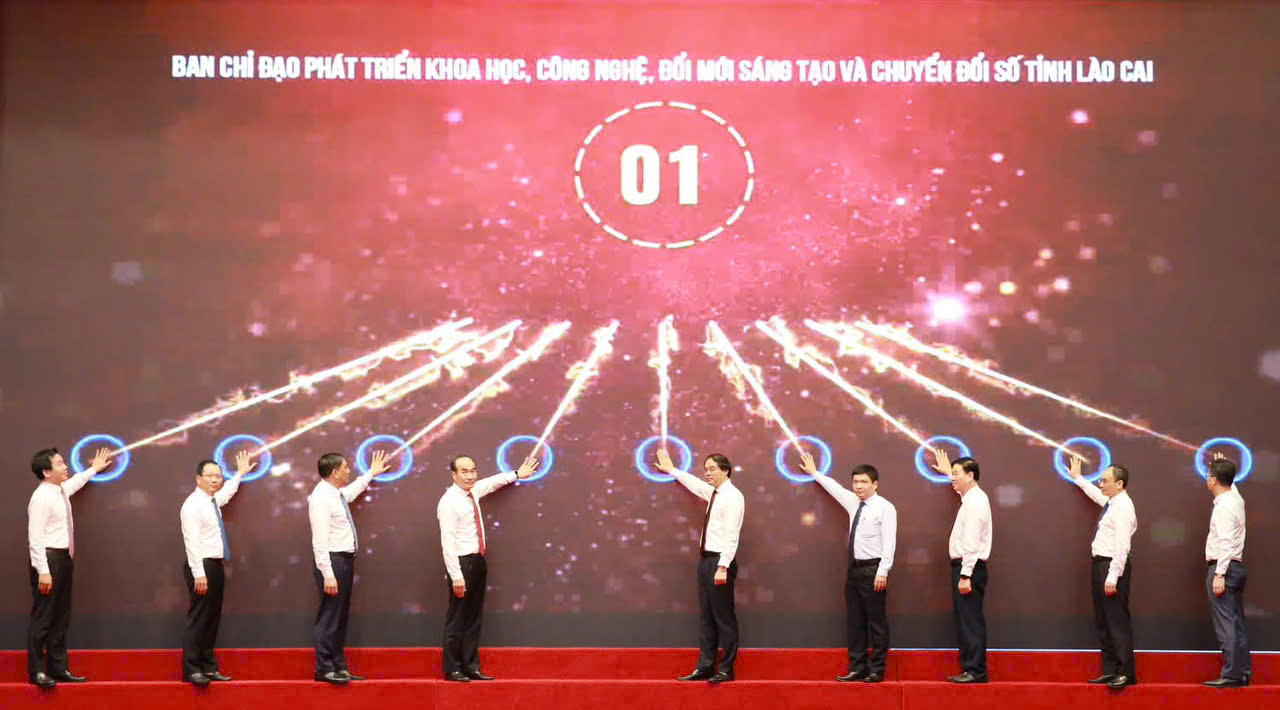
On the morning of May 21, Lao Cai Provincial Party Committee held an online conference to roll out the action plan to implement Resolution No. 57-NQ/TW and launch the "Digital Education for All" movement. The conference was connected online from the provincial bridge to the District Party Committees, Town Party Committees, City Party Committees and grassroots.
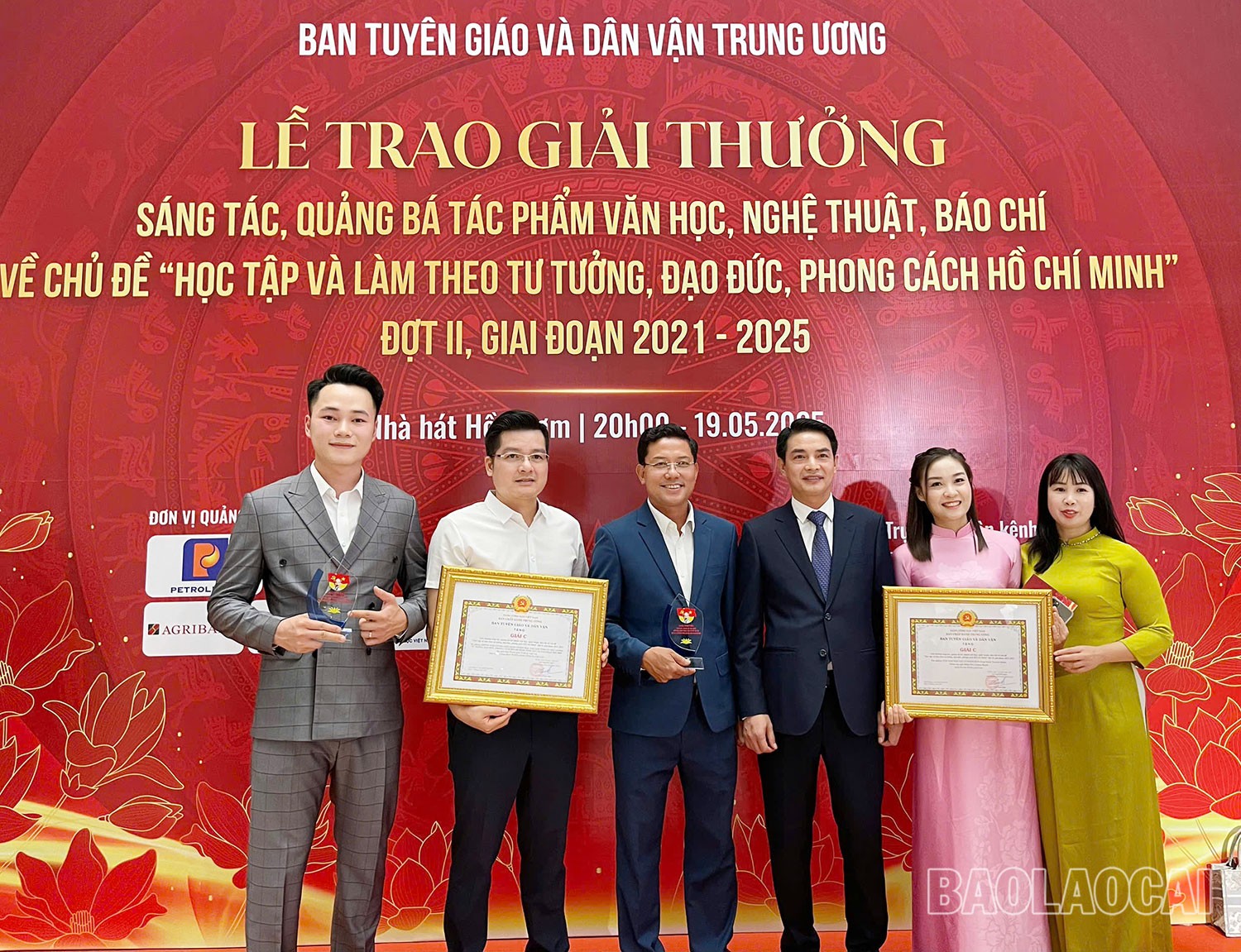
On the evening of May 19, in Hanoi, the Central Propaganda and Mass Mobilization Commission coordinated with Vietnam Television to organize the Award Ceremony for Composing and Promoting Literary, Artistic and Journalistic Works on the Theme of “Studying and Following Ho Chi Minh’s Thought, Morality and Style” Phase II, 2021-2025. The Award was held on the occasion of the 135th anniversary of President Ho Chi Minh’s birthday (May 19, 1890 - May 19, 2025) with the theme “Following His Footsteps”.
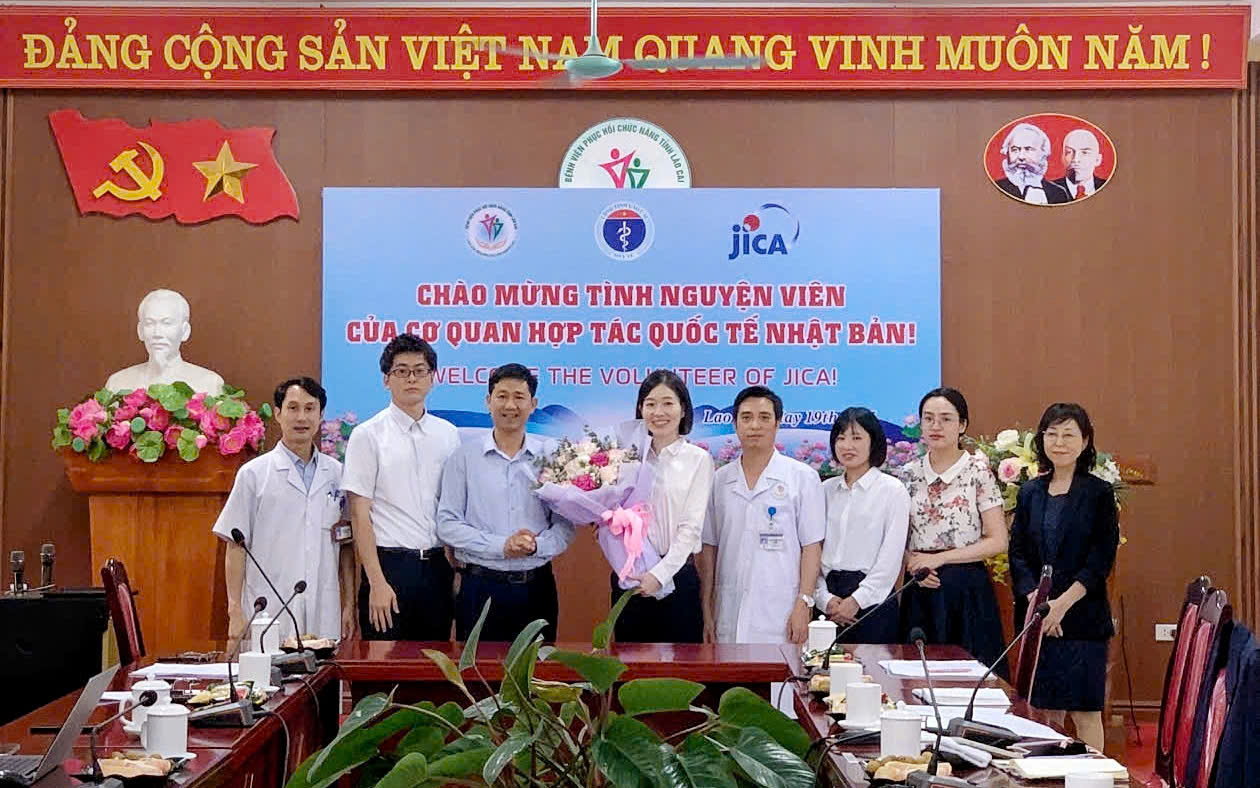
On the afternoon of May 19, Lao Cai Provincial Rehabilitation Hospital organized a program to welcome volunteers from the Japan International Cooperation Agency (JICA) in Vietnam to work at the hospital.

In 2025, the whole province will cultivate more than 33,000 hectares of rice, including more than 9,600 hectares of spring rice. This area is mainly concentrated in the districts of Van Ban, Bao Yen, Bao Thang, Bat Xat, Lao Cai city... At this time, the vast rice fields have begun to turn yellow, waiting for farmers to harvest. Seen from above, the "rice granaries" have a majestic beauty like masterpieces carved into nature by the diligent and skillful hands of humans.

Lung Vai is known as the “tea capital” of Muong Khuong district, with nearly 800 households growing tea on nearly 1,000 hectares spread across 14 villages. This place is covered with a cool green coat, winding along the hillsides. These days, the tea fields and hills are bustling with the voices and laughter of farmers who are harvesting tea.

Phin Giang A village is located in Coc Ly commune, Bac Ha district. The small village is surrounded on all sides by the cool green of mountains and forests. For generations, the Mong people here have lived in harmony, relying on nature, without noise or bustle, maintaining a peaceful pace of life.

Lao Cai currently has about 250 km of intra-field roads. In the process of building new rural areas, intra-field roads are invested in and built by localities and people to serve agricultural production and facilitate the transportation of agricultural products. In the middle of a large cultivated area, seen from above, intra-field roads are like silk ribbons that embellish the new rural picture, contributing to bringing bumper crops.