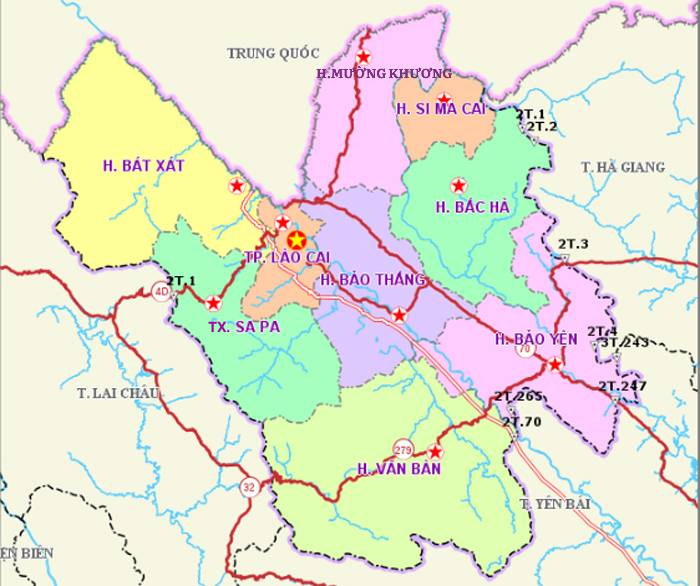

On the evening of November 20, 2025, at Dinh Le Square (Lao Cai ward), the Opening Ceremony of the Ethnic Cultural Space displaying culture - tourism, performing folk cultural activities rituals and arts of Lao Cai ethnic groups took place in an exciting atmosphere, attracting a large number of people and tourists. This is one of the prominent activities within the framework of the Red River Festival 2025.

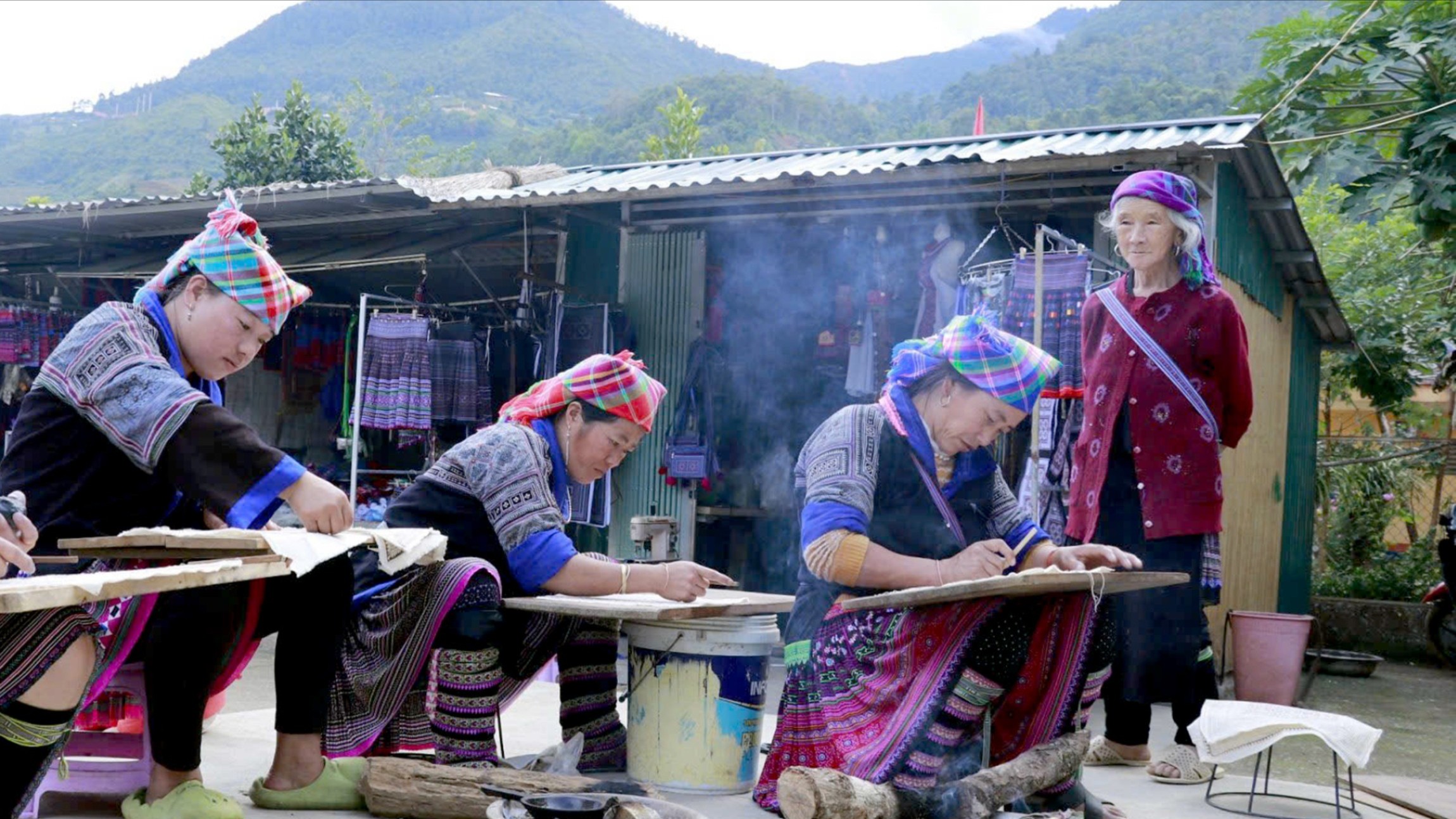
Modern life creeps into every highland village, meaning that many beautiful traditional cultural features of ethnic groups face the risk of being lost, including traditional costumes of the Mong people. However, there are still many Mong ethnic women who daily preserve the identity of their ethnic group through each needle line and thread stitch.

Tan Linh commune, Lao Cai province is the residence of ethnic communities including Tay, Dao, H'Mong, etc. The Red Dao people bring separate cultural colors shown through costumes, cuisine, and traditional festivals, contributing to creating a rich land in potential for culture, tourism, and economy.

In the modern rhythm of life, the Red Dao people in Dong Cuong still persistently preserve and promote traditional cultural values, especially in ethnic costumes – the "living treasures", crystallizing knowledge, aesthetics, and national pride.

Established in 2020, the Tay Folk Song Club of Muong Lai commune (Lao Cai province) has become a place to preserve and teach unique and special folk songs of the Tay people, including the Khap coi tune.
After consolidating administrative boundaries, Lao Cai has become one of the localities with the richest cultural heritage treasure in the Northwest region, with 56 national intangible cultural heritages.
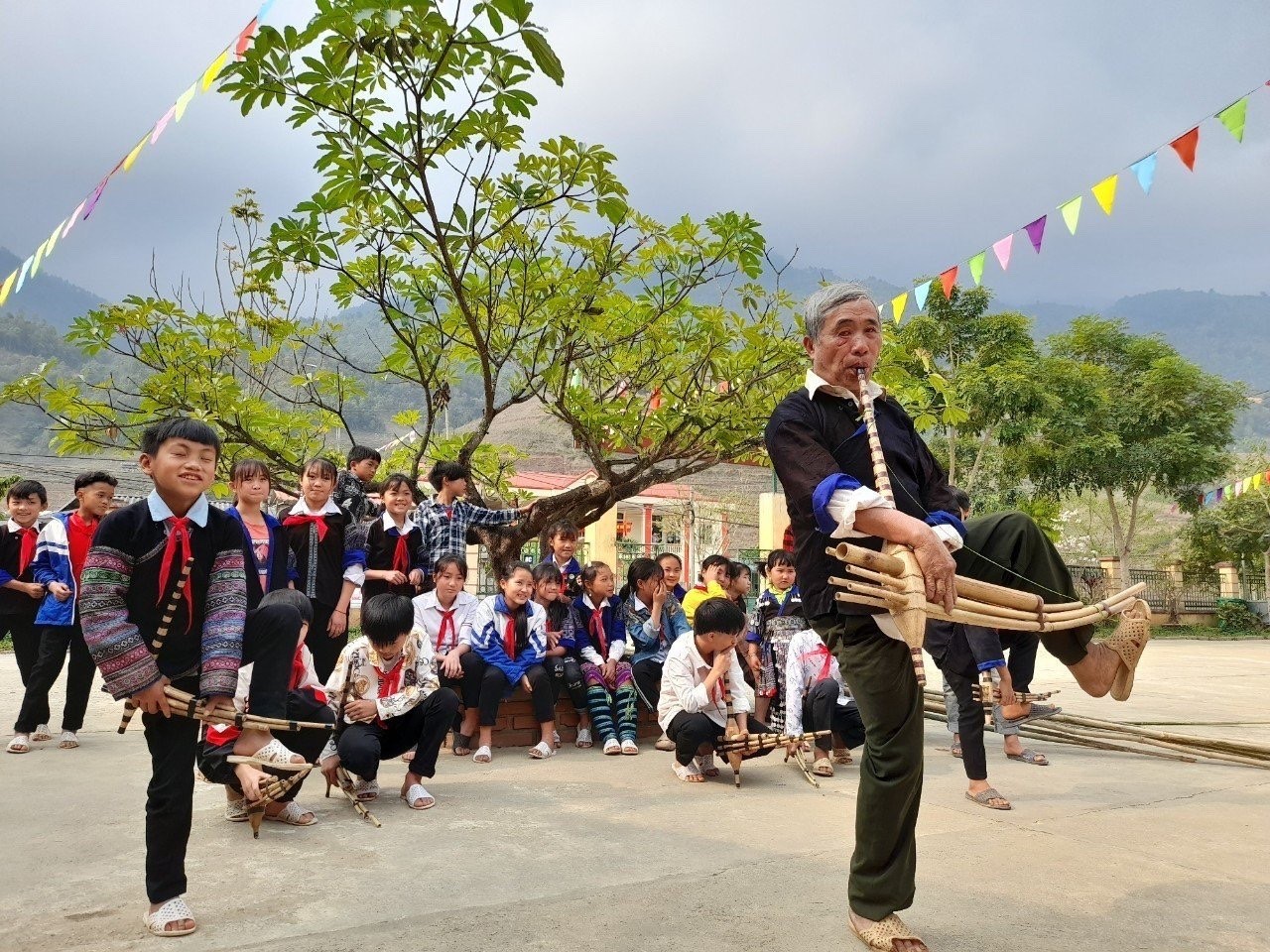
In highland schools in Lao Cai, Khen, Xoe, and Tinh lute, etc. are no longer strange echoes of festivals but have entered the rhythm of life in schools - resonating during flag salute hours, creeping into playgrounds, and spreading in libraries. The heritage becomes a daily breath; it is worn, played, embroidered, and told so that each class not only teaches letters but also keeps the rural soul.
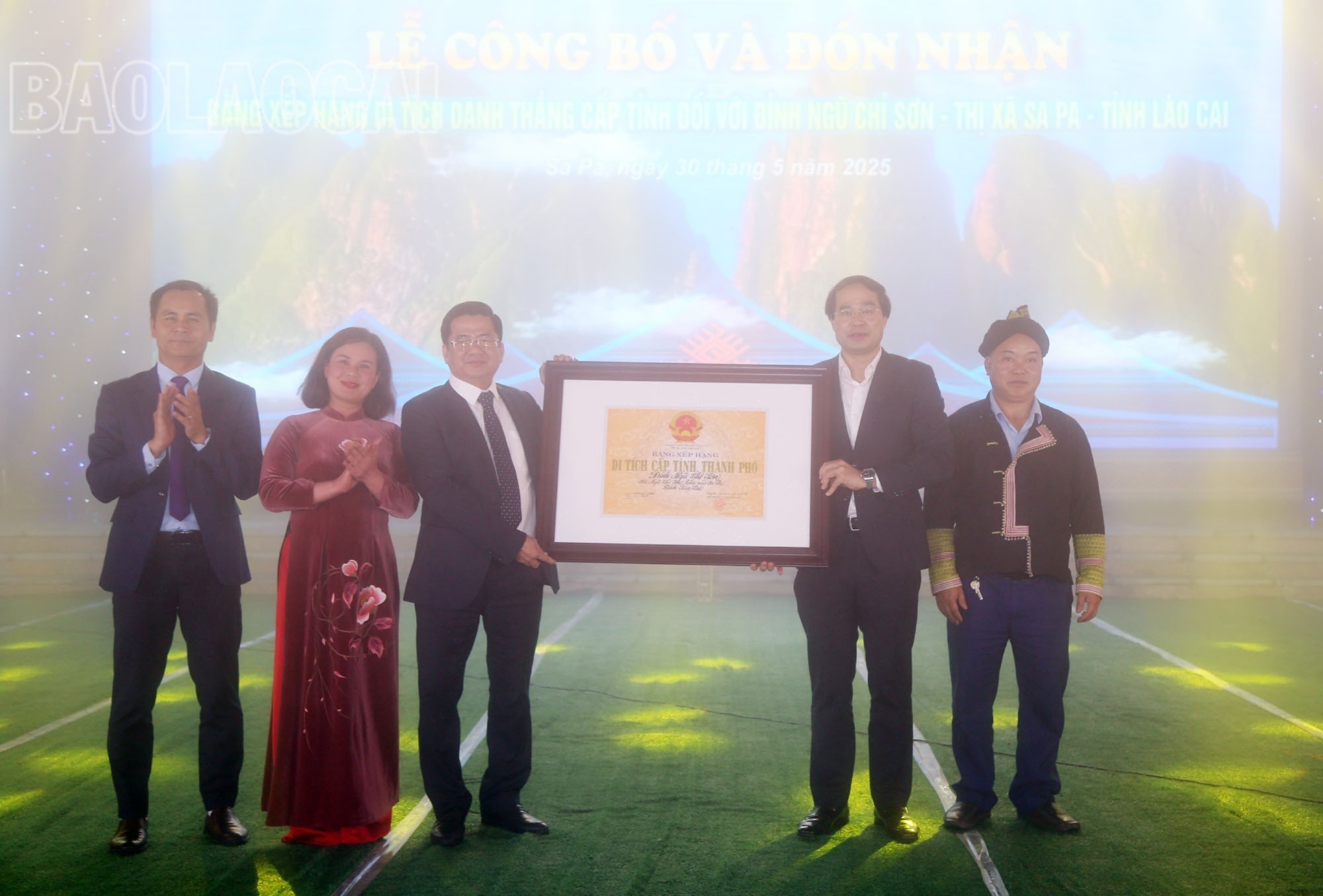
On the evening of May 30, at the Tennis Court, the People's Committee of Sa Pa town held a ceremony to announce and receive the Certificate of ranking as a provincial-level scenic relic for Ngu Chi Son peak and a special art program "Sa Pa - the aspiration to rise".

On May 31, the first community reading library in Lao Cai city officially opened in the small park area of residential group 7, Nam Cuong ward. This is a project implemented by the Party Cell and mass organizations of Residential Group 7 to create a space for learning, entertainment and spreading reading culture in the community.
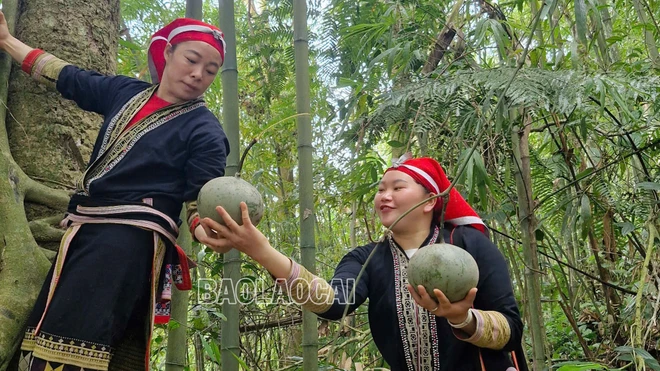
In the treasure trove of indigenous knowledge of the Red Dao people in Phin Ngan commune, Bat Xat district, for a long time, people have known how to use many types of forest plants to make valuable remedies to cure diseases. Once following the people into the forest to find medicinal plants, we understood more about the traditional medicine profession of the people here.